How To Choose Cookware Set: Expert Guide For 2026
Pick cookware by material, heat performance, durability, and the types of meals you cook.
I’ve picked, tested, and used dozens of pots and pans over the years, so I know what works and what wastes money. This guide walks you through how to choose cookware set step by step, explains materials, sizes, and real-world pros and cons, and gives a clear buying checklist so you can buy with confidence.
Why the right cookware matters for home cooks
Choosing the right cookware affects taste, health, and how often you cook. The wrong pan can burn food, stick, or wear out fast. Good cookware saves time, reduces frustration, and helps you make better meals more often. Learning how to choose cookware set helps you match tools to your kitchen habits and budget.

Top cookware materials: pros and cons when you decide how to choose cookware set
Different materials change heat, weight, and care. Below I summarize the main options and when to pick each.
Stainless steel
- Stainless steel: Durable and nonreactive, great for browning and deglazing.
- Best for: Searing, sauces, and daily use.
- Drawback: Poor heat distribution unless it has an aluminum or copper core.
Nonstick (PTFE/Teflon)
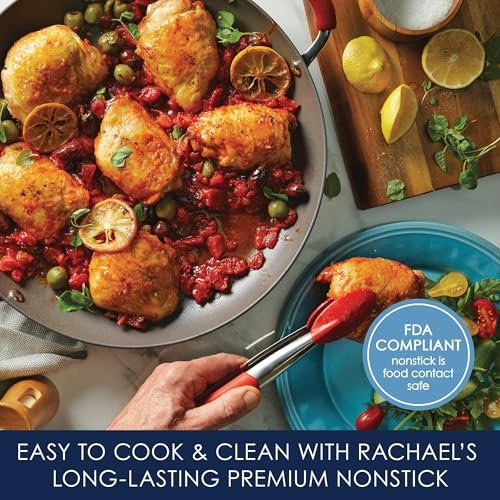
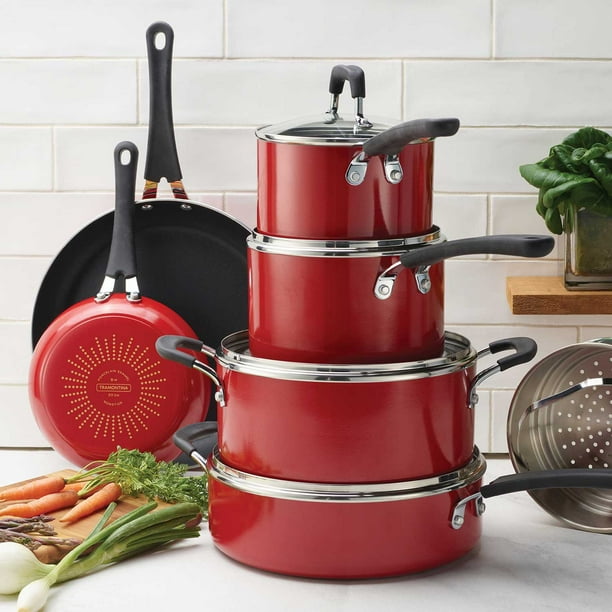
- Nonstick: Great for eggs and low-fat cooking.
- Best for: Sticky foods and easy cleanup.
- Drawback: Coating can wear; avoid high heat and metal tools.
Ceramic nonstick
- Ceramic nonstick: Eco-friendly feel and good for low-heat cooking.
- Best for: Low to medium heat tasks and easy cleaning.
- Drawback: Coating can degrade faster than high-quality PTFE.
Cast iron
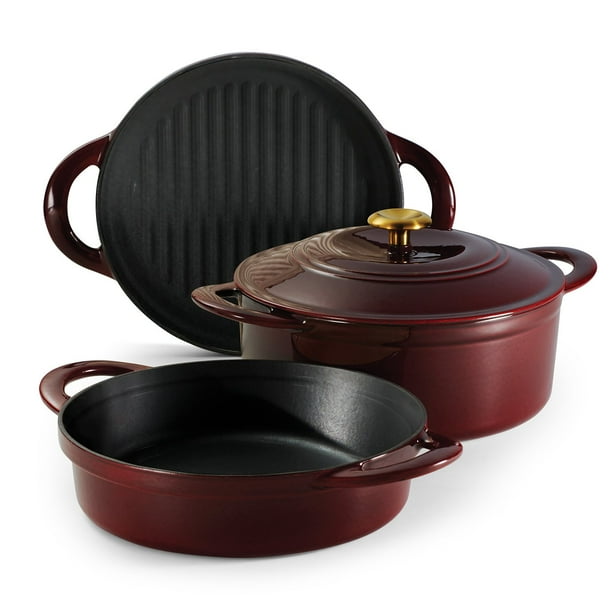
- Cast iron: Superb heat retention and natural nonstick when seasoned.
- Best for: Steaks, cornbread, and oven-to-stovetop cooking.
- Drawback: Heavy and needs seasoning to stay rust-free.
Carbon steel
- Carbon steel: Lighter than cast iron and builds a natural nonstick patina.
- Best for: High-heat searing and stir-fry.
- Drawback: Requires seasoning and care like cast iron.
Copper
- Copper: Fast, precise heat control and elegant look.
- Best for: Delicate sauces and precise temperature work.
- Drawback: Reactive with acidic foods unless lined, and costly.
When you think through how to choose cookware set, match the material to your cooking style. If you fry often, pick a sturdy nonstick or seasoned steel. If you make sauces, stainless or copper cores help.

Construction and performance: core features to check when you learn how to choose cookware set
How a pan is made affects heat and longevity. Look for these construction details.
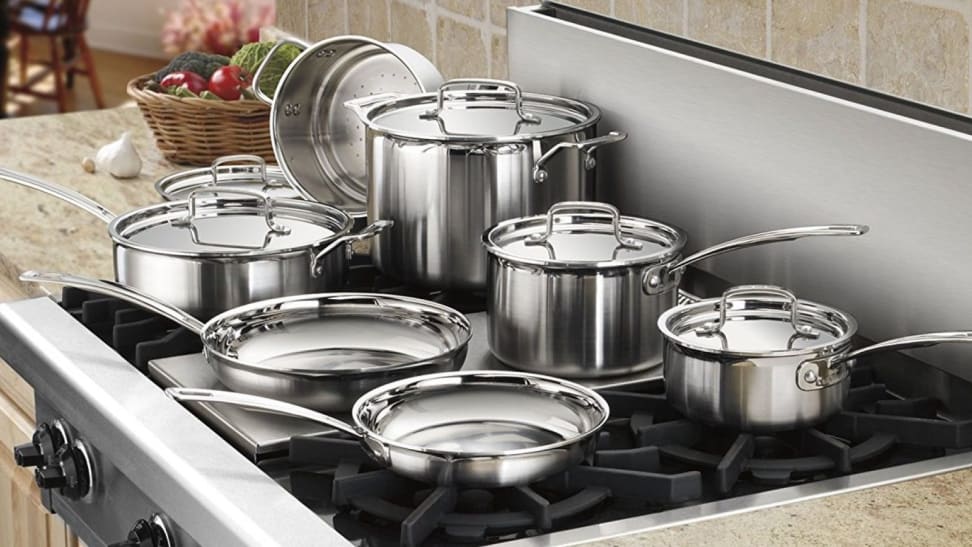
- Multi-clad or fully clad: Layers of aluminum or copper inside stainless steel give even heat.
- Thick base: A heavy base reduces hot spots and warping.
- Riveted vs. welded handles: Rivets last longer but can trap food; welded handles are easier to clean.
- Induction compatibility: Check for a magnetic base if you have an induction cooktop.
- Oven and broiler safety: Verify max oven temperature and whether lids are oven-safe.
These features tell you if a set will perform for years. When choosing how to choose cookware set, favor simple, solid construction over flashy coatings or thin metal.

Which cookware set size and pieces you need when deciding how to choose cookware set
Sets vary from small starter kits to full collections. Think about what you cook most.
- 8- to 10-inch fry pan: Essential for eggs and small sautés.
- 12-inch fry pan: Good for family meals and searing.
- 1.5- to 3-quart saucepan: For sauces, reheating, and grains.
- 3- to 6-quart sauté pan or braiser: Multiuse for one-pan meals.
- 6- to 8-quart stockpot: For soups, pasta, and batch cooking.
- Lids and extras: Glass or metal lids, and a Dutch oven if you braise often.
Choose a set that covers your regular meals. If you cook for one, a compact 5-piece set may be best. For families, invest in larger pans and a stockpot. Thinking about use helps you decide how to choose cookware set without buying what you won’t use.
.png?v=1762289140786&options=w_870,h_700)
Budget, maintenance, and expected lifespan when you figure out how to choose cookware set
Price and upkeep matter as much as material. A good set saves money over time.
- Low budget: Basic nonstick sets are cheap but may last 2–3 years.
- Mid-range: Tri-ply stainless or quality nonstick can last 5–10 years with care.
- High-end: Heavy copper or premium clad stainless can last decades with proper care.
- Maintenance: Cast iron needs seasoning; stainless needs prompt drying; nonstick avoids high heat and metal tools.
- Warranties: Look for limited lifetime or long-term warranties as a signal of quality.
I recommend spending more on core pieces you use daily and saving on specialty items. This approach balances cost and long-term satisfaction when you pick how to choose cookware set.

My tested tips, mistakes I made, and what I’d do differently when picking how to choose cookware set
I learned by cooking a lot and replacing pans. Here are honest lessons.
- I bought a full cheap set once and replaced the nonstick within two years. Lesson: spend a bit more on pans you use daily.
- I underused specialty pans like a fish poacher. Lesson: buy pieces you will actually use.
- I treated cast iron badly at first and learned to season it properly. Now it’s my favorite for steaks.
- I once chose shiny copper for looks and found it reactive without lining. Lesson: pick material for use, not just looks.
These real mistakes taught me to match tools to habits. Use my tips to speed up your learning on how to choose cookware set.
How to choose cookware set: a clear buying checklist
Follow these steps before hitting buy.
- List daily meals and cooking methods. Pick pans that match those tasks.
- Prioritize material for your needs: nonstick for eggs, stainless for sauces, cast iron for searing.
- Check construction: look for multi-clad, heavy bases, and solid handles.
- Consider cooktop and oven compatibility, including induction.
- Read warranty and care instructions. Plan for maintenance and replacement cycles.
- Buy core pieces first, then add specialty items as needed.
This checklist helps you make choices fast and avoid regret. It’s a practical map to how to choose cookware set for real kitchens.

Frequently Asked Questions of how to choose cookware set
What material is best for everyday cooking?
Stainless steel with an aluminum core is the most versatile for everyday cooking. It handles high heat, sauces, and deglazing well while staying durable.
Is nonstick cookware safe to use?
High-quality nonstick is safe when used within temperature limits and without metal utensils. Replace pans when the coating shows scratches or flaking.
Do I need both cast iron and stainless steel?
You don’t need both, but they solve different tasks. Cast iron holds heat for searing, while stainless is better for quick sauces and deglazing.
How much should I spend on a good cookware set?
Aim for a mid-range budget that lets you buy tri-ply stainless or a durable nonstick; this often balances cost and longevity. Spending more on core pieces pays off over time.
Can I use the same set on induction and gas?
Only if the cookware has a magnetic base or is marked induction-compatible. Check the product details before buying to ensure cooktop compatibility.
How long should a cookware set last?
Lifespan depends on material and care: nonstick may last 2–5 years, while stainless or cast iron can last decades with proper maintenance. Proper care extends lifespan significantly.
Conclusion
Choosing cookware is about matching material, construction, and size to your cooking style. Focus on the pans you will use most, check for sturdy construction, and plan for care and longevity. Start with a solid core set, add specialty pieces as needed, and invest in quality where it matters.
Take action today: list your daily meals, use the checklist above, and shop with those needs in mind. Share your experiences or questions below and subscribe for more practical kitchen buying tips.