Which Kitchen Appliances Are Essential: Must-Have List
A refrigerator, a range (stove and oven), a microwave, a dishwasher, and a few versatile countertop tools are essential.
I’ve spent years testing appliances in small rentals and full kitchens, helping friends set up new homes, and advising readers on smart buys. This guide breaks down exactly which kitchen appliances are essential, why they matter, and how to choose the right ones for your space, budget, and cooking style. Read on for practical tips, real-life lessons, and clear steps to outfit a kitchen that works for you.
Why choosing essential appliances matters
Picking the right appliance mix shapes how you cook, shop, and live at home. Knowing which kitchen appliances are essential keeps costs down and reduces clutter. It also helps you buy durable gear that fits your habits and space.
When you ask which kitchen appliances are essential, think about routine meals, family size, and storage. The best choices save time and energy while making food prep easier.

Core essential kitchen appliances
Here are the appliances I call core essentials for most kitchens. I explain why each matters and give quick buying tips.
- Refrigerator — Keeps food safe and reduces waste. Choose the right size for your household and prefer efficient models with good temperature control.
- Range (stove and oven) — Central to cooking. A reliable range or separate cooktop plus oven handles most meals. Prioritize even heating and easy-clean surfaces.
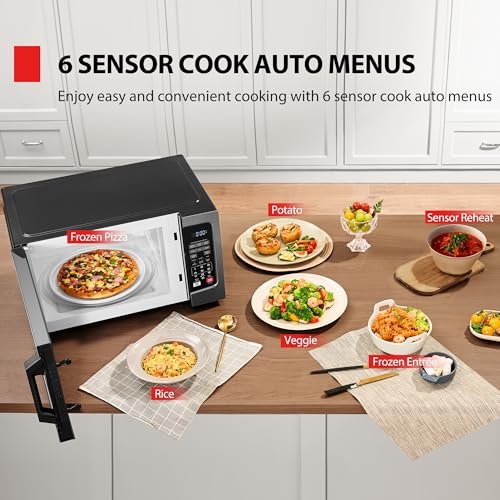
- Microwave — Fast reheating and simple cooking tasks. A compact, good-power unit (700–1000W) is enough for most homes.
- Dishwasher — Saves time and water in busy kitchens. Look for models with adjustable racks and energy-saving cycles.
- Range hood or ventilation — Removes smoke and smells. Even a basic vent or recirculating hood improves air quality.
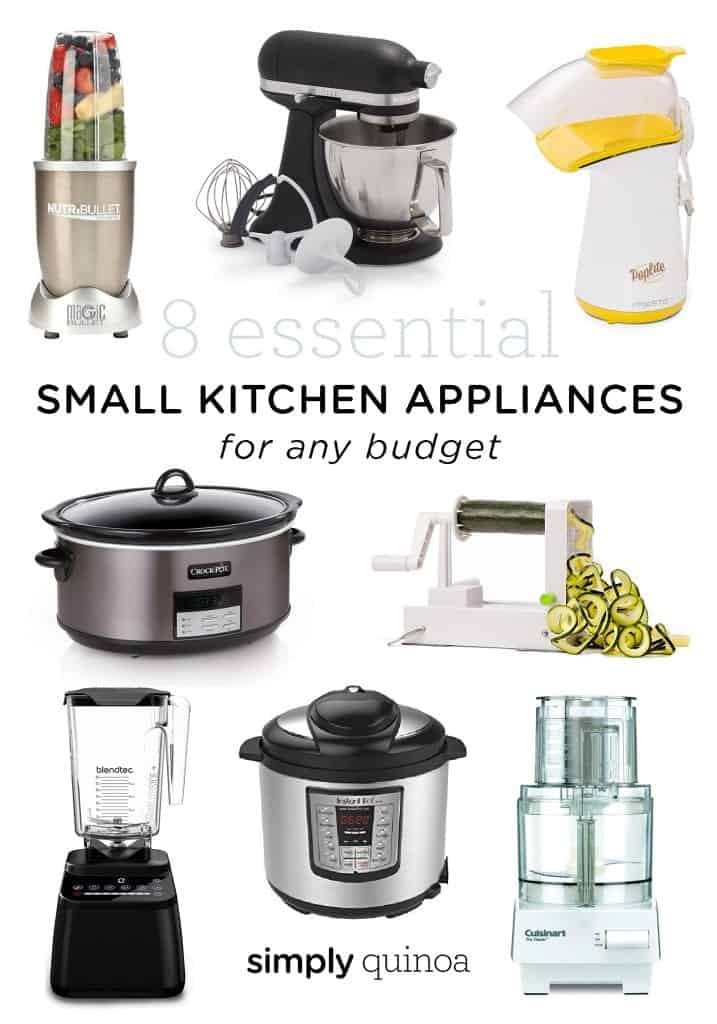
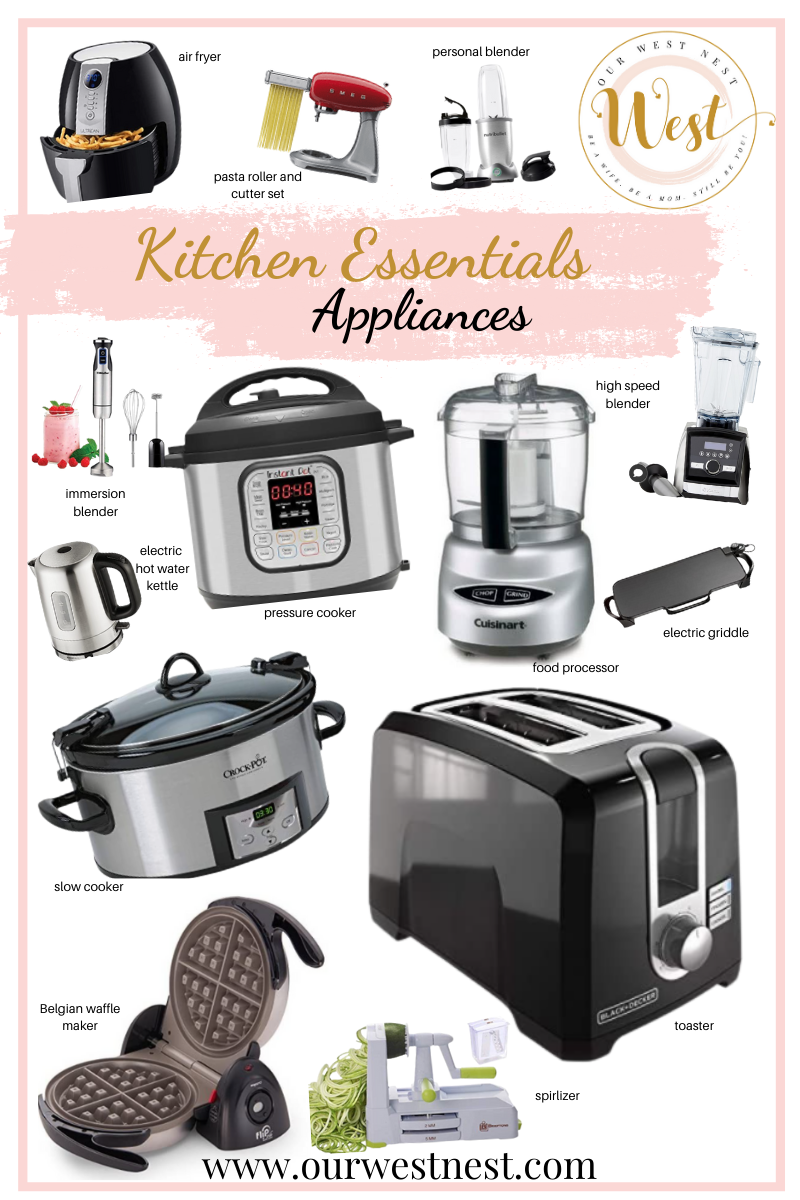
- Basic countertop appliances — Toaster or toaster oven, electric kettle, and a coffee maker or espresso device if you drink coffee daily. These small tools add convenience.
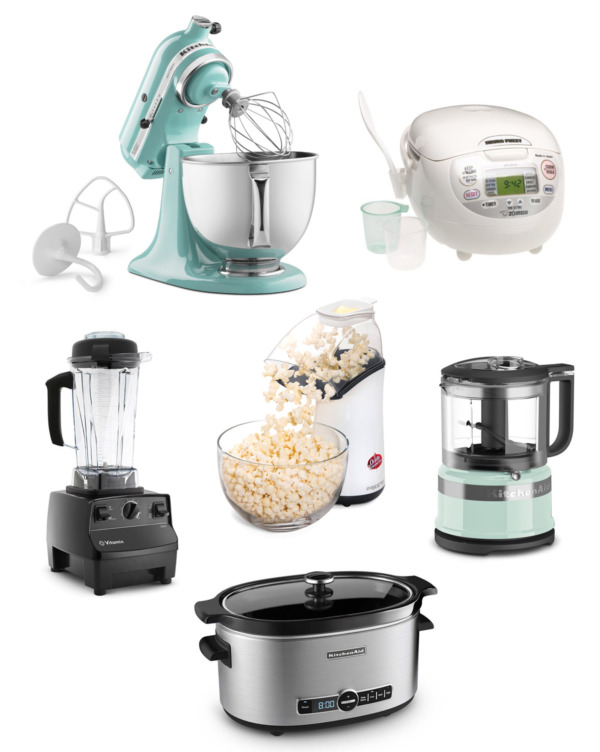
- Multi-cooker or slow cooker — Great for hands-off meals and flexibility. A multi-cooker (pressure + slow + sauté) replaces several single-use devices.
- Blender or food processor — Smoothies, sauces, and prep tasks get much easier with a reliable model.
- Garbage disposal (if available) — Makes cleanup faster and reduces sink clogs. Not essential everywhere but very helpful in many households.
Which kitchen appliances are essential can vary by life stage. For a single person, a microwave, mini-fridge, and multi-cooker may be enough. For families, a larger refrigerator, a full range, and a dishwasher are often non-negotiable.
Small kitchens and apartment essentials
Small spaces require smart choices to cover needs without clutter. Focus on multi-use gear and compact models.
- Choose a combination microwave-convection oven if you have no full oven.
- Pick a two-burner induction cooktop for counter flexibility.
- A slim, tall refrigerator saves footprint space and holds more.
- Favor a compact dishwasher or countertop model if hookups allow.
- Use a multi-cooker that works as a pressure cooker, slow cooker, rice cooker, and steamer.
When thinking about which kitchen appliances are essential in a small kitchen, prioritize appliances that replace many single-use items. This keeps counters clear and cooking simple.
:max_bytes(150000):strip_icc()/Web_1500-Vitamix-test-VitaMixExplorian-2I6F2823-2166d48a96474cb08d5a62d233cd7222.jpg)
How to pick the right models
A few practical rules help you pick appliances that last and perform well.
- Measure your space — Always confirm dimensions and door swing before buying.
- Match capacity to household size — Bigger isn’t always better if you rarely fill it.
- Energy efficiency matters — Look for energy-rated models to lower bills over time.
- Read real user reviews — Focus on reliability, noise, and common faults.
- Check warranties and service — A good warranty and easy access to service save headaches.
Decide which kitchen appliances are essential for you by listing daily tasks and matching them to appliance functions. This prevents impulse buys that sit unused.
:max_bytes(150000):strip_icc()/organize-your-kitchen-cabinets-2648622-04-2-2a80715b358f4d14990cd048d6600e13.jpg)
Energy efficiency and cost-saving tips
Saving energy starts with choosing efficient models and using them smartly.
- Look for energy ratings — Efficient fridges and dishwashers reduce bills.
- Right-size appliances — An oversized appliance wastes energy and space.
- Use eco cycles and full loads — Run dishwashers and washing devices when full.
- Maintain equipment — Clean coils, descale kettles, and replace seals to keep units efficient.
- Consider lifecycle cost — A cheaper unit upfront may cost more if it consumes excess energy or fails early.
When evaluating which kitchen appliances are essential, factor in long-term costs, not just purchase price. Small efficiency gains multiply over years.

Budget-friendly buying and maintenance tips
You can build a functional kitchen without breaking the bank.
- Buy last-season models — They often include the same features at lower prices.
- Consider certified refurbished units — They come tested and warrantied.
- Shop sales and seasonal discounts — Major appliances often go on sale around holidays.
- Do basic maintenance yourself — Change filters, clean coils, and follow manufacturer guides.
- Prioritize durability over bells — A simple, reliable appliance usually outlasts a trendy gadget.
I once bought a high-tech toaster with many features that failed in a year. Later, I learned to choose sturdy basics. That shaped how I decide which kitchen appliances are essential: look for proven durability.
Personal experience and lessons learned
From moving apartments to renovating a kitchen, I have a few hard-earned tips.
- Start with the fridge and range — I once skimped on the range and cooked poorly for months. Prioritize these two when deciding which kitchen appliances are essential.
- Avoid duplicates — Too many single-use gadgets clutter the counter and get rarely used.
- Test before the final buy — If possible, cook on a demo model or borrow from a friend.
- Keep manuals and maintenance schedules — They extend life and help warranty claims.
My biggest mistake was buying a large, feature-packed microwave that didn’t fit under my cabinets. Measure first. This lesson is a big reason I stress planning when deciding which kitchen appliances are essential.
Frequently Asked Questions of which kitchen appliances are essential
What is the single most essential kitchen appliance?
The refrigerator is the most essential because it preserves food and prevents waste. Without it, meal planning and fresh ingredients become much harder.
Do I need both a stove and an oven?
A combined range gives you both functions in one appliance and covers most cooking needs. If space is tight, a cooktop and a separate convection microwave can be a compact alternative.
Are dishwashers worth the expense?
Yes for busy households. Dishwashers save time and usually use less water than hand washing when run full.
Is a microwave essential?
Not always, but it is highly convenient for reheating, quick meals, and defrosting. Many people find it hard to live without one.
What small appliances should I prioritize?
Start with a multi-cooker, blender, and a reliable kettle or toaster. These cover meals, prep, and beverages efficiently.
How often should I replace major appliances?
Aim for 10–15 years for major appliances like refrigerators and ranges, but watch for performance drops and rising repair costs. Regular maintenance can extend this life.
Conclusion
Choosing which kitchen appliances are essential comes down to your cooking habits, space, and budget. Focus first on a good refrigerator, a reliable range or cooktop plus oven, a microwave for speed, and a dishwasher if your routine benefits from it. Add versatile countertop devices like a multi-cooker and blender to cover many tasks without clutter.
Take action: measure your space, list daily cooking needs, and prioritize durable, energy-efficient models. Share your setup or questions below, subscribe for more appliance guides, or leave a comment on what worked for your kitchen.