How To Choose Kitchen Appliances: Smart Buying Guide
Choose appliances by space, cooking style, budget, energy, and long-term value.
I have helped dozens of homeowners and friends pick stoves, fridges, and small gear. I explain how to choose kitchen appliances with clear, practical steps you can use today. This guide blends real experience, smart rules, and simple checklists so you make choices that fit your kitchen, budget, and life.

Assess Your Needs and Kitchen Space
Start by listing how you use your kitchen. Think about how often you cook, what you cook, and how many people you feed. Measure cabinets, doorways, and appliance cutouts so new items fit without surprises.
Consider how to choose kitchen appliances that match your cooking habits. For example, if you bake often, prioritize a reliable oven and good ventilation. If you cook for a crowd, choose larger capacity models.

Set Your Budget and Prioritize
Decide what you can spend and what matters most. Break your budget into tiers: must-haves, upgrades, and extras. Allocate more money to the items you use daily.
When you learn how to choose kitchen appliances on a budget, focus on durability for core items like fridge and range. Save on things you use less often or buy less known brands for small appliances.
Essential vs Nice-to-Have Appliances
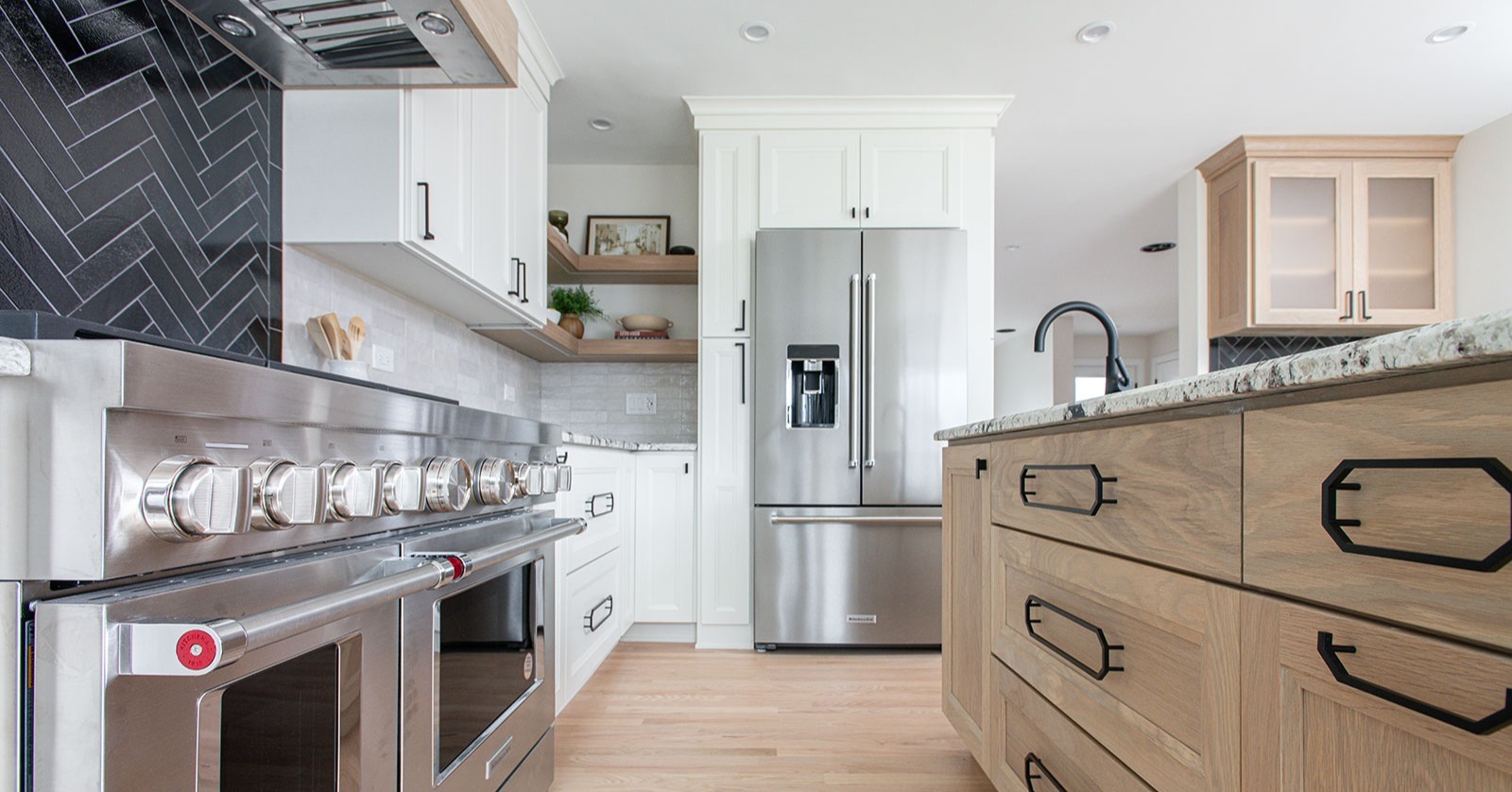
Make a clear list of essentials and extras. Essentials usually include refrigerator, range or cooktop, oven, and dishwasher. Extras may be wine coolers, warming drawers, or specialty coffee machines.
How to choose kitchen appliances depends on your goals. If counter space is tight, choose compact or multi-function devices. If you love tech, set aside funds for smart features.

Measure, Fit, and Plan Layout
Measure height, width, depth, and clearance. Check swing direction for doors and drawers. Note electrical outlets, gas lines, and ventilation needs.
A good plan helps when you decide how to choose kitchen appliances. Bring a tape measure and a photo of the space to the store. I once returned a fridge because it missed clearance by two inches — that taught me to double-check.
Energy Efficiency and Running Costs
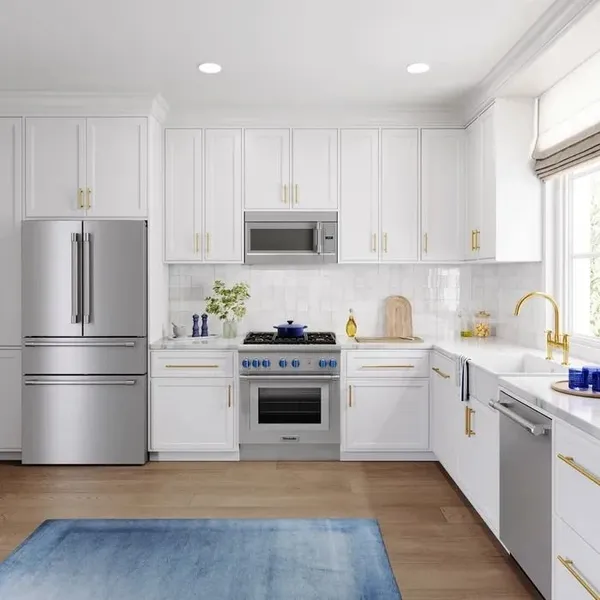
Look for energy ratings and estimated yearly cost. Efficient models save money over time. Consider refrigerators and dishwashers first because they run often.
When you consider how to choose kitchen appliances, factor in lifetime cost, not just sticker price. Energy-efficient units may cost more up front but lower bills later.

Features, Technology, and User Experience
List features you actually want. Useful features include convection ovens, induction cooktops, adjustable shelving, and easy-clean finishes. Avoid gimmicks you won’t use.
How to choose kitchen appliances should include testing controls in store if possible. Controls that feel intuitive save time and reduce frustration. I prefer simple dials on stoves; they are fast and reliable.
Brands, Warranty, Reviews, and Reliability
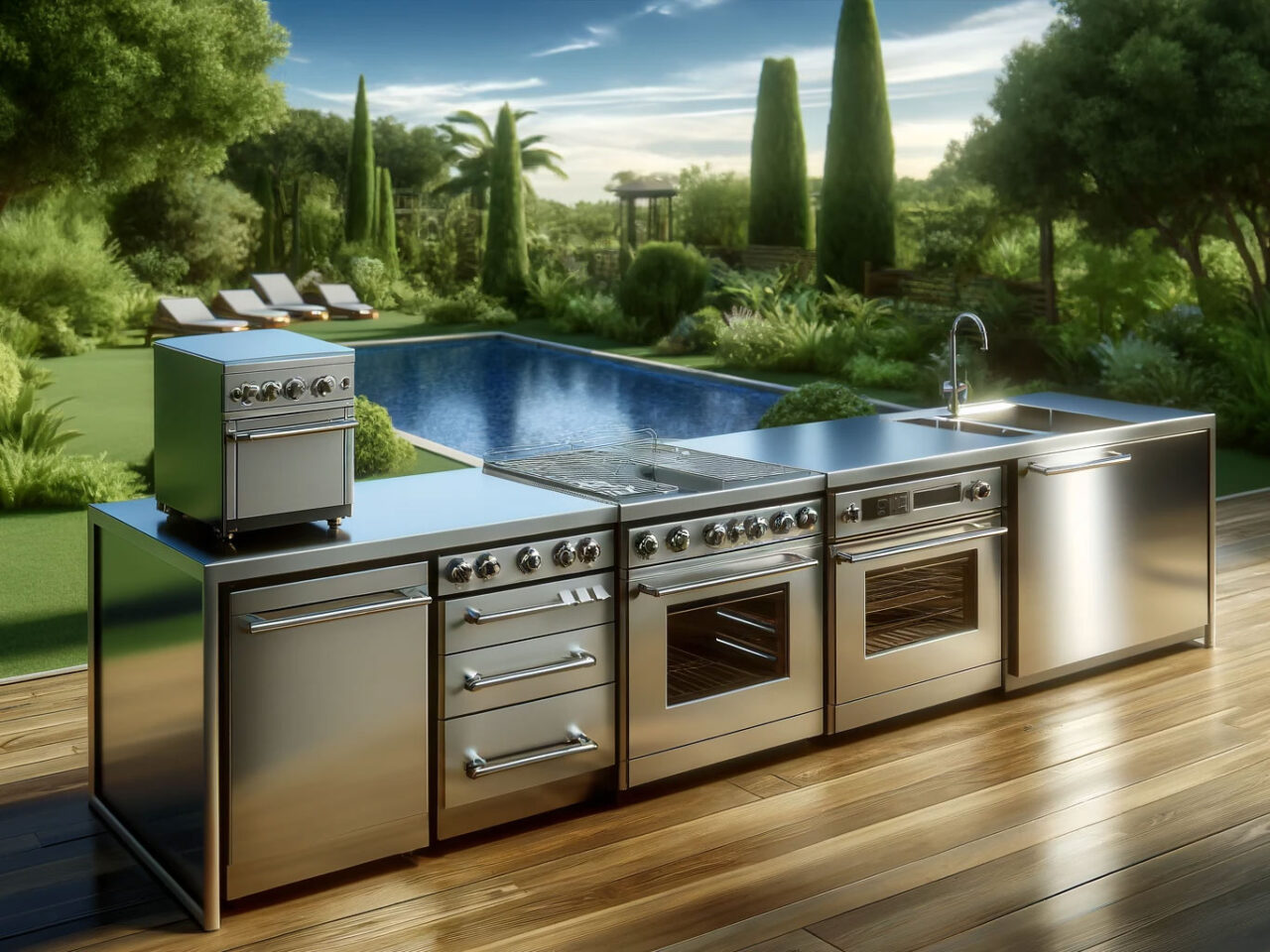
Check brand reputation and service networks. Read verified reviews and look for patterns in complaints. Pay attention to warranty length and what it covers.
When deciding how to choose kitchen appliances, weigh service access. A good warranty and nearby service center matter more than a flashy brand name.
Installation, Maintenance, and Longevity
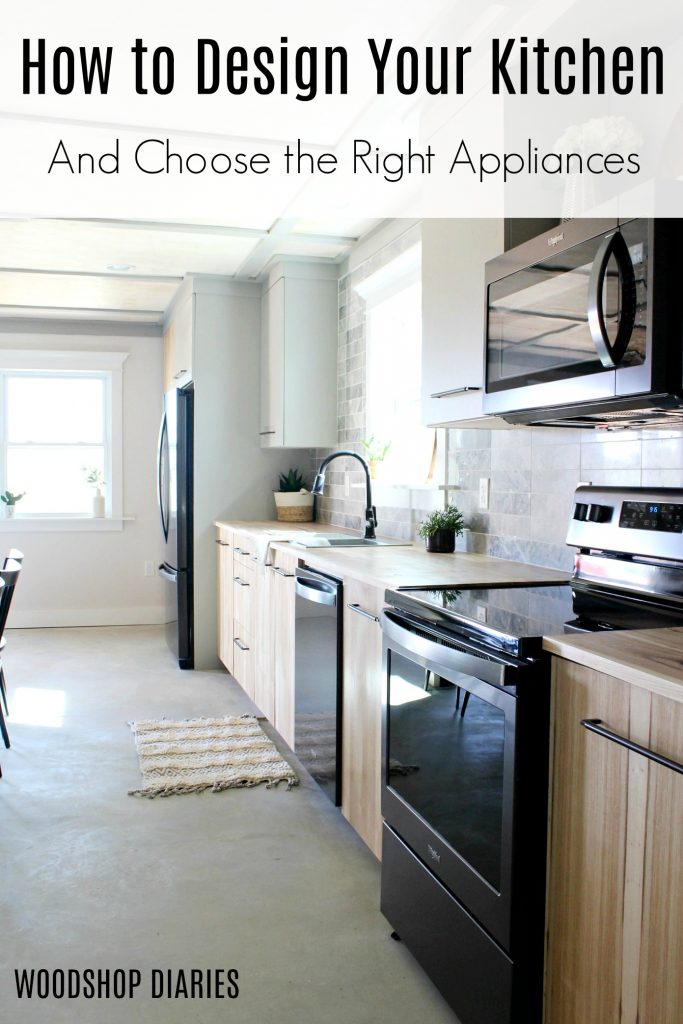
Plan installation: measure routes and confirm hookups. Ask about professional installation and follow recommended maintenance. Regular care extends life and performance.
Think long term when you pick appliances and learn how to choose kitchen appliances that are easy to service. My rule: choose items with simple parts and wide support to avoid long waits for repairs.
Where to Buy and Timing Your Purchase
Compare local dealers, big-box stores, and online sellers. Ask about delivery, haul-away, and installation fees. Watch sales cycles: holidays and model-year rollovers offer good deals.
How to choose kitchen appliances can be cheaper if you time purchases around sales. Also, bundle deals often save on delivery and installation costs.
Buying Checklist and Final Tips
Use a checklist to avoid mistakes. Include model numbers, measurements, price, warranty, and delivery date. Confirm return policy and who pays for installation errors.
Practical tips based on experience:
- Inspect finishing and seams in person when you can.
- Ask about energy use and expected lifespan.
- Match heights and finishes for a cohesive look.
- Keep installation and service receipts in one folder.
- Test newly installed appliances within the return window.
How to choose kitchen appliances becomes easier with a checklist and a calm plan.
Frequently Asked Questions of how to choose kitchen appliances
What is the first step when choosing kitchen appliances?
Measure your space and define how you use the kitchen. That tells you what size and type of appliances work best.
Should I buy energy-efficient appliances?
Yes. Energy-efficient models can lower utility bills and often last longer. Consider lifetime cost, not just purchase price.
How do I pick between gas and electric stoves?
Choose based on cooking style, fuel availability, and budget. Gas offers instant heat control; electric and induction are easier to clean and may be more efficient.
Is it better to buy matching appliance sets?
Matching sets look cohesive but cost more. Mix and match for function and save on price if styles still coordinate.
How long should I expect appliances to last?
Major appliances often last 10 to 15 years with care. Quality, maintenance, and usage affect lifespan.
Do smart features matter in appliances?
Smart features help if you value remote control or monitoring. They add cost and can be less useful if you prefer simple controls.
Conclusion
Choosing the right appliances starts with honest needs, careful measuring, and a clear budget. Focus on items you use daily, check energy and service, and keep practicality above trends. Use the checklist, compare options, and test features when possible to make smart picks.
Take action now: measure your space, write a priority list, and shop with the checklist. Share your experience or questions below, and subscribe for more guides and tips on kitchen upgrades.