Which Cooking Tools Last Longest: Top Picks That Endure
Cast iron, stainless steel, and quality carbon steel cookware last the longest with basic care.
As a chef and longtime tester of kitchen gear, I’ll explain which cooking tools last longest, why they outlive others, and how to pick and care for them so they serve you for years. Read on for practical tips, real-world lessons, and clear buying guidance to help you invest in tools that truly stand the test of time.
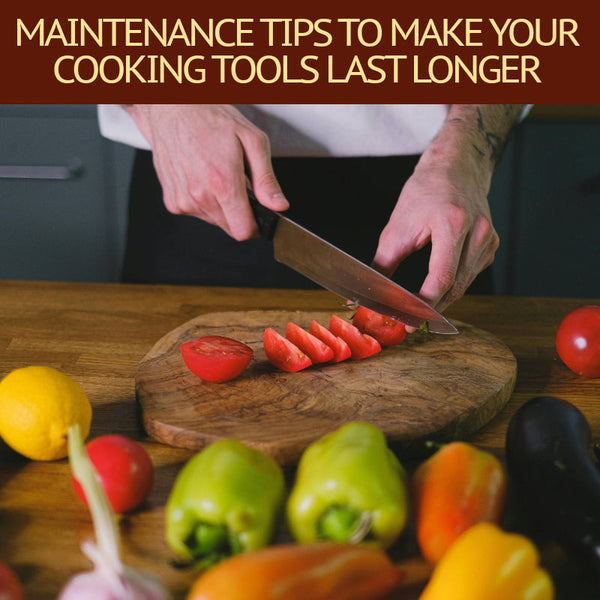
How durability is measured for cooking tools
Durability means different things for different tools. For pans and pots it means resistance to warping, rust, and coating failure. For knives it means edge retention and how often you need to sharpen. For wooden tools it means resistance to cracking and odor.
Key factors that determine which cooking tools last longest include:
- Material strength and corrosion resistance.
- Construction quality, such as welds, rivets, and thickness.
- Surface treatments and coatings.
- How the tool is used and maintained.
Understanding these points makes it easier to choose gear built to last. Which cooking tools last longest depends on both materials and care.

Top materials and tools that last longest
Below are the materials and specific tools that consistently rank highest for longevity. I list lifespan estimates, pros and cons, and simple care tips from years in restaurants and home kitchens.
Cast iron pans and skillets
Cast iron often lasts for decades. With regular seasoning, a skillet can be family heirloom material. I still use a cast iron pan I bought 15 years ago for searing and oven work.
Pros
- Extremely durable and heat tolerant.
- Builds a natural nonstick layer when seasoned.
- Repairable if rust appears.
Cons
- Heavy and needs seasoning.
- Reactive with acidic foods if not well seasoned.
Care tip: Rinse with hot water, dry thoroughly, and rub a thin layer of oil after each use. Which cooking tools last longest? Cast iron is near the top for cookware longevity.

Stainless steel cookware
High-grade stainless steel is tough and low maintenance. A good 18/10 stainless pot can last 20+ years if you avoid harsh scrubs that pit the surface.
Pros
- Non-reactive and low maintenance.
- Dishwasher-safe in many cases.
- Resists rust and corrosion.
Cons
- Food can stick if you use too-low heat.
- Cheap stainless can warp or discolor.
Care tip: Use moderate heat and a soft scrub; for burnt food, soak in warm water. Stainless steel is one of the best answers to which cooking tools last longest for everyday pots and pans.

Carbon steel pans
Carbon steel sits between stainless and cast iron in feel and maintenance. Pro chefs favor it for its heat response and long life.
Pros
- Heats quickly and evenly.
- Lighter than cast iron but still durable.
- Can be seasoned like cast iron.
Cons
- Prone to rust without care.
- Requires regular seasoning.
Care tip: After use, wipe clean, dry fast, and oil lightly. Carbon steel ranks high among which cooking tools last longest for professional use.

Copper cookware
Copper heats very evenly and lasts a long time when lined with stainless or tin. It needs polishing, but it can survive decades.
Pros
- Superb heat control.
- Lasts for generations with recoating or relining.
Cons
- Expensive and requires upkeep.
- Bare copper is reactive, so lining is necessary.
Care tip: Polish as needed and reline by a pro if lining wears thin. Copper often ranks when people ask which cooking tools last longest if maintained.

High-quality kitchen knives (forged steel)
A well-made forged knife can last a lifetime. With regular honing and occasional professional sharpening, knives remain useful for decades.
Pros
- Edge retention and balance in forged blades.
- Repairable and re-sharpenable many times.
Cons
- Low-quality stamped blades dull quickly.
- Neglect leads to rust or chips.
Care tip: Hand wash and dry, hone frequently, and send out for sharpening as needed. Good knives are a prime example of which cooking tools last longest in the cutlery category.

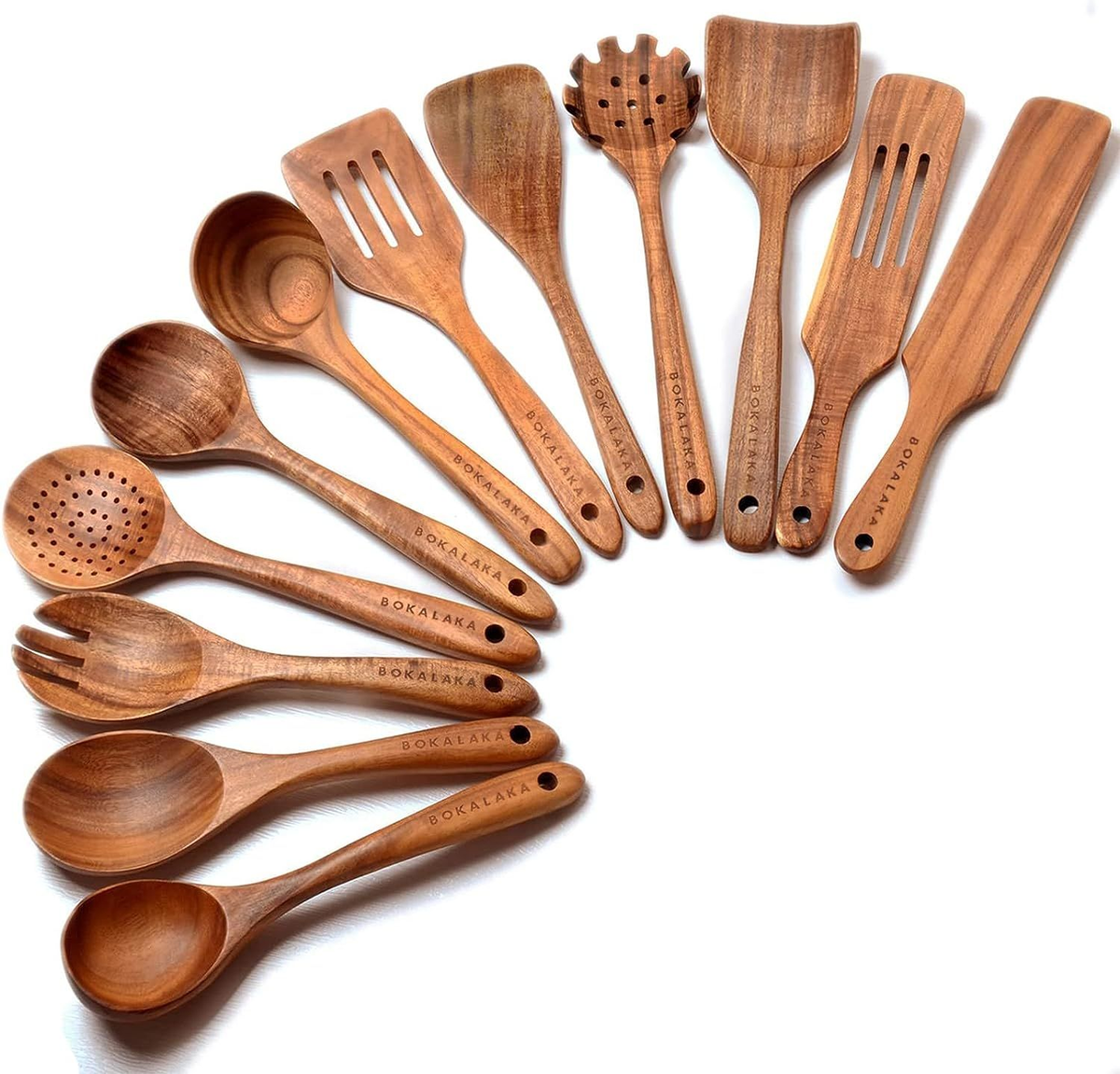
Wooden utensils and cutting boards
Hardwood boards and utensils can last many years with oiling and proper care. I still use a wooden spoon from my first apartment that shows character but no failure.
Pros
- Gentle on knife edges and long-lasting.
- Can be sanded and refinished.
Cons
- Can crack or warp if left wet.
- Can harbor bacteria if neglected.
Care tip: Dry upright and oil with food-safe mineral oil monthly. Wood is a durable choice when asking which cooking tools last longest for utensils.
High-heat silicone and heavy-duty utensils
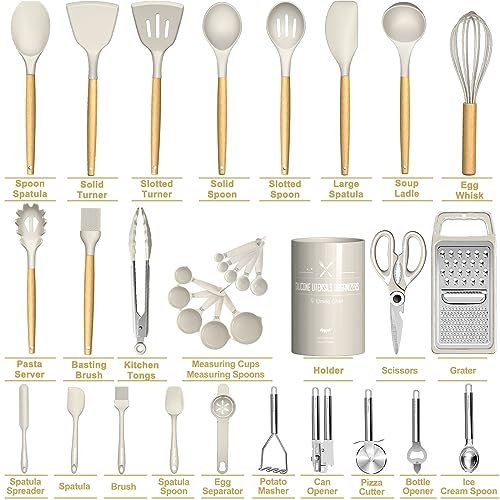
Silicone tools don’t rust and are heat resistant. Cheap silicone fails, but premium silicone with solid cores can last many years.
Pros
- Heat and stain resistant.
- Flexible and safe for nonstick surfaces.
Cons
- Low-quality silicone can get sticky or crack.
- Not as repairable as metal or wood.
Care tip: Choose tools rated for high heat and replace if they crack. Silicone is often on the list when people wonder which cooking tools last longest for nonreactive utensils.

Stoneware and fired ceramic
Good-quality stoneware and ceramic last a long time for baking and serving. They resist scratching but can chip if dropped.
Pros
- Stable non-reactive surface.
- Long lifespan with normal use.
Cons
- Brittle — can chip or crack from thermal shock.
- Glaze may wear over many years.
Care tip: Avoid sudden temperature changes and store carefully. Stoneware is durable in many kitchens and appears on lists of which cooking tools last longest for baking pieces.
How to choose tools for longevity
Choosing well matters more than price alone. Look for these signs when deciding which cooking tools last longest.
- Thick gauge metal in pans for even heat and less warping.
- Fully forged knife construction and full tang for durability.
- Welded handles or stainless rivets rather than glued parts.
- Warranties and brand reputation for long-term support.
- Simplicity: fewer moving parts mean fewer failure points.
I once bought a low-cost pan that warped in a month. After that, I prioritized build and thickness. That experience taught me that spending a bit more up front usually saves money and waste in the long run. Which cooking tools last longest are usually those built with solid joins and thick materials.
Care and maintenance to extend lifespan
Even the best tools need care. Proper use and simple upkeep often double a tool’s lifespan.
Routine care tips
- Hand wash when possible and avoid harsh detergents.
- Dry metal tools completely to prevent rust.
- Season cast iron and carbon steel regularly.
- Hone knives weekly and sharpen when needed.
- Oil wooden boards and spoons with mineral oil.
- Store tools to avoid nicks, dents, and chips.
Avoid these mistakes
- Putting thin pans on high heat until they warp.
- Using metal on fragile nonstick surfaces.
- Letting wet wood sit in a sink.
A few small habits make a big difference. I sharpen knives less often now because I learned to hone correctly and store them safely. That kind of care directly affects which cooking tools last longest and how well they perform.
Cost versus lifespan: when to invest
Think of cost per year, not just sticker price. Here are rough lifespan ranges and value notes.
- Cast iron: 30+ years; cost per year often pennies with care.
- Stainless steel pots: 10–30 years; high value if full-clad construction.
- Carbon steel pans: 20+ years with seasoning.
- High-end knives: lifetime with periodic sharpening.
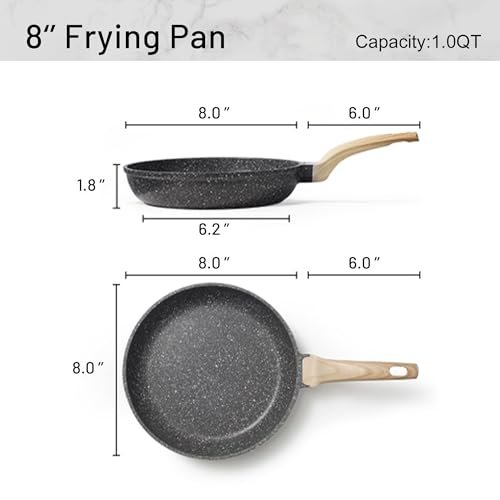
- Cheap nonstick pans: 1–5 years; often the worst value long-term.
Example: A $100 cast iron skillet used weekly over 30 years equals about $0.28 per month. A $30 nonstick pan that lasts two years equals $1.25 per month. This math shows why understanding which cooking tools last longest can steer your buying choices.
Personal lessons and real-use tips
From years in kitchens, I share what I learned the hard way. These are practical, no-nonsense tips.
- Buy the best knife you can afford and learn to sharpen it.
- Skip thin, lightweight pans; they rarely last.
- Look for replaceable parts like rivets and handles.
- Keep a small ritual: oil wood, dry cast iron, and check knife edges weekly.
One personal note: I gifted a cast iron pan to a friend on her wedding day. Years later she handed it back to me—still in heavy use. That kind of longevity is what makes some tools worth buying. Which cooking tools last longest is often a matter of materials plus simple, steady care.
Frequently Asked Questions about which cooking tools last longest
What cookware material lasts the longest?
Cast iron and high-quality stainless steel are top choices for longevity. Carbon steel also lasts long with regular seasoning and care.
Do nonstick pans ever last long?
Most nonstick pans wear faster than metal pans, typically 1–5 years. High-end ceramic-coated pans can last longer but still need gentle care.
Can I make cheap tools last longer?
Yes, proper use and careful maintenance can extend life, but low-quality construction often limits how long tools can last. Investing in better build quality yields better long-term results.
Is it worth repairing old cookware?
Often yes. Re-tinning, re-lining, and professional sharpening can restore older pieces and extend useful life by years. Repairing is usually cheaper and greener than replacing.
How important is maintenance for durability?
Very important. Simple habits like drying metal, oiling wood, and seasonings for iron and steel have a big impact on lifespan. Consistent care often doubles how long a tool will last.
Conclusion
Choosing which cooking tools last longest comes down to material, build quality, and steady care. Cast iron, stainless steel, carbon steel, and forged knives consistently outlast cheaper options when treated right. Adopt simple habits like drying, oiling, and correct storage to get the most life from your gear.
Take action today: check the tools you use most, invest in one high-quality piece, and add a short care routine. You’ll save money and enjoy better cooking. If you found this helpful, leave a comment with the tool you want to make last longer or subscribe for more practical kitchen advice.