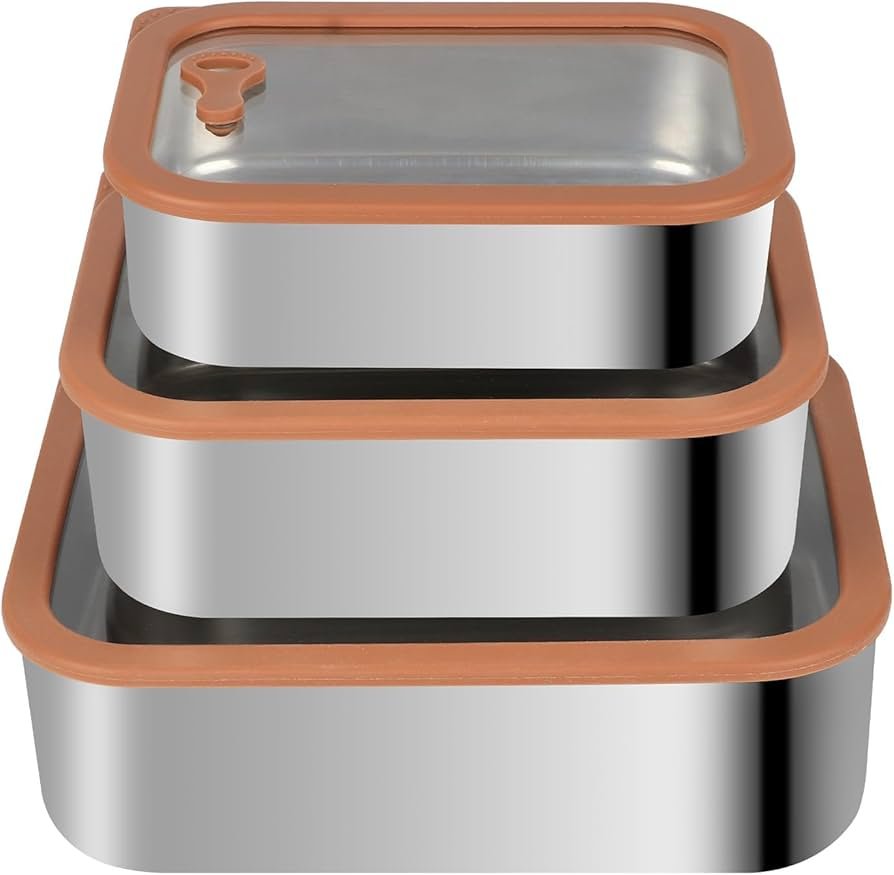
Why Food Storage Containers Smell: Fixes And Prevention
Odors come from trapped food molecules, oils, bacteria, and porous container materials.
I’ve cleaned hundreds of containers and studied kitchen odor science. This guide explains why food storage containers smell, how smells form, and reliable ways to stop them. Read on for practical fixes, simple tests, and tips I use when a plastic or glass box still smells like last week’s curry.

What causes odors: the basics of why food storage containers smell
Smell starts with tiny molecules that evaporate from food. These volatile molecules stick to surfaces. Over time they build up and release smell back into the air.
Common culprits include oils, spice compounds, and sulfurous bits from cooked onions or eggs. Leftover bits and tiny cracks trap these molecules. Warm, damp conditions make smells worse.
Why food storage containers smell is a mix of chemistry and material science. Understanding both helps you fix the problem fast.
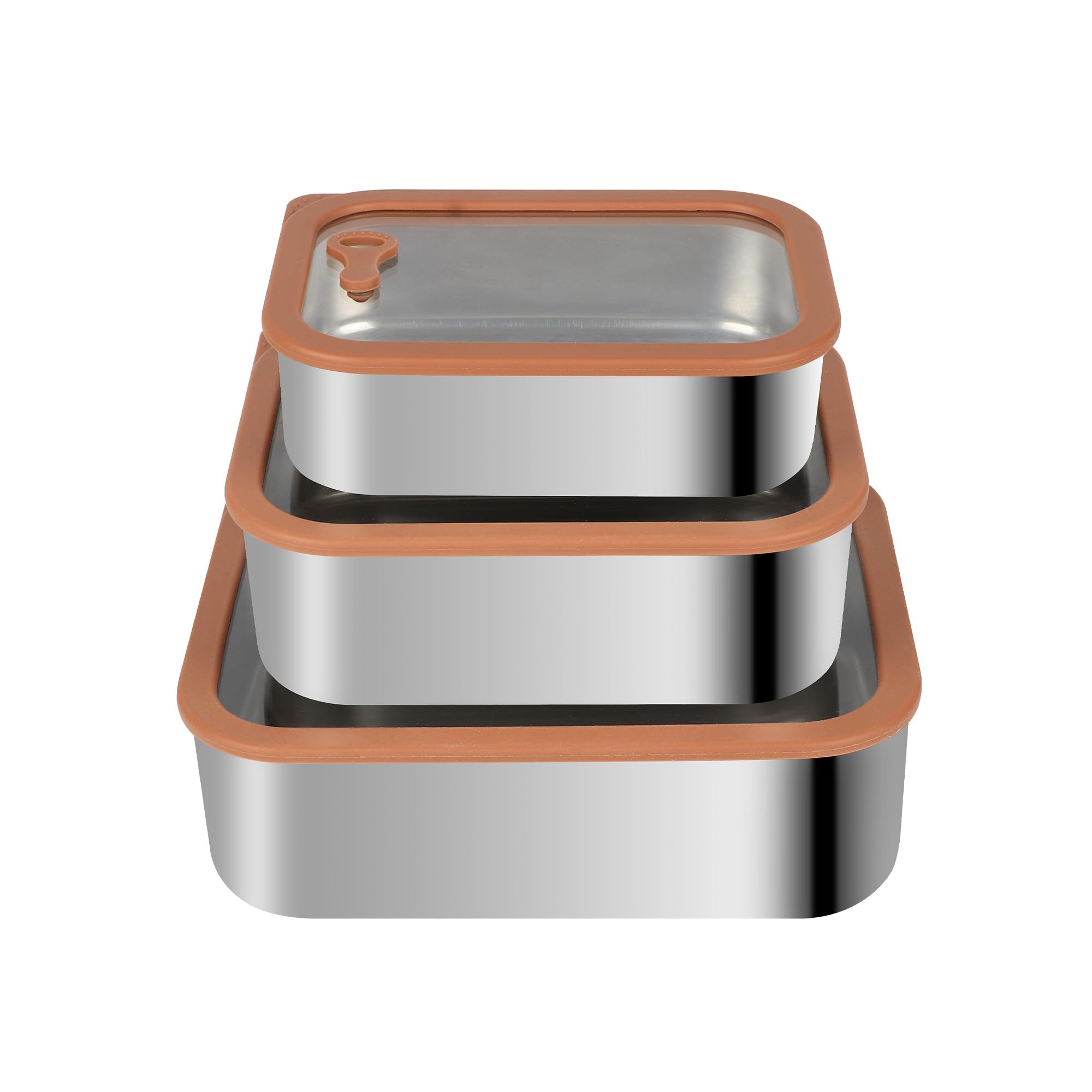
How materials affect odor: plastic, glass, and silicone
Different materials trap odor differently.
- Plastic absorbs oil and spices. This is why plastic often keeps smells longer.
- Glass does not absorb odors easily but can trap residues in stains or lids.
- Silicone can hold odors in its porous texture and seams.
I once used a plastic container for tomato sauce. Even after washing, the container smelled until I used a baking soda soak. That taught me how plastic holds on to volatile molecules.
Why food storage containers smell often depends on the material. Knowing the material helps you pick the right cleaning method.
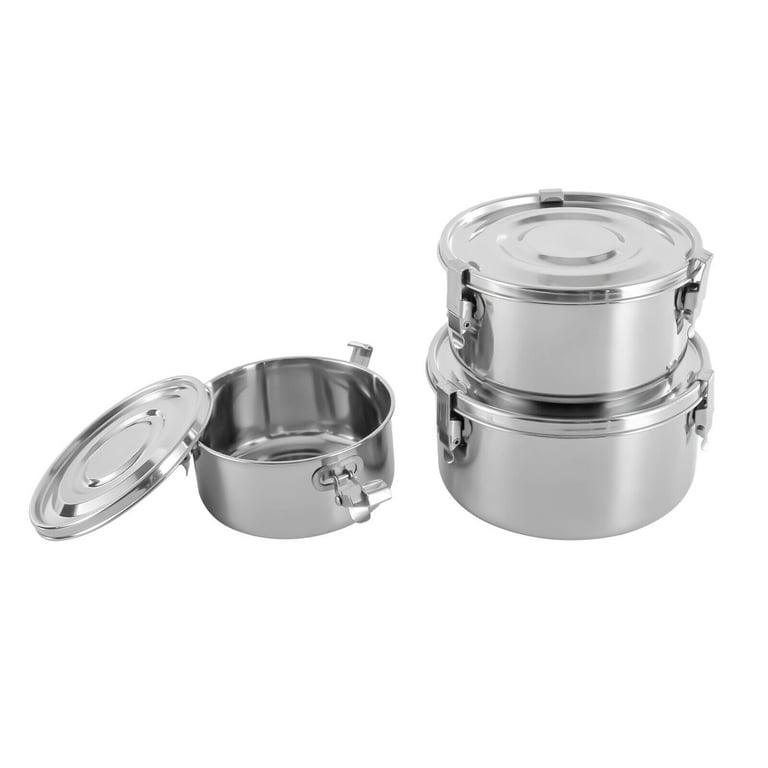
Food chemistry: which foods leave stubborn smells
Some foods are extra likely to make containers smell.
- Garlic, onions, and shallots release sulfur compounds that stick to surfaces.
- Spices like curry have oil-soluble aroma molecules that cling to plastic.
- Fish and fermented foods can leave long-lasting odors and strong volatile compounds.
These molecules can remain even after visible food is gone. This explains why you sometimes find lingering smell even after a dishwasher cycle.

Microbes, mold, and trapped residues
Bacteria and mold feed on food residue. They can create odorous byproducts.
- Anaerobic bacteria produce sulfur and fatty acids that smell bad.
- Mold can create musty, earthy odors in lids and seals.
- Tiny crumbs in crevices are a steady food source for microbes.
I once left a container with a small amount of milk in the seal. It sat overnight and smelled sour the next day. Quick drying and cleaning would have prevented it.
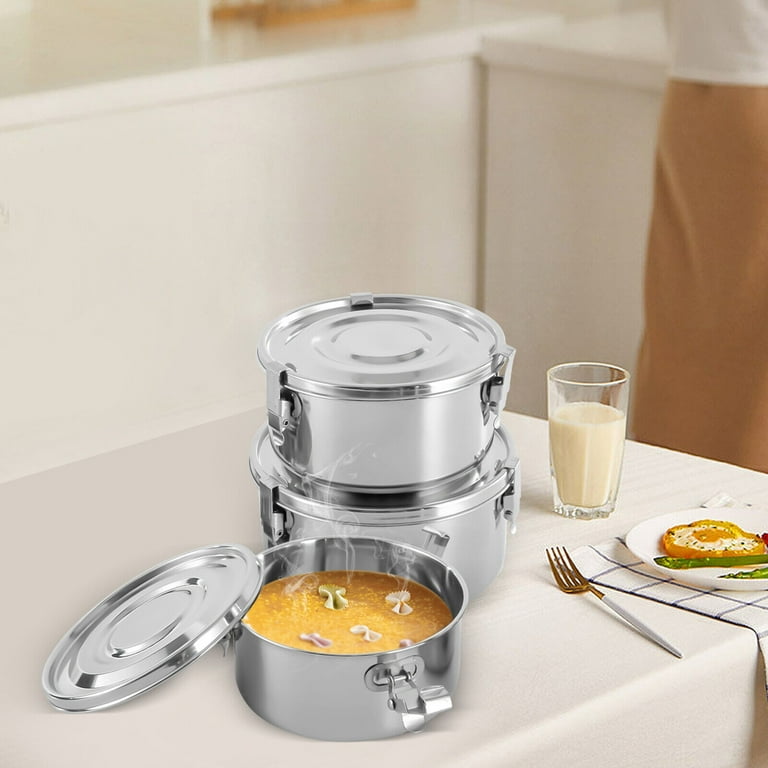
How heat and storage conditions make smells worse
Heat speeds up evaporation of odor molecules. That makes the smell stronger.
- Hot food put into a container without cooling causes steam and trapped odor.
- Storing damp containers in closed cabinets lets smells concentrate.
- Sun and heat can also break down plastics, creating new smells.
Cool, dry storage and letting food cool before sealing will reduce why food storage containers smell.

Quick cleaning and odor removal steps you can do today
Follow these simple steps to remove smells fast.
- Rinse out food bits right after use. This prevents residue build-up.
- Wash with hot, soapy water and a scrub brush. Focus on seams and lids.
- Air dry fully before closing. Moisture fuels microbes and odors.
I do these things every day. They stop most problems and make deeper cleaning rare.
Deep cleaning methods that actually work
Use targeted methods for tough smells.
- Baking soda soak: Fill with warm water, add 2 tablespoons of baking soda, soak overnight, then rinse.
- White vinegar rinse: Mix equal parts water and vinegar and soak for an hour, then wash.
- Sun and air: Leave lids open in the sun for a few hours to help break down smells.
- Activated charcoal or coffee grounds: Place inside closed container for 24–48 hours to absorb odors.
- Dishwasher: Use a high-heat cycle if the container is dishwasher-safe. Heat helps remove oils.
Avoid mixing bleach with vinegar. That creates dangerous fumes. These methods explain why food storage containers smell and how to fix them.

Preventive tips to stop smells from returning
Simple habits prevent future odors.
- Cool food before sealing containers. Heat traps steam and smells.
- Use glass for highly aromatic foods when possible. Glass resists absorption.
- Remove lids during drying. Lids trap moisture and smell.
- Rotate containers and avoid long-term storage of strong-smelling foods.
- Use airtight bags for marinated or very aromatic food.
These steps reduced smells significantly in my kitchen. Small changes make a big difference in why food storage containers smell less often.

When to replace containers
Some containers never fully lose odor. Know when to toss them.
- Deep staining or warping that traps food bits.
- Persistent smell after several deep cleans.
- Cracked lids, torn seals, or permanent discoloration.
If a container still smells after vinegar, baking soda, sunlight, and charcoal, it may be time to replace it. Choosing higher-quality materials can prevent repeat problems.
My personal tests and mistakes to avoid
I learned the hard way with low-cost plastic. I stored curry in a cheap tub and tried only soap and water. The smell returned every time.
Lessons I learned
- Do a deep clean right away when a smell appears.
- Avoid storing very hot food in plastic.
- Label and separate containers used for fish or strong spices.
- Invest in a few glass containers for heavy-smelling meals.
These small changes saved time and reduced waste in my kitchen.
Expert tips and professional cleaners
For commercial or stubborn cases, consider these options.
- Enzyme cleaners break down organic residues at a molecular level.
- Denture-cleaning tablets can help remove stains and odor in small runs.
- Professional-grade activated carbon filters remove volatile compounds in storage areas.
Be mindful of safety and follow product instructions. These tools explain why food storage containers smell and how professionals treat it.
Frequently Asked Questions of why food storage containers smell
Why do plastic containers smell more than glass?
Plastic is porous at a microscopic level and absorbs oil-based molecules. Glass is non-porous and less likely to hold odors.
Will baking soda remove all smells?
Baking soda absorbs many odors but not all. Use it with other methods like vinegar or sunlight for tough smells.
Can I put smelly containers in the dishwasher?
Yes, if they are dishwasher-safe. Use a high-heat cycle and leave lids off to dry completely.
Is it safe to use bleach to remove odor?
Bleach can disinfect but should not be mixed with vinegar. Use it sparingly and rinse thoroughly to avoid fumes.
How long does it take for odors to disappear naturally?
Air and sunlight can reduce smells in a few hours to a couple of days. Strong, oil-based odors may take longer or need active treatment.
Conclusion
Smells in kitchen boxes come from food molecules, oils, microbes, and porous materials. You can fix most problems with hot water, baking soda, vinegar, sunlight, and good drying habits. For stubborn odors, use activated charcoal, enzyme cleaners, or replace the container. Start by cleaning and drying right away, choose glass for strong foods, and test a deep clean before tossing a container. Try these tips and share what works for you — leave a comment, subscribe, or test one method this week to see how it improves your kitchen.