When To Use Airtight Containers: Smart Storage Tips
Use airtight containers whenever you need to keep food fresh, dry, odor-free, or pest-free.
I have spent years testing kitchen gear and using airtight solutions at home and in small food businesses. I know when to use airtight containers to extend shelf life, reduce waste, and keep flavors true. This guide explains clear, practical rules you can use today. Read on to learn which foods and situations benefit most from airtight storage, how to pick the right container, safety tips, and real-life lessons from my experience.
Why airtight containers matter
Airtight containers cut air, moisture, and bugs. That slows spoilage and staleness. They also lock in flavor and stop smells from mixing. I have saved weeks of food by switching to airtight jars and boxes. Knowing when to use airtight containers helps you save time and money.
Common situations: when to use airtight containers
Below are clear scenarios where airtight storage makes a big difference.
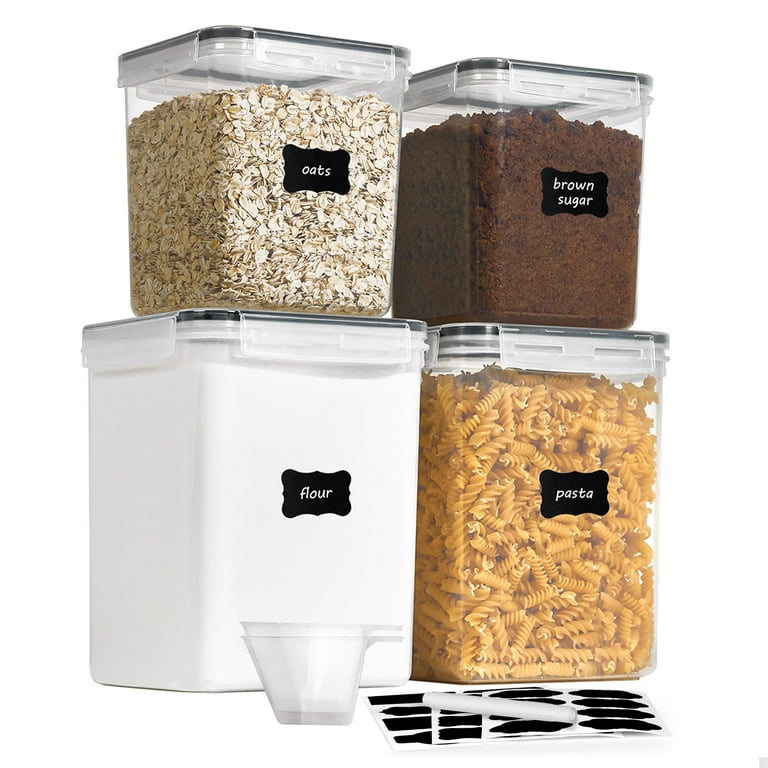
- Pantry staples like rice, flour, and sugar. Store in airtight bins to stop bugs and clumping.
- Coffee and tea. Use airtight tins to keep aroma and prevent rancidity.
- Leftovers and meal preps. Seal in airtight containers to extend fridge life by days.
- Freezer storage. Use airtight, freezer-safe containers to avoid freezer burn.
- Baking mixes and spices. Airtight jars keep powders dry and flavors intact.
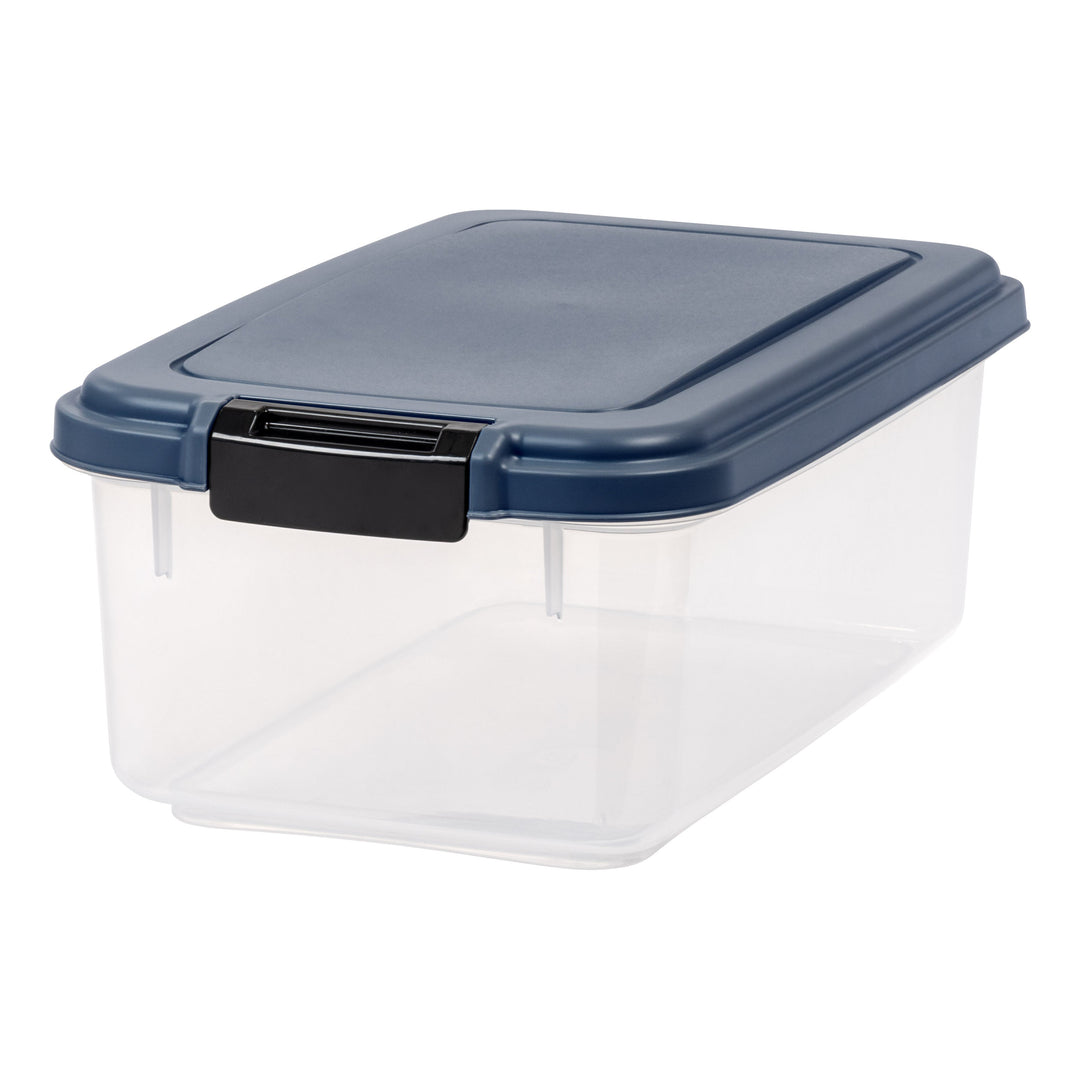
- Pet food. Keep dry kibble in airtight tubs to keep pests and humidity out.
- Travel and lunches. Airtight boxes prevent spills and odor leaks.
- Nonfood items like craft supplies and screws. Airtight boxes keep parts clean and dry.
I use airtight containers for all of these at home. They cut waste and cut anxiety about food safety. Knowing when to use airtight containers makes small kitchens feel organized.

How to choose the right airtight container
Pick the right type and size for the job.
- Choose material by use
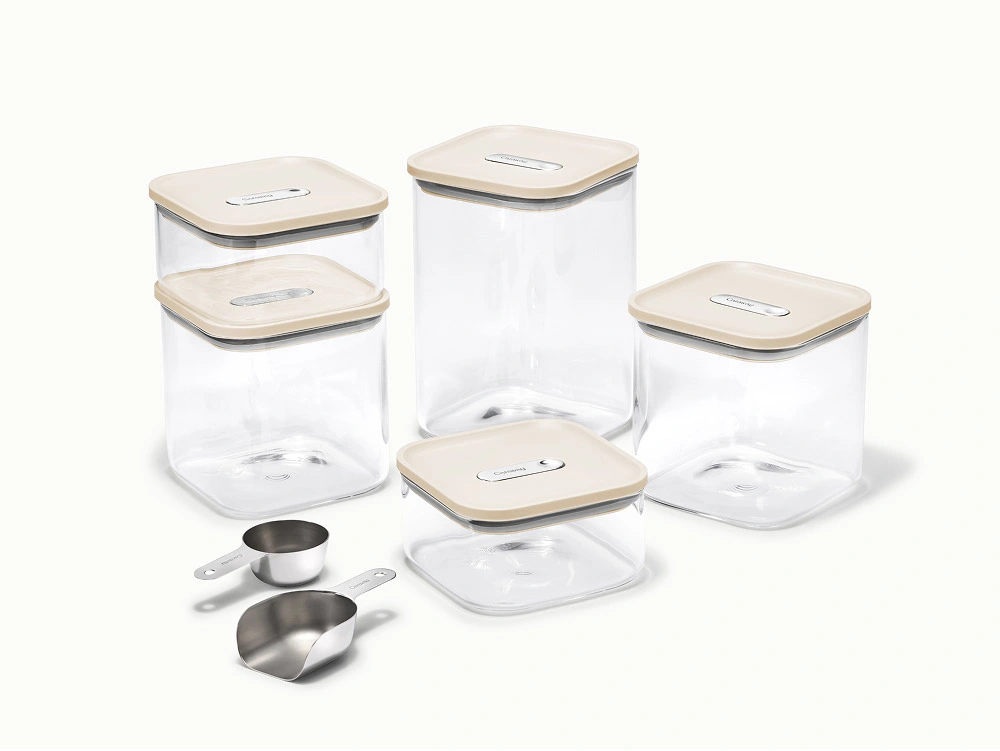
- Glass: Best for long-term food, oven-safe, and stain-free.
- Plastic: Light and cheap; choose BPA-free and food-grade.
- Stainless steel: Durable and great for travel, not see-through.
- Silicone: Flexible lids and seals for varied shapes.
- Check the seal
- Look for silicone gaskets and tight-lock lids.
- Test for leaks by inverting with water.
- Size and shape
- Use wide-mouth jars for scooping.
- Use stackable boxes to save space.
- Extras to consider
- Measurement marks make portioning easy.
- Vacuum lids add extra freshness for some foods.
I learned to match container type to food. For coffee I use a small glass jar. For rice I use a large plastic bin. When to use airtight containers depends on material choice and the food you store.

Materials, safety, and food types
Not all airtight containers are equal. Material matters for safety and use.
- Glass
- Nonreactive and safe for acidic foods.
- Good for long-term storage and for reheating in the microwave.
- Plastic
- Light and affordable.
- Avoid plastics that are not labeled food-safe or BPA-free.
- Stainless steel
- Strong and odor-resistant.
- Not microwave-safe.
- Silicone
- Flexible and space-saving.
- Great lids and gasket options.
Certain foods demand extra care. Use glass for tomato sauces that are acidic. Choose freezer-safe containers for frozen goods. When to use airtight containers often comes down to whether the item might react with the container material. Always check manufacturer labels for temp and food safety.

Cleaning, labeling, and maintenance tips
Good care keeps airtight containers working well.
- Clean thoroughly
- Wash lids and gaskets to remove oil and crumbs.
- Hand-wash seals when possible to preserve tightness.
- Dry fully
- Moisture trapped inside can cause mold.
- Air-dry jars upside down before sealing.
- Label and date
- Add content and date with a marker or label.
- Rotate older items to use them first.
- Avoid strong odors
- Store onions or fish in double-sealed containers to block smell.
- Use baking soda to remove lingering odors from plastic.
- Replace worn seals
- Gaskets lose elasticity over time.
- Replace them to keep containers airtight.
From my experience, labels saved me from throwing out old items. I also learned to check seals every few months. Knowing when to use airtight containers includes caring for them right.
When not to use airtight containers
Airtight is not always best. Avoid airtight seals for:
- Freshly cooked hot foods
- Trap steam and cause sogginess or bacterial growth.
- Cool food first before sealing.
- Fermenting foods
- Use airlock systems or loose lids to let gases escape.
- Some fresh produce
- Ethylene-producing fruits like apples and bananas do better with vented storage.
- Living plants or mushrooms
- They need air flow to stay fresh.
I once sealed hot soup tightly and it soured faster than expected. That taught me to always cool food before sealing. Understand when to use airtight containers and when to let food breathe.

Common mistakes and how to avoid them
Avoid these errors I have made and fixed.
- Sealing hot food
- Mistake: trapping steam and inviting bacteria.
- Fix: cool to room temp or chill before closing.
- Using the wrong material
- Mistake: storing acidic food in reactive metal.
- Fix: choose glass or food-grade plastic for acidic items.
- Ignoring seals
- Mistake: using cracked lids that leak.
- Fix: test lids and replace gaskets yearly.
- Overfilling
- Mistake: not leaving headspace for expansion in the freezer.
- Fix: leave small gap to prevent cracked containers.
These small fixes saved me food and money. Learn when to use airtight containers and avoid these simple errors.

Practical examples and use-case checklist
Apply this checklist to decide when to use airtight containers.
- Are you storing dry goods long term? Use airtight.
- Is the item oily or aromatic? Use airtight to stop odor spread.
- Will it be frozen? Use airtight and freezer-safe.
- Does the item produce gas? Do not fully seal.
- Is it acidic or reactive? Choose glass or safe plastic.
In my bakery, switching to labeled airtight bins cut waste by almost half. Use this checklist when you wonder when to use airtight containers.

Frequently Asked Questions of when to use airtight containers
How long do foods last in airtight containers?
Shelf life varies by food. Dry goods last months to years. Cooked food keeps longer in airtight containers, but still follow fridge guidelines.
Can I store fresh fruit in airtight containers?
Some fruit stores fine for short term. Ethylene-producing fruit may ripen faster in sealed containers. Use vented storage for those.
Are airtight containers microwave-safe?
Some are, some are not. Check the label for microwave-safe and remove metal parts before heating. Glass is usually safe if labeled.
Do airtight containers prevent freezer burn?
They help a lot when truly airtight and freezer-safe. Also wrap items and remove excess air for best results.
How should I clean gaskets and seals?
Hand wash gaskets in warm soapy water and dry fully. Replace them if they crack or lose elasticity.
Can I vacuum seal in regular airtight containers?
Most regular airtight containers are not true vacuum systems. Use vacuum-capable lids or a vacuum sealer for full air removal.
Is it okay to stack airtight containers?
Yes, if they are stable and designed to stack. Avoid too much weight to prevent lid warping. Stackable containers save space.
Conclusion
Airtight containers are a simple tool that can save food, time, and money. Use them for dry goods, coffee, leftovers, freezer items, and anything you want kept dry and fresh. Avoid airtight seals when food needs to release gas or when food is hot. Test seals, choose the right material, and keep containers clean. Try one small swap today: put your rice or coffee in an airtight jar and note the difference. If you found this helpful, leave a comment or subscribe for more practical tips on smart storage and kitchen habits.