When Should You Replace Old Kitchen Items: Signs And Tips
Replace worn, cracked, or unsafe items now; follow timelines for hygiene and performance.
I have spent years testing kitchen gear, swapping out items that fail, and teaching others how to tell when a tool is past its prime. This guide explains when you should replace old kitchen items, why timing matters, and how to do it without wasting money or the planet. You will get clear signs, timelines for common items, safety and hygiene rules, personal tips from my experience, and smart buying advice to keep your kitchen safe and efficient. Read on and learn exactly when to act and how to choose replacements that last.

How to decide when to replace kitchen items
Deciding when to replace old kitchen items starts with three simple checks: safety, function, and hygiene. If an item is unsafe, stops working well, or harbors bacteria you cannot remove, replace it.
Look for these clear signs:
- Visible cracks, chips, or rust on surfaces that touch food.
- Warping, broken handles, or parts that no longer fit.
- Persistent stains, odors, or discoloration after cleaning.
- Loss of nonstick coating or deep scratches on knives and boards.
- Appliances that overheat, spark, or leak water.
I once kept a chipped mug until it cut my lip. That taught me the rule: small damage can cause big harm. Trust what you see and feel. If cleaning does not restore the item, it’s time to replace it.
:max_bytes(150000):strip_icc()/fw-roundup-fall-cleaning-kitchen-upgrades-under-dollar25-tout-4eb3960920d8404eb9dc179d6d9df756.jpg)
Common kitchen items and replacement timelines
Below are typical replacement timelines and signs for the most common kitchen items. Use these as guides, not strict rules. Conditions and use frequency matter.
Cookware and pots
- Replace every 5–15 years for stainless steel; sooner if warped or pitted.
- Replace nonstick pans every 2–5 years or when coating flakes or peels.
- Signs to replace: warped base, coating damage, hot spots, or loose handles.
Frying pans (nonstick)
- Replace every 2–3 years with heavy use.
- If food sticks or the coating shows scratches, replace immediately.
- Never use metal utensils on damaged nonstick pans.
Knives
- Replace or rehome thin, rusted, or broken knives.
- Many good knives last decades with care. Replace cheap knives every 2–5 years if edges fail.
- Signs to replace: chips in the blade, handle splits, or wobbling tang.
Cutting boards
- Replace wooden boards when they develop deep grooves or an odor you can’t remove.
- Replace plastic boards once they have deep cuts that trap bacteria.
- Typical timeline: wood 3–10 years, plastic 1–5 years depending on use.
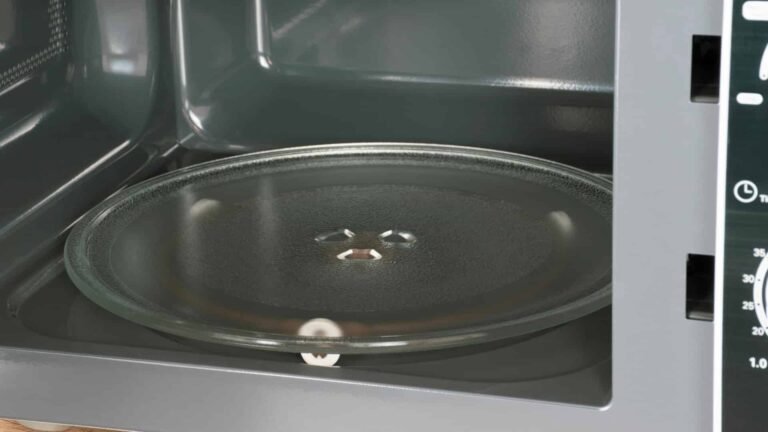
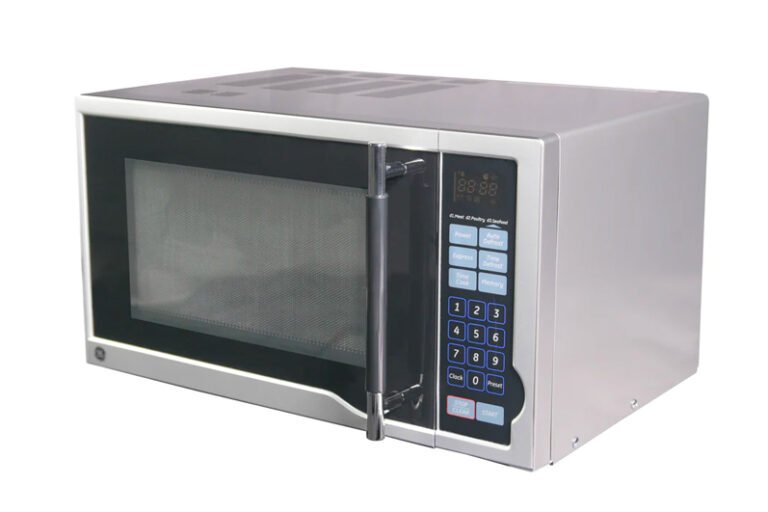
Small appliances (toasters, microwaves, blenders)
- Replace when performance drops, sparks appear, or electrical faults occur.
- Many appliances last 5–10 years. Replace sooner if repairs cost more than half the price of a new unit.
- Watch for frayed cords or faulty switches.
Dish towels, sponges, and scrubbers
- Replace sponges and dishcloths every 1–2 weeks for hygiene.
- Replace dish towels every few months or when stained and slimy.
- Sponges can harbor bacteria fast. I switched to washable microfiber and replace often.
Bakeware and sheet pans
- Replace when warped, rusted, or nonstick surfaces peel.
- Carbon steel and aluminum pans can last many years if deformed parts are discarded.
Glassware and dishes
- Replace chipped or cracked glass and dishes immediately to avoid cuts and bacterial traps.
- Replace cloudy glassware used for hot drinks if it shows stress cracks.
Food storage containers
- Replace plastic containers when stained, warped, or oddly smelling.
- Replace lids that no longer seal. Consider switching to glass for longevity.
Measuring tools and thermometers
- Replace thermometers if they give inconsistent readings.
- Replace warped measuring cups until they measure reliably.
When should you replace old kitchen items? Use timelines above and look for the signs listed. If an item fails a safety or hygiene check, replace it now.
Safety and hygiene reasons to replace items
Hygiene and safety are the main drivers for replacing kitchen tools. Old items can hide bacteria or fail in ways that cause injuries.
Key reasons to replace:
- Cracks and scratches trap bacteria and make sanitation hard.
- Flaking coatings can contaminate food.
- Rust introduces metal into meals and weakens the item.
- Loose handles and broken parts can cause spills, burns, or cuts.
- Faulty appliances can cause fires or electric shocks.
Studies and food safety guidance show that boards and sponges are hotspots for bacteria. I learned to toss sponges fast after an upset stomach once. Safer habits protect your family.

How to prolong life and make replacements wisely
Replacing less often is possible when you care for items. Good care reduces waste and saves money.
Simple care tips:
- Hand wash quality cookware when possible and dry it promptly.
- Use cutting boards properly: one for raw meat, one for produce.
- Sharpen knives regularly to reduce stress and cuts.
- Store stainless steel and cast iron dry to avoid rust.
- Follow manufacturer cleaning steps for nonstick and appliances.
When buying replacements:
- Prioritize quality over price for items you use daily.
- Choose repairable brands and simple designs that last.
- Buy multi-use tools to reduce clutter and waste.
From my experience, a good knife and a sturdy pan saved me money long term. I replaced cheap sets frequently until I invested in quality basics.

Budget-friendly and sustainable replacement strategies
You do not need to replace everything at once. Use this plan to update items affordably and sustainably.
Step-by-step approach:
- Prioritize safety items first: knives, cutting boards, broken glass.
- Replace daily-use items next: pans, a favorite pot, a reliable knife.
- Delay less-used items until you find good replacements.
- Repair when possible: tighten handles, replace lids, buy replacement parts.
- Donate or recycle old items: donate good condition goods, recycle metals and plastics responsibly.
I once repaired a beloved blender motor with a small part. That kept it working two more years. Small fixes can extend life and reduce waste.

Frequently Asked Questions of When should you replace old kitchen items
When should you replace old kitchen items like nonstick pans?
Replace nonstick pans when the coating peels, flakes, or shows deep scratches. Also replace if food starts sticking badly despite proper care.
How often should cutting boards be replaced?
Replace cutting boards when deep grooves form or if an odor remains after cleaning. Plastic boards often need replacing sooner than wood.
When should you replace kitchen utensils and spatulas?
Replace utensils when they melt, crack, or the handles loosen. Silicone lasts longer than cheap plastic, but inspect regularly.
Is it safe to keep old glassware with small chips?
No. Replace chipped glassware. Chips can cut lips and hide bacteria in the cracks.
When should small appliances be replaced?
Replace small appliances when they show electrical issues, overheat, or repairs cost more than replacing. Aim for 5–10 years as a general guideline.
How do I know if a knife should be replaced or just sharpened?
If a knife has deep chips, a broken tip, or a split handle, replace it. If it just loses edge, sharpening will restore it.
Conclusion
Regular checks and common sense make it easy to know when should you replace old kitchen items. Focus on safety, hygiene, and function first. Replace items that are cracked, rusted, leaking, or unsafe. Care for the rest to make them last. Start by replacing the most used and most risky pieces, and plan upgrades over time to save money and reduce waste. Take one step today: inspect your cutting board and favorite pan, then replace one unsafe or worn item this week. If this helped you, leave a comment or subscribe for more kitchen tips.