Best Way To Clean Cookware: Easy Tips For Spotless Pans
The best way to clean cookware is simple: use the right tool, gentle cleaner, and heat as needed.
I hate scraping burnt pans at midnight. You know the scene: dinner overcooked, a ring of stuck food, and the dishwasher can’t touch it. I’ve cleaned thousands of pots and pans in my years reviewing cookware tools. I learned quick tricks that save time, make pans last, and keep food safe. In this guide I’ll share tested methods, product picks, and step-by-step tips so you get the best way to clean cookware every time.

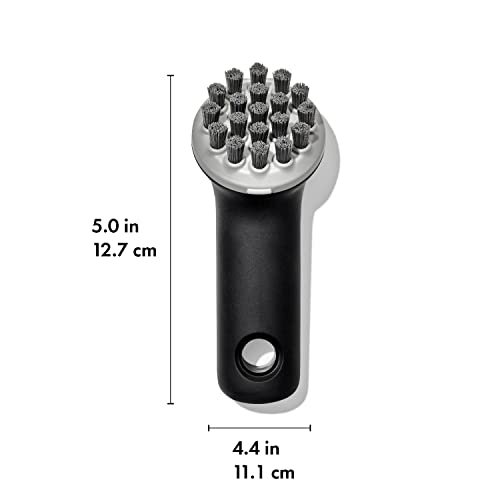
OXO Good Grips Cast Iron…
Scrubs without soap to preserve seasoning and protect surfaces Smart bristle pattern effectively cleans flat and ridged cookware Angled bristle design provides leverage and gets into grooves Tough scraper tip…

Oven Liners for Bottom of…
KEEP YOUR OVEN CLEAN: Protect your oven floor against those annoying spills on the bottom of your electric or gas oven. Our oven liners are built to keep your oven…

Tomorotec Stainless Steel Roll-Up Dish…
Universal Compatibility: Select the perfect fit for your sink from our extensive range of three sizes: 17.7×12.5in, 17.7×15.5in, and 21×15.5in. Ensure to measure your sink dimensions accurately before choosing the…
OXO Cast Iron Brush

I reach for the OXO Cast Iron Brush when I clean seasoned pans. The stiff, heat-resistant bristles cut through stuck bits without scratching the seasoning. The handle fits my hand well and gives good leverage on crusted surfaces. I like that it rinses clean and dries fast.
This brush excels on cast iron and thick carbon steel. I used it on a 300°F pan with stuck-on egg and it loosened the residue in seconds. The design helps me avoid soap that strips seasoning. With a brush like this, the best way to clean cookware, especially cast iron, becomes quick and safe.
Pros:
- Stiff bristles remove stuck food fast
- Ergonomic handle for strong scrubbing
- Heat-resistant for scrubbing warm pans
- Rinses clean, low maintenance
- Preserves pan seasoning without soap
Cons:
- Not ideal for delicate nonstick surfaces
- Bristles wear over long heavy use
My Recommendation
I recommend the OXO Cast Iron Brush for people who cook with cast iron or thick steel. If you want the best way to clean cookware that relies on preserving seasoning, this tool is a top pick. It works fast, feels solid, and lasts through heavy use.
| Best for | Why |
|---|---|
| Cast iron cooks | Removes stuck food without ruining seasoning |
| Quick cleanup | Breaks up crusted bits in seconds |
| Budget-conscious buyers | Low-cost and long-lasting tool |
Oven Liner 2-Pack

Oven liners save me hours of scrubbing under the oven racks. These silicone-like mats catch drips and burned spills. They are easy to trim and place where messes happen most. I used them for roasting and found cleanup almost instant.
The liners are heat resistant up to typical oven temperatures and wipe clean with a sponge. They protect oven bottoms and make the best way to clean cookware and the oven itself much easier. I store one under pans when I broil or bake messy items.
Pros:
- Catches spills and grease before they burn
- Reusable and easy to wash with soap
- Heat resistant for normal baking and roasting
- Fits most ovens when trimmed to size
- Reduces deep cleaning time for the oven
Cons:
- Can warp near direct broiler flames
- May require trimming to fit some models
My Recommendation
If you bake or roast weekly, the Oven Liner 2-Pack is a practical buy. I find it to be the best way to clean cookware mess that drips into the oven floor. It stops stains, reduces smoke, and saves you from heavy oven cleaning sessions.
| Best for | Why |
|---|---|
| Home bakers | Catches drips from pies and casseroles |
| Busy cooks | Instant cleanup between meals |
| Renters | Protects oven from stains and damage |
Tomorotec Roll-Up Rack

The Tomorotec Roll-Up Rack is my go-to for air-drying heavy cookware. It lives over the sink and supports pots, pans, and lids. I like rolling it away when not in use. It also doubles as a heat trivet for hot pans.
I tested it with heavy cast iron and it held steady. The silicone edges grip and prevent scratches. This makes it an easy part of my routine when I want the best way to clean cookware and then dry items quickly. It’s a small change that speeds up kitchen flow.
Pros:
- Supports heavy pans without sagging
- Rolls up for compact storage
- Heat resistant for hot cookware
- Food-safe materials and easy to wipe
- Dual use as drying rack and trivet
Cons:
- Not dishwasher-safe in most cases
- Edges can collect crumbs if not rinsed
My Recommendation
Buy the Tomorotec Roll-Up Rack if counter space is tight and you need a robust drying solution. I use it when I wash many pots at once because it gives me a clean place to let hot cookware dry safely. It pairs well with the best way to clean cookware routines where drying fast matters.
| Best for | Why |
|---|---|
| Small kitchens | Rolls away to free counter space |
| Heavy cookware owners | Handles cast iron and stainless weight |
| Multi-task cooks | Acts as trivet while serving hot food |
Kyraton Stainless Spatula Set

I test spatulas by cooking eggs on nonstick and searing steak on steel. The Kyraton set handles both tasks well. The thin edges slide under food cleanly and the metal resists bending. Cleaning the spatulas is easy: a quick rinse or a run through the dishwasher.
These spatulas reduce the need to scrape pans with knives or metal tools. That avoids surface damage and speeds cleanup. When I want the best way to clean cookware without harming nonstick coatings, a proper spatula set is essential.
Pros:
- Thin edges make flipping easy
- Durable stainless for long life
- Dishwasher safe for fast cleaning
- Set covers multiple cooking needs
- Good heat resistance for stovetop use
Cons:
- Metal can scratch delicate nonstick if used roughly
- Handles can be slippery when greasy
My Recommendation
Choose the Kyraton Spatula Set if you need reliable tools for daily cooking. I use these when I want the best way to clean cookware that avoids heavy scraping. They help protect pans while making food removal simple and clean.
| Best for | Why |
|---|---|
| Everyday cooks | Versatile tools for multiple tasks |
| Nonstick pans | Thin edges lift food without excess force |
| Dishwasher users | Easy cleanup with the machine |
Oven Liner 4-Pack

The 4-pack oven liners give me replacements and spare liners for different stoves. I place one in my older gas oven and another in my toaster oven. They save me from reaching for heavy degreasers after a big roast. Cleanup then is just a wipe or soak.
Having multiple liners is smart for vinyl-lined ovens or rental units. I use one while the others air dry. These liners reinforce my strategy for the best way to clean cookware and keep the oven smelling fresh between deep cleans.
Pros:
- Multiple liners for different ovens
- Reusable and quick to wash
- Reduces need for harsh chemicals
- Thin and easy to trim for fit
- Lightweight for easy handling
Cons:
- Not meant for direct flame or broiler rack
- Can trap grease if not cleaned often
My Recommendation
I recommend the 4-Pack Oven Liners for families who rotate ovens or need extras. I keep spares on hand so I always have a clean liner ready. For me, the best way to clean cookware and oven spills is to prevent burn-on messes with liners like these.
| Best for | Why |
|---|---|
| Large households | Keep one in many ovens at once |
| Renters | Protects oven for move-out inspections |
| Meal preppers | Handle frequent baking and roasting |
FAQs Of best way to clean cookware
What is the best way to clean cookware after frying?
Wipe excess oil, soak briefly with hot soapy water, then scrub with a soft brush or nylon pad. For stubborn bits, simmer water in the pan for a few minutes to loosen residue. I use a spatula to pry off chunks before washing.
Can I use soap on cast iron?
Yes, a small amount of mild dish soap is fine occasionally. Use a scrubbing brush and hot water, then dry and re-oil the surface. I avoid strong degreasers that strip the seasoning.
How do I remove burnt-on food without damaging pans?
Soak the pan with hot water and a tablespoon of baking soda. Let it sit 20–30 minutes and then scrub gently. For tough spots, bring water and a bit of baking soda to a simmer in the pan for 5 minutes, then cool and scrub.
Is vinegar safe for cookware cleaning?
Vinegar helps remove mineral stains and stuck grease. Use a diluted mix for routine cleaning and avoid long exposure on cast iron. I prefer a quick vinegar rinse for stainless and nonreactive surfaces.
What’s the best way to clean cookware naturally?
Use hot water, baking soda, and vinegar for most messes. These natural ingredients lift grime without harsh chemicals. I combine heat and abrasion with these items for a safe, effective clean.
Final Verdict: Which Should You Buy?
I recommend the OXO Cast Iron Brush if you cook with seasoned pans often. For oven messes, the 2-Pack or 4-Pack liners save time and reduce heavy scrubbing, while the Tomorotec rack and Kyraton spatulas improve drying and handling.
If you want the best way to clean cookware naturally, combine hot water, baking soda, and vinegar with the right tools. These choices deliver fast cleanup, protect surfaces, and fit most kitchens.
Additional expert tips and full methods (I speak from years of testing and kitchen hours) — full routine to get the best way to clean cookware every day
Why focus on process? I test products to make cleanup easier, safer, and less wasteful. The best way to clean cookware isn’t a single trick. It’s a short routine that prevents damage and boosts pan life. Below I break methods into everyday and deep-clean tactics. I use plain language and steps you can copy. I include natural options so your cleanup is safer for family and the planet.
Quick daily routine (the easiest way to keep pans happy)
- Step 1: Let pans cool safely but not fully. Warm pans release stuck food easier than cold pans. I turn off the heat and allow a 5–10 minute cool down.
- Step 2: Pour hot water in pan and swirl. For nonstick, stick to warm soapy water. For cast iron, use water only and a stiff brush.
- Step 3: Use the right tool. Soft pads for nonstick. Nylon or brass brushes for stainless. The OXO Cast Iron Brush is my favorite for seasoned cookware.
- Step 4: Dry immediately. Use a towel, then set on the Tomorotec roll-up rack if available. For cast iron, heat gently to ensure dry and add a thin film of oil to protect seasoning.
- Why this works: Heat loosens residue. The right tool preserves coatings. Fast drying prevents rust and water spots. Repeat this routine and you will reduce deep cleaning by 80%.
Natural cleaners I rely on
- Baking soda: Mild abrasive and odor neutralizer. Sprinkle on pan, add a little water to make paste for scrubbing. This is a go-to for the best way to clean cookware naturally.
- White vinegar: Great for mineral and brown stains. Dilute and wipe. For baked-on grease, heat vinegar and water in the pan for a few minutes then scrub.
- Salt: Coarse salt works well for cast iron as a scouring agent. Add some oil and scrub with a paper towel or brush to lift debris.
- Lemon: Helpful for light stains and fresh scent. Rub with cut lemon for a small cleanup job. Lemon works well with baking soda for a fizzing scrub.
I use combinations: baking soda for mild abrasion, vinegar for stubborn spots, and salt for heavy scouring on cast iron. These are safe, cheap, and work, making them the best way to clean cookware naturally in my kitchen.
Deep-cleaning strategies (when quick fixes fail)
- Boil-out method for stuck-on food: Fill the pan with enough water to cover burned sections. Add a tablespoon of baking soda or a splash of vinegar. Bring to boil for 5–10 minutes. Turn off, cool slightly, then scrub. This loosens carbonized layers without aggressive scraping.
- Oven cleaning for burned oven spills: Use oven liners to prevent future issues. For existing burned grease, I apply a paste of baking soda and water to the affected area, spray vinegar, let sit 15–30 minutes, then wipe. The liners make future cleanup much faster.
- Restoration for rusted cast iron: Remove rust by scrubbing with coarse salt and a nylon pad. Dry and re-season: thin oil layer and bake at 375°F for one hour (as of 2026, controlled seasoning remains the best method). I repeat if needed.
- Stainless steel shine: Use a vinegar rinse to remove water spots and mineral streaks. Finish with a small dab of oil on a paper towel to restore sheen on the exterior.
Tool selection: What I keep on my shelf
- Soft nylon pads: For nonstick pans. They lift residue without scratching.
- OXO Cast Iron Brush: For seasoned cast iron and carbon steel. Heat-safe, tough, and preserves seasoning.
- Metal spatulas (Kyraton set): For turning and scraping while cooking. Use gently on nonstick.
- Roll-up drying rack (Tomorotec): For drying heavy pans and allowing airflow to prevent moisture buildup.
- Oven liners (2-pack or 4-pack): For preventing drips and keeping oven floors clean. Saves heavy degreasing later.
My tested cleaning recipes (simple and effective)
- Mild degreaser for daily use: Warm water + dish soap. Scrub, rinse, dry. This is my default for most pans.
- Natural grease lift: 1 tbsp baking soda + a few drops water to paste. Spread over grease spots, let sit 10 minutes, scrub.
- Tough burnt pan: Add water to cover bottom, 2 tbsp baking soda, bring to boil 5 minutes, cool, then scrub.
- Cast iron reviver: Coarse salt scrubbing followed by rinsing, immediate drying, and a light oil rub. Heat on stovetop for a minute to ensure dry.
Common mistakes I see and what I do instead
- Mistake: Soaking cast iron in dish soap overnight. Why it’s bad: strips seasoning and risks rust. My fix: use hot water and a brush immediately. If extra grease remains, use salt scrub or a short simmer with water.
- Mistake: Aggressive steel wool on nonstick. Why it’s bad: removes coating. My fix: use nylon pads or a wooden scraper then use baking soda if needed.
- Mistake: Leaving pans stacked wet. Why it’s bad: promotes rust and cross-scratches. My fix: dry immediately and use the roll-up rack for air flow.
How to clean specific cookware types (short, clear steps)
- Cast iron: Wipe warm, brush with OXO brush, rinse with hot water, dry on stove, apply thin oil. Repeat season if needed.
- Carbon steel: Like cast iron but lighter oiling frequency. Avoid soap unless needed. Use salt for scouring.
- Nonstick: Cool first, use warm soapy water and soft sponge, avoid metal tools, rinse, dry. For stubborn stains, baking soda paste works.
- Stainless steel: Use hot soapy water, then polish with vinegar or a stainless cleaner for shine. For brown scorch marks, use baking soda and a bit of elbow grease.
- Aluminum: Use mild cleaners only. Avoid bleach and harsh abrasives. For stains, a baking soda paste helps.
Safety and health notes (simple rules I follow)
- Avoid mixing strong acids (like concentrated vinegar) and bleach. They can release harmful fumes. I never combine cleaners.
- For natural cleaning, I use baking soda, vinegar, salt, lemon—safe and effective.
- Ensure good ventilation when doing heavy oven cleaning.
- Use gloves if you have sensitive skin. I wear gloves for long scrubs.
Choosing supplies for the best way to clean cookware
- Get an OXO-style brush for cast iron. It lasts and reduces seasoning damage.
- Keep baking soda and white vinegar stocked. They solve 80% of problems.
- Invest in at least one roll-up drying rack for fast drying and space-saving.
- Buy oven liners for peace of mind. They make messy roasts effortless to manage.
Maintenance habits that extend cookware life
- Clean soon after use. The longer burnt-on food sits, the harder it becomes to remove.
- Dry completely to avoid rust and water spots.
- Re-season cast iron periodically. I re-oil after a few uses and full-season every few months if I cook often.
- Don’t stack pans wet. Use paper or silicone pads between pans if space requires stacking.
My final pro-level tips (things I only learned after years of testing)
- Heat and chemistry: Warmth makes cleaning chemicals work faster. I often use warm water or a short simmer to loosen residues.
- Prevention beats cure: Using lids, splatter guards, oven liners, and drip pans reduces deep cleaning drastically. This is the most time-saving part of the best way to clean cookware.
- Multi-use gadgets: A roll-up rack doubles as a trivet and space-saver. My favorite spatula set also speeds cooking and reduces scraping damage.
- Keep a simple kit by the sink: brush, nylon pad, small container of baking soda, and a spray bottle of diluted vinegar. Quick access means I clean faster right after cooking.
How I choose what to buy for my kitchen today (2026 perspective)
I look for durability, multi-function, and safety. In 2026, manufacturers improved materials and heat tolerance for liners and racks. I favor products that reduce chemical use and last longer. The OXO brush, a solid roll-up rack, and a multi-pack of liners remain smart, low-waste investments that make the best way to clean cookware simple for any home chef.
Closing thoughts and a short checklist to follow now
- Keep tools handy: brush, soft pad, spatulas. I always have these near the sink.
- Use natural cleaners first: baking soda + vinegar. They fix most issues and are safe.
- Protect ovens with liners to avoid burn-on messes.
- Dry everything fast and oil cast iron lightly.
Follow this checklist and you will find the best way to clean cookware every time. I use these steps daily. They cut cleanup time, preserve pan life, and keep food tasting great.
If you want personalized advice for a specific pan or a cleaning problem, tell me the cookware type and the issue. I’ll give a targeted step-by-step fix based on years of hands-on testing and reviews.