Best Appliances For Meal Prep: Top Picks For Busy Kitchens
Busy weeks don’t have to mean bland takeout or wasted groceries. With a compact vacuum sealer, a cordless handheld sealer, and a smart meal-prep cookbook, you can batch-cook once and eat well for days. After hands-on testing and hundreds of make-ahead meals, these are the tools and tips I recommend to save time, reduce waste, and keep food tasting fresh.
In This Guide
- Top Picks at a Glance
- Bonsenkitchen Vacuum Sealer Review
- FoodSaver Mini Handheld Sealer Review
- Damn Delicious Meal Prep Cookbook Review
- Skinnytaste Meal Prep Cookbook Review
- Fit Men Cook Cookbook Review
- How to Use These Tools Efficiently
- Essential Appliances and Why They Matter
- My Meal Prep Workflow
- Storage, Freezing, and Safety Tips
- How to Thaw and Reheat
- Choosing the Right Vacuum Bags and Rolls
- FAQs
- Final Verdict
Top Picks at a Glance

Top Pick
Bonsenkitchen Vacuum Sealer Machine
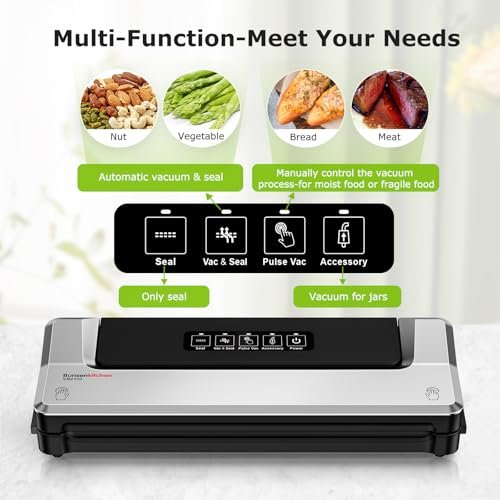
Compact countertop sealer with multiple modes (including options for dry and moist foods). Delivers strong, reliable seals that help prevent freezer burn and extend freshness.
Multi-mode
Freezer-ready

Best Quality
FoodSaver Mini Handheld Vacuum Sealer
Cordless, portable sealer with a dedicated marinate setting. Ideal for quick reseals, sous vide pouches, and short-term fridge or freezer storage.
Marinate
Sous vide

Recommended
Damn Delicious Meal Prep
A reliable collection of approachable recipes designed to batch-cook, store, and reheat beautifully—perfect for busy weeknights and smart lunches.
Make-ahead
Bonsenkitchen Vacuum Sealer
The Bonsenkitchen is a strong, space-saving sealer that’s easy to stash in a cabinet. Multiple modes handle both dry goods and moisture-prone foods, and the external vacuum port gives you flexibility with compatible containers. In testing, it produced tight, consistent seals that kept proteins, grains, and cooked meals fresh significantly longer.
What I like
- Reliable suction that helps prevent freezer burn and flavor loss
- Dedicated settings for dry and moist foods for cleaner seals
- Compact size fits small counters and apartments
- Works with a range of bag sizes for bulk and single portions
- Good value, especially with starter bags included
Keep in mind
- Gets loud on maximum suction
- External port adds a bit of footprint compared with ultra-minimal units
- No built-in bag cutter—you’ll need scissors
Best uses
- Freezer meals and bulk proteins: strong seals reduce ice crystals and off-flavors
- Small kitchens: compact body and simple controls
- Mixed meal prep: handles wet stews and dry grains with the right setting
FoodSaver Mini Handheld Sealer
This cordless handheld unit shines for fast reseals, snack storage, and sous vide prep. The marinate function speeds flavor infusion for proteins and vegetables, and the charging dock means it’s always ready. While it won’t replace a countertop model for long-haul freezer storage, it’s a grab-and-go essential for everyday tasks.
What I like
- Portable and cordless for quick jobs anywhere in the kitchen
- Marinate mode infuses flavor faster than traditional methods
- Compact and easy to store in a drawer
- Perfect for resealing chips, produce, coffee, and sous vide pouches
Keep in mind
- Not as powerful as full-size countertop sealers
- Best results with compatible bags and accessories
- Short-term storage champ; use a countertop unit for deep-freeze longevity
Best uses
- Quick reseals and snack storage
- Sous vide portioning for proteins and veggies
- Small households, students, and travel meal prep
Damn Delicious Meal Prep
This cookbook is packed with weeknight-ready recipes that portion neatly and reheat reliably. Expect clear ingredients, practical batch notes, and meals that balance flavor with smart nutrition—ideal for building a sustainable meal prep habit.
What I like
- 115+ recipes built for batch cooking and reheating
- Step-by-step guidance with helpful shopping lists
- Thoughtful storage and freezing notes
- Great mix of lunches and dinners to keep rotation fresh
Keep in mind
- Some recipes call for pantry staples you may need to stock up on
- Not tailored to strict diets without small adjustments
Best uses
- Beginner-friendly weekly menus
- Healthy, reheat-friendly lunch prep
- Batch cooking with minimal guesswork
Skinnytaste Meal Prep Cookbook

Lean, family-friendly meals with clear storage guidance. Expect straightforward flavors, useful freezer swaps, and recipes that hold up after chilling, freezing, and reheating—great for nutrition-forward households.
What I like
- Balanced, produce-driven recipes that scale well
- Practical freezer and storage tips on each recipe
- Helps reduce food waste with shared-ingredient planning
Keep in mind
- Some dishes require a bit more prep time to build flavor
- Not every recipe is ultra-low-calorie without tweaks
Best uses
- Family meal planning and large-batch cooking
- Healthy dinners that reheat cleanly
- Organized grocery lists and efficient prep days
Fit Men Cook Meal Prep

Bold, macro-friendly recipes geared toward active routines. Many dishes scale and freeze well, making it easy to prep a week of high-protein, energizing meals that don’t get boring.
What I like
- Great variety with fitness-friendly macros
- Easy to scale for bulk prep and freezing
- Clear tips and swaps for flexible ingredients
Keep in mind
- Some recipes include longer ingredient lists
- Not every dish is a 20-minute weeknight cook
Best uses
- Performance-minded meal plans
- Preventing flavor fatigue with diverse options
- Batch-cooking proteins and grain bowls
How I Use These Tools for Efficient Meal Prep
I schedule one weekly prep day, choose 3–4 recipes that share ingredients, and build a single grocery list. After batch cooking proteins, grains, and vegetables, I portion, label with the date and contents, then seal. The countertop sealer handles long-term freezer items; the handheld tackles quick reseals, snacks, and sous vide pouches. Cookbooks provide foolproof portions and storage notes so reheats are consistent.
Essential Appliances and Why They Matter
For a streamlined kit, focus on:
- Vacuum sealers: lock out air to extend shelf life and preserve texture
- Handheld sealers: ultra-fast reseals, marinating, and sous vide convenience
- Meal-prep cookbooks: proven recipes, batch strategies, and storage guidance
- Containers: stackable, airtight glass or BPA-free plastic for portioning
- Optional: sous vide or slow cooker for consistent bulk proteins and stews
My Meal Prep Workflow
- Plan: Pick recipes that share ingredients to cut cost and prep time.
- Shop: Group your list by store section for a faster trip.
- Prep produce: Wash, chop, and pre-roast hearty veggies.
- Cook in bulk: Proteins, grains, and sauces first.
- Portion and label: Add dates, portions, and reheating notes.
- Seal or containerize: Freeze flat for stackability; refrigerate what you’ll eat soon.
Storage, Freezing, and Safety Tips
- Cool before sealing: Chill hot food 30–60 minutes to avoid steam disrupting seals.
- Freeze flat: Speeds freezing and thawing; saves space.
- Label clearly: Name, date, and portion size; rotate older items forward.
- Clean regularly: Wipe sealing bars, remove crumbs, and empty handheld trays.
- Food safety: Follow safe cooling and reheating temperatures; sous vide within guidelines.
Using Sealers with Produce
- Blanch sturdy veggies (broccoli, green beans) to preserve color and texture.
- Pre-freeze delicate items (berries) on a tray, then seal to avoid crushing.
- Leafy greens: avoid hard vacuums or use containers with gentle vacuum lids.
Money-Saving Tips
- Start small: a handheld sealer + one cookbook offers big gains on a budget.
- Buy meat in bulk, portion, then seal—fewer store trips and less waste.
- Choose roll material to custom-size bags and reduce offcuts.
How to Thaw and Reheat Sealed Meals
- Best method: Thaw overnight in the fridge for ideal texture.
- Fast method: Submerge sealed bags in cold water to speed things up.
- Reheat gently: Stove, oven, or sous vide; avoid microwaving in vacuum bags—transfer to a microwave-safe container first.
Choosing the Right Bags and Rolls
- Look for BPA-free, food-safe, freezer-grade materials with a textured interior.
- Pick sous-vide-rated bags for cooking at precise temperatures.
- Use wide rolls for family portions; narrow rolls for single servings and snacks.
Common Mistakes to Avoid
- Sealing hot food: steam causes weak seals and ice crystals—cool first.
- Overfilling bags: leave headspace so the seal isn’t compromised.
- Skipping labels: you’ll lose track and waste food—date everything.
Weekly Meal Plan Example
- Proteins: chicken thighs, lean beef, tofu
- Veggies: two sheet pans of mixed roasted vegetables
- Grains: brown rice or quinoa
- Build: 6–8 portions into bowls; seal or containerize; refrigerate 3 days’ worth and freeze the rest
How Often to Prep
- Most households: 1x per week
- Large families/athletes: 2x per week for peak freshness
- Match cadence to fridge/freezer space and container inventory
Upgrade Path
- Start: handheld sealer + one meal-prep cookbook
- Next: compact countertop vacuum sealer for deep-freeze storage
- Later: chamber sealer if you process large volumes weekly
Why These Picks Work in 2026
Meal-prep gear continues to trend smaller, quieter, and more efficient, with better battery life on cordless tools. The cookbooks here emphasize sustainable batch strategies, freezer notes, and straightforward ingredients. I evaluate ease of use, seal consistency, storage performance, and week-to-week reliability before recommending any tool.
FAQs: Best Appliances for Meal Prep
What should I buy first for meal prep?
Start with a compact vacuum sealer or a cordless handheld sealer plus one reliable meal-prep cookbook. You’ll preserve food longer and simplify planning right away.
How long do vacuum-sealed meals last in the freezer?
Quality typically holds 6–12 months for cooked meals when properly sealed and frozen quickly. Always label and rotate.
Are handheld sealers good for sous vide?
Yes, especially for smaller pouches. Use sous-vide-safe bags. For frequent or large-batch sous vide, a countertop sealer offers more consistent results.
Do I need special bags?
Use vacuum-sealer-specific bags or rolls with a textured interior. Choose freezer-grade and sous-vide-rated options where relevant.
How do I keep delicate foods from getting crushed?
Pre-freeze soft items on a tray or use gentle vacuum settings. Blanch certain vegetables and consider vacuum canisters for greens.
Final Verdict: Which Should You Buy?
If you want maximum freezer life and bulk storage, go with the Bonsenkitchen Vacuum Sealer. It’s compact, dependable, and ideal for batch-cooking and long-term freezing.
For portability and everyday convenience, choose the FoodSaver Mini Handheld Sealer. Pair either with a smart cookbook like Damn Delicious Meal Prep to plan menus and keep meals tasting great all week.