Why Does Cast Iron Rust Even After Seasoning: Quick Fixes
Cast iron can rust after seasoning because the protective layer is thin, uneven, or damaged.
I have cooked on cast iron for years and fixed many rusty pans. This article explains why does cast iron rust even after seasoning, what really causes it, and clear steps to stop and reverse the rust. You will learn simple science, common mistakes, and practical fixes I use in my kitchen.

Why does cast iron rust even after seasoning?
Seasoning is not a perfect barrier. It is a thin film of polymerized oil on the metal. That film blocks water and air most of the time, but it can wear off, chip, or be incomplete. When the film fails, the bare iron meets water and oxygen and forms rust. Understanding why does cast iron rust even after seasoning helps you fix and prevent it fast.
How seasoning protects cast iron — and why it can fail
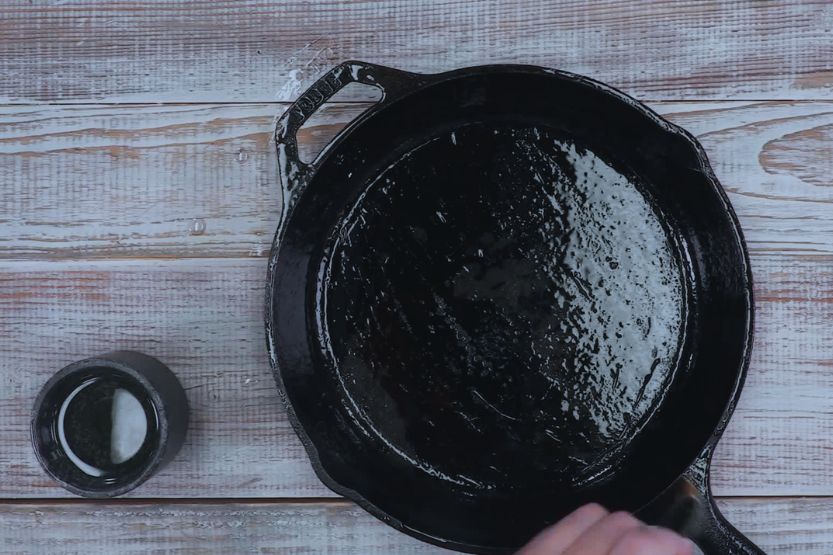
Seasoning forms when oil is heated and turns into a hard layer. This layer is mostly carbon-rich material, not the metal itself. It sticks well if the cast iron is properly prepped and baked. But the layer can fail for a few simple reasons. Heat, scrubbing, acidic food, and poor oil choice all make the layer thin. That is why does cast iron rust even after seasoning — the protection is only as strong as the layer.
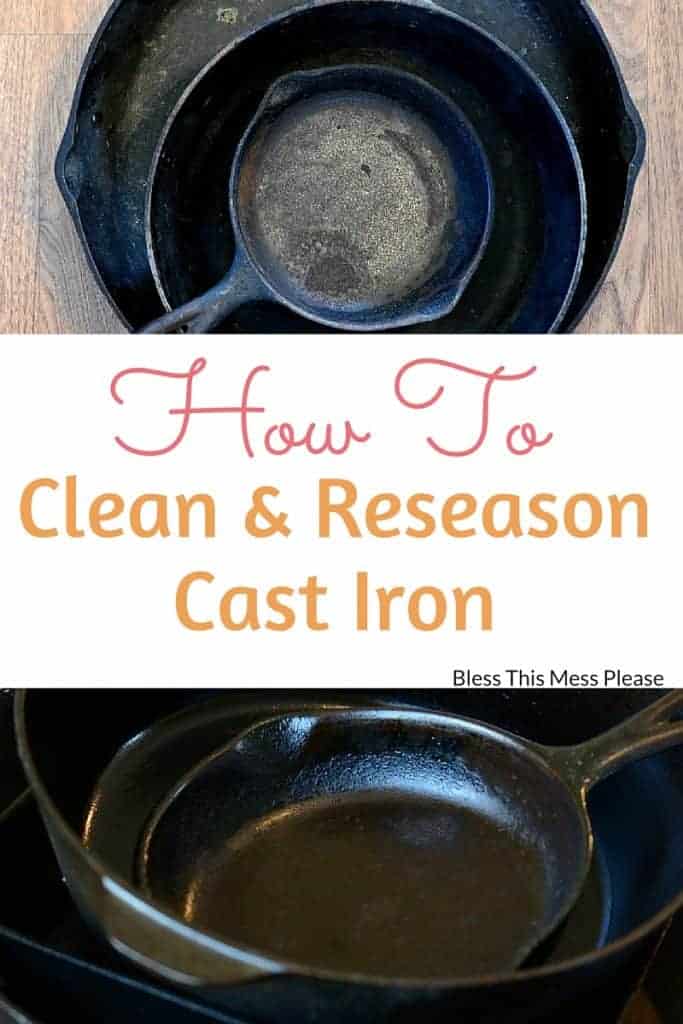
Common causes: practical reasons for rust after seasoning
Here are the everyday causes I see most often:
- Moisture left on the pan after washing. Small water drops that sit overnight cause rust spots.
- Scrubbing too hard with metal tools. That can strip the seasoning film and expose iron.
- Cooking acidic foods often. Foods like tomatoes can slowly wear the layer if used often.
- Using the wrong oil or not building layers. A single light coating will not protect well.
- Storing the pan in a damp place. Basements and poorly ventilated cupboards trap moisture.
Each of these explains why does cast iron rust even after seasoning for home cooks. I learned this the hard way when I left a pan to dry and found orange spots the next day.
How to fix rust and restore your seasoned pan
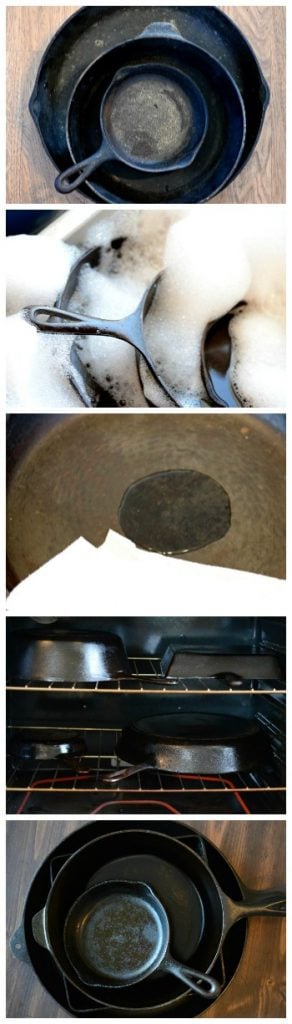
Follow these steps to rescue a rusty pan:
- Scrub the rust away with steel wool or a nonmetal scouring pad until you reach clean iron.
- Wash with warm water and mild soap, then dry thoroughly with a towel and heat on the stove to evaporate any remaining moisture.
- Re-season by applying a thin coat of a high smoke point oil and baking the pan upside down at 450°F for an hour. Repeat 2 to 3 times.
- Test with a light oil rub before cooking.
I once rescued a badly rusted skillet by repeating these steps twice. It looked nearly new and cooked evenly after the work. This process directly addresses why does cast iron rust even after seasoning by rebuilding the protective layer.
Maintenance tips to prevent rust long-term
Keep your pans safe with simple habits:
- Dry pans right away after washing and heat them briefly to remove moisture.
- Rub a thin layer of oil on the cooking surface after each use while the pan is warm.
- Avoid soaking the pan or leaving wet utensils inside.
- Use wooden or silicone tools to limit scraping of the seasoning.
- Store pans in a dry spot and, if stacking, place paper towels between them to absorb moisture.
These habits stop most causes of rust and answer why does cast iron rust even after seasoning in daily use. Small steps are easier than long restorations.
Frequently Asked Questions of why does cast iron rust even after seasoning
Why does cast iron rust even after seasoning when I only cook dry foods?
Even dry cooking can wear seasoning over time. Tiny oil layers can break with heat cycles and use, exposing iron to air and moisture.
Can I let soap touch my seasoned pan without causing rust?
Mild soap used occasionally is fine if you re-dry and oil the pan. The main risk is leaving the pan wet or scrubbing away the seasoning.
Does the type of oil used for seasoning affect rust risk?
Yes. Oils with a higher smoke point and ability to polymerize form better layers. Poor oil choice can leave a weak film that lets rust form.
Will rust ruin the pan permanently?
No. Light to moderate rust is reversible with scouring and re-seasoning. Deep pitting can be permanent, but most home rust is fixable.
How often should I re-season to avoid rust?
You do not need to re-season often if you care for the pan. Light oiling after use and occasional full seasoning when surface looks dull is enough.
Conclusion
Seasoning protects cast iron, but it is a thin, repairable layer. Rust appears when that layer is worn, damaged, or when moisture meets bare iron. With the right care—drying, light oiling, gentle tools, and periodic re-seasoning—you can stop rust and keep your pan for decades. Try the repair steps here on your next rusty pan, and share your results or questions below to learn together.