Why Are Cheap Pans Bad For Cooking Performance: Quick Guide
Cheap pans cause uneven heat, warping, and poor nonstick performance during cooking.
I’ve tested, repaired, and cooked with hundreds of pans over many years. I’ll clearly explain why are cheap pans bad for cooking performance, what exactly fails, and how those failures change your food. Read on to learn practical fixes, real tests, and simple buying tips so your next pan actually helps you cook better.
What cheap pans lack: materials and construction
Cheap pans often use very thin metal or low-grade alloys. This makes them light and low-cost, but it also reduces heat control and durability. The focus on saving money cuts corners in thickness, bonding, and handle construction. That is a big part of why are cheap pans bad for cooking performance.
Common material issues
- Thin aluminum or low-grade steel that warps easily and creates hot spots.
- Poorly bonded bases that separate from the pan when heated.
- Flimsy handles and weak rivets that loosen over time.
Why materials matter
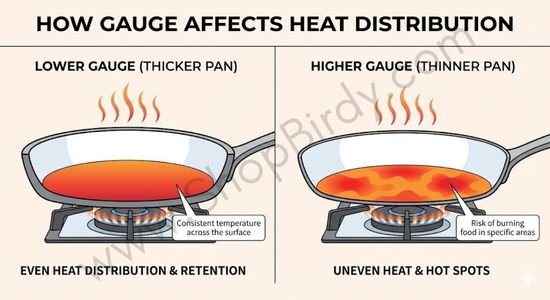
- Thin metal heats fast at one spot and stays cool elsewhere. That ruins sears and sauces.
- Bad bonding to a base stops heat from spreading evenly. That is another reason why are cheap pans bad for cooking performance.
- Cheap handles change how you move the pan and reduce safety.

Heat distribution and hot spots
Even heat matters more than max heat. A pan that spreads heat well gives even browning and predictable timing. Cheap pans often have hot spots that scorch food while other parts remain undercooked. This is a core reason why are cheap pans bad for cooking performance.
How hot spots show up
- One side browns faster while the rest stays pale.
- Sauces clump or stick in the hot areas.
- Eggs cook unevenly and tear when you flip them.
Simple tests you can do at home
- Heat the pan on medium, add a little oil, and watch how it spreads.
- Move a piece of bread or a small cube of potato across the surface to see where it browns first.
These quick checks reveal why are cheap pans bad for cooking performance before you buy.

Nonstick coatings: short life and safety concerns
Many cheap pans rely on thin nonstick layers. Those coatings can peel, flake, or break down after a few months. That not only reduces performance but can release particles into food. This safety and performance issue explains another angle of why are cheap pans bad for cooking performance.
Things to watch for
- Scratches and flaking after metal utensils or aggressive cleaning.
- Loss of nonstick ability even at normal home temperatures.
- Discoloration and bubbling after overheating.
Safer habits
- Use wood or silicone tools.
- Cook on low to medium heat with poor coatings.
- Replace pans if coating peels to avoid possible ingestion of particles.

Durability, warping, and maintenance
Durability affects long-term performance. A pan that warps or loosens will never heat evenly again. Many cheap pans warp after a few stints on high heat or after rapid cooling. That explains yet another reason why are cheap pans bad for cooking performance.
Common durability failures
- Warped bases that rock on the burner.
- Handles that loosen or melt.
- Rivets that rust or pop out.
Maintenance tips to reduce damage
- Avoid sudden temperature changes like running cold water on a hot pan.
- Do not stack cheap pans without protection.
- Hand wash and dry promptly to prevent corrosion.

Real cooking performance: taste, sear, and timing
Cooking is sensory. A pan that gives poor browning changes flavor and texture. I once used a thin, cheap pan to sear a steak. Instead of a crisp, caramelized crust, I got a patchy, soggy surface and a longer cook time. That experience taught me why are cheap pans bad for cooking performance in the kitchen.
Examples of what goes wrong
- Steaks and chops fail to form a crust, leading to bland texture.
- Eggs stick and tear, making presentation and mouthfeel worse.
- Sauces scorch and separate, changing the flavor balance.
How this affects your cooking
- You will spend more time and fuel to get the same results.
- You may lose confidence and stop trying recipes that require precision.
How to choose better pans without breaking the bank
You don’t need the most expensive cookware to cook well. Look for specific traits that improve performance. If you wonder why are cheap pans bad for cooking performance, choosing smarter saves money and improves meals.
Key features to prioritize
- Thickness or weight that feels solid in hand.
- Multi-layered or clad construction for even heat.
- Secure handle attachment and comfortable grip.
- Warranty or clear brand transparency.
Affordable options that perform
- Cast iron or carbon steel for heat retention.
- Stainless steel with an aluminum or copper core for even heat.
- Quality nonstick from reputable manufacturers for low-fat cooking.
Test before you buy
- Check how heavy the pan feels for its size.
- Place it on the burner to look for wobble.
- Ask about warranty and return policies.
Care and maintenance to extend pan life
Treating pans well can close the gap between cheap and good performance. Many performance problems stem from poor care. This practical care reduces why are cheap pans bad for cooking performance over time.
Everyday care tips
- Season carbon steel or cast iron and avoid soap on those surfaces.
- Use medium heat unless the pan is designed for high heat.
- Store pans with protection to avoid scratches.
When to replace
- Replace if the base warps badly or the nonstick coating flakes.
- Consider replacement if cooking results degrade despite proper care.
Frequently Asked Questions of why are cheap pans bad for cooking performance
What is the main problem with cheap pans?
Cheap pans usually have thin metal and poor bonding. That causes uneven heat, warping, and reduced cooking control.
Are cheap nonstick pans dangerous?
Cheap nonstick pans can flake or break down at high heat. Replace them if coating peels to avoid ingesting particles.
Can care make a cheap pan perform well?
Good care helps but can’t fix core material limits. Proper use extends life, but basic design issues still limit performance.
Is cast iron better than a cheap pan?
Yes. Cast iron holds heat and sears well, making it a reliable upgrade over thin, cheap pans for many cooks.
How can I test a pan in-store?
Feel the pan’s weight, check for wobble on a flat surface, and ask about layering and warranty. Those checks reveal build quality quickly.
How often should I replace cheap pans?
If performance declines or coating flakes, replace them. For heavy home use, a truly cheap pan may fail within a year.
Conclusion
Cheap pans save money up front but often cost you time, quality, and safety while cooking. They warp, heat unevenly, lose nonstick coatings, and change how your food turns out. Use simple tests to judge build quality, choose thicker or clad constructions, and care for pans properly to get the best results. Start by checking the weight and base quality of your current pans, and consider replacing the worst offenders. Share your pan stories, ask questions, or subscribe for more practical cookware advice.