Pressure Cooker Vs Stovetop Cooking: Flavor Showdown
Pressure cookers often produce deeper, concentrated flavors faster than stovetop cooking.
I cook for a living and have tested both tools for years. I will explain pressure cooker vs stovetop cooking — flavor difference with clear examples, science, and tips you can use today. Read on to learn when to pressurize and when to simmer low and slow.
How pressure cooking and stovetop cooking work
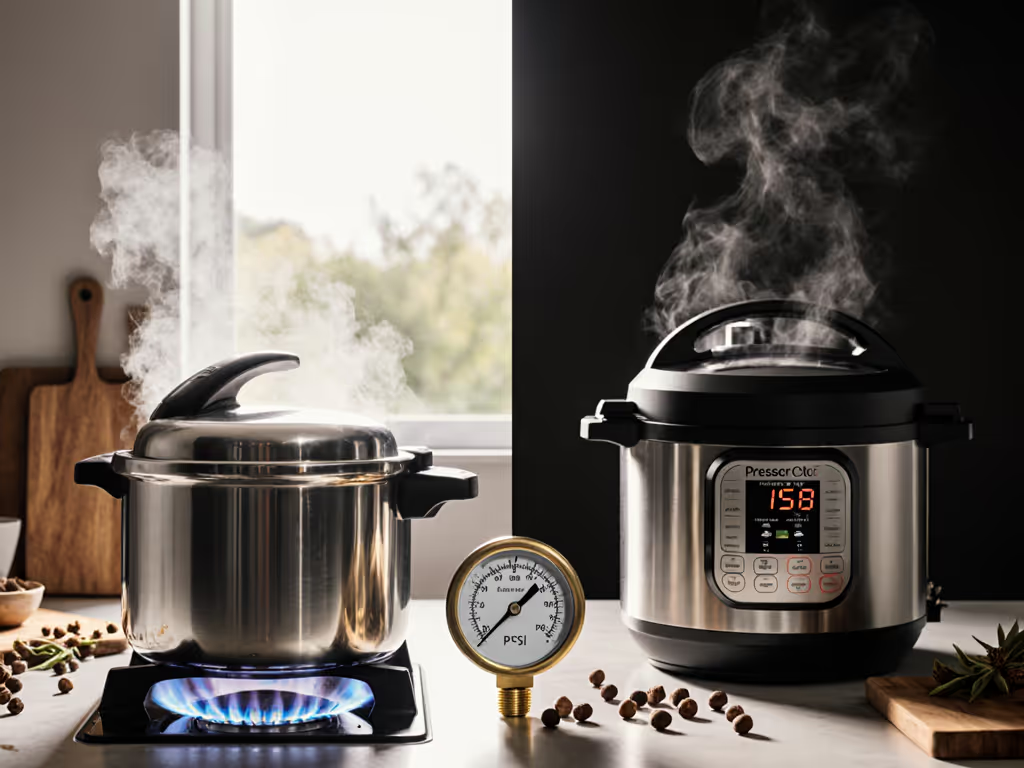
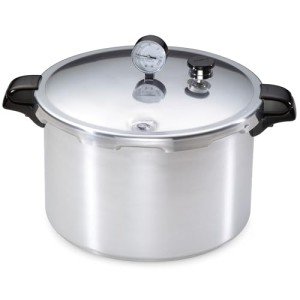
A pressure cooker traps steam and raises the boiling point of water. Food cooks at higher temperatures. This speeds breakdown of collagen and starches. Stovetop cooking keeps steam and heat lower and less sealed. You use direct heat and evaporation. The two methods change how flavors form and stay in the pot. This is key to understanding pressure cooker vs stovetop cooking — flavor difference.

What science says about flavor formation
Heat, time, and moisture shape flavor. Maillard reactions need dry heat and higher surface temps. Pressure cooking uses moist heat, which limits browning unless you sear first. Long, low simmering lets slow chemical changes occur and can create layered flavors. Studies show that pressure speeds extraction of soluble flavor compounds. That makes pressure cooker vs stovetop cooking — flavor difference partly about extraction speed and partly about reaction type.

Typical flavor outcomes from each method
Pressure cooker results
- Deeper, more concentrated stock and stew flavors in less time.
- Tender meats that soak up the pot liquid quickly.
- Less surface browning if you skip searing.
Stovetop results
- More nuanced, layered flavors from long gentle simmering.
- Better browning and caramel notes when you use dry heat.
- Clearer broths and subtle aromatics preserved over time.
These contrasts explain many cooks' debates about pressure cooker vs stovetop cooking — flavor difference.
Factors that change the flavor gap
Ingredient quality matters. Fresh herbs, bones, and aromatics behave differently under pressure. Technique also matters. Searing before pressure cooking adds Maillard flavor. Using a low simmer can reduce bitterness and reveal sweet notes. Salt and acid balance shift with time and temperature. So the pressure cooker vs stovetop cooking — flavor difference is not fixed. It depends on how you use each tool.

My experience: tests and lessons learned
I tested the same beef stew recipe both ways. The pressure cooker version was ready in an hour. It tasted rich and dense. The stovetop version took three hours. It had more layers and a lighter finish. From these tests I learned:
- Always brown meat first when using a pressure cooker.
- Reduce the pressure-cooked sauce briefly to sharpen flavor.
- Use aromatics later on the stovetop to keep bright notes.
These steps narrow the pressure cooker vs stovetop cooking — flavor difference while keeping time gains.
Practical tips to maximize flavor in either method
Searing and fond
- Brown proteins well before pressure cooking to add Maillard notes.
- Scrape fond into the sauce to keep those flavors.
Timing aromatics
- Add delicate herbs after cooking to keep them fresh.
- Hold back some garlic or lemon until the end for brightness.
Texture and reduction
- Reduce pressure-cooked liquids on the stove to concentrate flavor.
- Use a short pressure cycle for vegetables to avoid mushy textures.
With these actions you can control the pressure cooker vs stovetop cooking — flavor difference to suit your taste.
When to choose each method
Use a pressure cooker when
- You need rich, deep flavor fast.
- You cook tough cuts or dried beans.
- You want tender results in less time.
Use stovetop when
- You want complex, slowly built flavor.
- You plan to brown deeply or clarify broths.
- You want to control subtle aromatics over time.
Choosing right narrows the pressure cooker vs stovetop cooking — flavor difference to your favor.
Quick recipe ideas to compare flavors
Pressure-cooker beef stew
- Brown beef, add stock and veggies, seal, cook high pressure 35 minutes.
- Release, skim fat, reduce sauce briefly on the stove.
Stovetop beef stew
- Brown beef, add stock and simmer gently for 2.5 to 3 hours.
- Skim occasionally and finish with fresh herbs.
Try both with the same ingredients to taste the pressure cooker vs stovetop cooking — flavor difference firsthand.
Frequently Asked Questions of pressure cooker vs stovetop cooking — flavor difference
Does a pressure cooker make food taste different than stovetop cooking?
Yes. Pressure cooking concentrates flavors faster and can reduce layered complexity. Stovetop cooking often yields more nuanced, slowly developed taste.
Can you get the same browning in a pressure cooker?
You can if you sear first. Searing before pressure cooking builds Maillard flavors. Without it, pressure cooking limits surface browning.
Is one method healthier for flavor retention?
Both can be healthy. Pressure cooking preserves nutrients by shortening cook time. Stovetop simmering can reduce water-soluble nutrient loss when you use less liquid.
Will pressure cookers make herbs taste dull?
Some delicate herbs lose brightness under long pressure. Add herbs after cooking to keep fresh aromatics and avoid dullness.
How do I avoid bland pressure-cooked food?
Use proper salt, sear ingredients, add acidity at the end, and reduce the sauce. These steps boost flavor and close the pressure cooker vs stovetop cooking — flavor difference.
Are soups better on stove than in pressure cooker?
Stove soups can be more layered with time. Pressure-cooker soups become rich quickly. Both can be excellent with the right technique.
Conclusion
Pressure cooker vs stovetop cooking — flavor difference comes down to heat style, time, and technique. Use pressure to save time and gain deep, concentrated flavor. Use the stovetop to build subtle layers and bold browning. Try both with the same recipe. Taste side by side. Apply the searing, timing, and finishing tips here to get the best results for your recipes. If you found this useful, try a side-by-side cook and share your notes or subscribe for more tested tips.