Knife Sharpener Vs Whetstone: Best Choice For Beginners
For beginners, a guided knife sharpener is easier and safer, while a whetstone builds skill and gives finer control.
I have sharpened dozens of kitchen knives with both tools and taught friends how to do it. This article compares knife sharpener vs whetstone — which is better for beginners, step by step. I will show how each tool works, the pros and cons for new users, clear how-to steps, buying tips, and my real-world lessons. Read on to decide which route fits your time, budget, and learning goals.

knife sharpener vs whetstone — which is better for beginners?
A clear answer depends on what you want. If you want speed, consistency, and low risk, a guided knife sharpener is the best start. If you want precision, long-term skill, and the best edge, a whetstone wins after practice.
I will walk you through both tools. I will explain safety, cost, time, edge quality, and learning curve. You will learn what works on cheap knives and what works on high-end steel. By the end you can pick the right tool for your kitchen and skill goals.
How each tool works
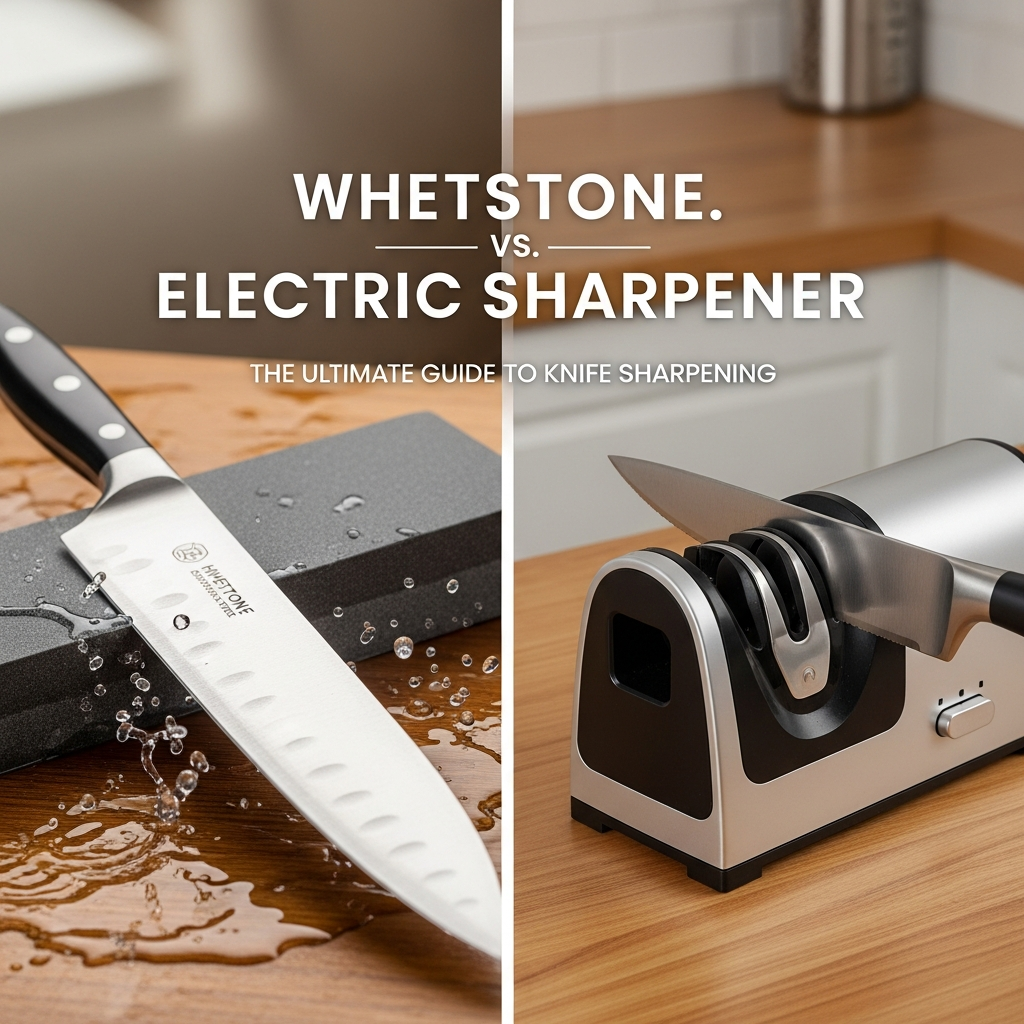
A guided knife sharpener uses preset angles and slots. You draw the blade through slots or clamp the knife and move a sharpening element. The tool controls angle and pressure. This makes it fast and repeatable.
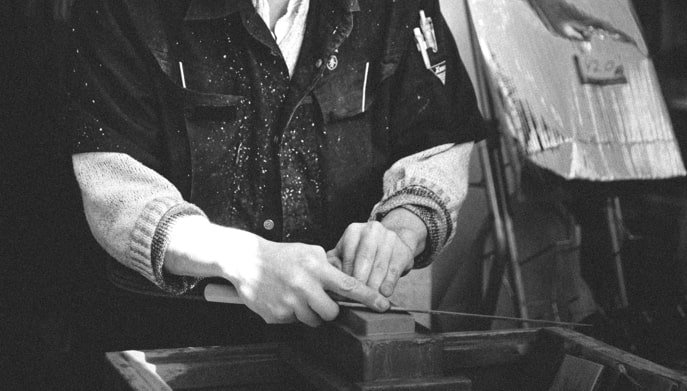
A whetstone is a flat abrasive stone. You hold the knife at a chosen angle and slide the edge over the stone. You control angle, pressure, and water or oil. This gives very fine control but needs practice.
Both remove metal to renew the edge. The main difference is who controls the angle: the tool or you. That difference shapes the learning curve and outcome.

Pros and cons for beginners
Here are the main points to weigh when deciding between knife sharpener vs whetstone — which is better for beginners.
-
Guided knife sharpener — Pros
- Fast results in minutes.
- Low risk of ruining the edge.
- Works well for many household knives.
-
Guided knife sharpener — Cons
- Less control over angle for premium knives.
- May remove metal faster than needed.
- Limited grit range on budget models.
-
Whetstone — Pros
- Finest edge and polish when done right.
- Wide grit range for repair to mirror finish.
- Teaches skill that transfers to other tools.
-
Whetstone — Cons
- Steeper learning curve and more time.
- Higher chance to make mistakes early on.
- Requires setup, maintenance, and space.
If your priority is a quick, safe fix, pick the guided knife sharpener. If your priority is edge quality and you enjoy learning a craft, pick the whetstone.

Step-by-step: sharpening with each (practical guide)
Below are simple step-by-step processes you can try at home.
Guided knife sharpener steps:
- Clean the blade and place the sharpener on a flat surface.
- Choose the correct slot or angle setting.
- Draw the blade through each slot with light, steady pressure.
- Check the edge and repeat until sharp. Finish with a light stropping motion if needed.
Whetstone steps:
- Soak or wet the stone per manufacturer instructions.
- Set the knife at the desired angle (usually 15–20 degrees).
- Push the blade across the stone from heel to tip in a single stroke.
- Flip and repeat on the other side. Progress through finer grits for polish.
- Test on paper or a tomato to check sharpness.
Practice slowly. Use short sessions for whetstone practice to build muscle memory. For a beginner, five to ten minutes on a guided sharpener usually yields usable results. Expect many short sessions with a whetstone to gain confidence.
My experience and tips
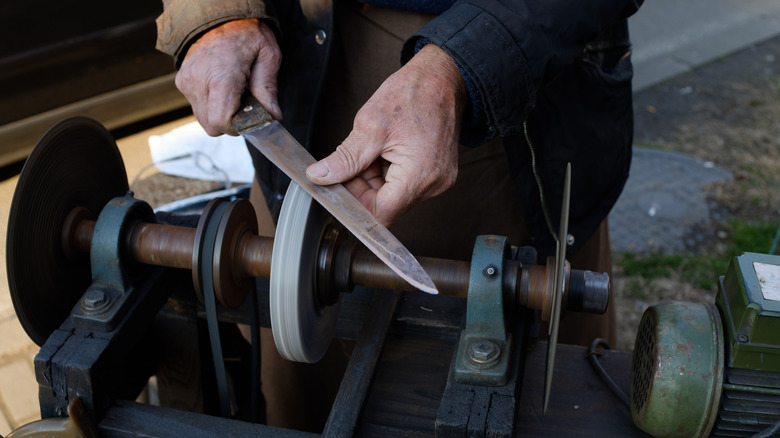
I learned on a whetstone and then used guided sharpeners for daily upkeep. Both tools are useful. Here are lessons I learned the hard way.
- Start with safety
- Always keep fingers away from the edge. Work slowly.
- Practice angle control
- Use an angle guide or marker to train your eye on a whetstone.
- Test gently
- Cut paper or a tomato to judge the edge. Avoid pressing hard.
- Maintain stones and sharpeners
- Flatten stones when they cup. Clean guided sharpeners of metal debris.
- Don’t overdo restoration
- Remove only what you need. Removing too much shortens knife life.
If I had to advise a friend who cooks twice a week, I would say buy a good guided sharpener first. Learn to keep your knives sharp. Then learn the whetstone if you love toolcraft or have higher-end knives. This path saved me time and money.
Buying guide and recommendations
Here is how to choose a tool based on budget, knife type, and goals.
- Budget under $40
- Choose a simple guided sharpener with two stages. It is better than dull knives and is low risk.
- Budget $40–$100
- You can get a quality guided sharpener or an entry whetstone kit. Consider a 1000/6000 grit stone if you want both repair and polish.
- Higher-end
- Buy a premium whetstone and an angle guide. Keep a guided sharpener for quick touch-ups.
Consider the steel of your knives. Harder steels benefit more from whetstones. Soft stainless cooks and daily knives do well with guided sharpeners. If you buy both, use the whetstone for full sharpening and the guided sharpener for regular touch-ups.
Frequently Asked Questions of knife sharpener vs whetstone — which is better for beginners
Is a guided sharpener safe for cheap knives?
Yes. Guided sharpeners reduce risk and give consistent results on cheap knives. They are a safe starting point for beginners.
Can any knife be sharpened on a whetstone?
Most knives can be sharpened on a whetstone, but very thin or serrated blades need special care or tools. Serrations require a specific sharpener or professional attention.
How long does it take to learn whetstone skills?
Expect a few hours of focused practice to get comfortable. Real skill takes weeks of periodic practice, but useful results come quickly if you start slowly.
Will a guided sharpener ruin high-end knives?
Some cheap guided units can remove too much metal or fix the wrong angle for high-end blades. Choose a high-quality sharpener or use a whetstone for premium knives.
How often should I sharpen my knives?
Light touch-ups can be done monthly for frequent use. Full sharpening depends on usage; check the edge and sharpen when it feels dull. Regular honing between sharpenings helps maintain the edge.
Do I need to flatten a whetstone?
Yes. Whetstones wear unevenly over time and need occasional flattening to stay effective. A flat stone helps keep a consistent angle and better results.
Conclusion
Choose the tool that matches your goals. For quick, safe results that fit busy life, start with a guided knife sharpener. For the finest edge, long-term skill, and better results on premium steel, learn the whetstone. Try one for maintenance and the other for deep sharpening. Start small, practice regularly, and protect your knives by removing only what you need. If you found this helpful, try a short practice session today, share your results in the comments, or subscribe for more hands-on tips.