Stainless Steel Appliances Vs Black Stainless Steel: Pros
Black stainless offers a modern, fingerprint-resistant look while classic stainless is more timeless and forgiving.
I have worked with kitchens, installers, and homeowners for years, testing finishes and watching how they hold up. This guide on stainless steel appliances vs black stainless steel draws on hands-on experience, industry insight, and practical tips to help you choose the right finish for your home. Read on for clear comparisons, care advice, real-world lessons, and a step-by-step way to decide which finish fits your lifestyle.
Quick comparison: stainless steel appliances vs black stainless steel
Stainless steel appliances vs black stainless steel differ most in appearance, maintenance, and style flexibility. Classic stainless is bright, neutral, and widely used. Black stainless is darker, sleek, and resists some marks but can show streaks. Both are usually stainless steel beneath the surface, but finishes, coatings, and prices vary. If you want an easy-to-match, long-standing look, classic stainless often wins. If you want a modern, moody kitchen, black stainless can give a strong design statement.
Appearance and design impact
Design choices shape daily life in the kitchen. Stainless steel appliances vs black stainless steel create very different moods.
Stainless steel
- Offers a clean, reflective surface that brightens spaces.
- Matches most cabinet colors and countertop materials.
- Looks timeless and works well with both modern and traditional kitchens.
Black stainless steel
- Gives a contemporary, matte or satin dark finish.
- Creates a bold contrast with light cabinets and countertops.
- Can make a small kitchen feel cozier or a large kitchen feel more dramatic.
Think of stainless steel as a white canvas. It lets other design elements shine. Black stainless is a black canvas. It defines the room and demands attention.
Durability, coatings, and real-world wear
Durability is about more than metal. Finishes and coatings matter a lot when comparing stainless steel appliances vs black stainless steel.
Stainless steel
- Is typically brushed or polished stainless that resists rust and corrosion.
- Shows fingerprints and smudges, but these buff out with the right cleaner.
- Scratches can be visible, especially on mirror-polish finishes.
Black stainless steel
- Often uses a colored coating or PVD (physical vapor deposition) process.
- Can be more scratch-prone in visible areas because the coating sits on top.
- May resist fingerprints better, but streaks and smears can show under certain lights.
From my experience installing appliances, I’ve seen black stainless hide small prints well on busy refrigerators. Yet, a deep scratch on a black finish stands out more than on brushed stainless. Expect trade-offs.
Cleaning and maintenance: what you need to know
Maintenance affects how a finish lives with your routine. Choose a finish that matches how much care you will give it.
Cleaning stainless steel appliances vs black stainless steel:
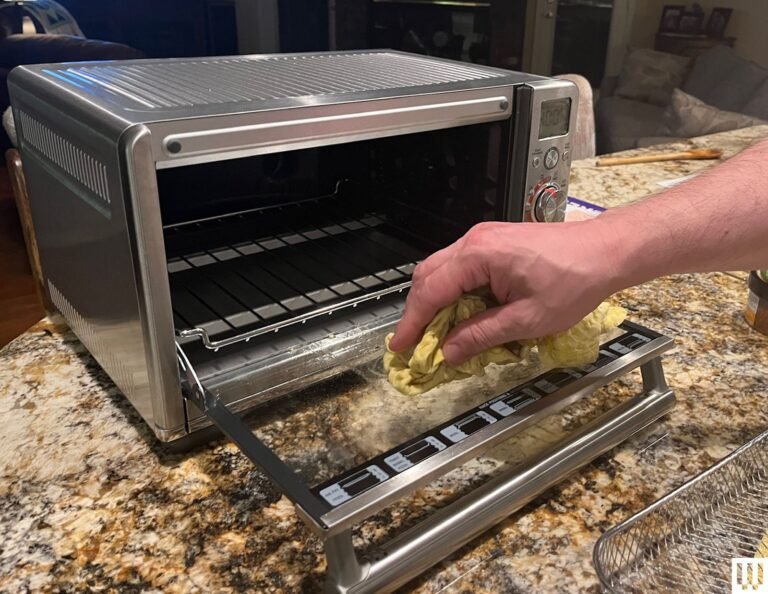
- For stainless steel, use a soft cloth and a mild cleaner or warm soapy water. Wipe with the grain to reduce streaks.
- For black stainless, test cleaners on a hidden spot first, as some formulas can dull the coating. Microfiber and gentle soap usually work.
- Avoid abrasive pads and harsh chemicals on both finishes to prevent scratches and coating loss.
Tip from experience: Keep a small spray bottle of mild cleaner near the sink. Quick wipe-downs after cooking reduce buildup and keep finishes looking fresh.
Cost, availability, and resale value
Budget and resale matter when choosing between stainless steel appliances vs black stainless steel.
Cost
- Classic stainless is widely made and often more affordable across brands.
- Black stainless may carry a premium, especially on higher-end models with specialty coatings.
Availability
- Stainless steel models are abundant across makes and models.
- Black stainless is becoming more common but may have fewer options in specialty sizes or feature sets.
Resale value
- Stainless steel is familiar to buyers and often seen as neutral and high-end.
- Black stainless can be polarizing; some buyers love it, others prefer classic stainless. Consider local market tastes.
When I staged homes, kitchens with classic stainless appealing to the broadest audience. Black stainless helped a modern listing stand out but required the rest of the kitchen to match the aesthetic.
Practical tips for choosing the right finish
Make a decision that works for you, not just your Pinterest board.
Steps to decide
- Match existing elements. If counters and cabinets are warm-toned, test both finishes together.
- Consider lighting. Dark finishes can absorb light and change the room’s feel.
- Think about family life. Homes with kids or heavy cooking often benefit from finishes that hide smudges and clean easily.
- Order finish samples or view models in person. Photos can mislead.
- Factor in longevity. If you plan to keep appliances long-term, prioritize durability and ease of repair.
I once recommended stainless for a family with busy weeknights and black stainless for a couple who entertains often and wanted a statement kitchen. Both choices fit lifestyles differently.
Mixing finishes and styling ideas
Mixing finishes can make a kitchen feel custom. Stainless steel appliances vs black stainless steel can be combined carefully.
How to mix
- Keep a dominant finish and use the other as accent. For example, black stainless fridge plus stainless steel hood.
- Use hardware and fixtures to bridge finishes, like black handles with stainless appliances.
- Coordinate textures—matte backsplashes or wood cabinetry can unify different metal tones.
Simple staging: Pair black stainless on tall items (fridge) with stainless on lower items (dishwasher) to balance visual weight.
Personal experience and lessons learned
I have installed, cleaned, and advised clients on both finishes. Here are honest takeaways from those years.
Real lessons
- Don’t pick black stainless solely from a photo. Lighting and fingerprints show differently in person.
- Small scratches on black finishes are more noticeable. Teach kids and guests to avoid rough contact zones.
- Stainless steel ages well. It shows character and can often be polished.
- A consistent maintenance routine keeps both finishes looking new.
One memorable job involved a client who wanted black stainless for its look but struggled with streaks. After switching cleaners and adjusting lighting, the result matched their goal. A small habit change made a big difference.
Environmental and health considerations
Think about sustainability and safety when weighing stainless steel appliances vs black stainless steel.
Sustainability
- Stainless steel is widely recyclable. Many appliances use recycled content.
- Coatings for black stainless may add steps in manufacturing that affect recyclability, though most metal is still recyclable.
Health and safety
- Both finishes are non-toxic when intact. Avoid using harsh chemicals that can degrade coatings.
- Proper ventilation and safe cleaning products protect family health.
If environmental impact is a priority, ask manufacturers about materials and recycling programs.
Final decision framework
Use this quick checklist to decide between stainless steel appliances vs black stainless steel.
Checklist
- Lifestyle: Do you cook heavily and need low-effort upkeep?
- Design: Do you want a classic or a bold look?
- Budget: Is there room for a premium finish?
- Longevity: Will you keep these appliances long-term?
- Resale: Will a future buyer prefer a neutral finish?
Follow this framework and you’ll pick a finish that fits your daily life and design goals.
Frequently Asked Questions of stainless steel appliances vs black stainless steel
Are black stainless appliances actually stainless steel?
Yes. Black stainless appliances usually start as stainless steel and receive a dark coating or finish. The core metal remains stainless, providing the same base durability.
Which finish shows fingerprints more?
Classic stainless steel often shows fingerprints, especially on polished surfaces. Black stainless tends to hide fingerprints but can show streaks or smudges if not cleaned properly.
Can I repair scratches on black stainless?
Minor scratches can sometimes be reduced with manufacturer-approved cleaners or touch-up kits, but deep scratches may expose the underlying metal and are harder to fully hide. Always check the warranty and repair options before attempting fixes.
Do black stainless appliances cost more than stainless steel?
Often they do, because of additional finishing processes. However, price differences vary by brand, model, and retailer, so compare similar feature sets when shopping.
Will matching mixed finishes hurt my kitchen’s resale value?
Mixing finishes won’t necessarily hurt resale if done intentionally and tastefully. Buyers often appreciate cohesive design more than uniform metal tones, so focus on balance and coordination.
How do I clean black stainless without damaging it?
Use a soft microfiber cloth and a mild soap solution. Avoid abrasive pads and strong chemicals; always test a new cleaner on a hidden spot first.
Is one finish better for professional kitchens?
Professional kitchens often use plain stainless steel for its ease of repair and high heat tolerance. Black stainless is more common in residential settings for its style.
Conclusion
Choosing between stainless steel appliances vs black stainless steel comes down to style, lifestyle, and maintenance. Classic stainless is versatile, timeless, and easy to match. Black stainless makes a bold, modern statement but needs careful cleaning and may show certain wear more clearly. Use the decision checklist above, test finishes in your space, and factor in daily habits before you buy. Take action: visit showrooms, request finish samples, and try a quick cleaning test at home to see which finish feels right. Share your kitchen plans or questions below, and subscribe for more appliance guides and design tips.