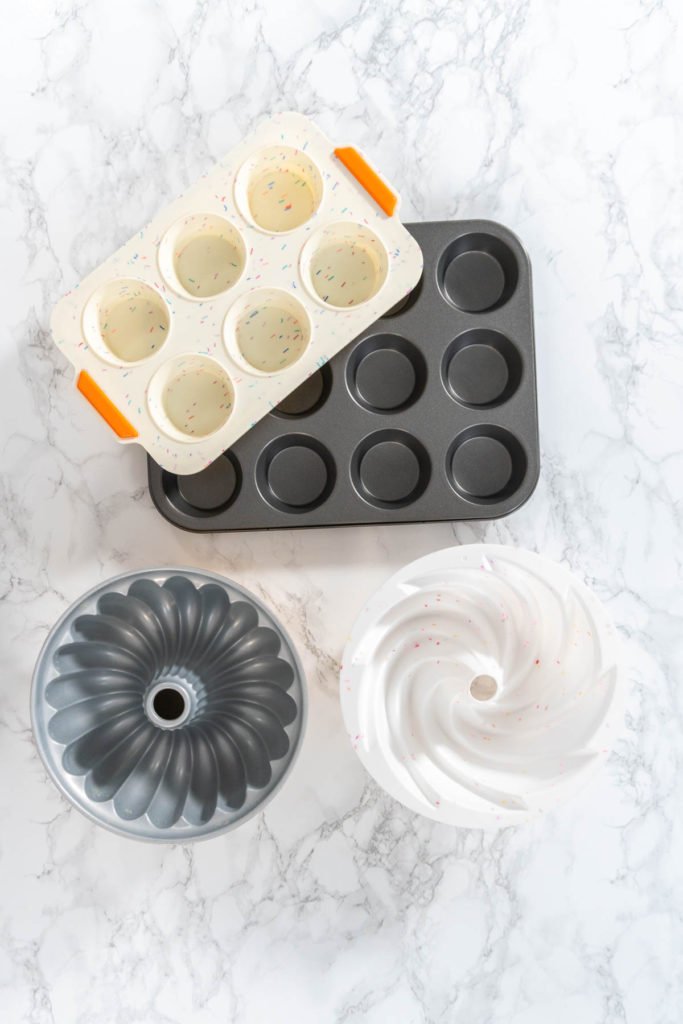
Silicone Bakeware Vs Metal Bakeware: Which Is Better?
Silicone bakeware offers easier release and flexibility, while metal bakeware gives better browning and heat control.
I’ve tested both silicone bakeware vs metal bakeware for years in home and professional kitchens. I’ll walk you through the real differences, pros and cons, and practical tips so you can pick the best pans for cakes, muffins, breads, and cookies. I combine hands-on experience with technical points about heat, safety, and care so you can make an informed choice and bake reliably every time.
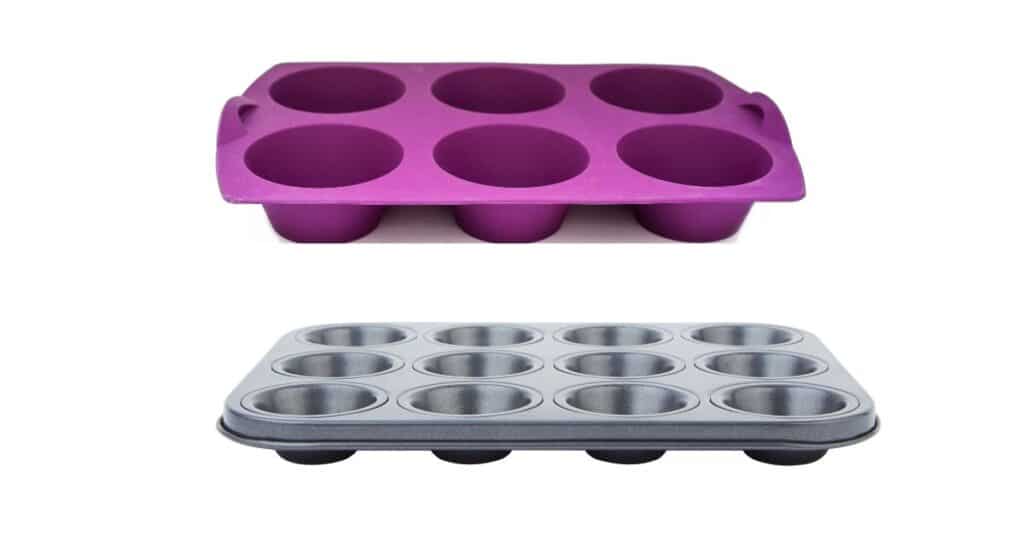
Quick comparison: pros and cons of silicone bakeware vs metal bakeware
Silicone bakeware vs metal bakeware starts with one simple trade-off: convenience versus classic performance. Silicone is flexible, nonstick, and easy to store. Metal conducts heat fast and gives crisp edges and even browning.
- Silicone bakeware pros
- Easy release for delicate cakes and muffins.
- Flexible and lightweight for storage.
- Dishwasher safe and often stain-resistant.
- Silicone bakeware cons
- Less browning and less crisp crust.
- Can be floppy—needs a rigid pan or tray beneath.
- Some cheaper silicone can retain odors or oils.
- Metal bakeware pros
- Excellent heat conduction and browning.
- Lightweight, sturdy, and predictable baking results.
- Wide range of finishes: aluminized steel, stainless, or nonstick.
- Metal bakeware cons
- Can stick if not greased or lined.
- May warp at very high heat if thin.
- Nonstick coatings can scratch or wear out.
Silicone bakeware vs metal bakeware performance depends on what you bake and how you bake. If you want crisp edges and a golden crust, metal is usually better. If you want easy unmolding and soft cakes, silicone often wins.
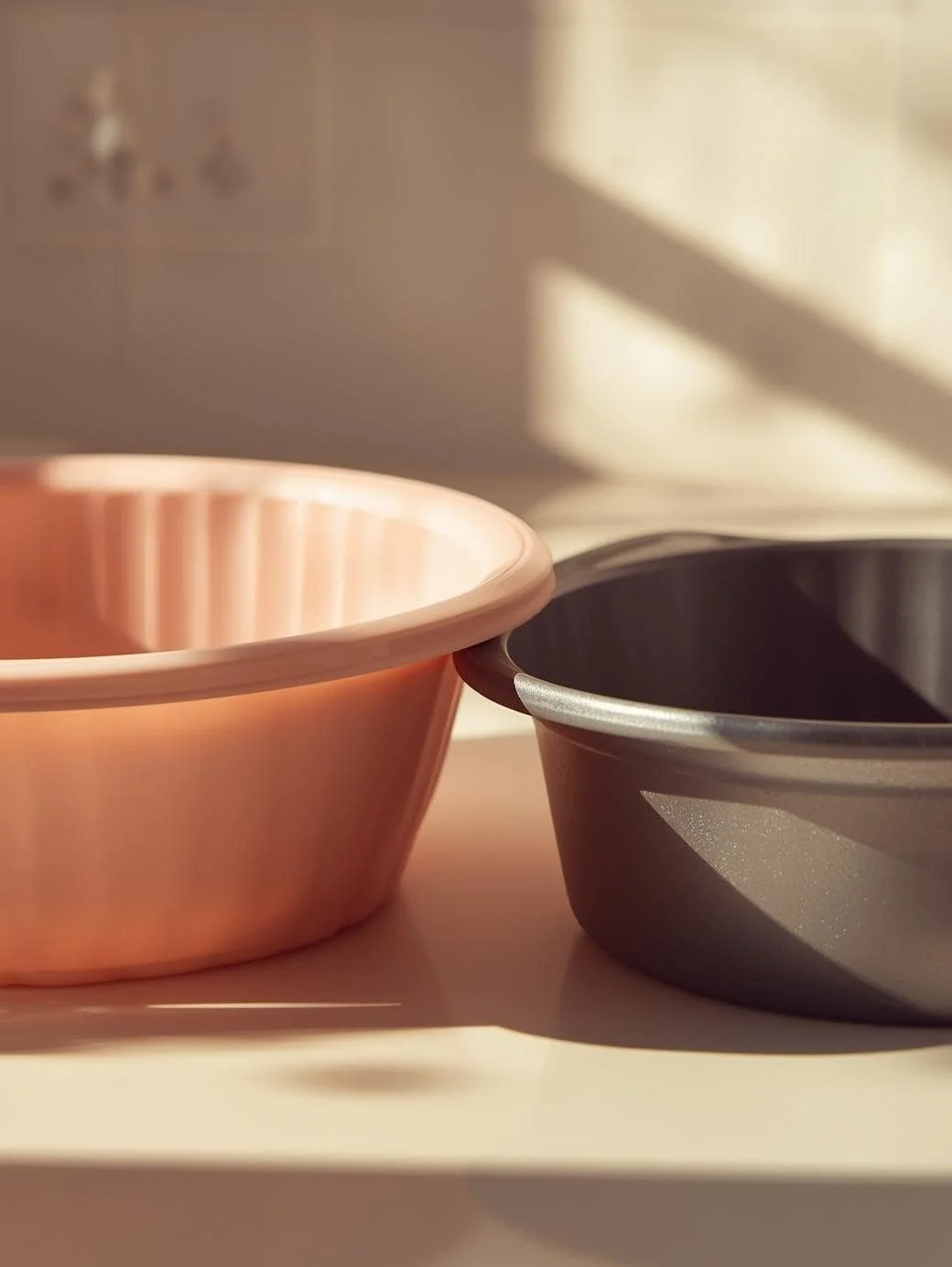
How materials affect baking: heat, browning, and texture
The main difference in silicone bakeware vs metal bakeware is heat behavior. Metal pans conduct heat quickly. They transfer heat to batter fast, which helps batter set and brown. This often produces a crisp edge and even rise.
Silicone is a poor conductor compared to metal. That means slower, gentler heat transfer. Cakes baked in silicone may take longer and brown less. For soft, moist crumb, silicone can be excellent.
Other material effects to consider:
- Heat distribution
- Metal spreads heat across the pan surface rapidly.
- Silicone heats more slowly and can produce uneven browning without a supporting tray.
- Rise and structure
- Metal helps batter set quickly, supporting higher rise in quick breads and cakes.
- Silicone’s gentle heat helps delicate custards or mousse-like cakes set without overbrowning.
- Browning and crust
- Metal gives stronger Maillard reactions for color and crispness.
- Silicone tends to yield paler crusts; you may need longer bake time or a higher heat at the end.
From my tests, switching from silicone bakeware vs metal bakeware often means reducing bake time with metal by 5–10 minutes for similar results. Watch the oven and use a thermometer to confirm doneness.
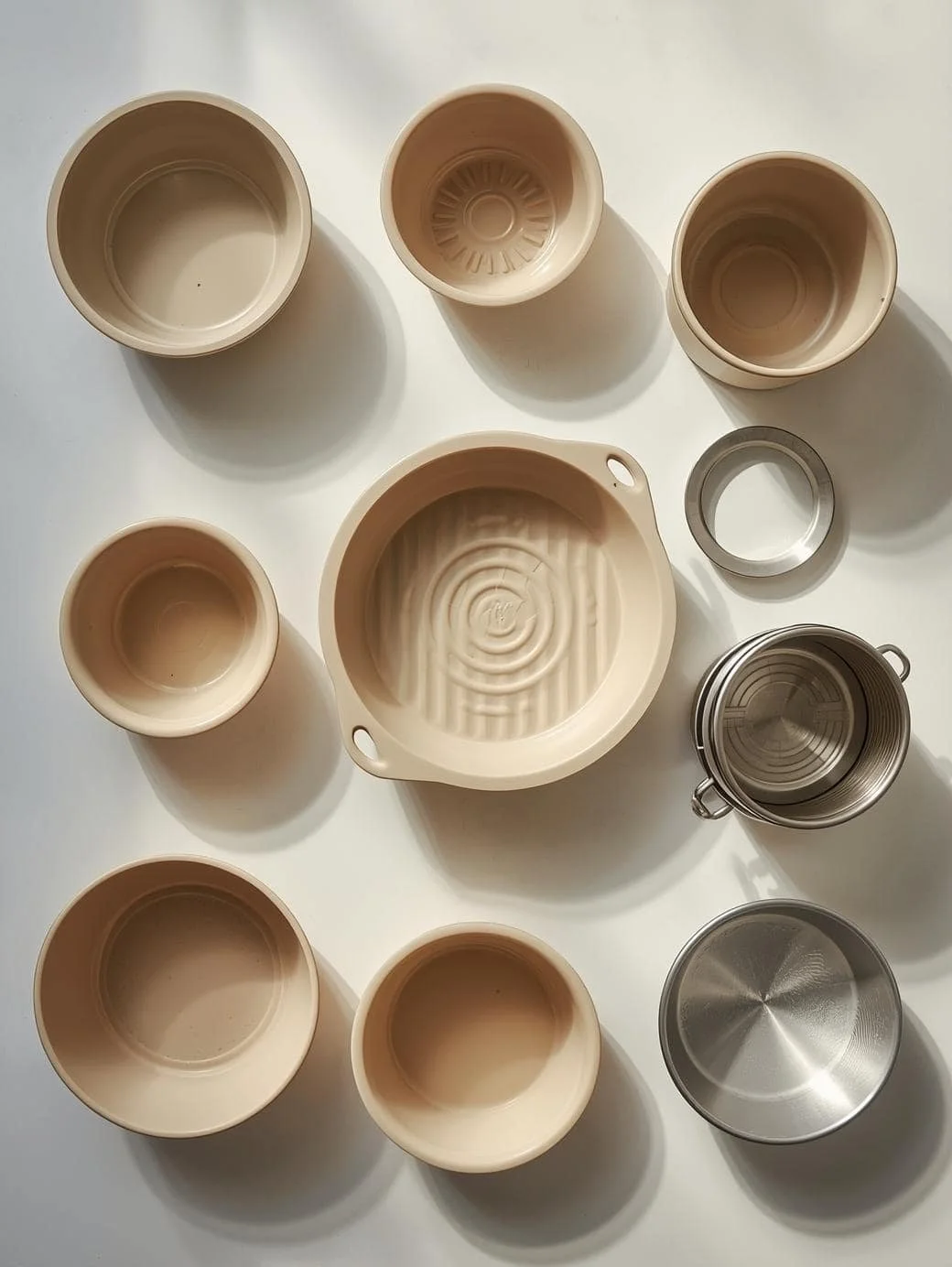
Performance for common baked goods
Match the pan to the recipe for best results. Here’s how silicone bakeware vs metal bakeware performs by item.
- Cakes and layer cakes
- Metal: Better browning and predictable dome. Use greased pans for easy release.
- Silicone: Great for unmolding novelty shapes and bundt-style cakes. Use a rimmed tray for support.
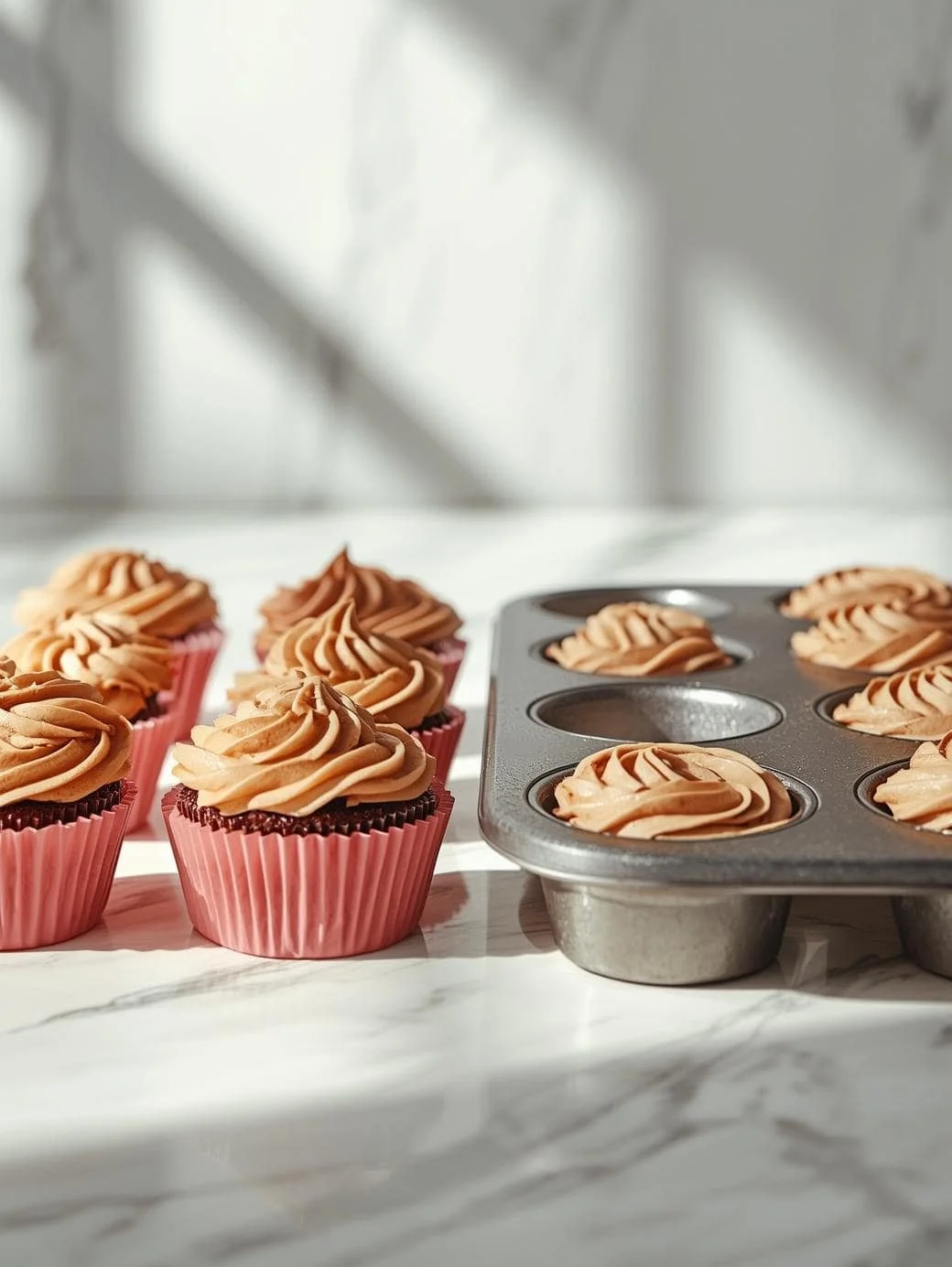
- Muffins and cupcakes
- Metal: Even rise and crisp edges. Use paper liners or grease.
- Silicone: Easy release and reuseable liners, but expect softer sides.
- Cookies
- Metal: Best for crisp bottoms and even spreading.
- Silicone: Works for softer, chewy cookies, but may slow spreading and browning.
- Breads and quick breads
- Metal: Preferred for crusty loaves and golden crust.
- Silicone: Good for moist quick breads when crispness is not a priority.
- Custards, jellies, and frozen desserts
- Silicone: Excellent for unmolding smooth shapes.
- Metal: Only when an acid-stable or rigid form is needed.
I learned the hard way to put silicone loaf pans on a metal baking sheet. That simple tip stops wobbling and gives more even baking.
Durability, maintenance, and cleaning
Care affects how long each pan lasts. Silicone bakeware vs metal bakeware differ in wear patterns and maintenance.
- Cleaning
- Silicone: Usually dishwasher-safe and easy to clean by hand with warm soapy water. Oils can cling to some cheap silicone; a baking soda scrub helps.
- Metal: Hand washing preserves nonstick coatings. Most are dishwasher-safe but repeated dishwasher use can dull finish.
- Warping and damage
- Silicone: Flexible; does not warp with heat but can tear if cut. Not affected by rust.
- Metal: Thin metal pans may warp at very high temperatures. Avoid stacking heavy items on nonstick surfaces.
- Longevity
- Silicone: Long life if quality is good; can absorb fats or odors over very long use.
- Metal: High-quality stainless or aluminized steel can last decades if cared for.
- Stains and odors
- Silicone: Can retain strong flavors (garlic, curry) if used for savory and not cleaned promptly.
- Metal: Stains less; acid foods can react with some metals if uncoated.
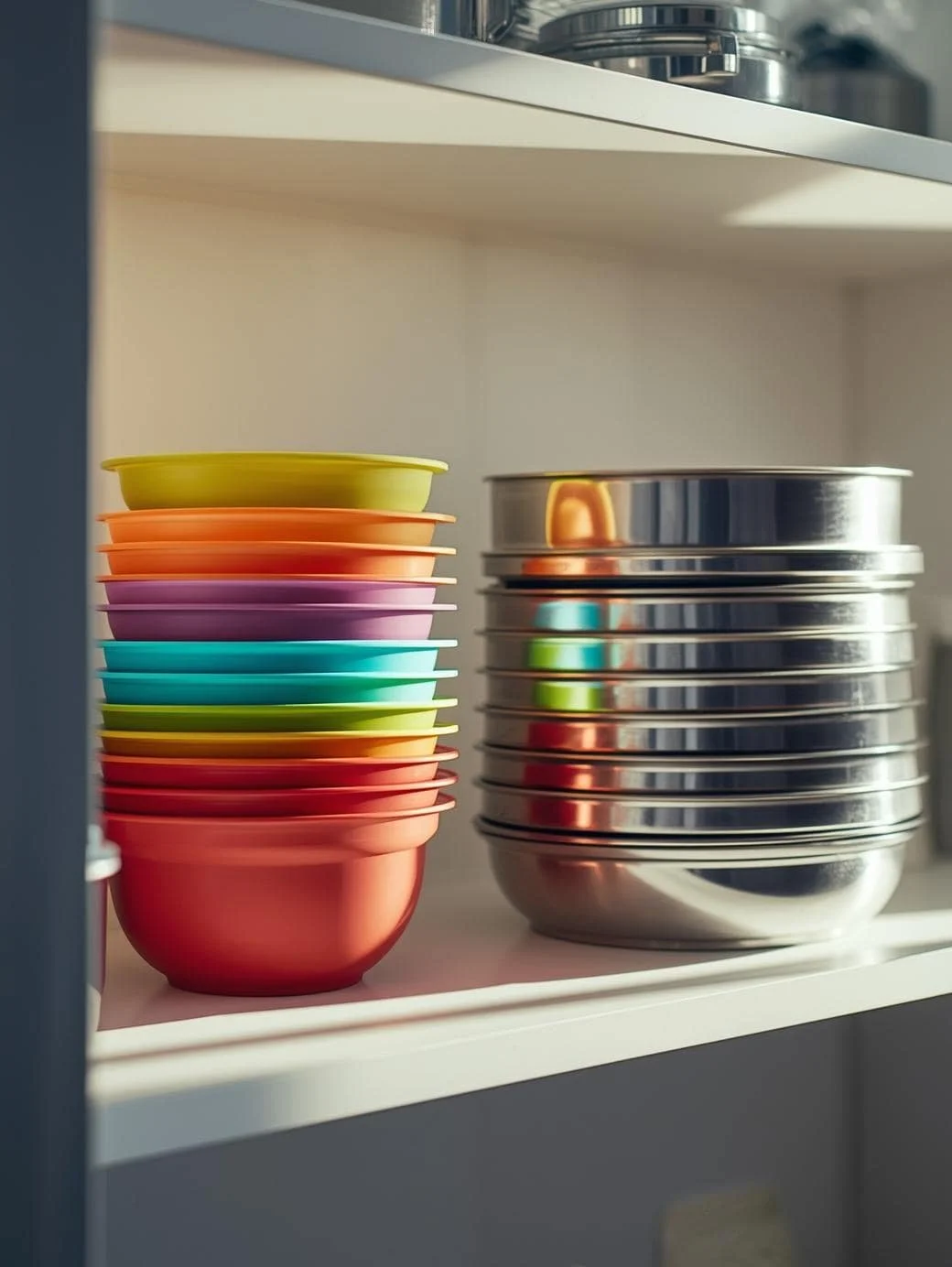
From experience, a mid-priced metal pan plus a couple of silicone molds gives great flexibility. Use metal for everyday baking and silicone for specialty shapes.
Safety, health, and temperature limits
Safety is a major concern when comparing silicone bakeware vs metal bakeware. Knowing limits and labels keeps food safe.
- Temperature ratings
- Silicone: Most food-grade silicone is oven-safe from -40°F to about 428°F to 500°F (varies by product). Check manufacturer ratings.
- Metal: Safe at all standard baking temperatures; high-heat grilling or broiling can damage some nonstick coatings.
- Food safety
- Silicone: Food-grade silicone is inert and stable at baking temps. Avoid low-quality silicone that contains fillers.
- Metal: Stainless and aluminized steel are stable. Nonstick coatings may degrade over time if scratched or overheated.
- Chemical concerns
- Silicone: Scientific reviews indicate properly made silicone is safe for baking. Still, use tested products with food-grade labeling.
- Metal: Avoid acidic long-term storage in reactive metals. Nonstick coatings should be replaced if flaking occurs.
I always check product labeling and avoid mystery brands. A reliable silicone pan labeled food-grade with a wide safe-temp range has never caused issues in my kitchen.
Cost, sustainability, and lifecycle
Price and environmental factors matter. Compare silicone bakeware vs metal bakeware on cost and impact.
- Upfront cost
- Silicone: Mid-range price; novelty molds can be pricier by shape. Often cheaper than high-end metal.
- Metal: Wide range; inexpensive thin pans are cheap, while heavy-duty alloy pans cost more.
- Longevity and replacement
- Silicone: Good quality silicone lasts many years, but cheap versions may degrade faster.
- Metal: High-quality metal can last decades, lowering long-term cost.
- Environmental impact
- Silicone: Not widely recycled in curbside programs; production has a larger manufacturing footprint but long life reduces per-use impact.
- Metal: More widely recyclable; aluminum and steel recycling streams exist and reprocessing is common.
If sustainability matters, invest in durable metal pans or high-quality silicone you intend to use for many years. Consider recycling options for worn-out metal but understand silicone recycling is limited.
Practical tips: choosing and using each type
Here are actionable tips from years of testing silicone bakeware vs metal bakeware.
- Choosing pans
- Pick metal for cookies, breads, and any recipe that benefits from browning.
- Pick silicone for shaped cakes, quick unmolding, and frozen desserts.
- Using silicone successfully
- Place silicone pans on a metal baking sheet for stability.
- Reduce oven temperature by 10–25°F and monitor bake times; some recipes may require extra minutes.
- Using metal successfully
- Grease or line pans when needed, and avoid metal utensils on nonstick coatings.
- Rotate pans halfway through baking for even color.
- Maintenance tips
- Avoid detergents with bleach for colorful silicone.
- Hand wash nonstick metal to prolong coating life.
- Common mistakes to avoid
- Don’t put lightweight silicone on a rack without support.
- Don’t use scratched nonstick pans at high heat or with metal tools.
My go-to setup: two heavy-weight metal sheet pans, a set of aluminized cake pans, plus a few silicone molds for specialty desserts. That combination covers nearly every recipe I bake.
Frequently Asked Questions of silicone bakeware vs metal bakeware
Is silicone bakeware safe to use in the oven?
Yes. Food-grade silicone rated for oven use is safe and stable at typical baking temperatures. Always check the manufacturer’s temperature rating and avoid using damaged silicone.
Will silicone bakeware affect baking time?
Silicone often requires slightly longer baking times because it conducts heat more slowly. Monitor doneness with a toothpick or an instant-read thermometer and place the mold on a tray to stabilize it.
Can I get a crispy crust using silicone bakeware?
Crispy crusts are harder with silicone because it reduces surface browning. For a crisper result, finish under a brief broil on a metal tray or transfer batter to a metal pan when possible.
Does metal bakeware stick more than silicone?
Metal can stick if not greased or lined, but a properly seasoned or greased metal pan releases well. Silicone usually releases more easily without greasing, especially for intricate shapes.
Which is better for cookies: silicone or metal?
Metal is generally better for cookies because of better heat transfer and browning. Use silicone for softer cookies or when you want to avoid paper liners and need easy release.
Conclusion
Choosing between silicone bakeware vs metal bakeware comes down to the results you want and how you bake. Metal delivers predictable heat, browning, and structure. Silicone gives easy release, flexibility, and convenience for shaped or delicate items. My practical advice: keep both types in your kitchen. Use metal for everyday roasting and crisping, and reach for silicone when you need perfect unmolding or space-saving storage.
Try one new combo this week: bake a batch of muffins in both metal and silicone versions to compare browning, texture, and timing. Share what you discover, subscribe for more baking tips, or leave a comment about your favorite pans.