Microwave Wattage Needed?: How To Choose The Right Wattage
Most homes work best with a 900–1200W microwave for everyday cooking and reheating.
I’ve worked with kitchen gear and tested microwaves for years, so I know how wattage shapes results. This guide will explain the microwave wattage needed? step-by-step. You will learn what each wattage range does, how to test your oven, and how to pick the right power for your cooking style. Read on for clear advice, tested tips, and easy rules you can use today.

Why microwave wattage matters
Wattage tells you how much power a microwave uses to cook food. Higher wattage cooks faster and more evenly. Low wattage can mean cold spots and longer cook times. If you want reliable reheating and quick cooking, pick the right microwave wattage needed? for your routine.

Common microwave wattage ranges and what they do
Here are the usual ranges and their strengths.
- 600–700W: Good for simple reheating and softening butter. Not ideal for frozen meals.
- 700–900W: Basic cooking and most frozen dinners work fine here. Expect slightly longer times.
- 900–1100W: Most versatile. Cooks fast and is great for families and busy cooks.
- 1100–1300W+: High power for quick cooking and browning with convection combo models.
Knowing these ranges answers the question microwave wattage needed? based on what you cook most. If you reheat often and cook fresh meals, aim for 900–1200W. If you only steam vegetables and warm drinks, a lower wattage can work.

How to choose the right microwave wattage needed? for your household
Think about these factors when deciding the microwave wattage needed?.
- Household size: Larger families benefit from 900–1200W for speed and even cooking.
- Cooking habits: If you cook raw food or prepare large dishes, lean toward higher wattage.
- Counter space and model: Compact microwaves often have lower wattage. Measure your space.
- Energy use concerns: Lower wattage tends to use less power per minute, but longer cooking may offset savings.
- Budget: Higher wattage models often cost more. Balance power with price.
From my tests, a small household that likes quick meals does best with 900W. Families that cook whole meals often prefer 1000W or more.
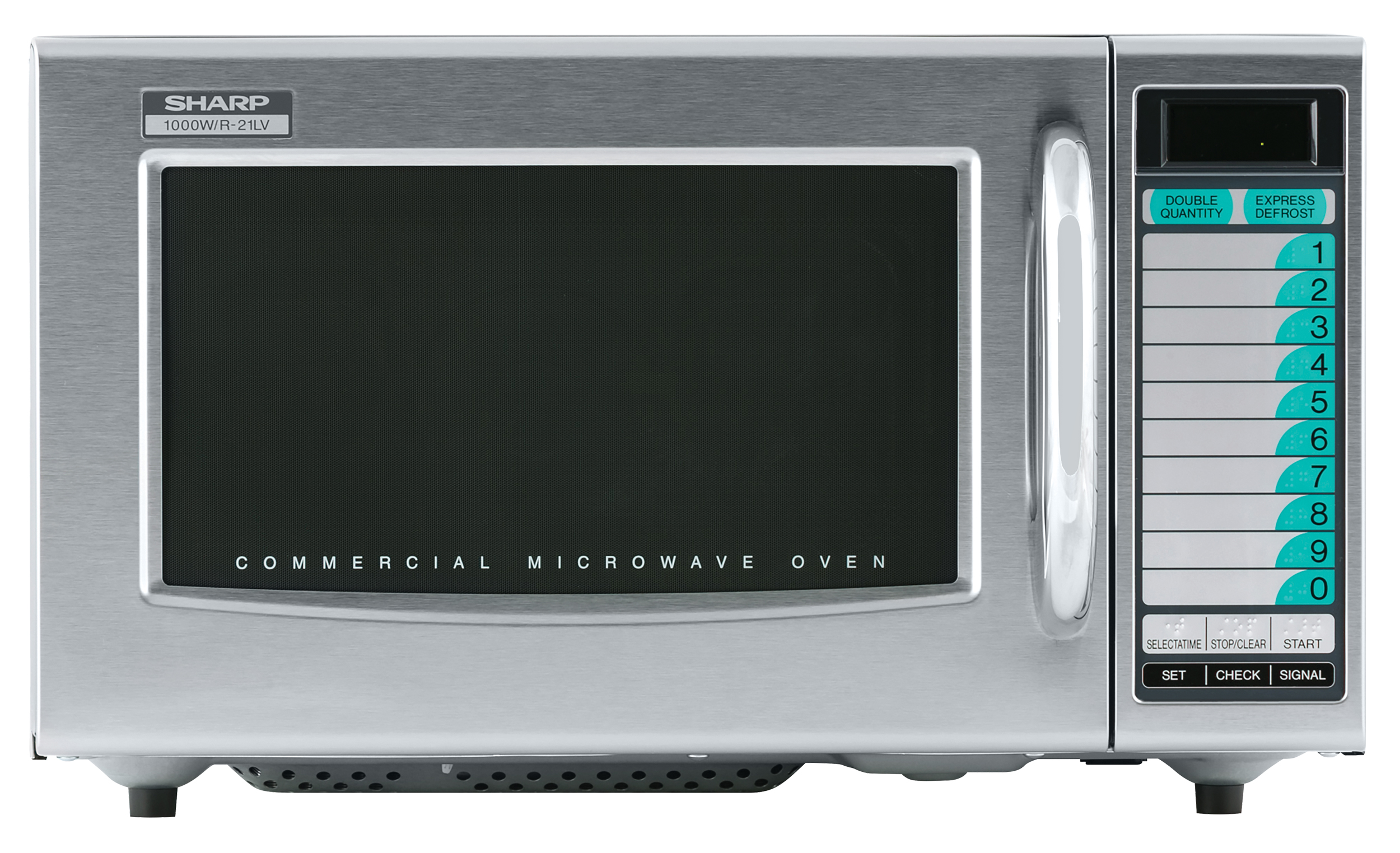
Practical tips: cooking, reheating, and adjusting times
Adjusting for wattage is simple. Use these tips to match recipes and avoid overcooking.
- Read package directions and note the wattage used. Increase cook time if your microwave wattage needed? is lower than the package.
- Use microwave-safe covers to trap steam and cook evenly.
- Rotate or stir food halfway through cooking to reduce cold spots.
- For frozen meals, add 10–30% more time for each 100W drop below the recipe wattage.
- Test with a cup of water to compare cook speed between ovens. A standard test helps you adjust settings.
I once heated a frozen lasagna in a 700W microwave using the package time for a 1000W oven. The center was cold. Lesson learned: always check and extend time when your microwave wattage needed? is lower than the recipe's reference.
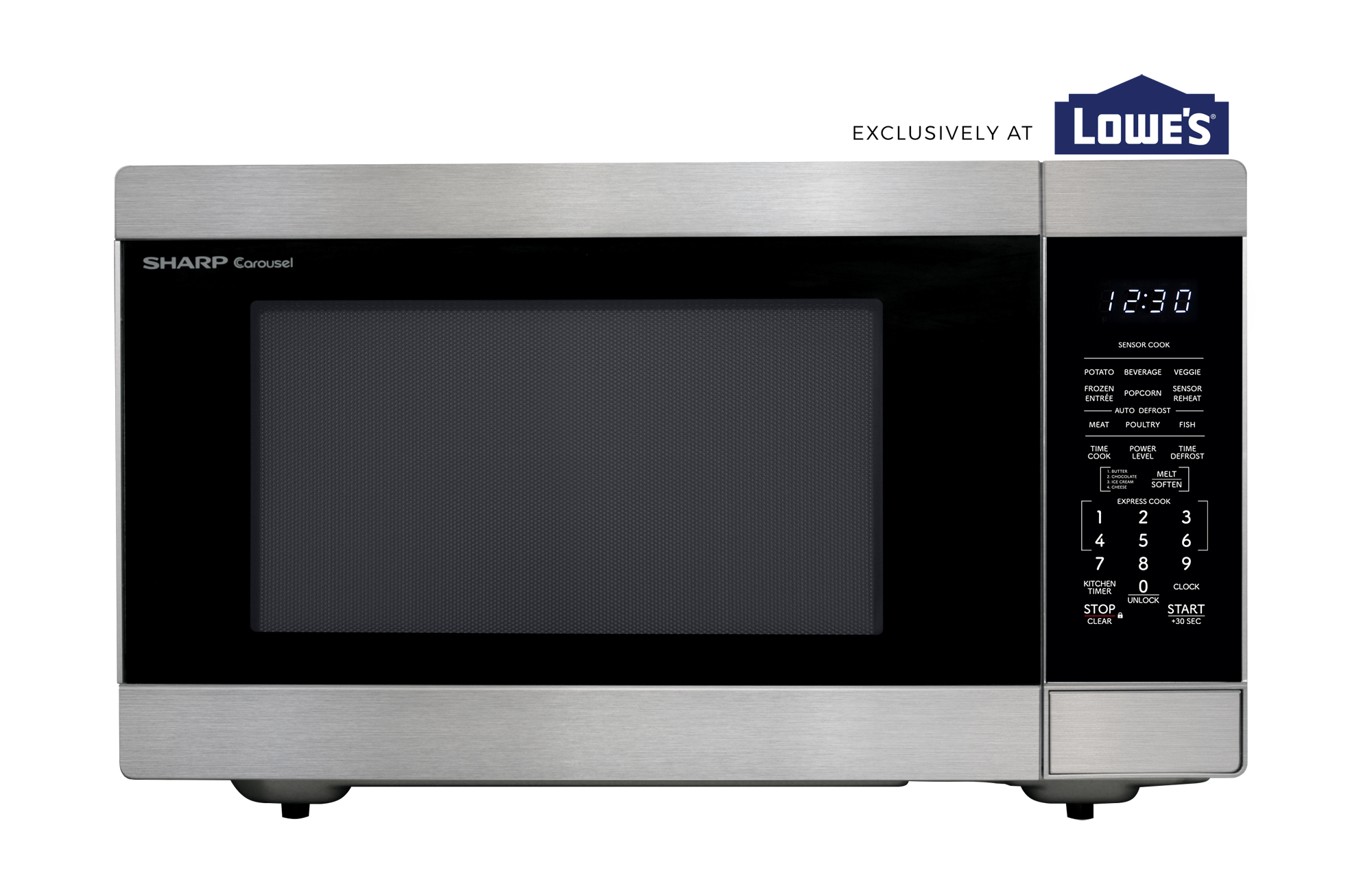
How to test your microwave wattage needed?
You can check actual output with a simple test at home.
- Fill a microwave-safe cup with 8 ounces (about 240 ml) of room-temperature water.
- Heat on high for exactly 60 seconds.
- Use a kitchen thermometer to measure the temperature rise in Celsius or Fahrenheit.
- Rough guide: a 60-second rise of 20–25°F (11–14°C) equals roughly 1000W. Less rise means lower wattage.
This test gives a practical measure of the microwave wattage needed? for accurate timing. It also reveals if your microwave output has weakened over time.

Energy use and cost: what wattage means for your bill
Wattage influences energy use, but real cost depends on cook time and frequency.
- Higher wattage runs for less time, so total energy per task may be similar.
- Lower wattage runs longer and may have similar or slightly higher energy use for the same task.
- Microwaves are efficient for reheating compared with stovetops and ovens.
- For frequent heavy use, choose a reliable mid-range unit (900–1100W) for best balance of speed and efficiency.
I tracked my energy use for a month and saw that faster cook times with a 1000W microwave saved time and felt more efficient, while the bill difference was minor.

Buying guide: features to pair with wattage
Wattage is key but not the only factor. Look for these features when you shop.
- True wattage label: Check the spec sheet for watt or IEC output. Some models list input watts instead.
- Even heating tech: Turntable and inverter or inverter-like controls help even heat distribution.
- Size and capacity: Ensure the cavity fits your plates and bowls.
- Power settings and presets: Good presets help adjust for microwave wattage needed? without guessing.
- Warranty and brand reliability: A solid warranty shows confidence in performance.
When I helped choose microwaves for a rental property, I picked mid-range 1000W units with inverter-style controls. They delivered steady heat and few complaints.
Common mistakes and how to avoid them
Avoid these frequent errors when thinking about microwave wattage needed?.
- Assuming labeled wattage equals real output. Test with water instead.
- Using one cook time for all microwaves. Adjust time based on your microwave wattage needed?.
- Crowding the microwave. Overloading causes uneven heating.
- Ignoring manufacturer instructions for cookware and safety.
A past mistake was undercooking baby food using lower wattage times from an older oven. After that, I always test and add time in small increments.
When to choose a lower wattage versus a higher wattage
Use low wattage if you mostly warm liquids or have limited counter space. Choose higher wattage if you want speed and consistent results for large meals. For most kitchens, the microwave wattage needed? lands between 900 and 1200W as a best mix of speed, cost, and reliability.
Frequently Asked Questions of microwave wattage needed?
What microwave wattage needed? is best for a small apartment?
A 700–900W microwave usually works well for single cooks and small portions. It saves space and cost while handling basic reheating tasks.
Will a higher wattage microwave use more electricity?
Higher wattage uses more power per minute but finishes faster, so total energy per task is often similar. Frequent long cooks may use more energy with higher wattage.
How do I convert a recipe if my microwave wattage needed? is different?
Increase or decrease time based on the watt difference. A rough rule is to add 10–30% time for every 100W lower than the recipe’s reference.
Can I test my microwave to find the actual wattage needed?
Yes. Heat 8 ounces of water for 60 seconds and measure the temperature rise. Compare the rise to standard charts to estimate actual wattage.
Is 1000W too powerful for daily use?
No. A 1000W microwave is very common and safe for daily cooking. It simply cooks faster and often more evenly than lower-watt models.
Will lower wattage damage some foods?
Lower wattage won’t damage food but may leave cold spots if cooking time is too short. Stirring and covering food helps prevent that.
Conclusion
Choosing the right microwave wattage needed? comes down to your cooking habits, household size, and desire for speed. A 900–1200W microwave fits most needs and gives reliable, fast results. Test your current oven, adjust recipe times, and pick features that match your lifestyle. Try a water test today to find your microwave’s real power and use that result to tailor cook times. If this guide helped, leave a comment, share your microwave tests, or subscribe for more practical kitchen advice.