Which Microwave Size?: Find The Best Fit
Most households need 1.0–1.6 cu ft; larger families should choose 2.0+ cu ft.
Choosing the right microwave size can save counter space, speed up cooking, and avoid wasted energy. I’ve tested and fitted microwaves into small apartments and large kitchens. This guide explains which microwave size? works best for different needs, shows real-life tradeoffs, and gives a clear buying checklist you can use today. Read on to pick a size that fits your meals, kitchen, and lifestyle.
How to decide which microwave size?
Start by matching the microwave capacity to how you cook. Think about plate and dish sizes, the number of people you cook for, and the typical food you heat. For light use like reheating coffee or microwavable meals, smaller sizes work well. For family meals, larger capacity avoids awkward rearranging or rotating dishes.
Common microwave sizes and what they fit
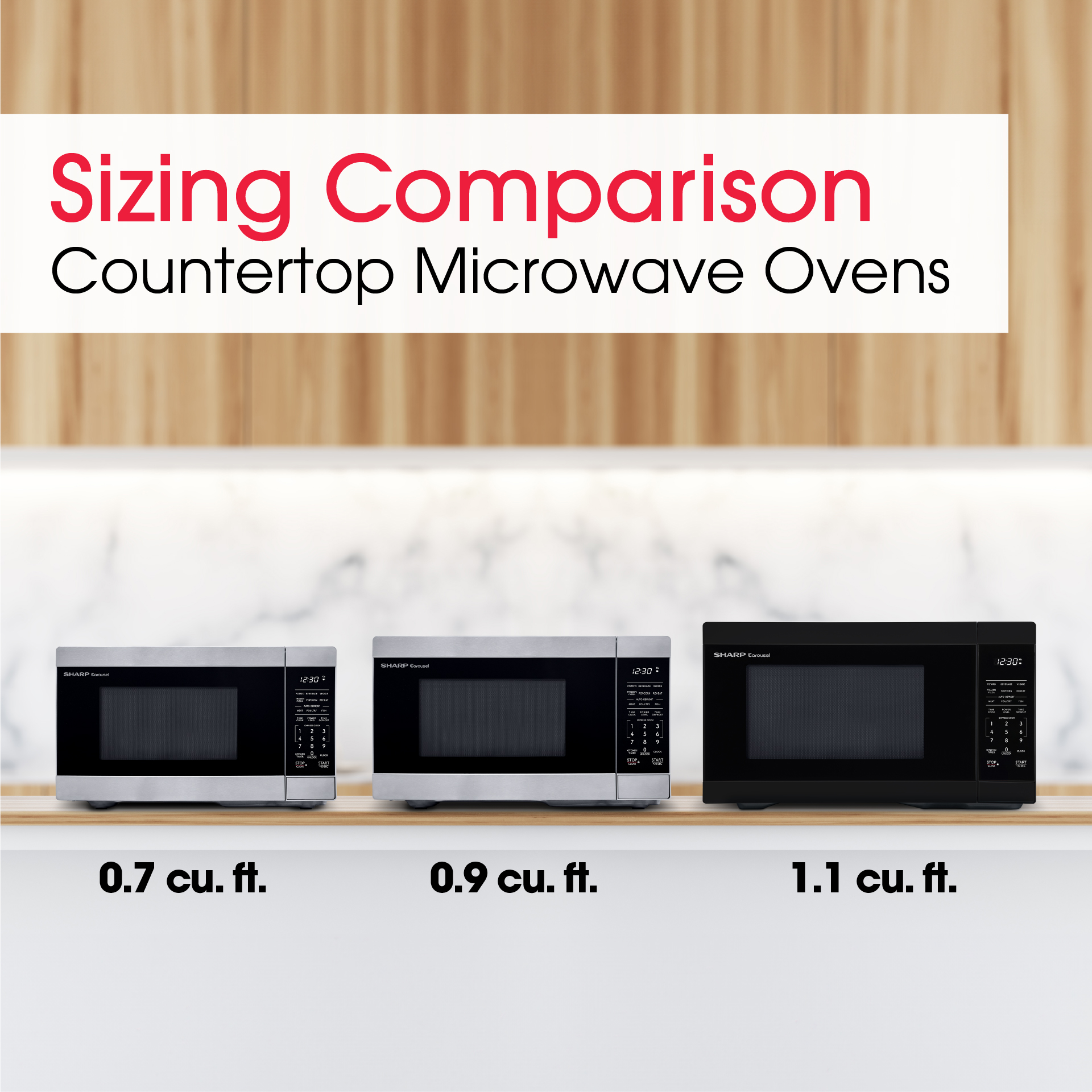
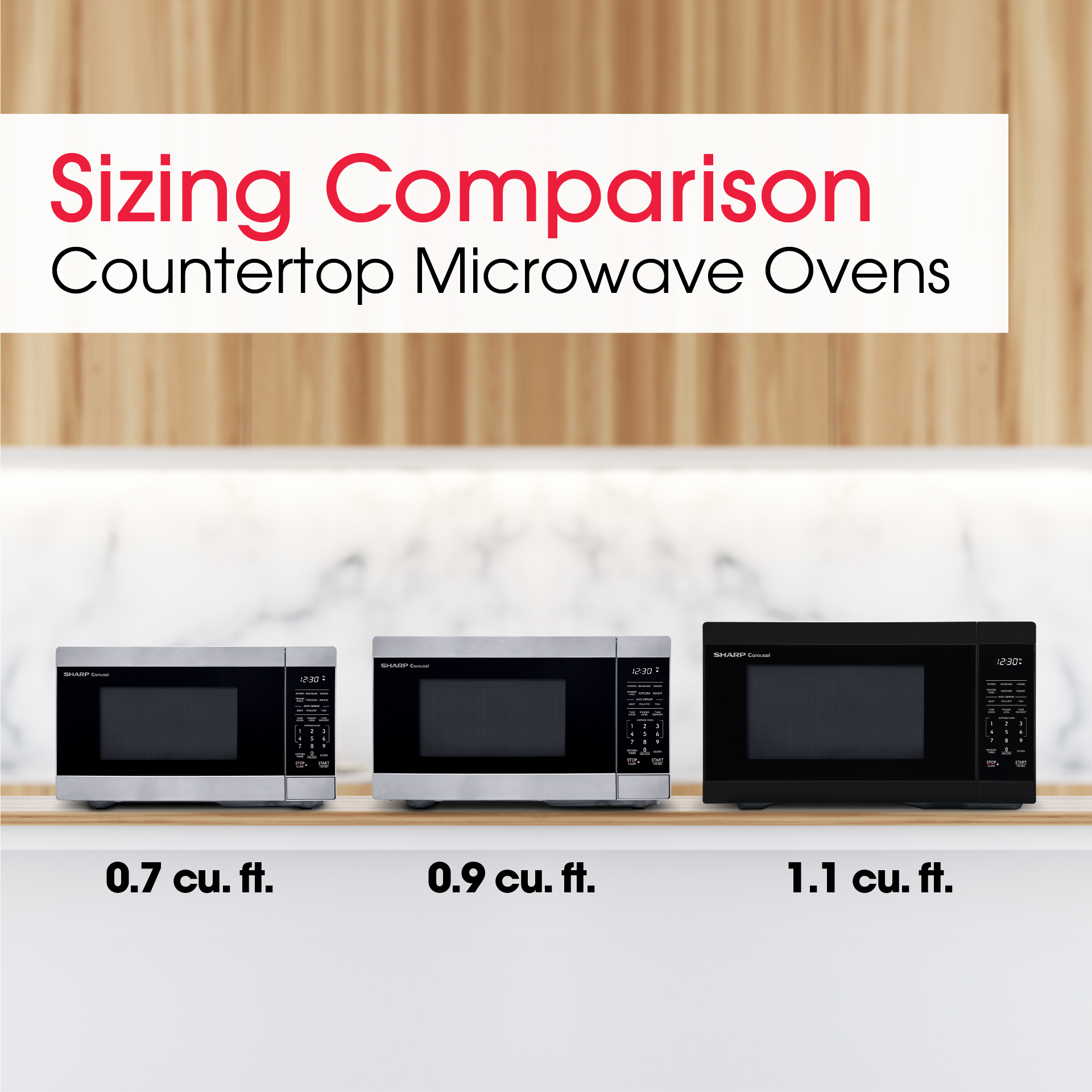
- 0.5 to 0.8 cubic feet – Compact models for dorms and tiny kitchens. These fit small plates and single-serving containers.
- 0.9 to 1.0 cubic feet – Small countertop microwaves that fit most dinner plates. Good for singles or couples with limited space.
- 1.1 to 1.6 cubic feet – The sweet spot for many households. These fit standard dinner plates, bowls, and medium casserole dishes.
- 1.7 to 2.2 cubic feet – Large countertop or over-the-range units for families. They fit larger casserole dishes and multiple plates.
- 2.3+ cubic feet – Built-in or commercial-size models for big families or frequent entertainers. Best for big dishes and bulk cooking.

Factors to consider when choosing which microwave size?
- Plate and dish sizes matter. Measure the largest plate or casserole you use and add at least 1 inch clearance.
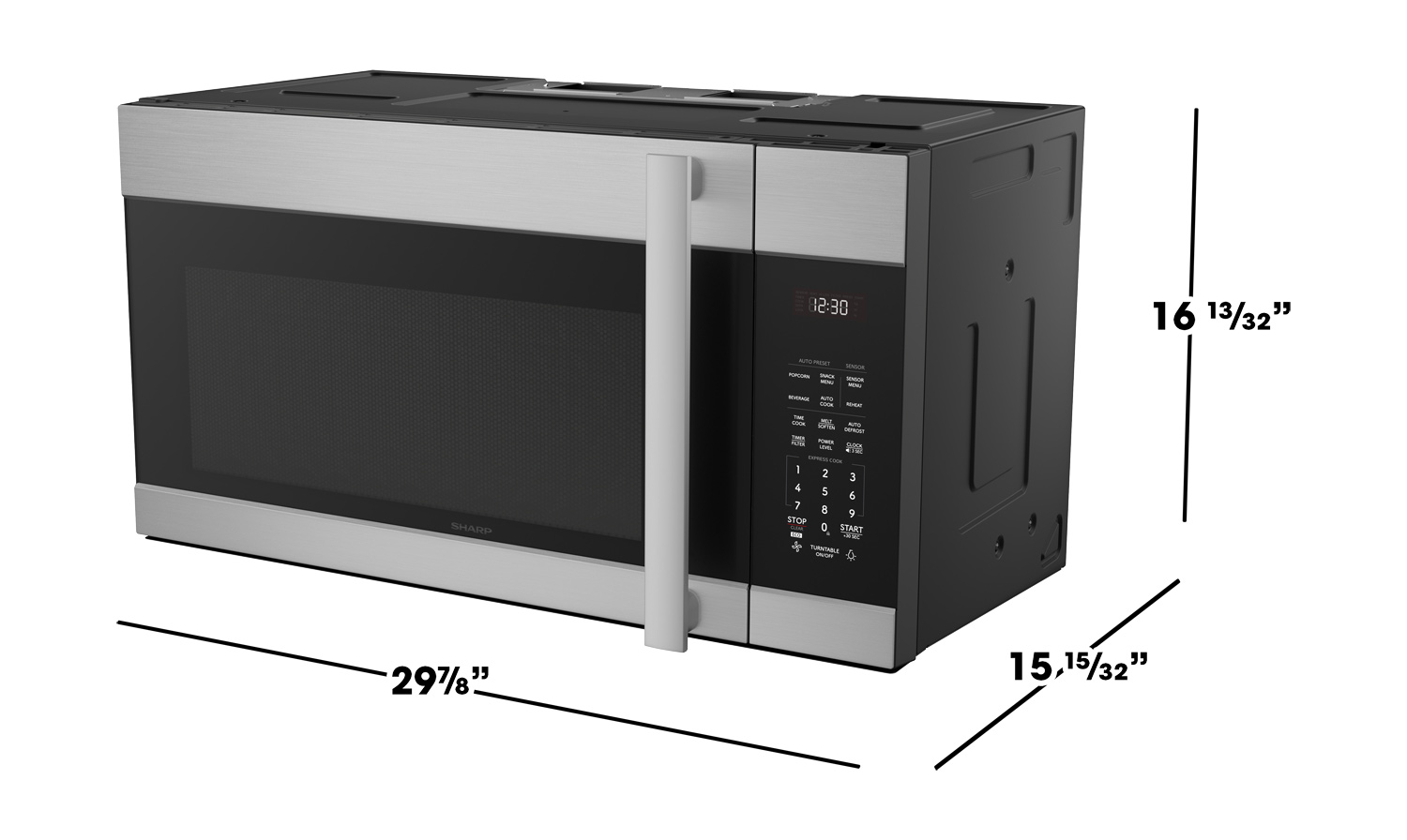
- Kitchen space and ventilation affect whether a countertop, over-the-range, or built-in model fits your layout.
- How often you cook determines capacity. Daily full-meal cooks need more space than someone who reheats lunches.
- Power and features change performance. Higher wattage heats faster even in smaller sizes.
- Budget and installation costs can change with size. Built-in large units cost more to buy and install.
Kitchen layout and installation types
Countertop microwaves sit on the counter and are easy to move. Over-the-range units save counter space but need proper venting and height. Built-in microwaves create a clean look but require cabinet modifications. Choose the installation type before you decide which microwave size? will fit without extra remodel work.
Power, capacity, and real usable space
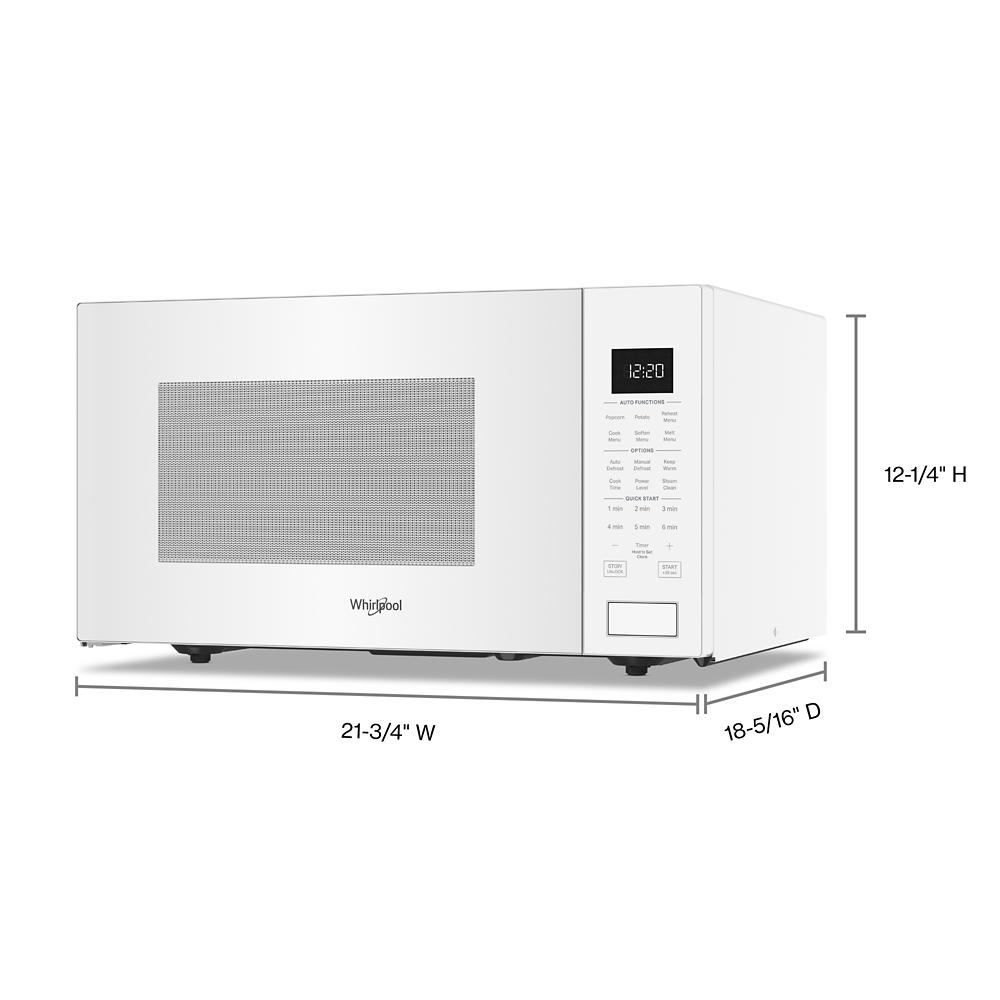
Cubic feet measure interior volume. But shape and turntable size affect usable space. A 1.6 cu ft microwave with a large square interior may fit more than a rounded 1.8 cu ft model. Wattage matters too; a 1,000 W microwave cooks faster than a 700 W unit. When comparing models, check interior dimensions and wattage, not just capacity.
My personal experience choosing which microwave size?
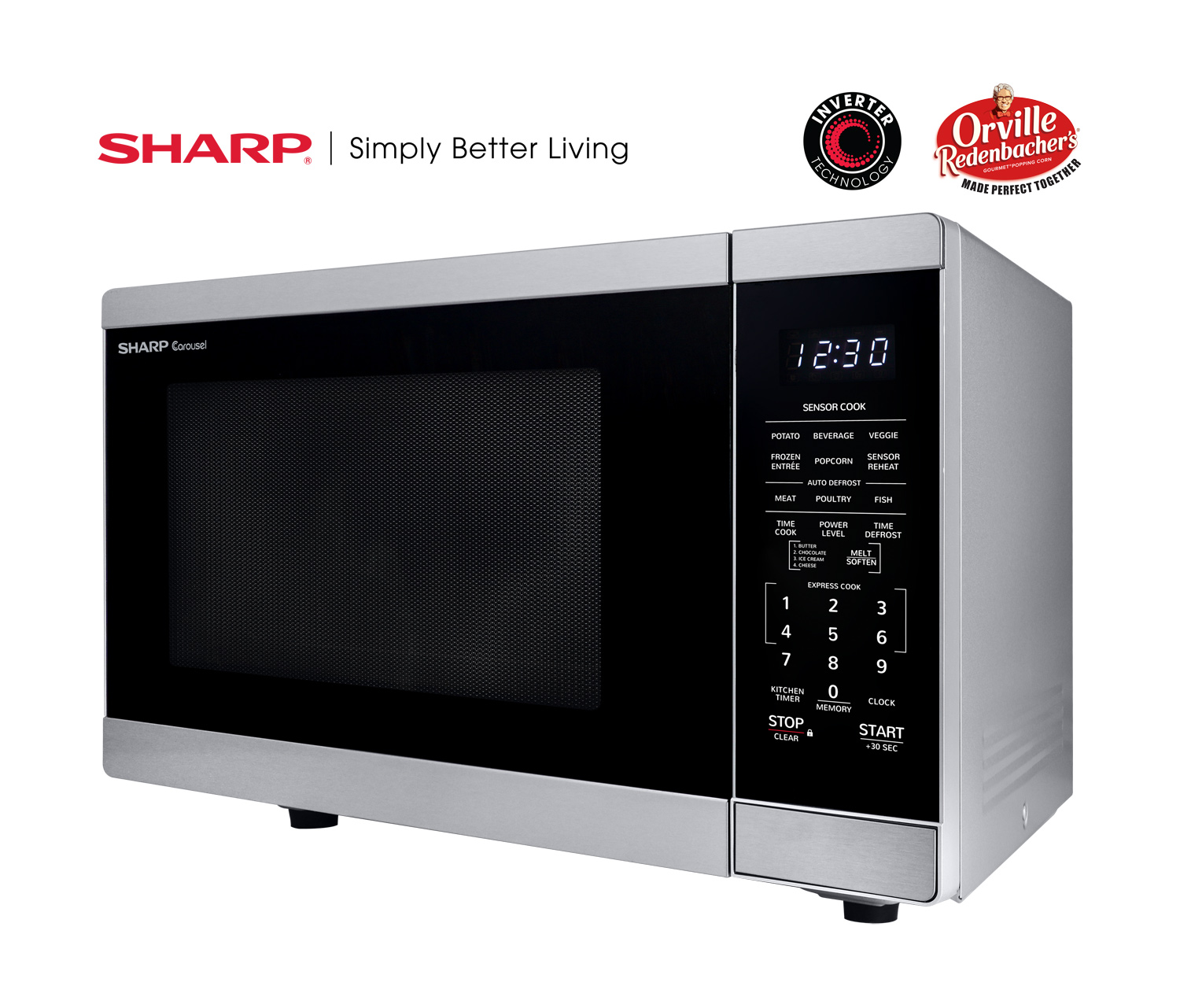
I once bought a 1.0 cu ft microwave for a small kitchen. It fit plates but not my 9×13 casserole dish. I learned to measure dishes first. Later, upgrading to a 1.6 cu ft model solved the problem without crowding the counter. Lesson learned: measure and test with your biggest dish before buying.
Practical buying checklist for which microwave size?
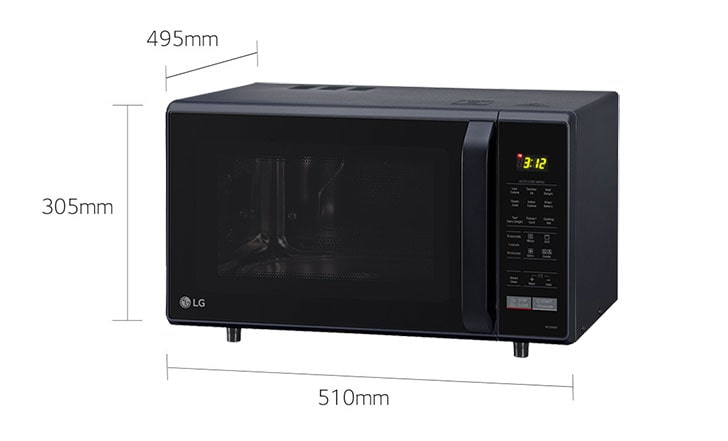
- Measure your largest dish width, depth, and height before shopping.
- Measure the installation space and allow clearance for ventilation.
- Match wattage to your cooking needs; 800–1200 W is common.
- Decide if a turntable or flatbed is better for your dishes.
- Consider style and cost: built-in and over-the-range add installation costs.
Maintenance, lifespan, and cost tradeoffs by size
Larger microwaves cost more upfront and may use slightly more energy. Smaller units are cheaper and last long if used gently. Clean interiors frequently to avoid odors and hot spots. If you use the microwave for full meals daily, invest in a higher wattage, larger unit for faster, even cooking.
Frequently Asked Questions of which microwave size?
What microwave size is best for a single person?
A 0.9 to 1.0 cu ft microwave is usually ideal. It fits dinner plates and saves counter space.
Which microwave size is best for a family of four?
Aim for 1.6 to 2.2 cu ft for families. This range fits larger plates and casserole dishes comfortably.
Can a larger microwave save cooking time?
Not always; wattage matters more. A higher-watt microwave cooks faster regardless of size.
Is it better to choose a microwave by interior dimensions or cubic feet?
Measure interior dimensions for accuracy. Cubic feet gives a quick idea, but shape matters.
Will a built-in microwave require special planning?
Yes. Built-in units need cabinet modification and proper ventilation, so plan measurements and installation ahead.
How much space should I leave around an over-the-range microwave?
Leave the manufacturer-recommended clearance, typically a few inches above and on the sides for ventilation. Follow installation guides for safe operation.
Conclusion
Choosing which microwave size? comes down to measuring your dishes, matching capacity to your cooking habits, and considering installation type. Small units save space and cost less, while larger models give flexibility for family meals. Take action by measuring your largest dish, checking wattage needs, and using the buying checklist above to make a confident purchase. Leave a comment with your kitchen size or dish dimensions and I’ll help you pick the right microwave.