What Inverter Microwave?Benefits And Buying Guide
An inverter microwave delivers steady, adjustable microwave power for even cooking and safer defrosting.
I have worked with kitchen tech for years and tested many models. If you wonder what inverter microwave? this guide explains the tech, the benefits, and how to pick the right one. I will break down complex ideas into simple steps, share real tips from my tests, and help you decide with confidence. Read on to learn why an inverter microwave can change how you cook and reheat food every day.

What is an inverter microwave?
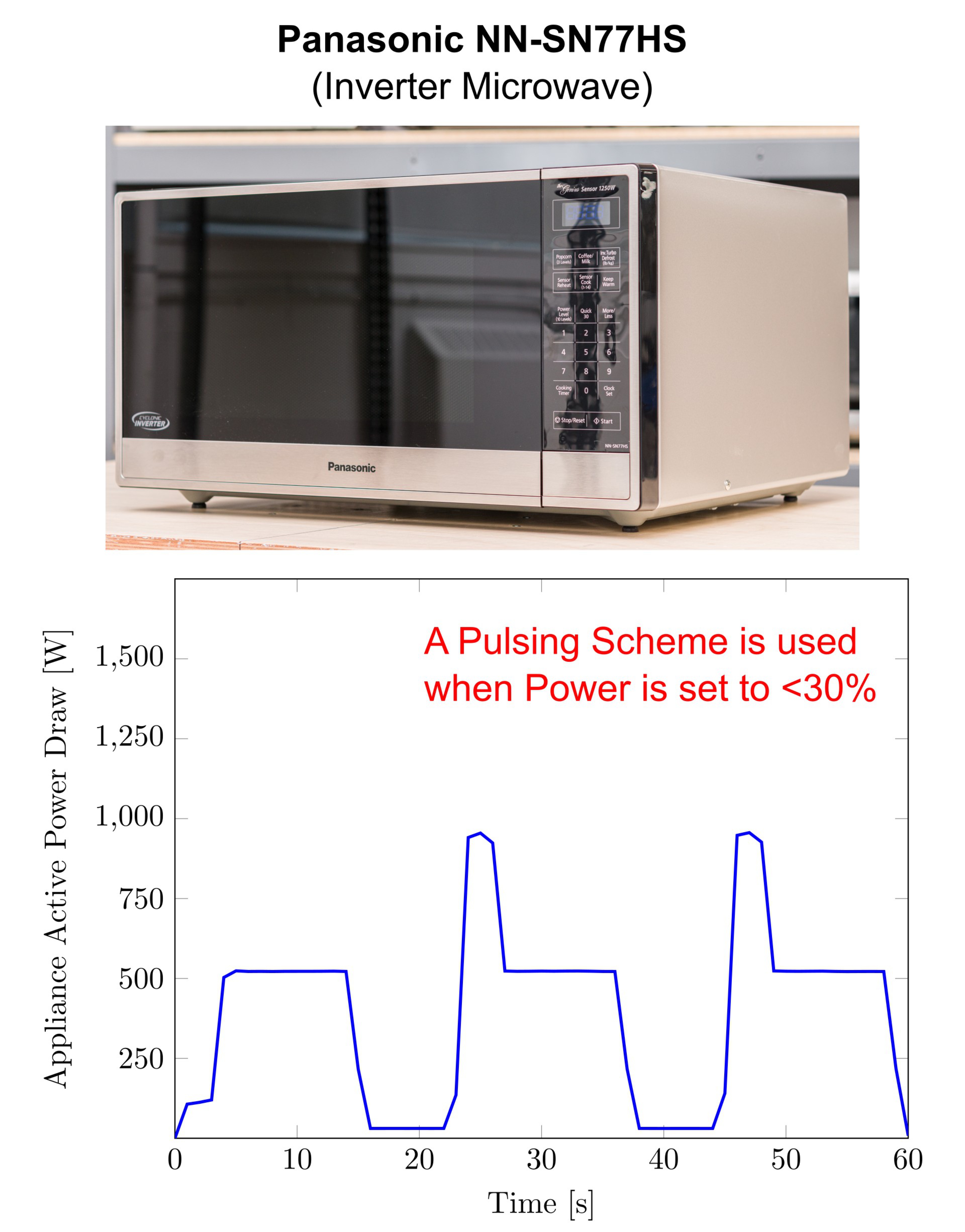
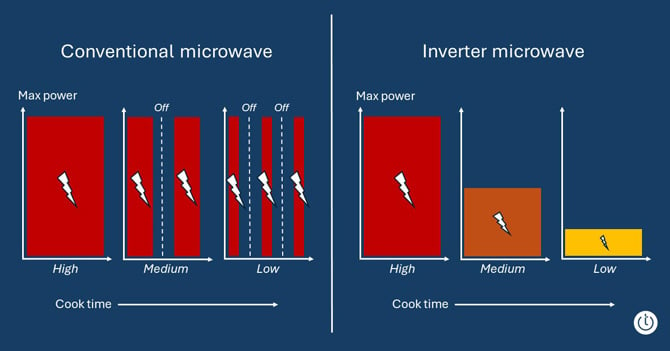
An inverter microwave uses electronics to vary microwave power smoothly. Traditional microwaves turn the magnetron fully on and off to approximate low power. An inverter design supplies continuous, controlled power at the level you choose. This gives steadier heat and more even results for cooking, reheating, and defrosting.
Many people ask what inverter microwave? and expect a short tech answer. It means the microwave does not pulse power on and off for low settings. Instead, it delivers a consistent flow of energy. That small change changes outcomes for delicate foods and frozen items.
How inverter microwaves work
Inverter microwaves replace simple on/off control with a power inverter circuit. The circuit converts and modulates electricity to the magnetron. This gives precise power levels instead of cycling at full power then off.
Think of it like a dimmable light. A regular microwave is like flipping the light quickly on and off to dim it. An inverter microwave is like using a dimmer switch to set the exact brightness you want. That steady power reduces hot spots and prevents overcooking edges while leaving centers cold.

Benefits of inverter microwaves
- More even cooking: Foods heat uniformly with fewer cold centers and hot edges.
- Better defrosting: Frozen items thaw gently without cooking outer layers.
- Improved texture: Eggs, fish, and sauces keep a better texture with controlled heat.
- Faster results: Continuous power often cooks or reheats items quicker in practice.
- Energy efficiency: Less wasted cycling can lower energy use for many tasks.
- Precise low-power work: Simmering or softening chocolate is easier with steady low heat.
From my tests, frozen vegetables defrost more evenly in an inverter model. I also found leftovers reheat less dry. Those real wins make a difference for daily use.
Drawbacks and limitations
- Higher upfront cost: Inverter models usually cost more than basic microwaves.
- Repair complexity: The inverter circuitry can be more expensive to fix.
- Feature variability: Not all inverter microwaves deliver the same control or interface.
- Misuse risk: Users may still overheat liquids unless they follow safety tips.
I once assumed every inverter microwave would heat the same. That was a mistake. Brand differences and component quality affect outcomes. Check reviews and test cycles if you can.
How to choose an inverter microwave
Consider these points when shopping:
- Capacity and interior size: Match the cavity size to your usual dishes.
- Wattage and power control: Look for clear power-level modulation and useful wattage ranges.
- Preset cooks: Defrost and sensor-cook features made for inverter models add convenience.
- Build and warranty: Electronics cost more to service—look for good warranties.
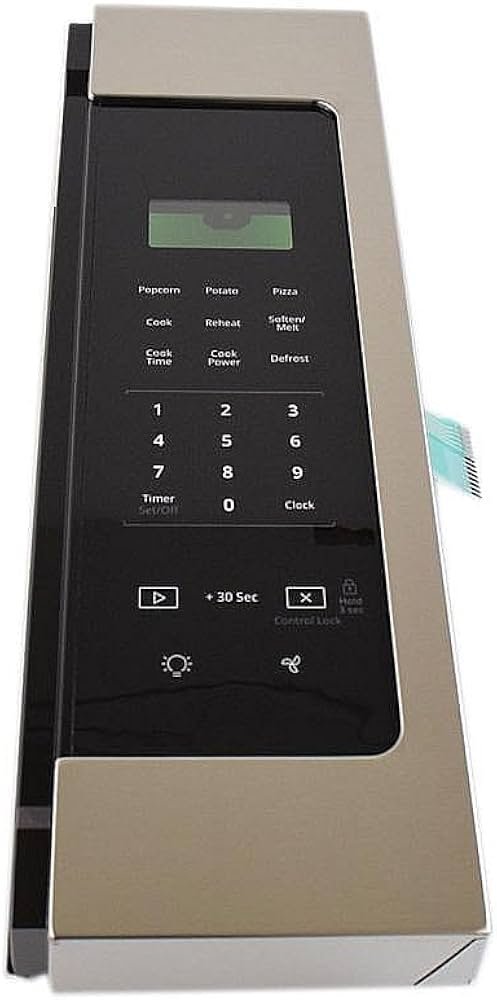
- User interface: Simple, labeled power levels beat obscure codes.
- Price vs value: Pay more for consistent cooking if you rely on the microwave daily.
When you test a unit, ask to run a simple cup-of-water test and a frozen-food defrost. That quick check shows how steady the heat is. If you still wonder what inverter microwave? use this checklist to compare options and avoid disappointment.
My personal experience and tips
I have used inverter microwaves in home and test kitchens. One tip I learned early is to trust lower power levels. Foods like sausages or custards need gentle heat. I reduced power and extended time for better texture.
Another lesson: stir often. Even with steady power, rotating or stirring helps. Use microwave-safe covers to trap steam and finish heat evenly. If you reheat liquids, pause and stir to avoid superheating. These simple habits maximize the benefits of inverter tech.

Maintenance and troubleshooting
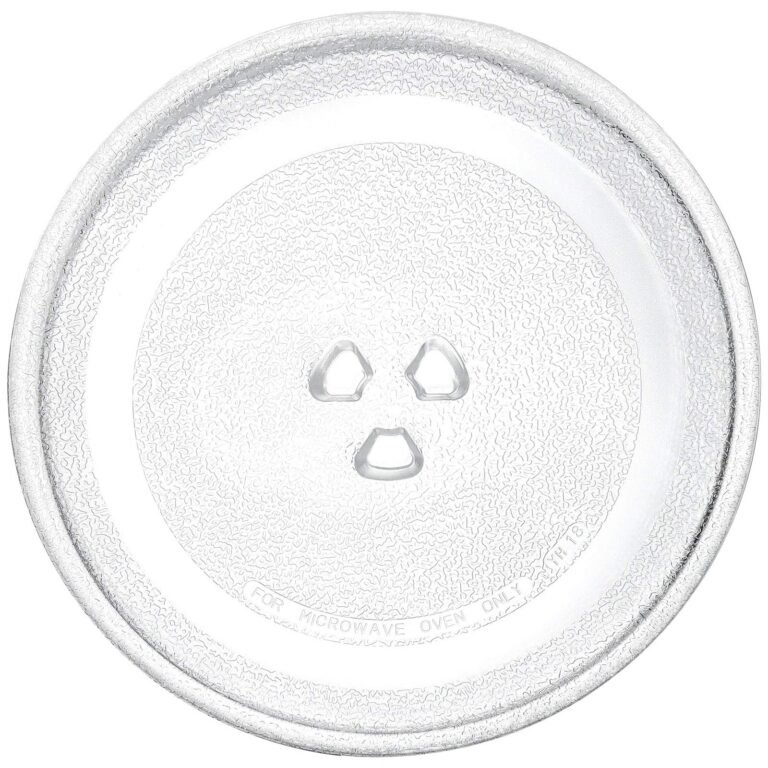
Keep the interior clean and dry. A wiped cavity and a clean turntable help heat distribute well. Check seals and door latches for a tight close.
If heating is uneven, try these steps:
- Test with a cup of water placed at the center and edges.
- Run at medium power and observe differences.
- Reset the unit by unplugging for a few minutes.
If error codes or burning smells appear, stop using the microwave and call service. The inverter circuit is delicate and repairs are best done by certified technicians.

Frequently Asked Questions of what inverter microwave?
What exactly is the difference between inverter and regular microwaves?
An inverter microwave supplies continuous, modulated power rather than cycling full power on and off. That makes heating more even, especially at low power settings.
Are inverter microwaves worth the extra cost?
Yes for many people. If you cook delicate foods or defrost often, the improved results justify the higher price. Casual users may not notice as much difference.
Can I use the same cooking times as a regular microwave?
You may need to adjust times slightly. Inverter models often cook faster at low and medium settings, so check food early and stir as needed.
Do inverter microwaves last as long as regular ones?
They can last similarly, but inverter electronics may be costlier to repair. Choose a model with a solid warranty to protect your investment.
Is an inverter microwave safer for defrosting meat?
Yes, inverter defrosting reduces cooked edges and helps thaw evenly, lowering the risk of partially cooked surfaces while the center remains frozen.
Will an inverter microwave save energy?
It can be more efficient for tasks that use lower power levels because it avoids wasteful on/off cycling. Savings vary by use patterns.
Conclusion
An inverter microwave gives smoother, more precise heat control. It improves defrosting, keeps food textures better, and makes everyday reheating more reliable. If you cook frequently or care about quality results, consider choosing an inverter model and follow simple tips like stirring and using gentle power levels. Try one in a store or read user tests to confirm the fit for your kitchen, and leave a comment sharing your experience or questions.