Why Microwave Sparks?: Causes And How To Prevent Them
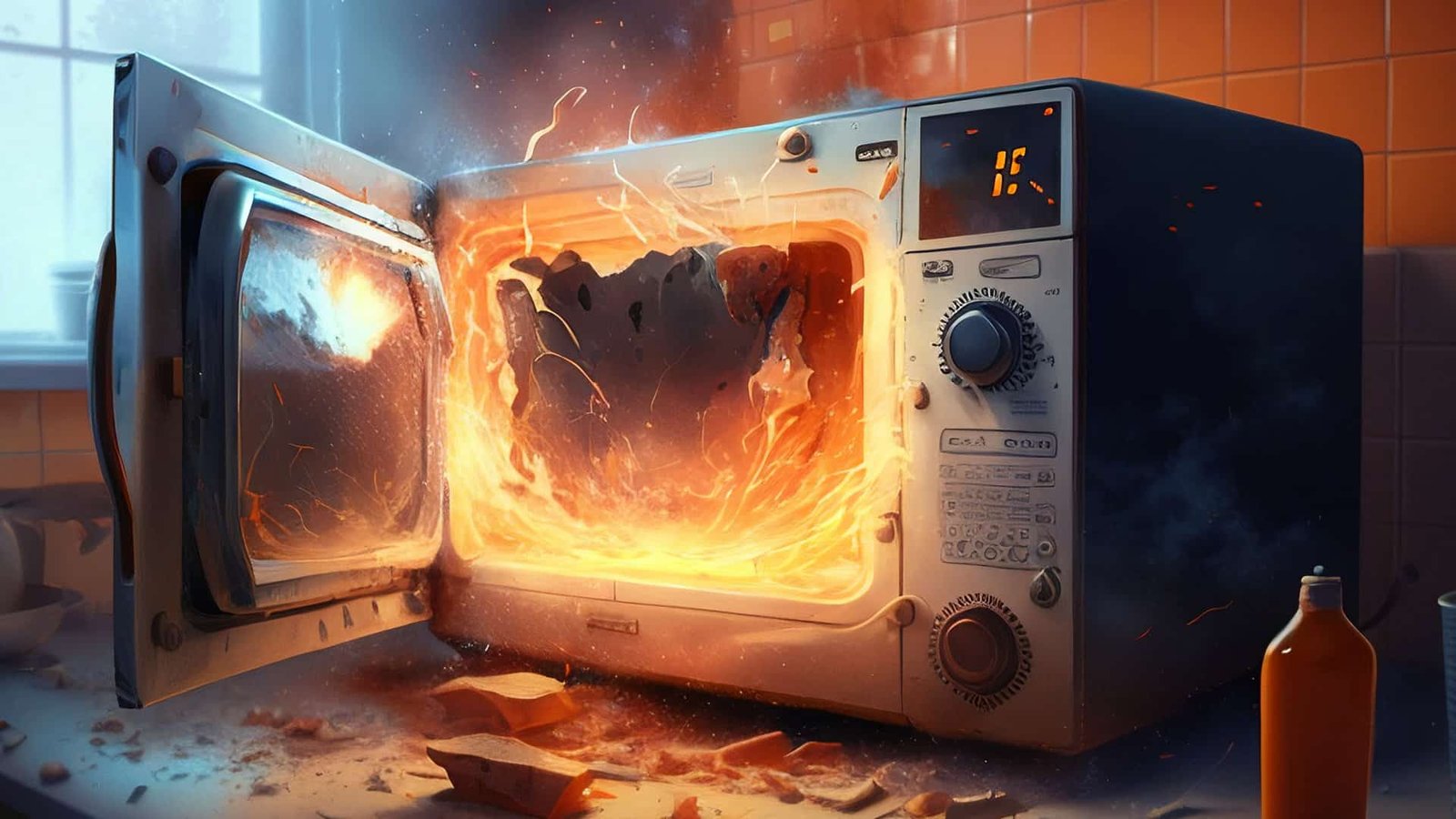
Metal edges, foil, or food debris concentrate microwaves and cause sparks (arcing).
I have spent years fixing kitchen appliances and testing microwave safety. This article explains why microwave sparks? in clear, simple terms. You will learn what causes sparks, the physics behind arcing, safe steps to take, and how to prevent damage. Read on to keep your microwave safe and working longer.
How microwaves work
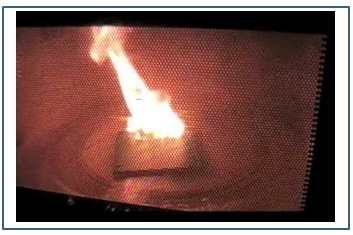
A microwave oven uses a magnetron to make radio waves. These waves make water and fat molecules vibrate. That vibration heats your food fast. If a metal object or sharp edge sits inside, it can upset the wave pattern and create sparks.
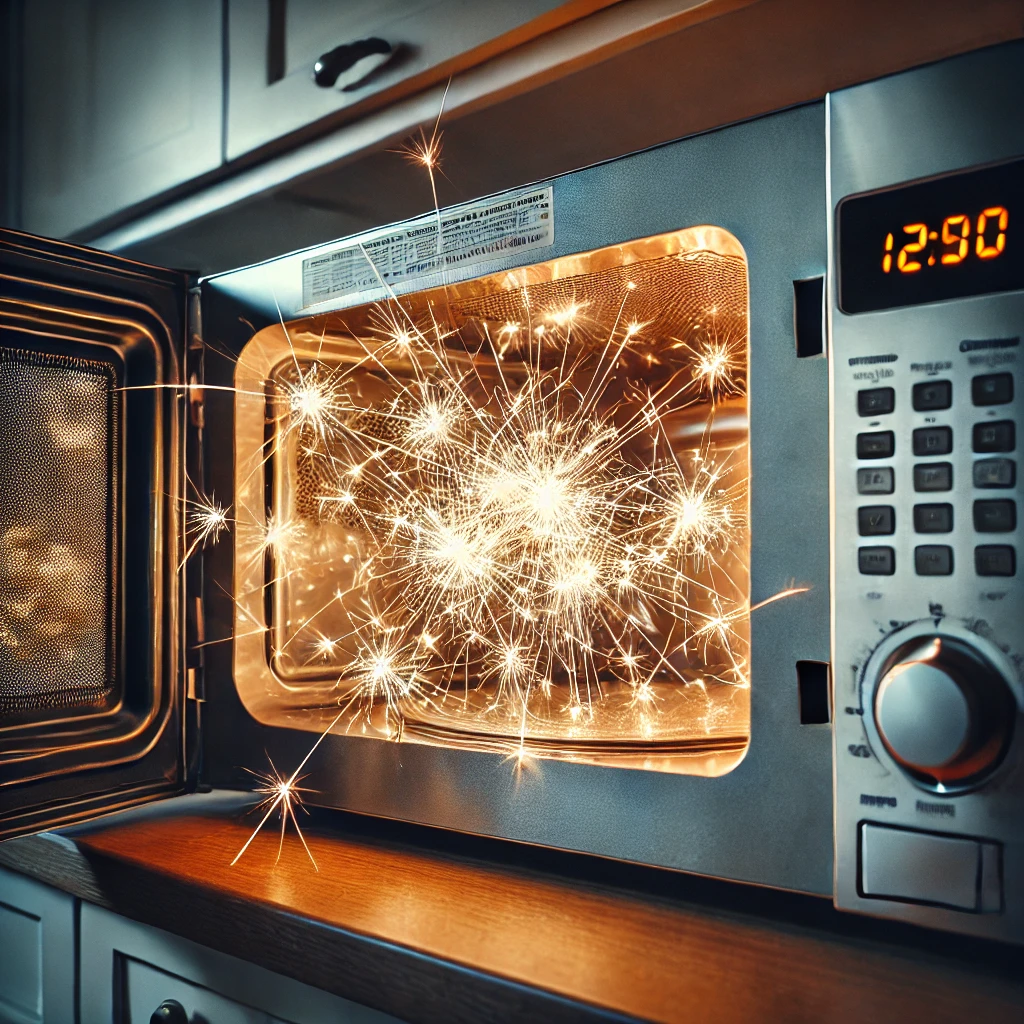
Common causes of sparks in a microwave
Sparks happen for simple and common reasons. Here are the main culprits for why microwave sparks?:
- Metal foil or plates left in the oven while heating food. They reflect microwaves and create hot spots.
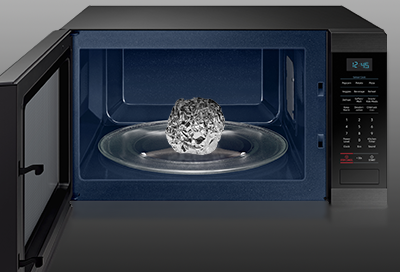
- Crumpled or thin pieces of foil that form sharp points. Points intensify the electric field and start arcing.
- Twist ties, staples, or metal rims on plates and containers. Small metal bits can spark quickly.
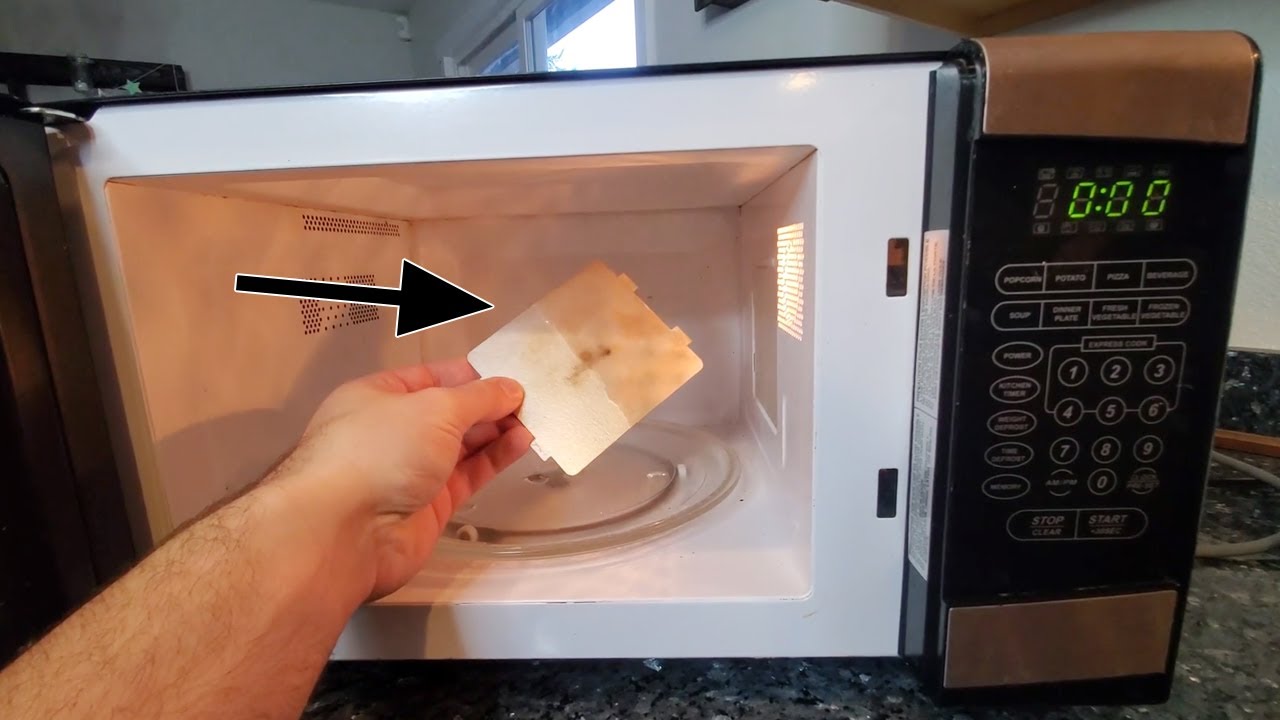
- Damaged microwave cavity coating or chipped enamel exposing metal. Exposed metal changes the field and can arc.
- Food splatters, burnt residue, or grease buildup. Built-up carbon or food bits can spark when hot.
- Bone fragments in meat or small metal fragments in packaged food. Hard, sharp bits focus energy and cause sparks.
Understanding these items helps answer why microwave sparks? and how to avoid it.
The physics behind the spark
Sparks in a microwave are a type of electrical arcing. Microwaves create high-frequency electric fields inside the cavity. When the electric field concentrates at a sharp point or thin metal, electrons jump through the air. That jump is a spark, also called an arc. Sparks can heat metal fast and can damage the magnetron or start fires if left unchecked. This is the core reason behind why microwave sparks?.

What to do when your microwave sparks
Stay calm and follow safe steps. Do not open the door if the oven is on; first turn it off. Then unplug the microwave or switch off the breaker if you can do so safely. After power is off, open the door and inspect for foil, metal, or burnt food.
- Remove any metal or foil with care and proper tools.
- Clean food splatter or burnt spots with mild soap and water.
- Check dishes for metal rims or paint that may contain metal.
- If sparks came from inside damage, stop using the oven and get a service check.
These steps help reduce the chance of harm and answer the immediate why microwave sparks? concern.
Preventing sparks and routine maintenance
Simple habits cut risk a lot. Always use microwave-safe containers and avoid metal. Smooth any foil so no points exist when briefly needed. Keep the inside clean and wipe spills after use.
- Inspect plates and containers for metallic trim before using.
- Cover food with microwave-safe lids or paper towels to stop splatter.
- Replace damaged turntables or rollers that let food shift and touch metal.
- Run a short steam clean (cup of water 1–2 minutes) to loosen grime before wiping.
These small steps answer why microwave sparks? by removing the usual triggers.

When to call a professional or replace the microwave
Sparks mean something is wrong. If you see repeated arcing, burning smells, persistent smoke, or visible damage to the cavity, stop using the unit. Professional repair is safer than DIY for high-voltage parts like the magnetron and high-voltage capacitor.
- Call a certified appliance technician if sparks return after cleaning.
- Consider replacement if the oven is old and repair costs near the price of a new unit.
- Do not try to fix high-voltage parts yourself; they hold dangerous charge even when unplugged.
Knowing when to seek help clears up why microwave sparks? and protects your home.

Personal experience and practical tips
I once had a microwave spark from a tiny twist tie left under a paper towel. The pop was loud and scary, but no fire started. I unplugged it, removed the tie, and cleaned the cavity. After a short test, the oven worked fine. Lesson learned: small metal bits are enough to spark. My tip is to check food packaging and covers before you heat anything.
I also learned to keep a small brush and cloth near the microwave. Quick cleaning cuts most spark risks. These habits answer why microwave sparks? in a real, everyday way.
Frequently Asked Questions of why microwave sparks?
Why did my microwave spark when I heated food with foil?
Small or crumpled foil causes points that focus the electric field. Those points trigger arcing and visible sparks.
Will sparks damage my microwave?
A single, brief spark may not ruin the oven, but repeated arcing can harm the magnetron and the cavity lining. If sparks repeat, stop using the microwave and have it checked.
Is it safe to use the microwave after a spark?
If the spark was a one-time event and you removed the cause and cleaned the cavity, it is often safe to use. If you notice burning smells, smoke, or repeated sparks, stop using it and seek service.
Can sparks start a fire in a microwave?
Yes, sparks can ignite grease or food residue and start a fire. That is why you should turn off the oven and unplug it immediately if you see flames or heavy smoke.
Can plastic or ceramics cause sparks?
Most plastics and ceramics do not spark if labeled microwave-safe. However, some ceramics have metallic glazes and some plastics have metal bits in them, which can cause sparks.
Conclusion
Microwave sparks are usually caused by metal, sharp points, or dirty cavities. They are preventable with simple checks and steady cleaning. Take action by removing metals, using microwave-safe dishes, and calling a pro for repeated faults. Try these tips today, keep your microwave safe, and share your questions or experiences in the comments to help others learn.