Why Microwave Smells: Causes And How To Fix
Microwave smells happen when trapped food particles, oils, or steam release volatile odors inside the cavity.
I’ve spent years testing small kitchen fixes and cleaning methods, so I know why microwave smells and how to fix it fast. This guide explains causes, safe vs. dangerous odors, step-by-step cleaning, prevention tips, and quick troubleshooting. Read on to stop odors for good and keep your microwave fresh.
Common causes of why microwave smells
Food splatters and spills are the most common cause. Tiny bits of food hide under the turntable or in crevices and slowly break down. Oils and grease left on the walls can oxidize and give off strong smells. Steam from reheated soups and sauces carries aroma compounds that cling to plastic and rubber seals. Sometimes new microwaves have a factory plastic smell that fades after a few uses.
Other causes include:
- Burnt food left inside after a forgotten timer.
- Popcorn and curry, which have potent oils that cling to surfaces.
- Spoiled leftovers or milk that has boiled over and settled in hidden spots.
- Damp sponges or cloths stored in or near the microwave, which can develop mildew.
Understanding why microwave smells helps you prioritize cleaning and safety. Regular checks stop small odors from becoming big problems.

How odors form and linger in your microwave
Smells are made of tiny volatile molecules. Heat releases these molecules from food. Some molecules are oily and stick to plastic and paint. Other molecules float and settle in cracks and door seals. Plastic and rubber are slightly porous and trap smells more than glass does.
Certain foods create stronger odors:
- Fish, garlic, and onions release sulfur compounds that are very persistent.
- Spices and oils from curry and chili leave long-lasting residues.
- Sugary spills caramelize and then burn, producing smoky odors.
Knowing why microwave smells leads to solutions that target both residues and trapped molecules.

Safe smells versus warning smells
Not all smells are dangerous. A toasted sandwich or popped popcorn usually means a mess, not a safety hazard. The smell of burnt food is unpleasant but commonly harmless once cleaned.
Watch for these warning signs:
- A burning plastic or melting smell could mean internal parts are overheating. Turn it off immediately.
- Strange electrical or ozone-like smells may indicate an electrical fault. Unplug and inspect.
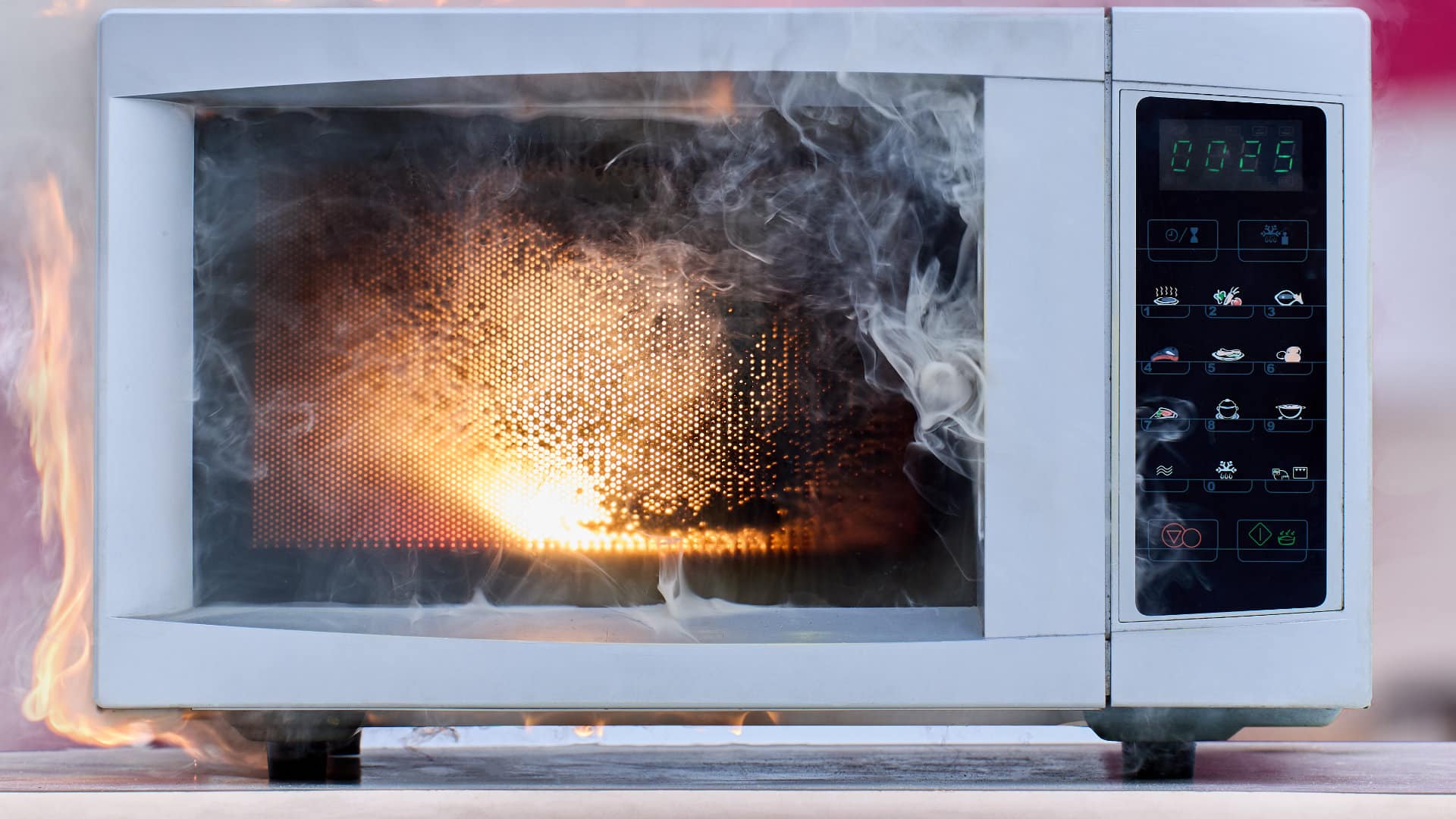
- Smoke or visible sparks require immediate power cut and professional help.
If you cannot find the source or if the smell returns, stop using the microwave and seek service. Knowing when to act separates routine cleaning from necessary repairs.

Step-by-step cleaning to remove odors
Follow these simple, effective steps to eliminate odors and keep the microwave fresh.
- Remove loose debris
- Take out the turntable and roller ring. Wash them in warm, soapy water.
- Wipe the cavity with a damp cloth to remove crumbs.
- Steam clean with vinegar or lemon
- Mix 1 cup water with 2 tablespoons white vinegar or half a lemon. Place in a microwave-safe bowl.
- Heat on high for 3 to 5 minutes until it steams. Let it sit 5 minutes. Wipe interiors with a soft cloth.
- Repeat if the smell persists.
- Deep clean stubborn spots
- Make a paste of baking soda and water. Apply to stains, let sit 10 minutes, then scrub gently.
- Use a toothbrush for crevices and the door seal. Rinse with a damp cloth.
- Deodorize overnight
- Place a small bowl of baking soda or activated charcoal inside with the door closed overnight.
- Remove and air out the microwave the next morning.
- Clean filters and vents (if accessible)
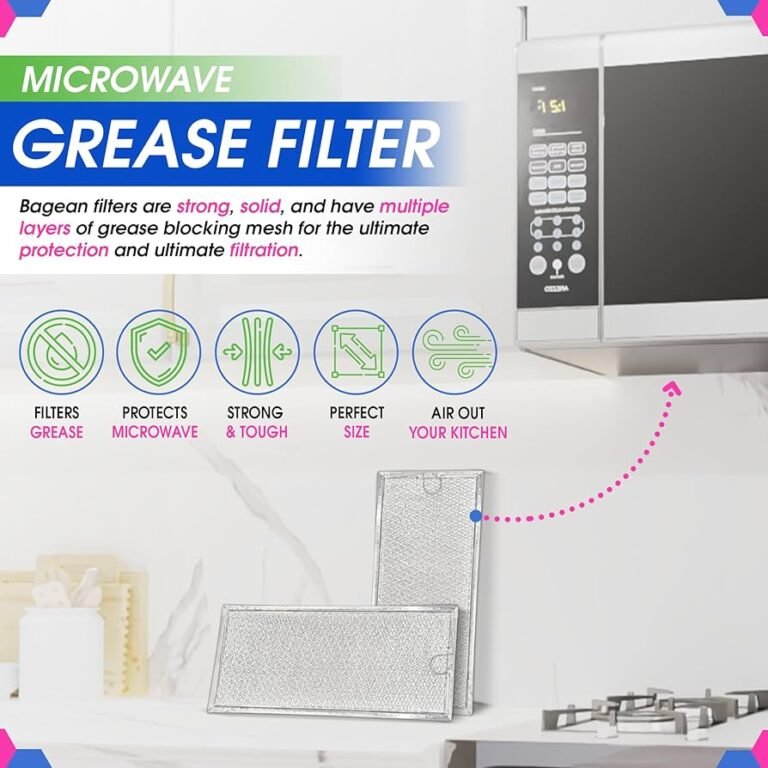
- Check the manual for filter locations. Replace or clean according to the manufacturer’s instructions.
Clean regularly to avoid buildup. These steps explain why microwave smells fade quickly with proper care.

Preventive habits to avoid microwave smells
Small habits stop odors before they start. Try these daily and weekly routines.
- Cover food when heating to prevent splatters. Use microwave-safe lids or paper towels.
- Wipe spills immediately with a damp cloth. Don’t wait for them to dry and burn.
- Use a microwave-safe container for oily or saucy foods to limit residue.
- Avoid overheating foods for long periods. Short, stirred intervals reduce burning.
- Steam clean once a week with vinegar or lemon to remove lingering molecules.
- Store sponges and cloths outside the microwave to prevent mildew smells.
These simple actions explain why microwave smells become rare when you adopt consistent habits.
Personal experience: what worked for me
Once, a family movie night left the microwave smelling strongly of buttered popcorn. I tried wipes but the odor lingered. I used the vinegar steam method and left a bowl of baking soda overnight. The next morning the smell was gone.
Lessons learned:
- Cover foods—even popcorn can splatter if the bag has a hole.
- Quick steam cleaning after heavy use saves time later.
- Activated charcoal works well for deep, stubborn odors.
I still use these methods weekly. They are low-cost and fast.
Troubleshooting persistent smells
If smells return after cleaning, follow these checks.
- Inspect door seals and gasket for trapped food. Wipe and clean thoroughly.
- Remove the microwave’s outer casing only if you’re trained; otherwise call a technician.
- Replace any charcoal or grease filters if your model has them.
- Consider odor absorbers like activated charcoal or an open bowl of vinegar for a few days.
- If electrical smells or frequent sparking persist, unplug and schedule service.
Persistent odors sometimes mean hidden grease or an internal fault. Address both to solve why microwave smells that won’t go away.
Frequently Asked Questions of why microwave smells?
Why microwave smells after reheating fish?
Fish releases strong sulfur compounds that cling to surfaces. Covering food and steam cleaning quickly removes most of the odor.
Can grease cause a permanent smell?
Grease can soak into porous seals and paint if left long enough. Regular cleaning prevents long-term retention and makes the odor disappear.
Is it safe to use vinegar to remove microwave odors?
Yes, vinegar is a safe, natural deodorizer that loosens residues. Heat a vinegar-water mix to steam-clean, then wipe thoroughly.
Why microwave smells like burning plastic sometimes?
Burning plastic indicates overheating or melting of a non-microwave-safe container. Stop use immediately and check the container and interior.
How long does it take to remove strong microwave smells?
With steam cleaning and deodorizing, many smells fade within a few hours to a day. Stubborn oils may take repeated cleaning over several days.
Conclusion
You now know why microwave smells, how odors form, and practical ways to fix and prevent them. Simple steps—covering food, quick wipes, and steam cleaning—work best. If you smell burning plastic or smoke, unplug the unit and seek professional help.
Try one cleaning method today and notice the difference. Share your results or questions below, subscribe for more kitchen tips, or leave a comment with your toughest microwave odor story.