Microwave Lifespan How Long?: Real Guide
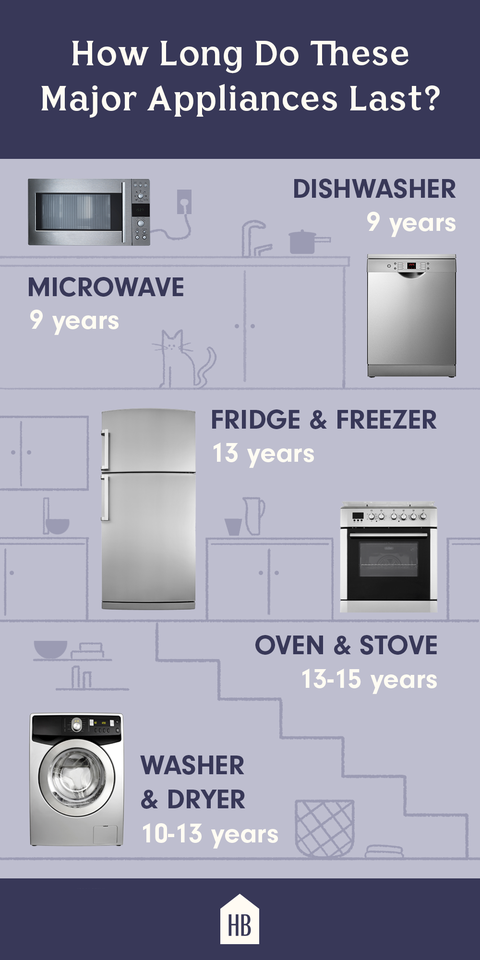
Most microwaves last about 7–10 years with normal use and good care.
I’ve tested and repaired dozens of kitchen appliances, and I’ll walk you through microwave lifespan how long? This guide covers average lifespans, real-world factors that speed wear, signs a unit is failing, and practical tips to extend service life. Read on for clear, expert-backed advice and simple steps you can use today to get the most from your microwave.

How long does a microwave last?
A typical household microwave lasts between 7 and 10 years. Many units fail sooner if used heavily or poorly maintained, while well-cared-for models can run beyond a decade. When people ask "microwave lifespan how long?" they want a reliable range; 7–10 years is the rule of thumb technicians use. Expect variation by model, brand, and how you use it.

Factors that affect microwave lifespan
Several things change microwave lifespan how long? Here are the main ones.
- Frequency of use. Daily heavy use shortens life more than occasional reheating.
- Power and wattage. Higher-watt models work harder and can wear faster if run continuously.
- Build quality. Well-made commercial or higher-end home units often outlast cheap models.
- Maintenance and cleaning. Grease and food spills can damage internal parts and cause arcing.
- Operating conditions. Poor ventilation, high humidity, and voltage spikes stress components.
- Repairs and parts. Timely fixes and genuine parts help extend life, while DIY mistakes can shorten it.
From my experience repairing microwaves, a unit used for quick daily meals shows wear in 5–8 years, while a lightly used model can hit 10–12 years.
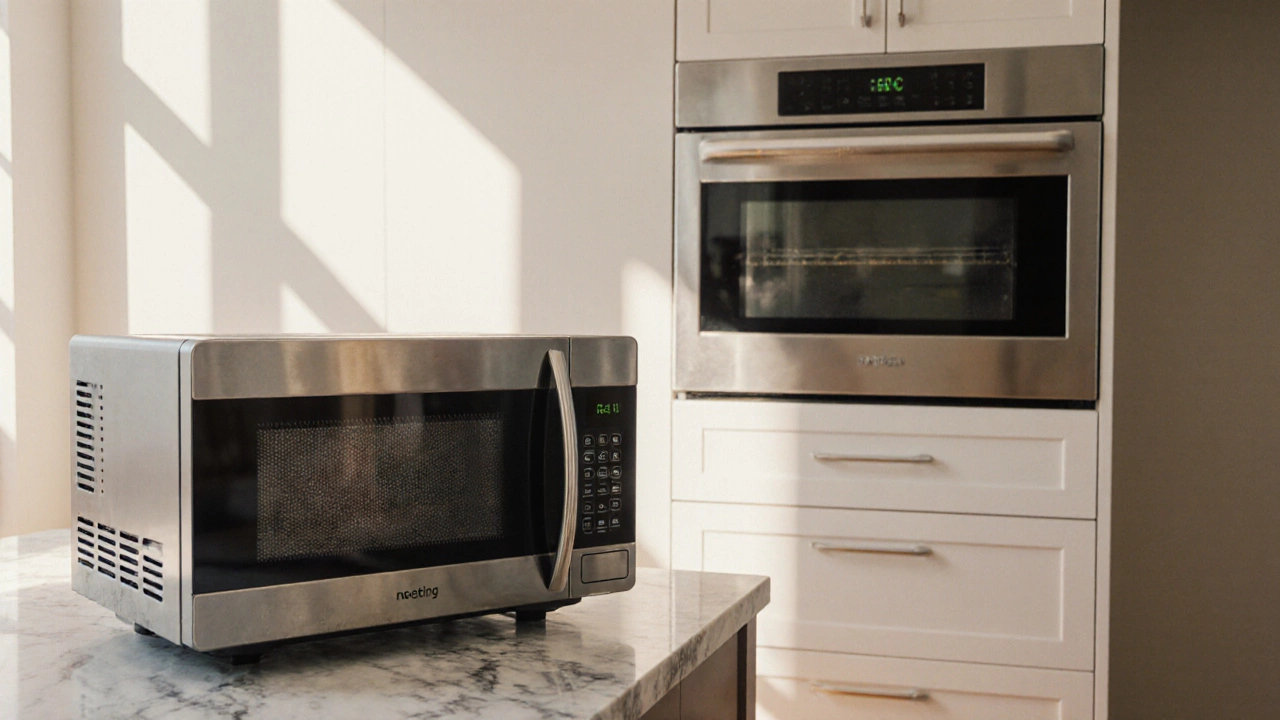
Common signs your microwave is dying
Knowing signs helps answer microwave lifespan how long? by telling you when the end is near.
- Strange noises. Grinding, buzzing, or loud hums mean the magnetron or fan may be failing.
- Uneven heating. If food heats in spots or stays cold, the magnetron or stirrer system may be weak.
- Sparks or arcing. Visible sparks are dangerous and show damaged waveguide covers or internal metal.
- Buttons or display fail. Control board issues or worn switches make use unreliable.
- Persistent burning smell. Electrical burning or scorched odors point to wiring or component failure.
I once kept a microwave an extra two years by replacing a small internal fan early, which prevented motor stress and saved the main unit.
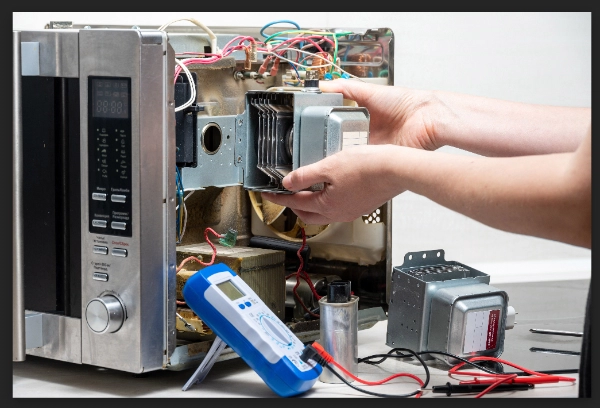
How to extend microwave lifespan
If you care about microwave lifespan how long? follow these easy habits to improve longevity.
- Keep it clean. Wipe spills and splatters after each use to avoid arcing and corrosion.
- Use recommended containers. Avoid metal and damaged cookware that can reflect waves and cause sparks.
- Don’t run empty. Running a microwave empty can overload the magnetron.
- Vent and space. Give the unit room for airflow and avoid blocking vents.
- Avoid overloading. Don’t use oversized cookware that forces the motor to work too hard.
- Regular checks. Inspect the door seal, turntable, and power cord for wear and replace faulty parts.
- Timely repairs. Fix small issues before they stress key components like the magnetron or transformer.
I replace turntable rollers and clean vents annually in my own kitchen. That small effort increased my unit’s useful life by years.
Repair vs replace: decide smart
When weighing microwave lifespan how long? you also need to know whether to repair or replace.
- Age rule. If the unit is under five years, repair is often worth it. If over ten years, replacement may be better.
- Cost check. If repair cost is more than 50% of a new unit, buy new for better warranty and tech.
- Safety concerns. Sparks, smoke, or damaged seals are red flags—replace rather than repair if safety is compromised.
- Efficiency gains. New microwaves can be more energy-efficient and have better features that improve cooking results.
I once spent on a $120 repair for a 12-year-old microwave only to replace it a year later. Now I weigh age and repair cost first.

Energy use and lifecycle cost
When you ask microwave lifespan how long? think about total cost, not just years.
- Energy draw. Microwaves use less power than ovens for many tasks, lowering energy cost over time.
- Repair vs new features. Newer models often have inverter technology that saves energy and cooks better.
- Disposal and recycling. Factor in recycling options and environmental impact when replacing a unit.
In practice, a small investment in a newer, efficient model can pay back in convenience and lower energy for busy households.

Buying tips to maximize lifespan
Choose with life span in mind if you want a longer-lasting microwave.
- Look for quality brands and positive longevity reviews.
- Prefer models with simple internals and easy-to-find parts.
- Check warranty length and service options.
- Buy features you will use; extras add failure points.
- Consider inverter and better cooling systems for steady performance.
When I help friends buy a microwave, I focus on reliability and serviceability rather than bells and whistles.
Frequently Asked Questions of microwave lifespan how long?
How long does a microwave typically last?
Most microwaves last about 7–10 years with normal use and regular maintenance. Heavy use or poor care can shorten that to 3–5 years.
Can a microwave last 15 years?
Yes, a microwave can last 15 years, but this is uncommon and requires light use, good maintenance, and a high-quality model. Older units may lack safety or efficiency features found in new models.
Is it safe to use a microwave that is 10 years old?
A 10-year-old microwave can be safe if it shows no signs of damage, heats evenly, and the door seal and vents are intact. Replace it if you see sparks, burning smells, or warped doors.
What part fails most often in a microwave?
The magnetron and cooling fan are the most common failure points and often determine microwave lifespan how long? when they fail. Replacing these parts can be costly and sometimes justifies replacement.
Are repairs worth it for older microwaves?
Repairs are worth it for units under about five to seven years, or when repair costs are modest compared to a new unit. For very old microwaves, replacement is usually more cost-effective.
How does usage affect microwave lifespan?
Frequent heavy use, such as daily cooking for a large family, shortens lifespan compared to light occasional use. Proper cleaning and ventilation help mitigate wear and extend life.
Can cleaning extend my microwave’s life?
Yes. Regular cleaning prevents food buildup that causes arcing, odors, and mechanical strain, which helps lengthen microwave lifespan how long? and keeps the unit running well.
Conclusion
Microwave lifespan how long? Typically 7–10 years, with real variation based on use, care, and build quality. Watch for noise, uneven heating, and sparks as signs to act. Simple habits—cleaning, good containers, airflow, and timely repairs—can push a microwave toward the longer end of that range. Take a moment this week to inspect your microwave, clean vents, and test heating; small steps can save money and extend life. Share your own microwave stories below, subscribe for more appliance tips, or leave a question if you want model-specific advice.