Replace your microwave when it stops heating, sparks, smells strongly, or shows major wear and safety issues.
I’ve spent years testing kitchen gear and fixing small appliances, so I know the signs that tell you when replace microwave? This guide walks through lifespan, safety red flags, repair versus replace decisions, how to pick a new unit, and disposal tips. Read on for clear, practical advice you can use today.

How long do microwaves last?
Most microwaves last 7 to 10 years with normal use. Heavy daily use can shorten that to 4–6 years. Older units may still run but lose efficiency and safety features. If you wonder when replace microwave? think about age, frequency of use, and how well it heats food.
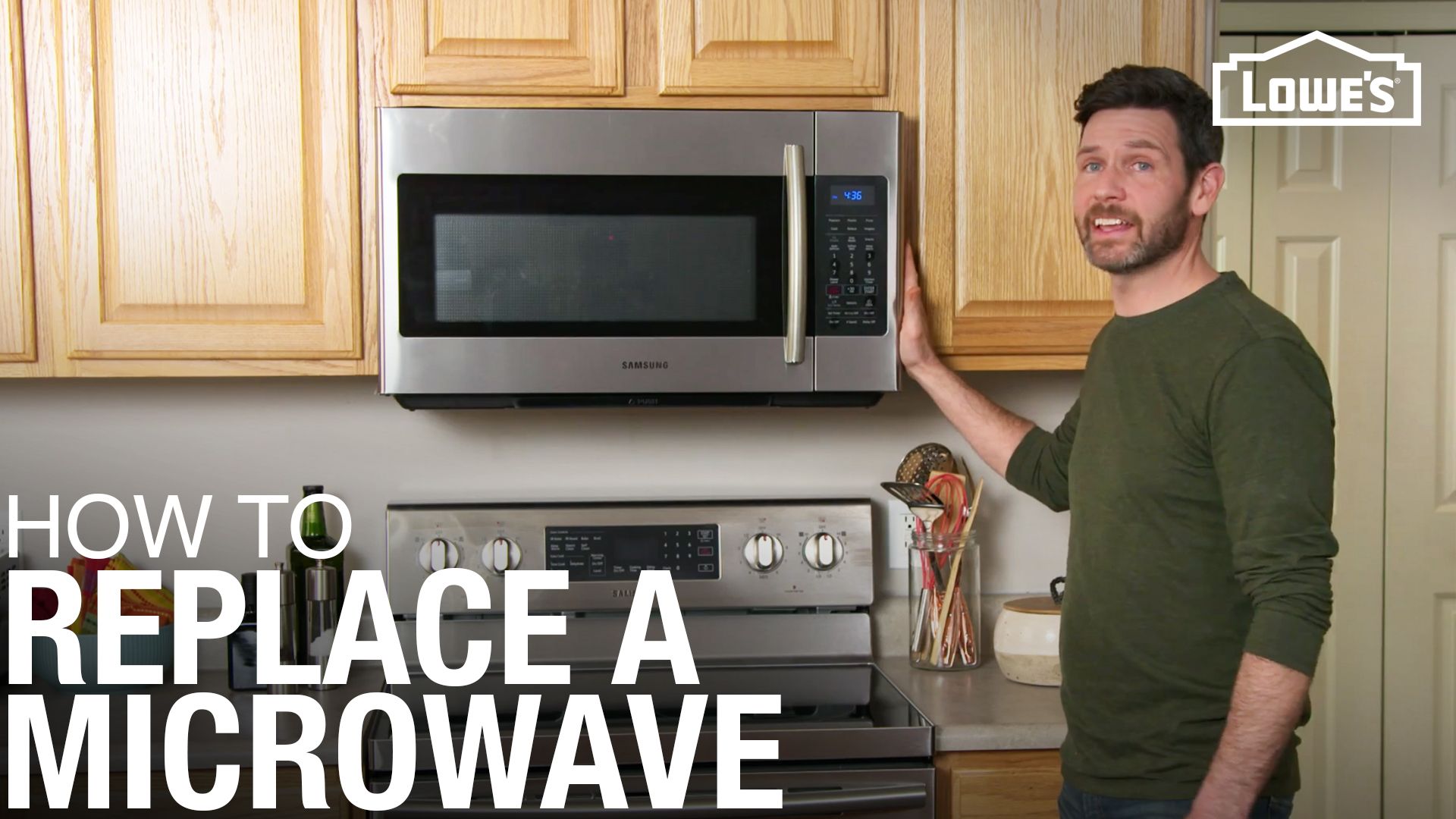
Common signs it's time to replace your microwave
Look for multiple clear signs before you buy new. Short, simple checks help you decide.
-
It no longer heats food evenly or at all.
If food stays cold despite running, magnetron failure is likely. -
It sparks or arcs inside.
Sparks mean damaged waveguide, paint, or metal contact. That’s a safety cue. -
It emits burning smells or smoke.
Smell of burning or visible smoke requires immediate unplugging and likely replacement. -
The door or latch is damaged.
A broken door lets radiation escape and is not worth repairing cheaply. -
The control panel fails or shows erratic behavior.
Faulty electronics can be dangerous and costly to repair.
If you ask when replace microwave? replace it when two or more of these signs appear.
Safety risks that mean replace now
Safety matters more than saving a few dollars. Small problems can become hazards.
-
Radiation risk from a damaged door or seal.
Even small gaps can let microwaves escape. Fixing this often means replacing the unit. -
Fire risk from electrical faults.
Repeated sparks or smoke are signs of internal short circuits. -
Contamination risk from rust and cracked interiors.
Rusted cavities can flake into food and harbor bacteria.
When replace microwave? choose safety over patchwork fixes when risks appear.

Repair vs replace: making the right choice
Deciding whether to repair or replace depends on cost, age, and symptoms.
Consider repair if:
- The unit is under warranty.
- The cost of repair is less than half the price of a new unit.
- The problem is a replaceable part like a door switch.
Consider replacement if:
- The microwave is older than 7–10 years.
- Magnetron or major electrical work is needed.
- Multiple issues exist at once.
When replace microwave? replace when repair costs approach or exceed half the value of a new microwave or when safety is in question.

Choosing a new microwave: what to look for
Buy a model that fits your cooking style and kitchen layout. Keep these points in mind.
-
Size and capacity.
Countertop, over-the-range, or drawer styles change space needs. -
Power rating.
700–1,200 watts is common; higher watts mean faster, more even heating. -
Features that matter to you.
Sensor cooking, inverter technology, and easy-clean interiors are useful upgrades. -
Safety and certifications.
Look for units with strong door seals and accepted safety marks.
When replace microwave? pick a model that saves time, fits your habits, and offers reliable safety features.

Disposal and recycling tips
Old microwaves contain metals and electronics that should not go to landfill. Follow these steps.
- Check local recycling centers for e-waste drop-off.
- Ask retailers if they offer take-back or trade-in programs.
- Remove batteries and hazardous components before drop-off.
When replace microwave? always recycle responsibly to reduce waste and meet local rules.

Personal experiences and practical tips
I once kept a microwave that hummed but still worked, hoping it would last. It began sparking after a year and had to be replaced immediately. Learn from that: small signs can escalate quickly.
Practical tips I use:
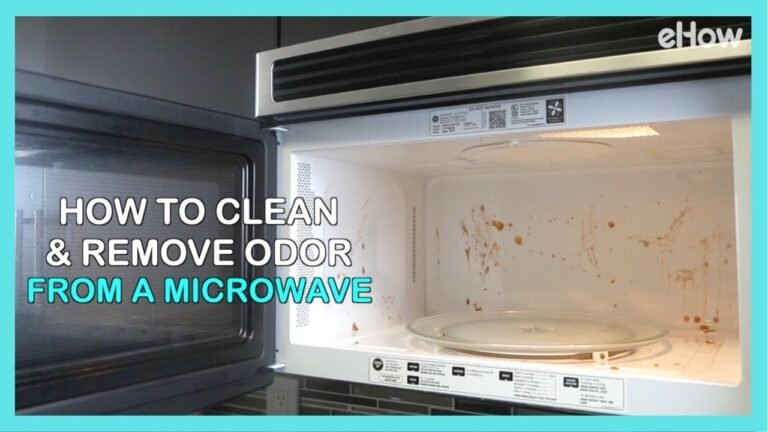
- Clean the interior regularly to prevent odor and fire risk.
- Use microwave-safe cookware to avoid sparks.
- Test heating with a cup of water to check power quickly.
When replace microwave? trust your senses—smell, sound, and visible damage matter a lot.

Frequently Asked Questions of when replace microwave?
What is the average lifespan of a microwave?
Most microwaves last 7–10 years with normal use. Heavy daily use or poor maintenance can shorten that lifespan.
Can I keep using a microwave that makes a weird noise?
A new grinding or humming noise often signals a failing magnetron or turntable motor. Use only briefly and consider replacement if the noise persists.
Is it safe to repair an older microwave?
Some parts can be repaired safely, but repairs on magnetrons and high-voltage components should be done by qualified technicians. If repairs are costly and the unit is old, replacement is wiser.
How much should I expect to spend on a new microwave?
Countertop models usually cost $70–$300; over-the-range units cost more, often $200–$600. Features and brand affect price.
Are refurbished microwaves a good option?
Refurbished units can be a budget-friendly choice if sold with a warranty and certified inspection. Confirm safety checks before buying.
When should I stop trying to repair and just buy new?
When repair costs hit half the price of a new model, or when safety concerns exist, replace rather than repair. Multiple failures are a sign to replace.
Conclusion
Watching for age, strange noises, sparks, and odd smells helps you know when replace microwave? Protect your kitchen by choosing safety and cost-effectiveness over temporary fixes. If your appliance shows clear signs of failure or requires expensive repairs, replace it with a model that fits your needs and safety standards. Take action: check your microwave today, recycle responsibly, and share your experience or questions below to help others decide.