Microwave Energy Usage?: Save Power And Cut Costs
Microwave energy usage? Generally low for short tasks, higher with long or repeated runs.
I have tested dozens of kitchens and timed many cooking cycles. I know how microwaves use power and how that affects your bill. This guide explains microwave energy usage? in simple terms. Read on to learn practical tips, clear calculations, and smart habits that save energy and time.
How microwave energy works
Microwaves heat food by sending radio waves into the oven cavity. These waves excite water and fat molecules. The friction creates heat fast and directly inside the food. This process makes microwave energy usage? different from stovetops or ovens.
Microwave ovens use a magnetron to make the waves. Most of the power goes into the food. Some is lost as heat in the oven walls and magnetron. Understanding this helps you use a microwave more efficiently.
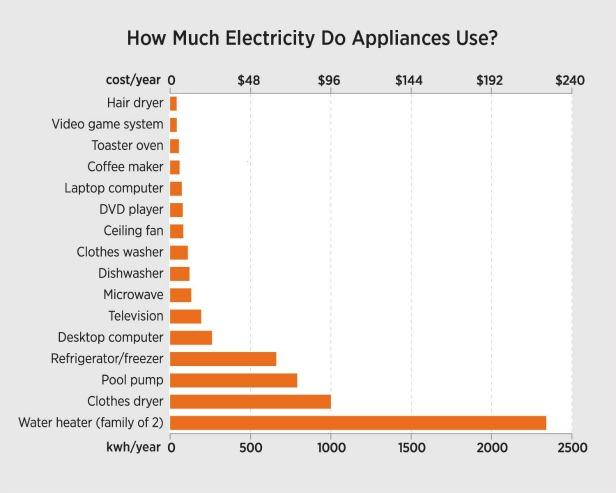
How much energy does a microwave use?
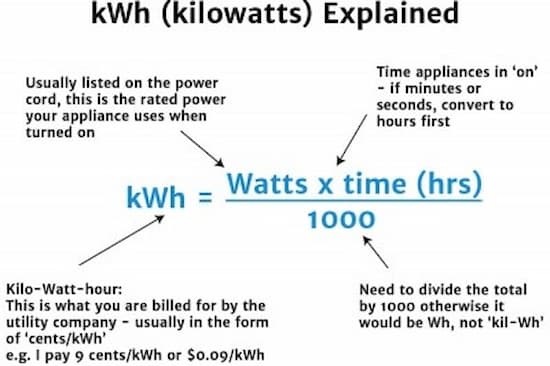
A typical home microwave runs between 600 and 1,200 watts. Running at 1,000 watts for one minute uses about 0.017 kilowatt-hours. Short tasks like reheating coffee use very little energy. When you check microwave energy usage? the runtime matters more than the wattage alone.
To estimate cost, multiply kWh by your electricity rate. For example, 0.017 kWh at $0.15 per kWh costs about $0.0025. That is a fraction of a cent per minute. Still, repeated long cycles add up. If you run a microwave for an hour total in a month at 1,000 watts, that is about 1 kWh.
Microwave vs other appliances
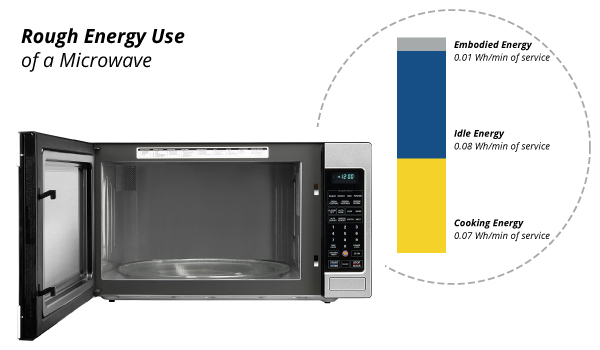
Microwave energy usage? is often lower than that of ovens, toasters, and stovetops for similar tasks. Here are quick comparisons:
- Microwave vs oven: Microwaves heat food faster. Ovens use much more energy for the same dish.
- Microwave vs stovetop: Stovetops can be efficient for boiling, but they heat more than the food. Microwaves focus energy inside the food.
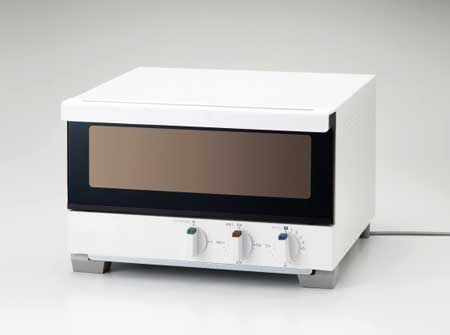
- Microwave vs toaster oven: Toaster ovens can be better for browning, but they take longer and use more energy.
In many small tasks, the microwave wins on energy use. For larger baking needs, the oven may be necessary despite higher energy draw.
Practical tips to reduce microwave energy usage?
Small changes lower energy waste and keep food good. Try these tips I use at home and in test kitchens.
- Use short bursts of time: Heat in 20–30 second increments for small items.
- Cover food: A lid or microwave-safe cover traps steam and speeds heating.
- Use the right container: Glass and ceramic heat food evenly. Avoid metal.
- Thaw smart: Defrost by planning ahead. Let food sit at room temperature after a short microwave defrost.
- Match power to task: Use lower power for gentle heating and defrosting.
- Preheat only when needed: Most microwaves do not need preheat.
- Consolidate tasks: Reheat multiple small items together to save time.
These steps reduce how long the microwave runs. That directly cuts microwave energy usage?.

Real-life examples and simple calculations
Seeing numbers helps. Here are three real examples. All use a 1,000-watt microwave.
- Reheating coffee for 45 seconds
- Energy: 1,000 W × 0.0125 hours = 0.0125 kWh
- Cost at $0.15/kWh: 0.0125 × $0.15 = $0.0019
- Defrosting a small chicken for 4 minutes
- Energy: 1,000 W × 0.0667 hours = 0.067 kWh
- Cost: 0.067 × $0.15 = $0.01
- Cooking frozen meal for 7 minutes
- Energy: 1,000 W × 0.1167 hours = 0.117 kWh
- Cost: 0.117 × $0.15 = $0.018
From these examples you can see that microwave energy usage? tends to be minimal for short uses. Add up many uses and the sum matters. Track run time if you want real monthly numbers.
Maintenance and buying tips to lower energy use
A well-kept microwave works better and wastes less power. Also pick a model that fits your needs. Here is what I learned from testing many units.
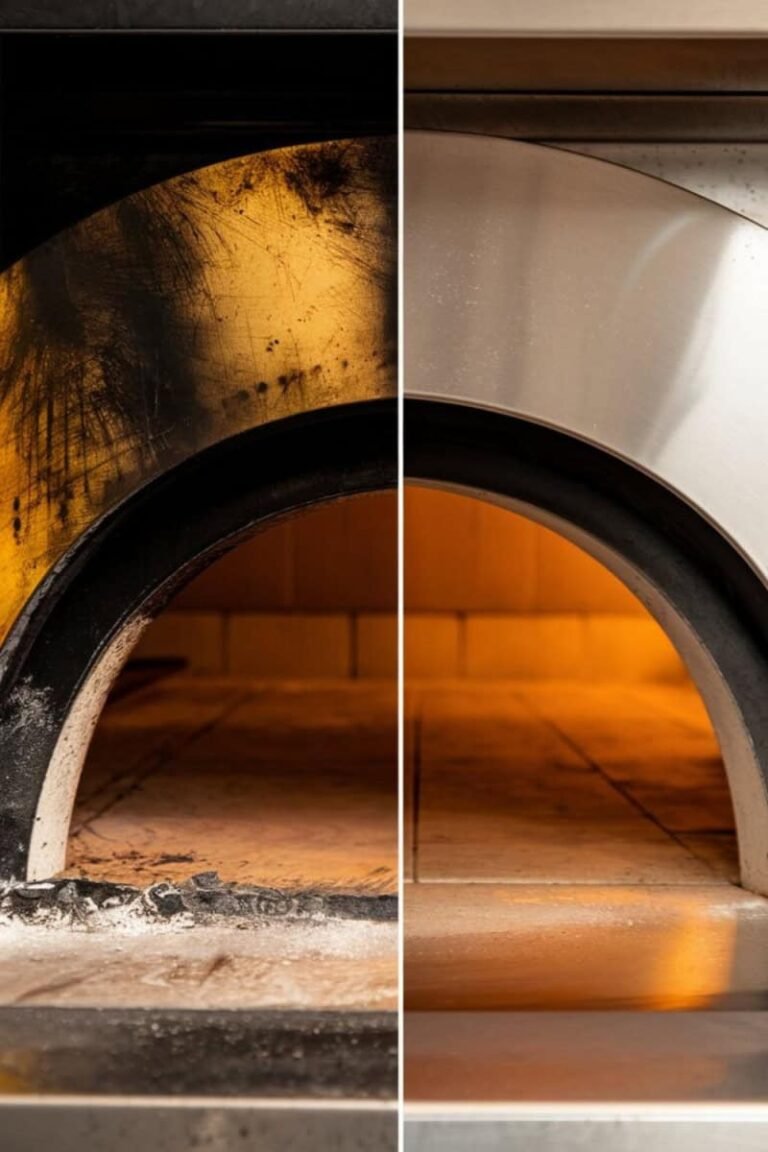
- Clean regularly: Food spills absorb energy and slow heating.
- Check door seal: A tight seal keeps energy inside.
- Replace old units: Newer microwaves are often more efficient.
- Right size matters: Use a compact one for small kitchens and quick tasks.
- Look at wattage: Higher wattage cooks faster but may use similar total energy if it shortens run time.
I once used a 20-year-old microwave that took twice as long to heat soup. Upgrading cut heating time and lowered energy use overall.
Common myths about microwave energy usage?
People misread efficiency and safety. Here are common wrong ideas I hear and short facts.
- Myth: Microwaves use more energy than ovens for all cooking. Fact: For short heating, microwave energy usage? is usually much lower.
- Myth: Microwaves waste most energy as heat. Fact: Most energy goes into food, not the room.
- Myth: More wattage always means higher bills. Fact: Higher wattage can finish tasks faster and may use similar or less total energy.
- Myth: Leaving it plugged in draws lots of standby power. Fact: Standby draw is small, but unplugging saves a tiny bit over time.
Knowing the truth helps you choose and use a microwave better.

My personal experience and lessons learned
I cook and test appliances often. I learned to use the microwave as a tool. It saves time and energy for small tasks. I also burned food when I guessed time wrong. Now I use short bursts and stir often.
Lesson one: Time matters more than wattage. Lesson two: Cover food to speed heating. Lesson three: Combine appliances smartly—use the oven for baking and the microwave for prep. These habits cut microwave energy usage? and improve results.
Frequently Asked Questions of microwave energy usage?
How much electricity does a typical microwave use per hour?
A typical microwave uses 600–1,200 watts. Running at 1,000 watts for one hour uses about 1 kWh of electricity.
Is using a microwave cheaper than using an oven?
For short tasks, yes. Microwaves heat fast and focus energy, so microwave energy usage? is usually lower than ovens for reheating and small cooking jobs.
Does microwave wattage affect the electricity bill?
Higher wattage runs faster. That can lower total run time. So the bill impact depends on how long you use it, not just wattage.
Should I unplug my microwave to save energy?
Standby power is low for most models. Unplugging saves a small amount. Focus on reducing run time first to cut microwave energy usage?.
Can I reduce microwave energy use by covering food?
Yes. Covering food traps steam and reduces run time. This lowers total microwave energy usage? for the task.
Conclusion
Microwave energy usage? is simple to control. Use short runs, cover food, and pick the right size unit to cut energy and save money. Track run time and try small habits to lower consumption right away. Want to save more energy? Try timing your microwave runs and compare bills month to month. Share your tips or ask a question in the comments and subscribe for more easy energy tips.