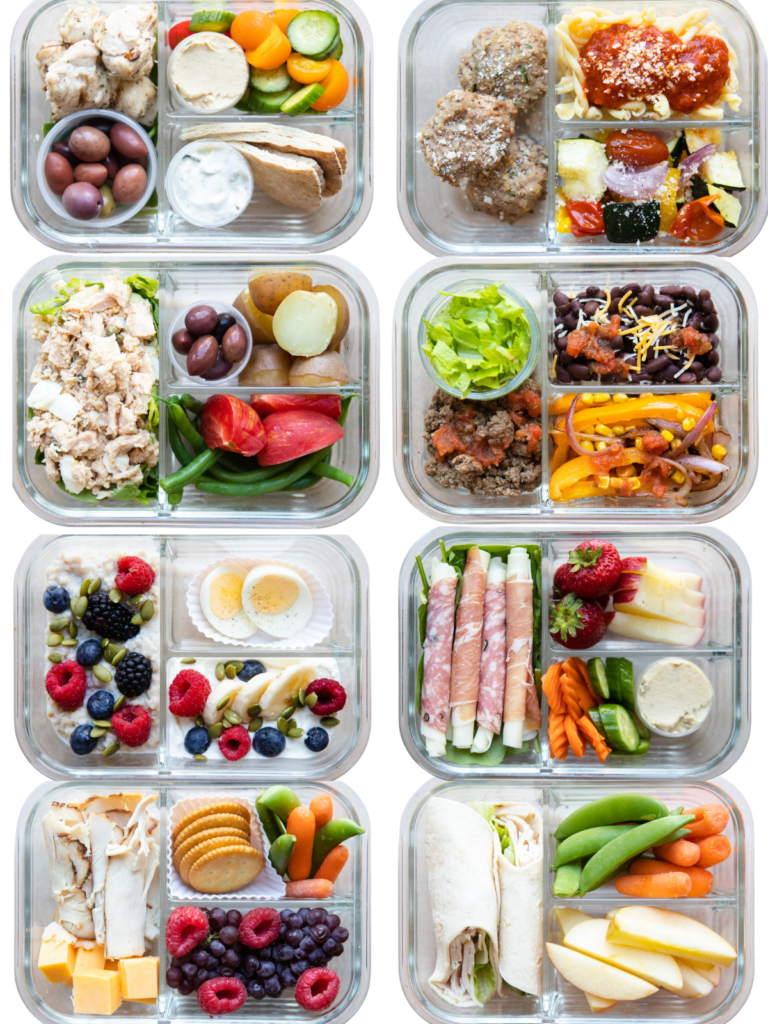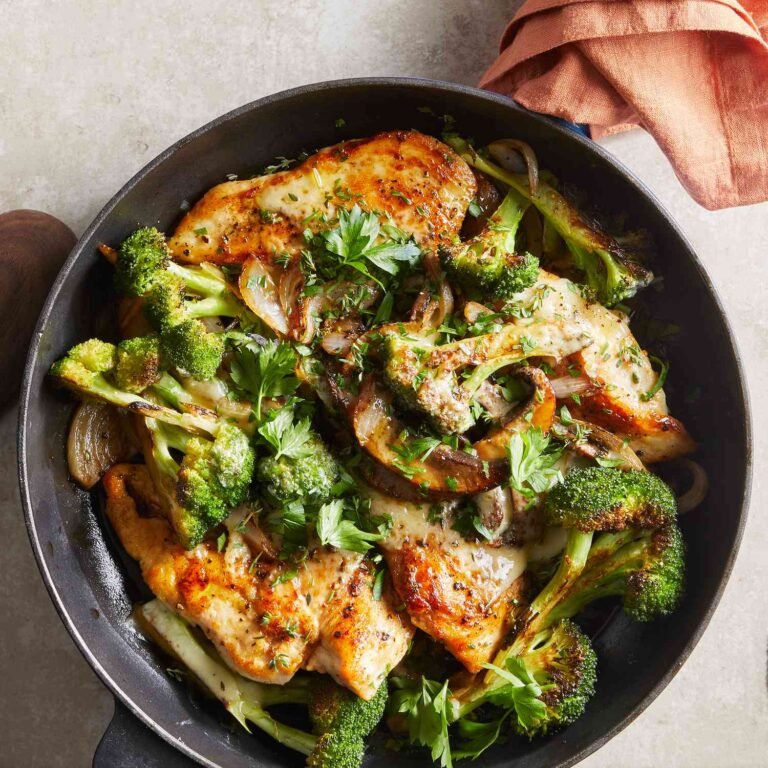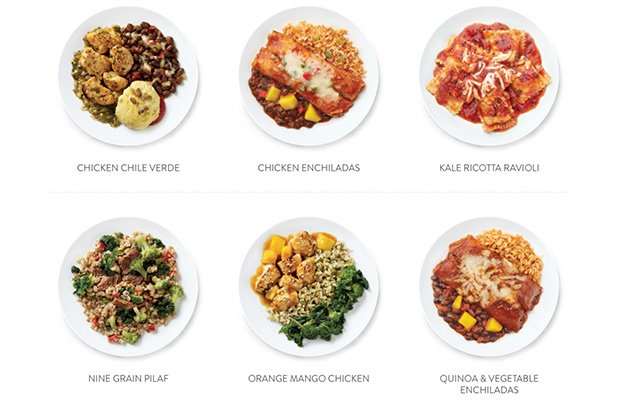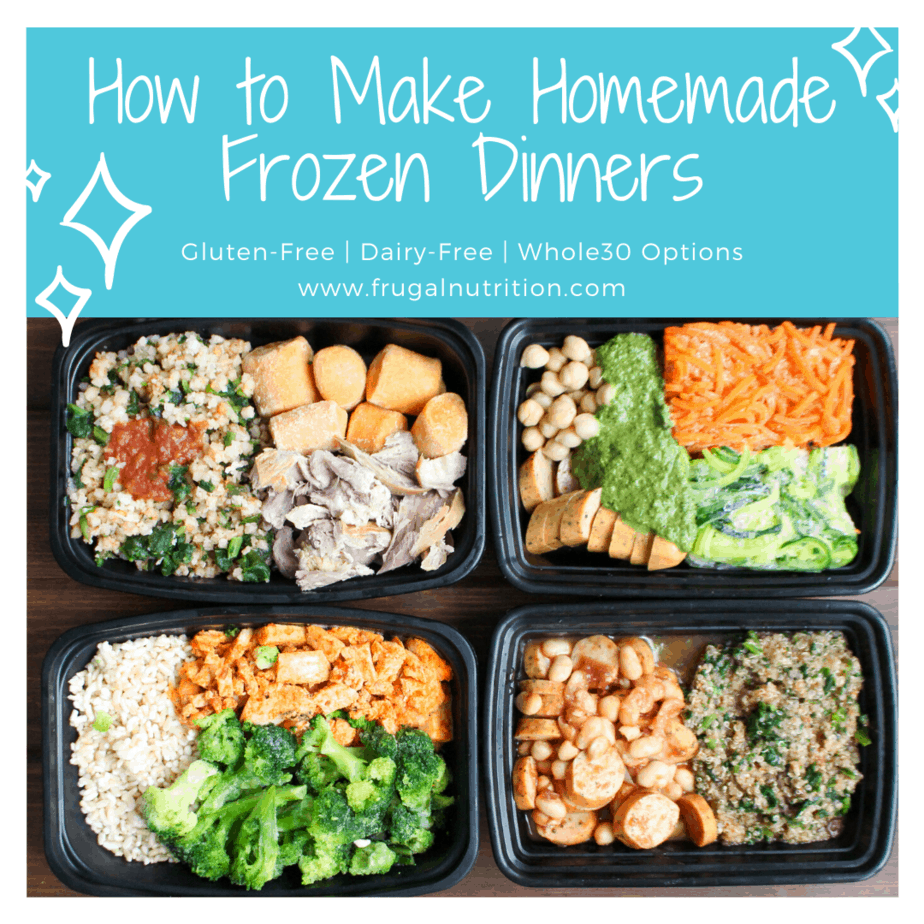
Microwave Meal Prep: Quick Healthy Meals Made Easy
Microwave meal prep saves time, cuts waste, and delivers tasty, healthy meals in minutes.
I have spent years testing microwave meal prep in real kitchens, offices, and on the go. This guide walks you through tools, safe methods, meal plans, and recipes I use often. I explain what works, what fails, and how to make microwave meal prep fit your life with clear steps and honest tips.

Why microwave meal prep works and who it helps
Microwave meal prep fits busy lives. It lets you cook ahead, store meals, and reheat fast. You can save money, eat better, and avoid takeout. Microwave meal prep is ideal for students, parents, shift workers, and anyone short on time.
I use microwave meal prep when I travel for work. I pack simple bowls that heat evenly. I learned how to pick the right containers and cut food to the right size. Those small choices made a big difference in taste and safety.
Essential gear for microwave meal prep
Choose the right tools. Good gear makes microwave meal prep safe and easy.
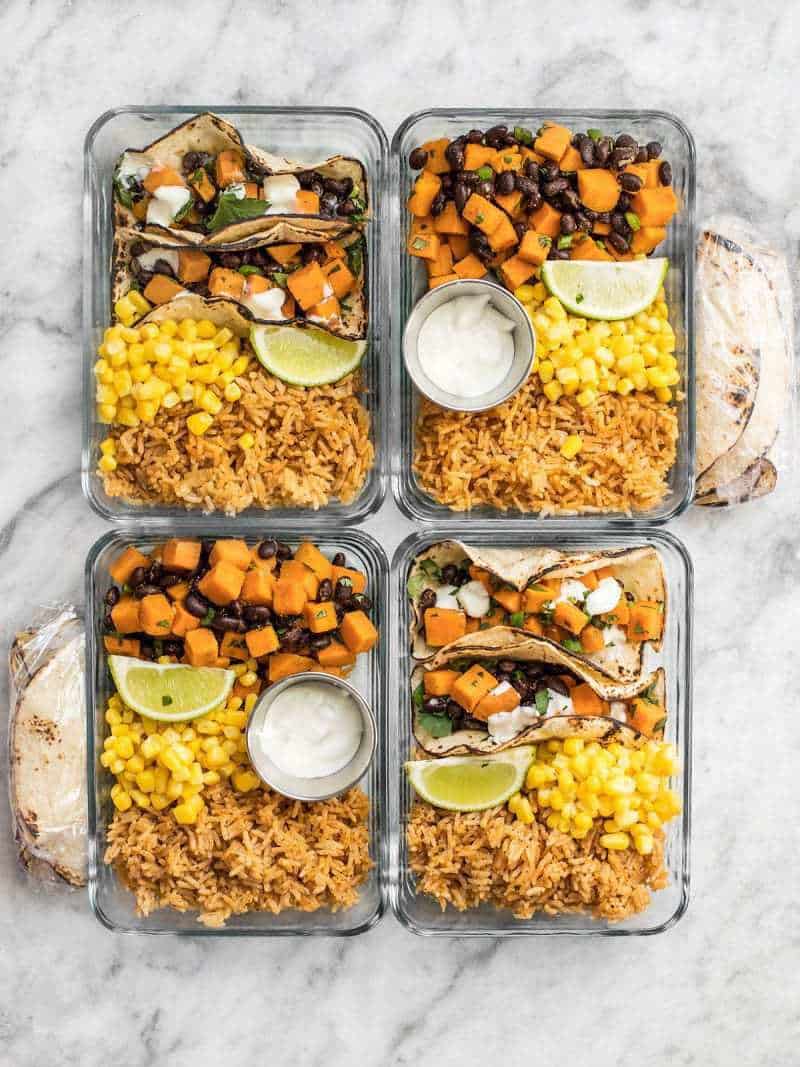
- Microwave-safe containers with vented lids. Look for glass or labeled microwave-safe plastic.
- Microwave-safe steamers. These speed up vegetables and grains.
- Measuring cups and a kitchen scale. They help portion meals for the week.
- A sharp knife and cutting board. Small cuts heat faster and cook evenly.
- Silicone lids or microwave-safe wraps. They reduce splatter and keep moisture.
I switched to glass containers years ago. They do not stain or warp. Meals taste fresher after reheating. I also use stackable containers to save fridge space.

Safety basics for microwave meal prep
Follow simple rules to avoid foodborne illness and burnt meals.
- Cool food quickly before storing. Place shallow containers in the fridge within two hours.
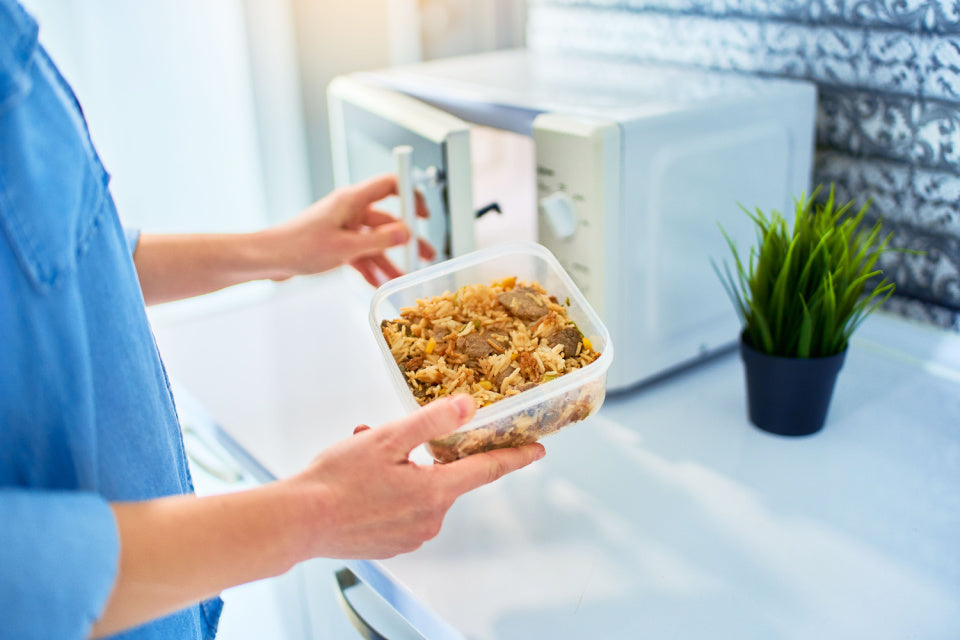
- Reheat to at least 165°F (74°C). Use a food thermometer when unsure.
- Avoid reheating food more than once. Reheat only what you will eat.
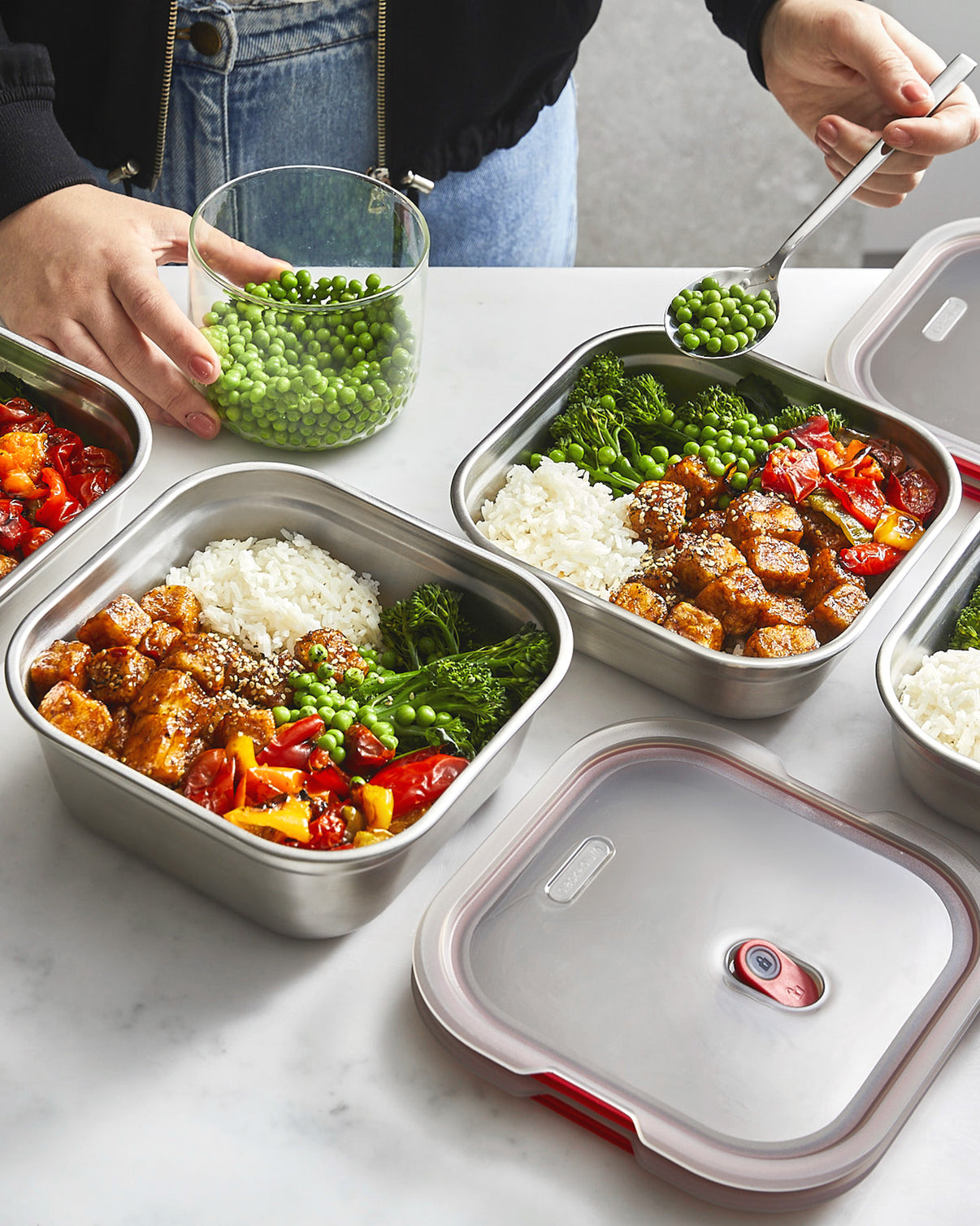
- Use microwave-safe containers only. Do not microwave metal or non-rated plastic.
- Stir food and let it rest after heating. This evens temperature and reduces cold spots.
I once underheated a dish and felt the difference. Since then, I always stir halfway and check temperature. That step gives reliable results.
Planning microwave meal prep: a simple framework
Good planning makes microwave meal prep predictable and quick.
- Pick a day to prep. Weekends or a slow evening work well.
- Choose 2 to 4 base meals. Rotate proteins, grains, and veggies.
- Keep flavors simple. Use sauces and spices to vary meals.
- Portion and label. Date each container so you use the oldest first.
- Build a shopping list from chosen meals. Buy once and prep once.
I plan two protein types per week. This gives variety but keeps prep time low. I batch-cook one grain and two proteins. Then I mix with different sauces.

Microwave meal prep recipes and templates
Here are easy templates you can modify. Each reheats well.
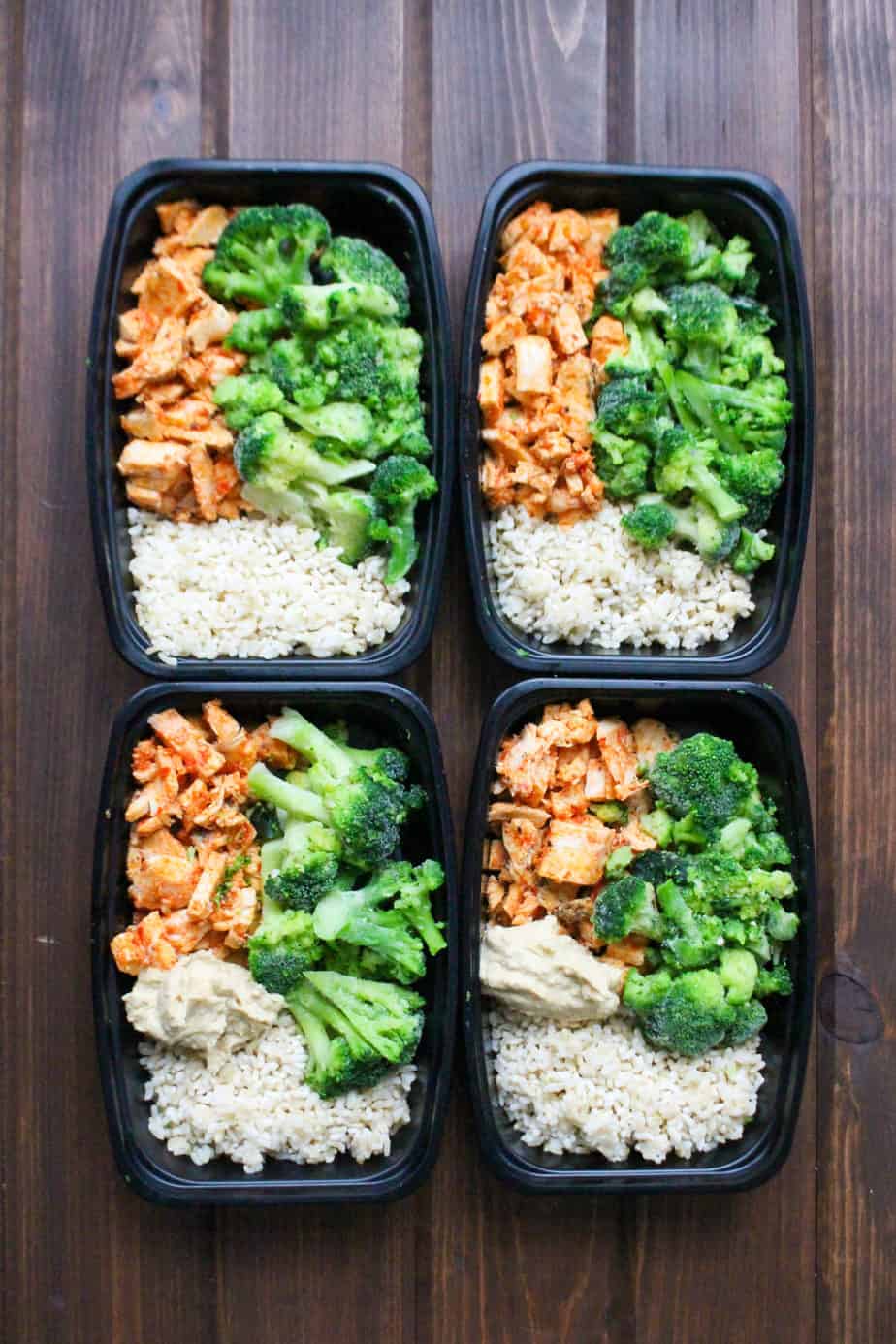
- Grain bowl template
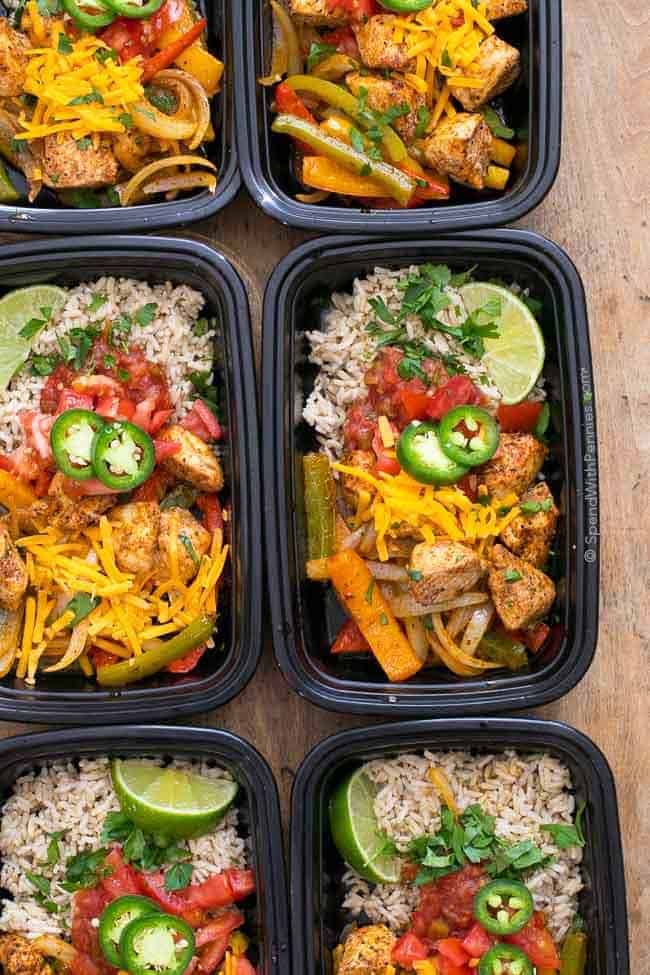
– Cooked brown rice or quinoa- Protein: shredded chicken, canned tuna, or tofu
- Veggies: steamed broccoli, roasted peppers
- Sauce: soy-lime or tahini
- Breakfast bowl template
- Scrambled eggs or egg bites
- Sweet potato cubes
- Spinach and salsa
- Soup or stew template
- Lentils or beans
- Diced tomatoes and stock
- Root vegetables
- Stir-fry to-go template
- Precooked rice
- Thinly sliced beef, chicken, or tempeh
- Mixed vegetables and a light sauce
I often use the grain bowl template. I make a big pot of rice and change the protein. That keeps meals fresh and fast to reheat.
Step-by-step microwave meal prep process
Follow these steps for consistent results.
- Cook bases first. Make grains and proteins in bulk.
- Chop veggies to uniform size. Smaller pieces heat evenly.
- Portion into containers. Keep sauces separate if you like crisp textures.
- Cool quickly and label. Use shallow containers for fast cooling.
- Reheat with a vent. Stir halfway through heating for even warmth.
I learned to cool food faster by spreading it on a tray before storing. That little trick shortens fridge time and keeps food safer.
Best foods and foods to avoid for microwave meal prep
Some foods reheat superbly. Others lose texture or safety.
- Foods that reheat well
- Steamed vegetables, rice, beans, cooked pasta, casseroles, soups
- Foods to avoid reheating
- Leafy salads, raw cucumbers, fried foods that should stay crisp
- Foods to be cautious with
- Eggs: use in baked forms, not raw scrambled then reheated
- Certain plastics: only use labeled microwave-safe containers
I used to reheat fried chicken and was disappointed by the texture. Now I bake it fresh or accept a softer texture and reheat in shorter bursts.
Flavor, texture, and finishing touches
Small steps keep food tasty after reheating.
- Add fresh greens after heating. They brighten flavor and texture.
- Use condiments and acid. A squeeze of lemon or vinegar lifts bland meals.
- Re-crisp where needed. Use a hot pan for a minute if you want crisp edges.
- Re-season after reheating. Salt and pepper can lose impact during storage.
I always add a splash of acid to grain bowls before eating. It wakes up the flavors. That tiny touch makes microwave meal prep feel gourmet.
Storage timelines and fridge best practices
Store meals safely and eat them when they taste best.
- Refrigerate meals within two hours of cooking.
- Eat most microwave meal prep dishes within 3 to 4 days.
- Freeze meals for 1 to 3 months for longer storage.
- Thaw frozen meals in the fridge overnight before reheating.
I mark containers with the prep date. It helps me avoid guesswork and waste. When I freeze meals, I leave a small vent in the lid to avoid lid bulging.
Common mistakes and how to avoid them
Avoid these frequent errors to improve results.
- Mistake: Overfilling containers.
- Fix: Leave space for steam and stirring.
- Mistake: Using wrong containers.
- Fix: Use glass or microwave-safe labeled plastic.
- Mistake: One-size-fits-all portions.
- Fix: Portion by appetite and meal type for even reheating.
- Mistake: Skipping mid-heat stirring.
- Fix: Stir halfway through to prevent cold spots.
I once packed dense stew into a full container. It splattered when heated. Now I always leave a bit of space and vent the lid.
Saving time and money with microwave meal prep
Microwave meal prep cuts costs and saves hours each week.
- Save money by buying in bulk and using seasonal produce.
- Save time by cooking grains and proteins in large batches.
- Reduce waste with consistent portioning and clear labeling.
- Avoid frequent takeout by having ready meals on hand.
I tracked my spending for a month after I started planning. My food budget dropped and my stress over dinners vanished. Microwave meal prep paid for itself quickly.
Advanced tips and variations
Once you master basics, try these ideas.
- Night-before tweaks. Add delicate greens in the morning for freshness.
- Use spices after reheating. Some lose aroma in storage.
- One-dish microwave meals. Use microwavable casserole dishes to cook and serve.
- Mix cultures. Use different sauces to change the same base into new meals.
I enjoy theme weeks. One week I do Mediterranean bowls. The next I use Asian flavors. It keeps microwave meal prep fun.
Frequently Asked Questions of microwave meal prep
What containers are best for microwave meal prep?
Glass containers with vented lids are best. They do not stain or warp and heat evenly.
How long can I keep microwave meal prep meals in the fridge?
Most meals stay safe for 3 to 4 days. Freeze if you need longer storage.
Can I reheat meals more than once?
Avoid reheating more than once. Reheating repeatedly raises food safety risks.
How do I avoid soggy food when reheating?
Keep sauces separate and add fresh toppings after heating. Brief high-heat sears in a pan can restore texture.
Is microwave cooking safe for nutrients?
Microwaving can preserve nutrients well because it uses less water and shorter cook times. Stir and avoid overcooking to keep vitamins.
Can I meal prep for weight loss using the microwave?
Yes. Portion control and balanced macros work well with microwave meal prep. Use lean proteins, whole grains, and plenty of veggies.
Conclusion
Microwave meal prep can save time, reduce stress, and help you eat better without big effort. Start small with a few base meals, the right containers, and a simple plan. Try one prep day, learn from small mistakes, and adjust flavors to keep meals fresh. Take action this week: pick one day, choose two recipes, and prepare three microwave-friendly meals. Share your results or ask questions to refine your plan.