Microwave Not Heating Food?: Quick Fixes And Causes
Most often a faulty magnetron or door switch causes a microwave not heating food?
I have repaired dozens of kitchen microwaves over the last decade. I know the common faults and easy checks. This guide explains why a microwave not heating food? happens, how to test parts safely, when to call a pro, and how to avoid the problem in the future. Read on for clear steps, costs, and real-world tips from hands-on experience.
Why your microwave may stop heating
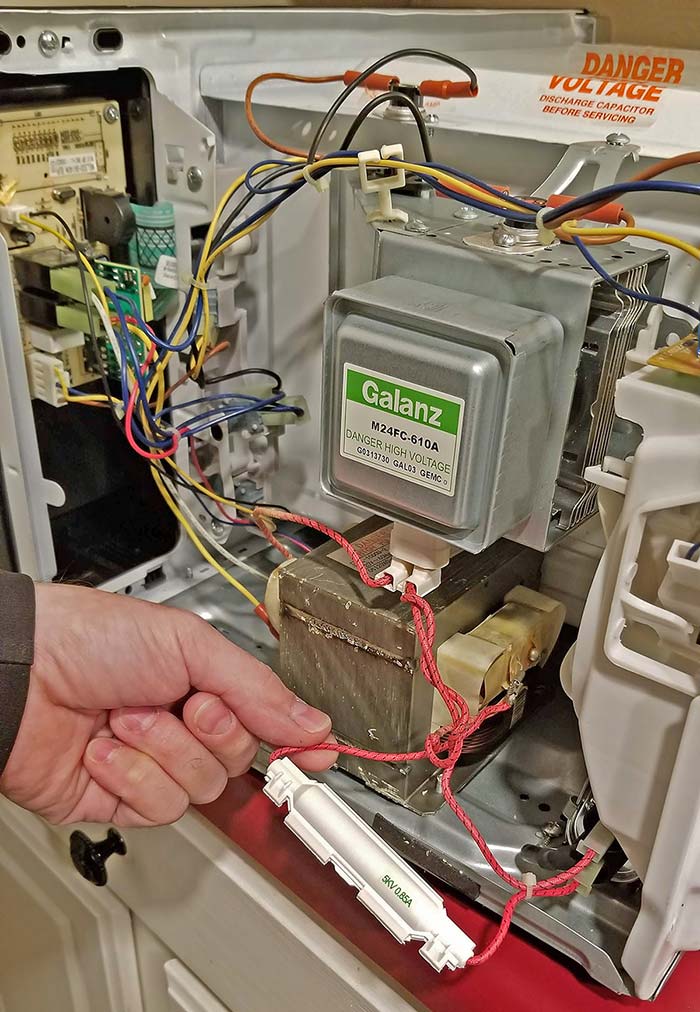
Microwaves hum but do not heat when a key high-voltage part fails. Many people search for "microwave not heating food?" when the unit runs but the food stays cold. Common causes include the magnetron, high-voltage diode, capacitor, door switches, and control board faults. I will walk through each cause in plain terms and show what you can check safely at home.

Main electrical causes
- Magnetron problem — A dead magnetron is the most common reason for a microwave not heating food?. The oven will run, lights may work, but no microwaves are produced.
- High-voltage diode failure — A failed diode stops the magnetron from getting full power. This can make the oven run but not heat.
- High-voltage capacitor or transformer — If these parts fail, the magnetron won’t receive the right voltage and the unit stops heating.
- Door switches and latch — If a door switch is faulty, it may prevent power to the magnetron and lead to microwave not heating food?.
- Control board or relay fault — Electronics can fail and cut output even when panels and lights function.
I once fixed a unit where a single door switch was worn. The owner thought the magnetron was dead. Replacing the switch solved the issue in under an hour. That taught me to always test simple items first.

Step-by-step troubleshooting you can do safely
Follow these checks in order. Stop and call a pro if you see burned parts, a bad smell, or cannot access components safely.
- Check power and settings
- Ensure the microwave is plugged in and the outlet works. Try another appliance on the same outlet.
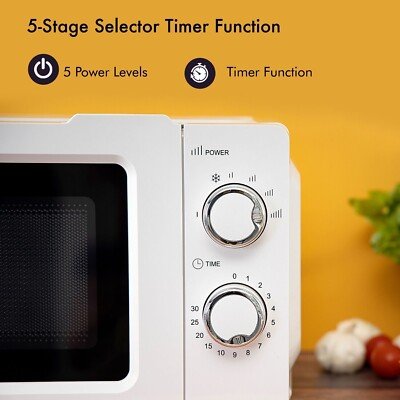
- Confirm the power level is set at 100% and no child lock is active. Sometimes low power makes food seem cold.
- Test with water
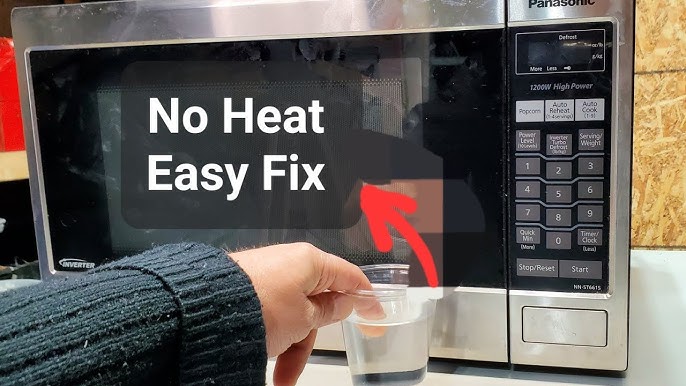
- Place a microwave-safe cup of water in the center and run for 60 seconds. If the water warms, the microwave is heating.
- Inspect the door and seals
- Clean and inspect the door latch and seals. A poor door seal or misaligned latch can trigger safety interlocks.
- Listen for normal sounds
- A working magnetron often produces a humming sound. No hum plus no heat suggests magnetron or HV component failure.
- Check fuses (external only)
- Inspect the plug and wall outlet fuse. Do not open the microwave to touch internal fuses unless you know how to discharge capacitors safely.
- When to stop and call a technician
- If internal parts like the magnetron, capacitor, or diode seem faulty, stop. These parts store dangerous voltages.
From my experience, simple fixes like resetting a breaker or clearing a child lock solve many calls. When parts inside are at fault, a trained technician is safer and faster.

Common parts, symptoms, and estimated costs
Knowing part names helps when you talk to a repair shop. Costs vary by brand and region. These are ballpark figures based on typical household models.
- Magnetron — Symptom: runs but no heat. Cost: $100–$300 for part and $150–$350 labor.
- High-voltage diode — Symptom: no heat but lights/fan work. Cost: $20–$60 for part and $100–$200 labor.
- High-voltage capacitor — Symptom: no heat, buzzing or burning smell. Cost: $20–$80 plus labor.
- Door switches — Symptom: unit won’t run or will stop mid-cycle. Cost: $10–$50 per switch and modest labor.
- Control board — Symptom: inconsistent behavior, no power to magnetron. Cost: $80–$250 for board and $100–$250 labor.
Often, a replaced magnetron makes the oven work again. But if the machine is old, repeated failures may mean it's time for a new microwave.

When to repair and when to replace
Decide based on age, cost, and safety. If you face repeated issues from worn parts, replacement may save money long term.
- Repair if
- The unit is under 7 years old.
- Repair cost is less than half the price of a new microwave.
- The unit has sentimental or built-in features worth saving.
- Replace if
- Repair costs exceed half the price of a new model.
- Multiple components show wear.
- The unit is older than 10 years.
I once advised a homeowner to replace a 12-year-old model after three major repairs. The new unit was cheaper than future fixes and used less energy.
Maintenance tips to prevent heating failures
Good habits keep microwaves working longer. Small steps reduce visits from repair techs.
- Use only microwave-safe dishes and covers to avoid arcing.
- Avoid running the oven empty. That can stress the magnetron.
- Clean the cavity and vents regularly to prevent overheating.
- Don’t slam the door. Gentle closure protects switches.
- Inspect the power cord for damage and avoid extension cords.
A quick monthly wipe and a check of the door seal saved me one client a costly repair. Prevention matters.

Frequently Asked Questions of microwave not heating food?
Why does my microwave run but not heat anything?
If the motor and lights run but food stays cold, a key high-voltage component likely failed. Common faults are the magnetron, diode, or capacitor.
Can a simple fuse cause microwave not heating food?
A blown external fuse or tripped breaker can cut power to the high-voltage circuit and prevent heating. Internal fuses can fail too, but internal checks are best left to technicians.
Is it safe to open my microwave to look for the problem?
No. Microwaves store lethal voltages in the capacitor even when unplugged. Only trained technicians should open and service the internals.
How long does a typical microwave repair take?
Minor fixes like door switch replacement can take under an hour. Major repairs like magnetron replacement often take 1–3 hours, depending on part availability.
Could the problem be my cookware or settings?
Yes. Using metal or low-power settings can leave food cold. Test with a cup of water on high power for 60 seconds to help isolate the issue.
Conclusion
A microwave not heating food? usually points to a failed high-voltage part, a simple setting issue, or a door/safety fault. Start with safe checks like power, settings, and a water test. If internal parts look suspect, call a trained repair tech to avoid risk. Fixing early can save money, but replacing an old or repeatedly failing unit is often the better choice. Try the safe steps above, schedule a repair if needed, and share your experience or questions below to get more help.