How Microwave Defrosts Food: Quick Science And Safe Tips
Microwaves defrost food by agitating water molecules, melting ice with low-power microwave energy.
I have worked with household kitchen tech and tested many microwaves. In this article I explain, step by step, how microwave defrosts food, why it sometimes cooks edges, and how to get safe, even thawing. You will learn the science, the best settings, practical tips I use at home, and the safety rules that matter most.
How microwave defrosts food: The science
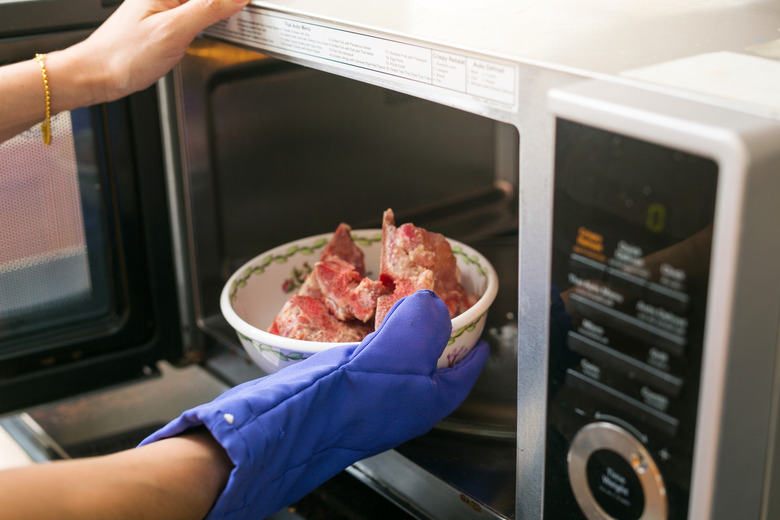
Microwave ovens make invisible waves. These waves are electromagnetic and sit at about 2.45 GHz. The waves make polar molecules, mainly water, try to align with the changing field. That motion creates friction and heat. This process is called dielectric heating.
When you defrost, the microwave runs at lower power or in pulses. Lower power means the average energy is less. Ice melts first because the water molecules in ice still respond to the waves at the surface and in thin layers. Liquid water heats faster than solid ice. That is why parts can warm while the center stays frozen.
How microwave defrosts food depends on water content, shape, and container. Thin or flat pieces thaw faster. Dense items with less free water thaw slower. Metal blocks microwaves, so using a safe dish matters.
Key points:
- Microwaves excite water and some fats and sugars.
- Energy is absorbed unevenly, so hot spots form.
- Low power settings or cycles reduce cooking while thawing.

Source: youtube.com
Defrost settings and how they work
Most microwaves have a defrost button. There are two common approaches:
- Power reduction method. The oven cycles between on and off to reach a lower average power. This gives time for heat to move through the food.
- Sensor or algorithm method. The oven estimates weight or uses humidity sensors to tune time and power.
Automatic weight defrost uses a short table of power and time. Sensor defrost watches steam and stops when thawing is done. Both aim to avoid partially cooking edges.
Practical notes:
- If your microwave uses 30% power for defrost, it means the magnetron runs intermittently to average around that level.
- Timer-based defrost is predictable but needs checking.
- Sensor defrost helps but is not perfect for dense or fatty foods.

Source: houndsy.com
Practical tips for safe and even defrosting
Follow these actions for better thawing:
- Arrange food flat. Thaw thin pieces faster and more evenly.
- Use microwave-safe shallow dishes. They let heat spread and catch drips.
- Pause and rotate. Stop every few minutes to turn or flip food so edges don’t overcook.
- Use low power. Set 20–30% power or use the designated defrost mode.
- Cover loosely. A vented lid or microwave-safe plastic wrap keeps moisture in and speeds thaw.
- Check and separate. If portions thaw at different rates, separate them to finish thawing faster.
- Finish in the fridge for large items. If the center is still cold but surface is warm, let it rest in the fridge.
Safety tips:
- Never defrost at full power unless you plan to cook immediately.
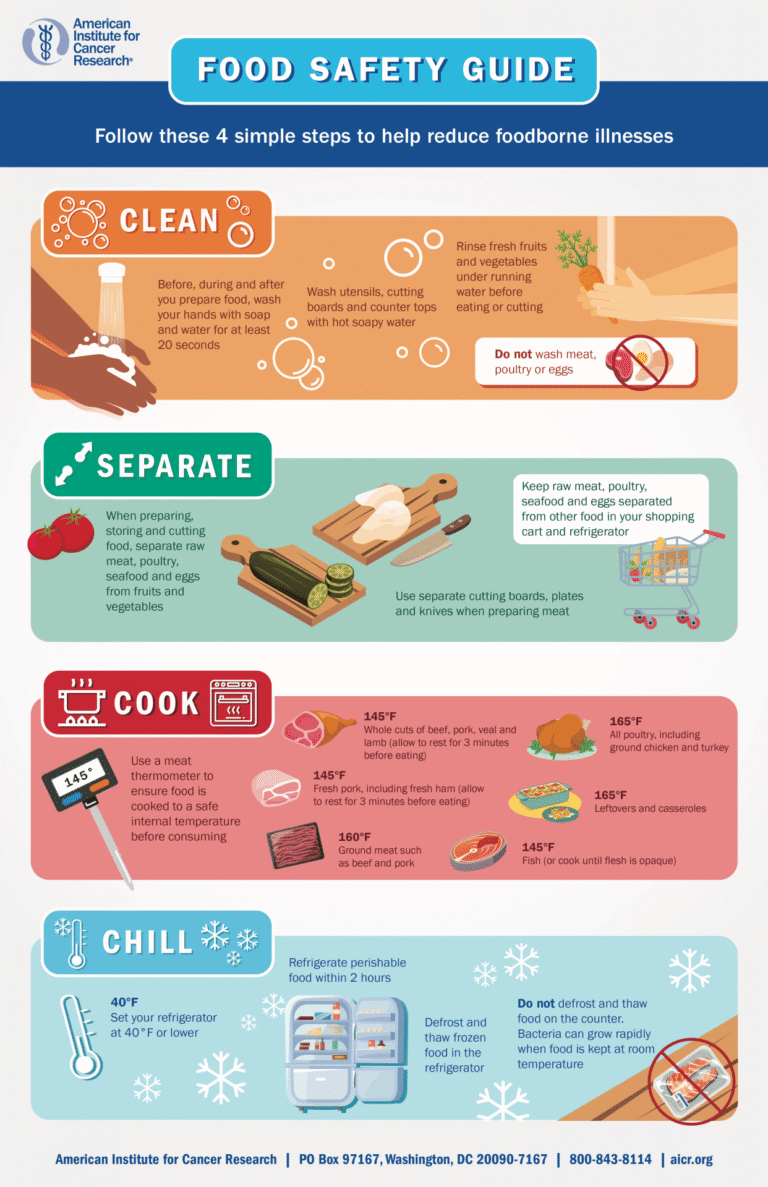
- Don’t refreeze raw food that warmed above 40°F for long. Bacteria risk rises with time and warmth.
- Use a food thermometer if unsure. The safe zone for topping off thawing is below 40°F for refrigerated rest and above 165°F for cooked endpoints.
Source: safefood.net
Common mistakes and how to avoid them
Many people use the microwave wrong at defrost time. Here are the frequent errors and fixes.
Mistake: Using full power.
- Fix: Reduce power to avoid cooked edges.
Mistake: Leaving food in clumps.
- Fix: Break pieces apart or slice before defrosting.
Mistake: Using metal or foil.
- Fix: Use microwave-safe glass or plastic.
Mistake: Not rotating or stirring.
- Fix: Pause to stir or flip to reduce hot spots.
Mistake: Assuming automatic mode is perfect.
- Fix: Check frequently and use a thermometer for large cuts.
Avoiding these will help you see how microwave defrosts food without ruining texture or safety.
Comparing microwave defrosting to other methods
You have choices. Each method has pros and cons.
Refrigerator thawing
- Pros: Safest and most even thaw. Low bacterial risk.
- Cons: Slow. Takes hours or overnight.
Cold water thawing
- Pros: Faster than fridge. Good for sealed packages.
- Cons: Needs water changes or sealed packaging. Slightly more hands-on.
Microwave thawing
- Pros: Fast and convenient. Good for small cuts or last-minute needs.
- Cons: Uneven heating and possible partial cooking.
Sous-vide or warm water bath
- Pros: Gentle and precise for cooking after thaw.
- Cons: Requires gear and time.
Choose based on time, safety needs, and the food type. Knowing how microwave defrosts food helps you pick the right method for speed and quality.

My experience and lessons learned
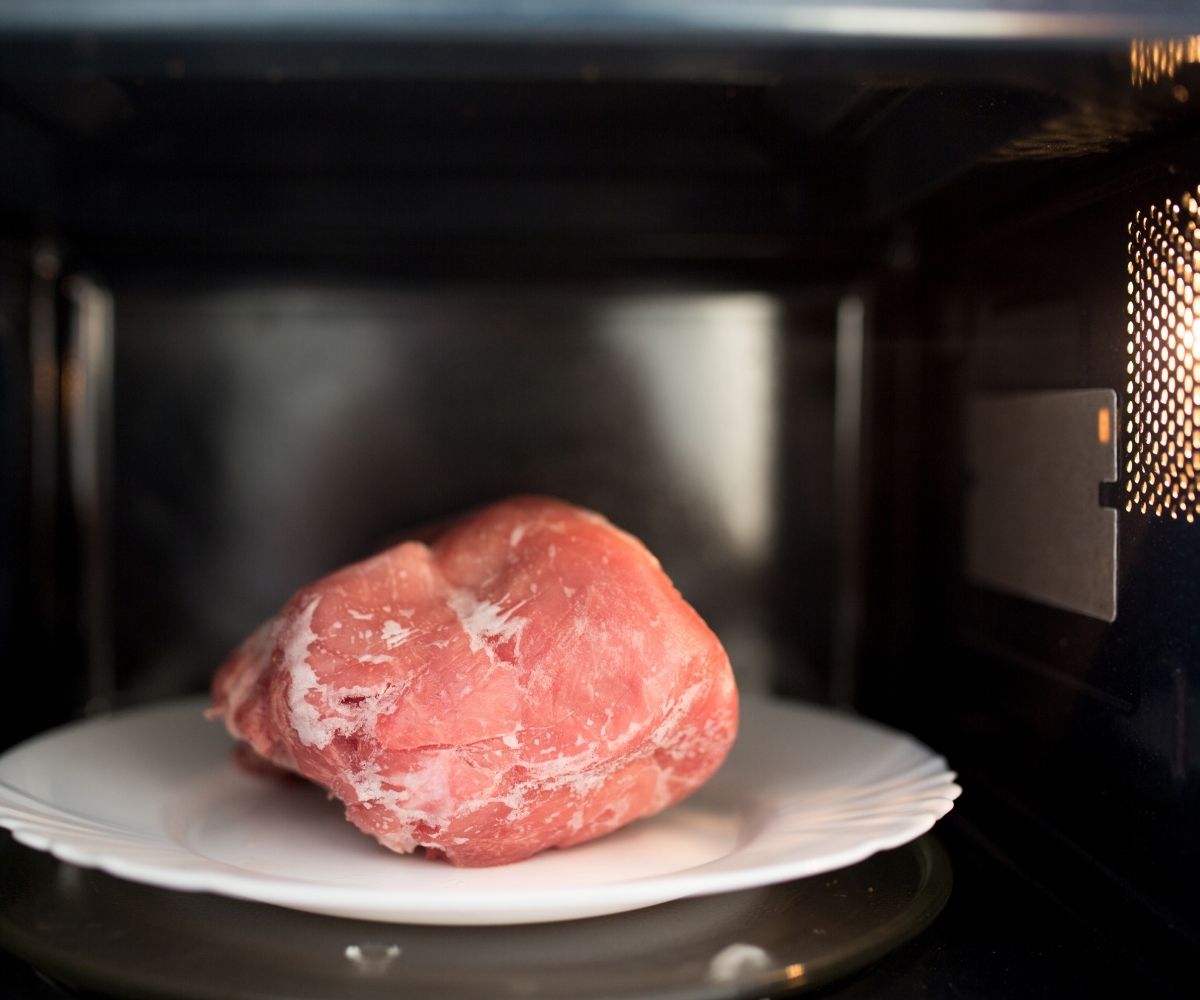
I have thawed meat, bread, and frozen fruit in dozens of microwaves. I once tried defrosting a large roast on automatic mode and ended up with warm edges and a still-frozen core. After that mistake I learned to:
- Score or slice large roasts before microwaving.
- Use short bursts and check often.
- Let the food rest so carryover heat evens the core.
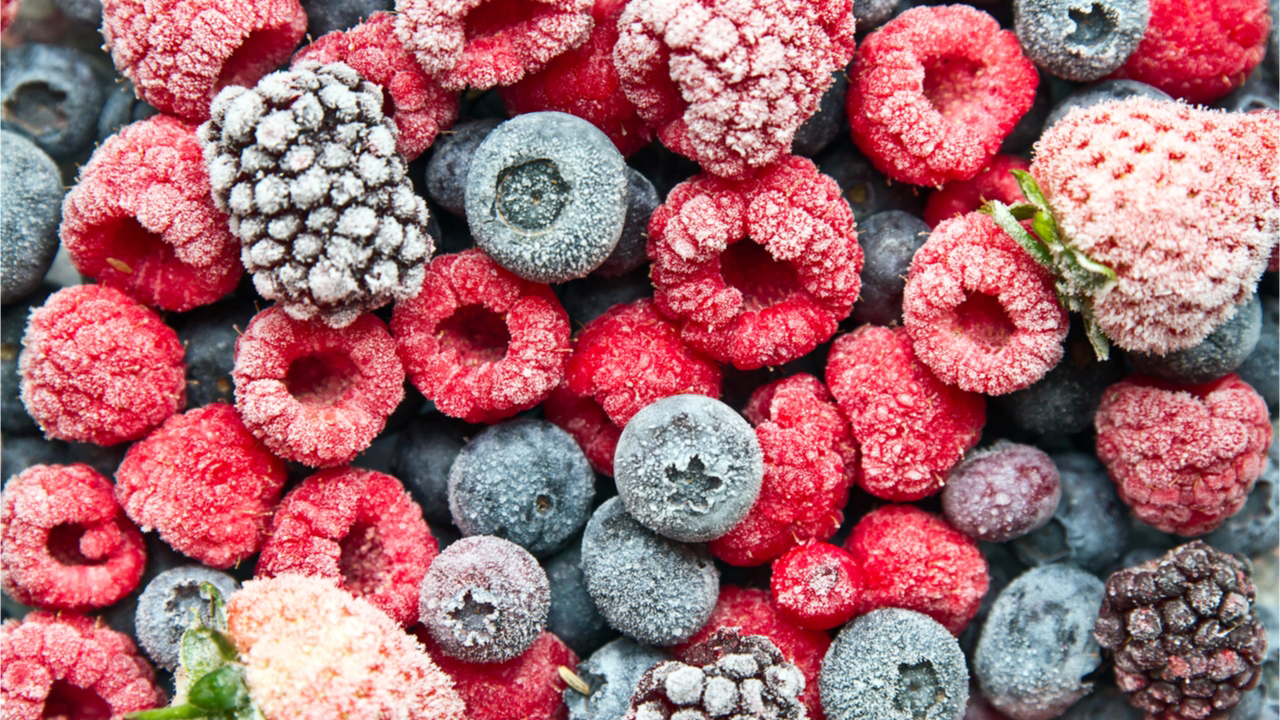
For frozen fruit, I learned that pulsed defrost works best. For bread, steam retention prevents dryness. The tip I use most: plan a quick finish in the oven or on the stovetop if defrosting causes minor cooking.
These real tests taught me how microwave defrosts food best: patient short cycles, rotation, and finishing steps.
Frequently Asked Questions of how microwave defrosts food?
How long should I defrost food in the microwave?
Defrost time varies by weight and type. Use weight-based settings or short intervals of 1–2 minutes and check often to avoid cooking edges.
Can I cook food directly after microwave defrosting?
Yes, you can cook immediately. If parts are warm, cook right away to reach a safe internal temperature and reduce bacterial growth.
Is it safe to defrost meat on high power?
No. High power will cook outer layers while the center stays frozen. Use low power or the defrost setting instead.
Will microwave defrosting change food texture?
It can. Rapid or uneven heating can make proteins firm or cause moisture loss. Use gentle cycles and rest periods to reduce texture changes.
Can I leave defrosted food at room temperature?
It’s not recommended for more than two hours. Bacteria grow faster between 40°F and 140°F, so cook or refrigerate promptly.
How do I prevent hot spots when defrosting?
Rotate, stir, or rearrange items every minute or two. Use shallow containers and separate pieces to allow even wave penetration.
Does packaging affect microwave defrosting?
Yes. Microwave-safe, vented packaging helps. Tight plastic can trap steam and cause uneven thawing, while metal blocks the waves.
Is it better to use a microwave or thaw in cold water?
For speed, microwave wins. For safety and evenness, cold water or fridge thaw is often better for large or dense items.
Can I refreeze food after microwave defrosting?
Only if it stayed cold and was not held above 40°F for long. If the food warmed significantly, cooking then refreezing is safer.
Why are edges warm but the center frozen?
Microwave energy is absorbed more at surfaces and areas with free water. The center is denser and takes longer to warm, which causes uneven thawing.
Conclusion
Understanding how microwave defrosts food helps you thaw fast and safe. Microwaves use electromagnetic waves to agitate water. Low power and pulsed cycles reduce cooking while melting ice. Use short bursts, rotate and rest food to avoid hot spots. When in doubt, finish cooking immediately or use fridge/cold-water methods for large items. Try one change today: slice or arrange your frozen food before the next microwave defrost, and you’ll see better results. If you found these tips useful, try them and share your experience or questions in the comments.