Microwave Safety Tips?: Essential Guide For Safe Use
Keep metal out, use microwave-safe containers, avoid superheating, and clean door seals regularly.
I’ve spent years testing kitchen gear and advising homeowners about safe appliance use, so you’re in good hands. This guide covers practical, evidence-based microwave safety tips? that I use every day — from the right containers to reheating food safely, common myths, and simple maintenance that prevents accidents. Read on for clear steps you can apply now to keep your kitchen safer and your food healthier.
Why microwave safety matters
Microwaves heat food fast and can cause burns, fires, or food-borne illness if used incorrectly. Understanding microwave safety tips? reduces risk and helps your appliance run longer.
Microwave ovens use high-frequency energy to excite water molecules in food. That energy is safe when the oven is intact and used correctly, but misuse can cause hazards like heated steam, hot spots, or flammable sparks from metal. I’ve seen small care mistakes lead to big problems, so following basic practices matters.

Basic microwave safety rules
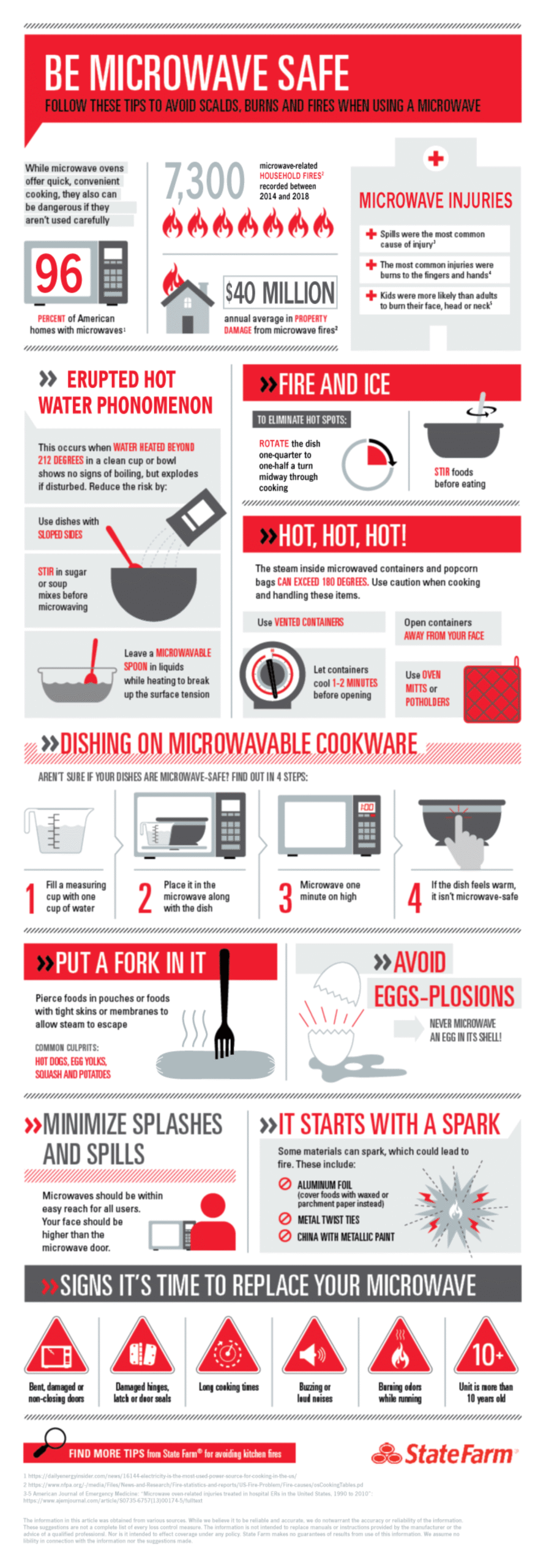
Use these core microwave safety tips? every time you heat food to avoid injury and damage.
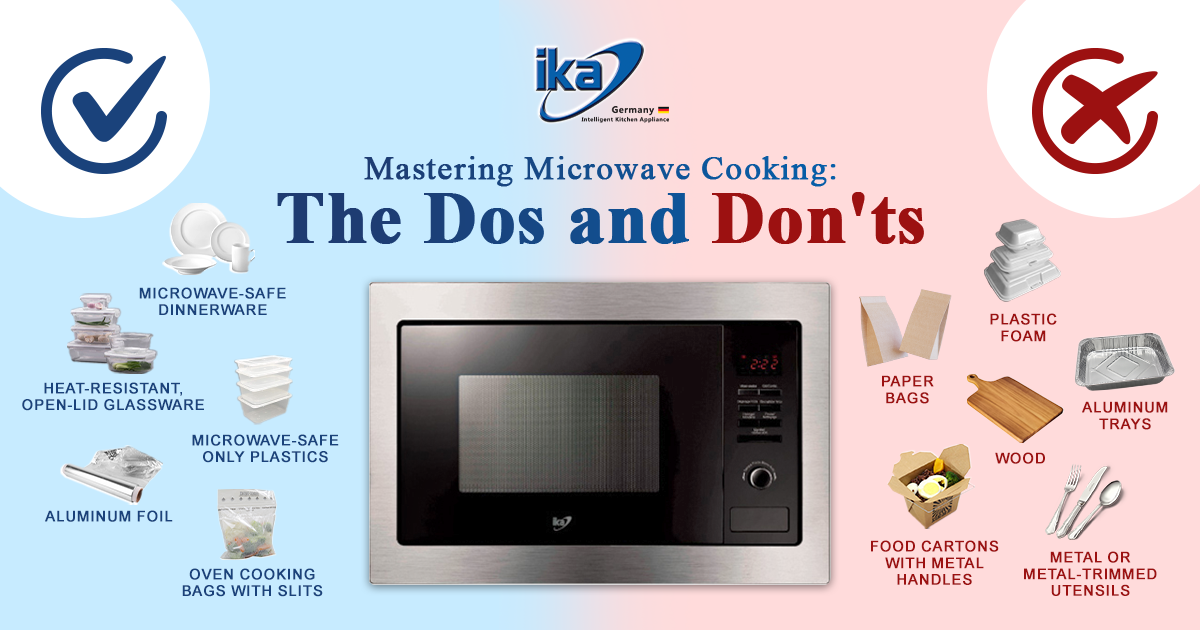
- Keep metal out of the oven cavity. Metal can spark and damage the magnetron or start a fire.
- Use microwave-safe containers labeled for microwave use. Avoid thin plastic that can melt.
- Pierce or vent sealed foods and sauces to prevent steam explosions. Always open containers away from your face.
- Stir and rotate food during heating to reduce cold spots that harbor bacteria and hot spots that burn you.
- Use oven mitts when removing items. Plates and bowls can become very hot.
Safe containers and materials
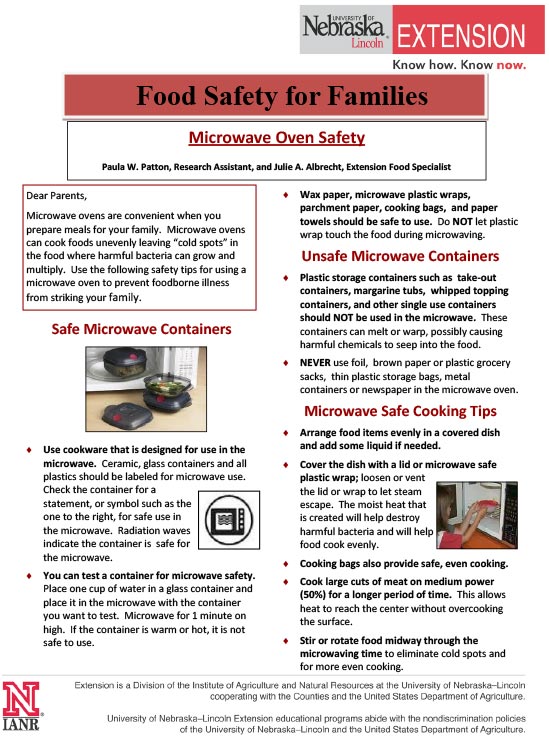
Choosing the right container is one of the most effective microwave safety tips?. Your container choice controls chemical migration, melting, and uneven heating.
- Microwave-safe glass and ceramic are best. Look for tempered glass or labels indicating microwave use.
- Use plastics marked microwave-safe only. Even then, avoid heating fatty or sugary foods in plastic for long times.
- Avoid metal, aluminum foil, and containers with metallic paint or trims. Exceptions are rare and require explicit manufacturer guidance.
- Paper towels, parchment paper, and microwave-safe covers help trap steam without risking sparks or melting.
- Do not use takeout containers that aren’t labeled microwave-safe; some can warp or release chemicals when hot.
From personal tests, a heavy glass bowl distributes heat more evenly than thin plastic, which I’ve seen warp quickly. If you’re unsure about a container, choose glass or ceramic.

Food safety and reheating best practices
Food safety is a key part of microwave safety tips?. Follow these steps to avoid illness and uneven heating.
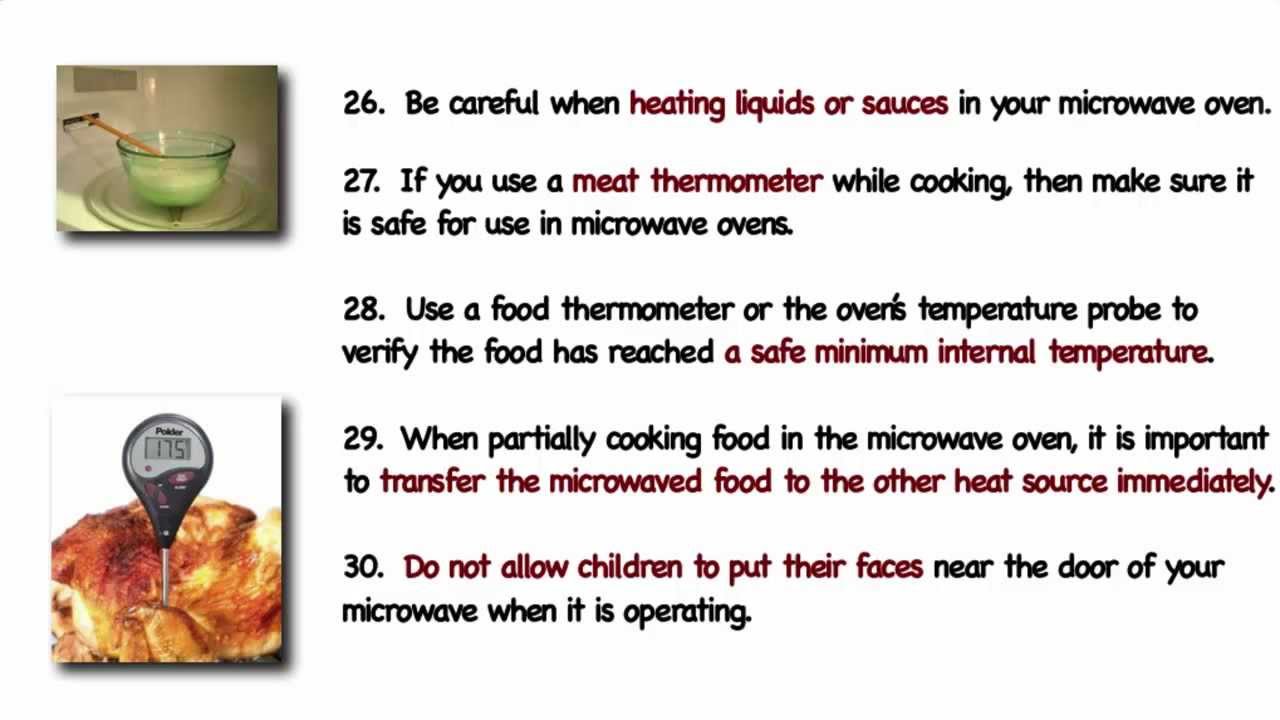
- Reheat to 165°F (74°C) for leftovers. Use a food thermometer to check center temperature.
- Use medium power for foods that need even heating. High power can overcook edges and leave cold centers.
- Cover food to retain moisture and promote even heating. Leave a small vent to release steam safely.
- Rotate or stir halfway through heating. This reduces cold spots where bacteria can survive.
- Cool and store leftovers within two hours. Reheat only once to prevent repeated bacterial growth.
I once reheated lasagna on high and found cold spots in the middle. Switching to medium power and adding a minute or two solved the problem every time.
Avoiding superheated liquids and steam burns
Superheating is a hidden danger. It can happen when liquids are heated beyond their boiling point without visible bubbling, then erupt when disturbed.
- Heat liquids in short intervals and stir between intervals. This reduces the chance of sudden boiling.
- Use containers with a wide mouth rather than a narrow one to allow bubbles to form.
- Place a nonmetallic object like a wooden stir stick or microwave-safe spoon in the cup to break surface tension.
- Open container lids away from your face to avoid steam burns.
A simple habit change—stirring water once or twice—prevented a painful scald in my kitchen. It’s a small step that pays off.

Child safety and placement tips
Protect kids and make your kitchen safer with these microwave safety tips?.
- Place the microwave where children can’t reach controls or hot dishes. If it must be low, supervise use.
- Use child-lock features if available to prevent accidental use.
- Teach kids safe handling: use mitts, open lids away from faces, and never put metal inside.
- Keep hazardous items like plastic wrap, foil, and sharp utensils out of children’s reach.
Simple supervision and the child-lock feature prevented curious toddlers in my family from testing risky items inside the oven.

Maintenance, repairs, and when to replace
Regular care keeps your microwave working and reduces safety risks. Neglect can lead to leaks, sparks, and uneven heating.
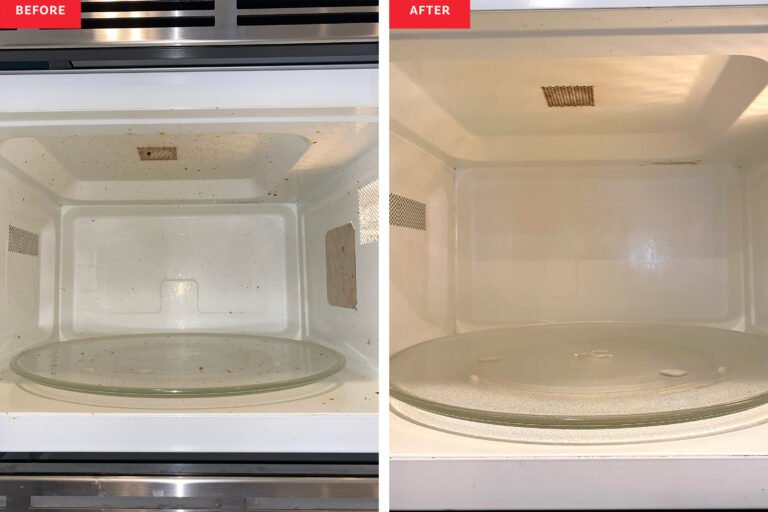
- Clean spills promptly. Food residue can absorb energy and overheat.
- Check door seals and latches. If the door doesn’t close tightly, stop using the oven and get it inspected.
- Don’t try to repair the magnetron or electronics yourself. Seek professional service for internal repairs.
- Replace the microwave if it smokes, sparks, or has cracked glass or warped doors.
- Test for unusual noises or smells and discontinue use until resolved.
I once delayed cleaning and the buildup caused a small flare-up. Quick cleaning and a routine check avoided bigger damage.

Common myths and misconceptions
Clearing up myths helps you follow real microwave safety tips? and avoid unnecessary fear or risky behavior.
- Myth: Microwaves make food radioactive. Fact: Microwaves use non-ionizing radiation and do not make food radioactive.
- Myth: Metal always causes fires. Fact: Most metal items create sparks or arcing; avoid them unless the manufacturer approves.
- Myth: Standing near a microwave is dangerous. Fact: With a good seal, modern microwaves leak negligible energy and are safe at normal distances.
- Myth: Microwaving destroys nutrients. Fact: Microwaving can preserve nutrients because of shorter cooking times compared to other methods.
Understanding the facts makes it easier to follow practical microwave safety tips? without stress.
Personal tips and lessons learned
Here are the quick, real-world microwave safety tips? I use daily and recommend to friends.
- Keep a small microfiber cloth and spray near the microwave for quick cleanups after use.
- Label leftover containers with dates before microwaving; it helps avoid reheating spoiled food.
- Use a lower power setting for even reheating instead of blasting on high.
- Keep a fire extinguisher rated for kitchen use nearby and know how to use it for small electrical fires.
These simple habits have saved time and headaches in my home. Small routines add up to big safety gains.
Frequently Asked Questions of microwave safety tips?
What is the safest container to use in a microwave?
Use microwave-safe glass or ceramic. These materials handle heat well and usually heat food evenly without releasing chemicals.
Can I put aluminum foil in the microwave?
Generally no; aluminum foil can spark and cause damage unless the manufacturer explicitly permits it for a specific model. Small amounts tucked tightly and used per cooking instructions are the only safe exceptions.
How do I prevent superheated water?
Heat liquids in short intervals, stir between intervals, and use a wider container or a nonmetallic object in the liquid to allow bubbles to form. These steps reduce sudden eruptions.
Is it safe to stand near a running microwave?
Yes, standing a normal distance from a well-maintained microwave is safe, as modern ovens have proper shielding and minimal leakage. If the door or seals are damaged, stop using it and get it checked.
How often should I clean my microwave?
Wipe spills after each use and deep-clean weekly, or more often with heavy use. Keeping it clean prevents odors, arcing, and hotspots.
Can microwaving food cause cancer?
No, microwaving does not make food radioactive or create cancer-causing radiation; it uses non-ionizing waves that heat food but don’t change its atomic structure. Follow safe heating practices to avoid food-borne illness.
When should I replace my microwave?
Replace it if it smokes, sparks, has a broken door, or if the door seal or latch is damaged. Also consider replacement if performance declines or repairs cost more than a new unit.
Conclusion
Follow these practical microwave safety tips? to reduce burns, prevent fires, and keep food safe. Small habits—using the right containers, venting foods, stirring, and keeping the oven clean—make a big difference for safety and food quality. Start by checking your containers and cleaning the seals today, and consider subscribing or leaving a comment to share your own microwave tips or questions.