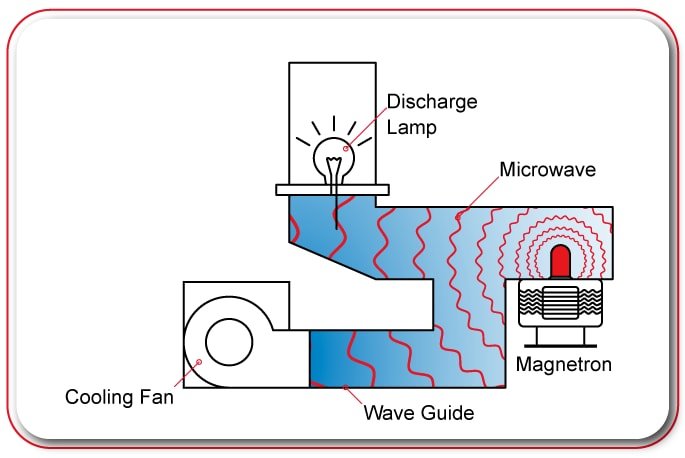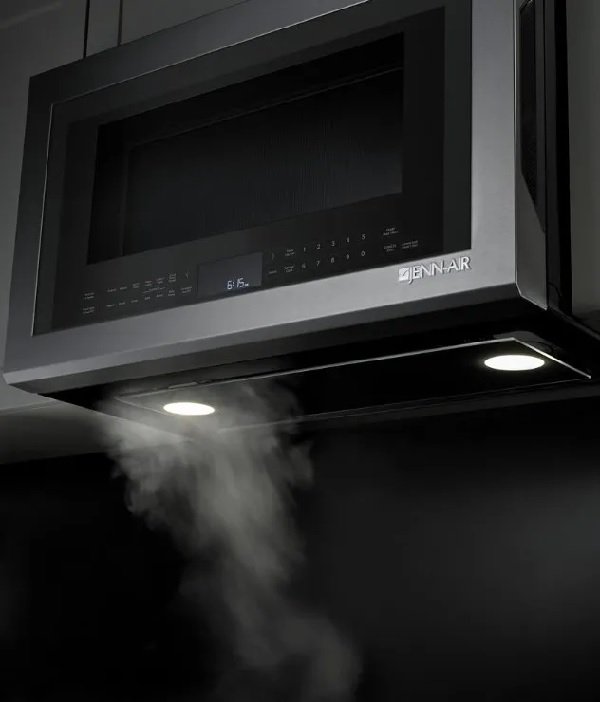
Most microwaves need dedicated ventilation; direct-vent (ducted) is best for safety and odor control.
I have installed and tested kitchen vents for years, so I know how microwave ventilation needs? affect air quality, cooking comfort, and appliance life. This guide breaks down what your microwave ventilation needs? are, why they matter, how to choose the right system, and simple steps you can take today to improve kitchen ventilation. Read on for practical advice, common pitfalls, and hands-on tips you can use when buying or installing a microwave.

Why microwave ventilation matters
Good ventilation removes steam, grease, heat, and odors. It also cuts smoke and reduces moisture that can damage cabinets and walls. Poor ventilation may leave lingering smells and shorten appliance life.
I once installed an over-the-range microwave for a small apartment. The tenant used recirculation only. After a year the cabinet above was sticky with grease. That taught me to favor ducted solutions when possible.
Key reasons to care about microwave ventilation needs?
- Health: Reduces airborne particles and cooking gases.
- Comfort: Less smell and heat while cooking.
- Maintenance: Less grease buildup on cabinets and walls.
- Safety: Lowers risk of persistent smoke and triggers for alarms.

Types of microwave ventilation systems
There are simple choices. Choose one based on your kitchen layout and budget.
Over-the-range venting options
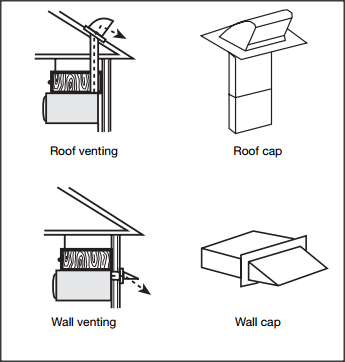
- Ducted (vent to outside): Best for odor and moisture removal. Requires a duct path.
- Recirculating (charcoal filter): Good when ducting is impossible. Removes some odors but not moisture.
Installation location options
- Above range: Most common. Directly captures steam and fumes.
- Under-cabinet with external duct: Works well when microwave sits under cabinetry.
- Wall or inline blowers: Move exhaust farther from the cooktop for quieter operation.
Common hardware and duct sizes
- Typical ducts: 6-inch round or 3-1/4" x 10" rectangular for good airflow.
- Adapters: Many microwaves include adapters to match existing ducts.
- Filters: Mesh filters for grease; charcoal filters for recirculation.
How to choose the right ventilation for your microwave
Match performance to your cooking habits. Ask the right questions before you buy.
Consider these factors
- Cooking frequency: Heavy frying needs stronger ventilation.
- Stove type: Gas stoves produce more combustion byproducts and need better ventilation.
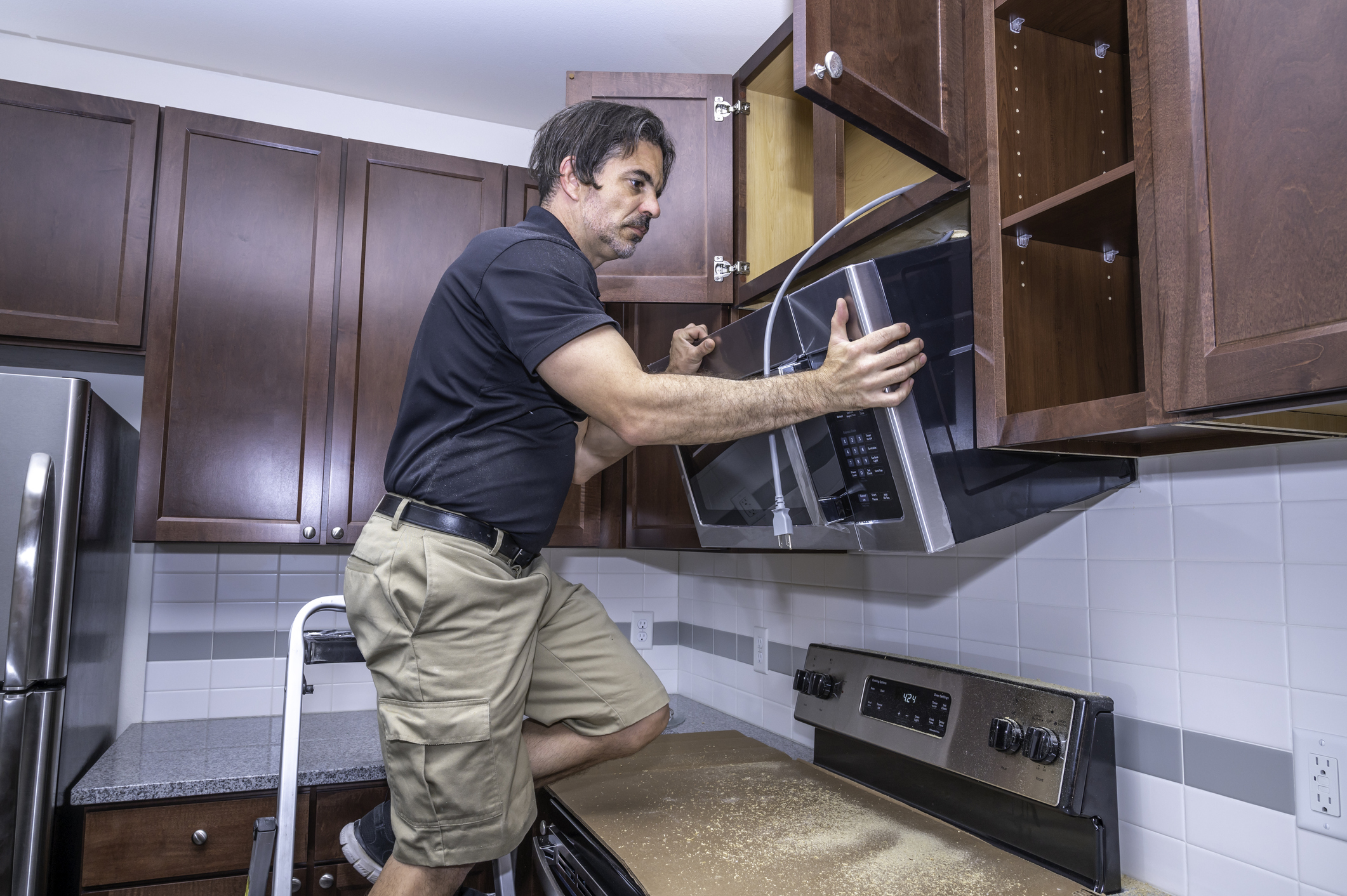
- Space: Measure space and duct route before selecting a microwave.
- Noise tolerance: Higher airflow often means more sound.
Practical selection guide
- For heavy cooking or gas ranges, choose ducted systems with higher airflow.
- For light use or rental units, recirculating can work if regular maintenance is done.
- Check manufacturer specs for required clearances and recommended duct size.
Personal tip: I always measure the planned duct run before buying. Long runs and multiple bends reduce airflow. If your duct run is long, pick a model with higher listed airflow to compensate.

Installation and clearance basics
Follow safety rules. Small mistakes can reduce performance or void warranties.
Clearance and placement
- Follow the microwave manual for exact clearances. Typical guidance is 13–18 inches above electric cooktops and around 30 inches above gas ranges.
- Keep the exhaust path straight and smooth. Avoid many turns and sharp bends.
Ducting best practices
- Use at least 6-inch round or equivalent rectangular duct for best airflow.
- Seal joints with foil tape. Avoid tape that can melt or degrade.
- Insulate ducts passing through unconditioned spaces to avoid condensation.
Safety notes
- Always follow local building codes and manufacturer instructions.
- If unsure, hire a licensed installer to ensure proper venting and compliance.
Maintenance, filters, and troubleshooting
Regular care keeps ventilation working well and extends microwave life.
Simple maintenance tasks
- Clean grease filters every 1–3 months depending on use.
- Replace charcoal filters every 3–6 months if using recirculation.
- Wipe the exterior and vent grilles monthly to prevent buildup.
Troubleshooting tips
- Weak airflow: Check for clogged filters or crushed ductwork.
- Excess noise: Tighten loose parts and check for fan wear.
- Smells persist: Consider switching from recirculation to ducted venting if possible.
From experience, a quick monthly filter check stops most performance issues. I once fixed a weak vent by simply unclogging an old mesh filter.

Common mistakes and how to avoid them
People often underestimate microwave ventilation needs? and skip easy steps that matter.
Mistakes to avoid
- Relying only on recirculation for heavy cooking.
- Using undersized ducting or many bends in the duct run.
- Ignoring manufacturer clearance and installation instructions.
- Forgetting regular filter cleaning and replacement.
How to avoid these mistakes
- Plan the duct route before buying a microwave.
- Choose ducted venting for frequent frying or gas cooktops.
- Keep a maintenance habit: quick clean every month and filter swaps on schedule.
Cost and energy considerations
Ventilation affects energy and budgets. Plan for both upfront and long-term costs.
Upfront vs long-term costs
- Ducted installations cost more up front if ductwork is needed.
- Recirculating units are cheaper initially but require recurring filter purchases.
- Efficient ventilation reduces the need for extra cooling and prevents moisture damage.
Energy tips
- Use ventilation only while you cook and for a few minutes after to save energy.
- Choose models with efficient motors and rated airflow for lower running costs.
Frequently Asked Questions of microwave ventilation needs?
What is the best type of ventilation for an over-the-range microwave?
Ducted ventilation that vents outside is the best for removing steam, grease, and odors. It prevents moisture buildup and keeps cabinets cleaner.
Can I use recirculating ventilation for my microwave?
Yes, recirculating ventilation works when exterior venting is impossible, but it removes odors less effectively and cannot remove moisture.
How often should I clean or replace filters?
Clean metal grease filters every 1–3 months and replace charcoal filters every 3–6 months, depending on cooking frequency.
What duct size should I use for good airflow?
Aim for at least a 6-inch round duct or an equivalent rectangular duct for optimal airflow in most homes. Wider ducts handle more flow and run quieter.
Do microwave ventilation needs? change with a gas stove?
Yes. Gas stoves produce combustion gases and moisture, so stronger, ducted ventilation is usually recommended for safety and air quality.
Conclusion
Good ventilation keeps your kitchen clean, comfortable, and safe. Assess your microwave ventilation needs? by considering your cooking habits, stove type, and duct options. Favor ducted systems when possible, follow manufacturer clearances, and maintain filters regularly.
Take action today: measure your duct route, check your microwave manual, and plan for a ducted upgrade if you cook often or use gas. Share your questions or experiences below, and consider subscribing for more practical kitchen tips.