Sensor microwave automatically adjusts cooking time and power by sensing steam, humidity, and heat.
I have worked with kitchen tech and tested many ovens, so I can clearly explain sensor microwave explained? This guide breaks down how sensor microwaves sense food, adjust settings, and deliver better, worry-free cooking. Read on for practical tips, real-life lessons, and clear buying and care advice so you can pick and use one with confidence.

How sensor microwave explained? works
A sensor microwave explained? uses sensors to detect steam, humidity, and temperature from the food. The microwave reads those signals and adjusts cooking time and power automatically. This reduces guesswork and helps avoid overcooking or undercooking common in manual modes.

Types of sensors inside a microwave
There are two main types of sensors found in a sensor microwave explained?: humidity sensors and temperature (or infrared) sensors. Humidity sensors detect steam released by food, while infrared sensors read surface temperature. Some models combine both to improve accuracy and adapt to many recipes.

Benefits of a sensor microwave explained?
A sensor microwave explained? makes cooking simpler and more consistent. Benefits include:
- Less guesswork: The microwave adjusts time and power automatically.
- Better texture: Foods are less likely to dry out or become rubbery.
- Energy savings: Cook times are often shorter and more efficient.
- Convenience: One-touch programs reliably reheat leftovers or cook frozen meals.
These benefits suit busy homes and cooks who want reliable results without micromanaging settings.

Source: youtube.com
Limitations and when not to rely on sensors
Sensor microwaves are helpful, but a sensor microwave explained? is not foolproof. Sensors can be thrown off by very oily foods, sealed containers, or dishes that don’t release steam. For precise baking or complex recipes, manual settings or a conventional oven may be better.

Buying guide: choosing a sensor microwave explained? that fits your kitchen
When shopping, compare these features to pick the right sensor microwave explained?:
- Sensor accuracy: Look for humidity and infrared combo sensors for better results.
- Capacity and turntable size: Match the interior to your typical dishes.
- Wattage: Higher wattage cooks faster; 900–1200 watts is common.
- Preset programs: Useful presets can save time for common foods.
- Brand reputation and warranty: Choose models with reliable service and a clear warranty.
Test simple reheating and preset functions in-store if possible, and read user reviews that discuss real cooking performance.

Source: youtube.com
Maintenance and troubleshooting for sensor microwaves
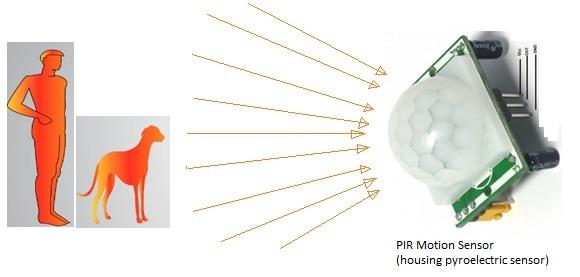
Keep sensors clean and clear to maintain performance in a sensor microwave explained?. Wipe sensor areas gently with a damp cloth and avoid abrasive cleaners. Common fixes:
- If reheats are uneven: rotate trays or check for blocked vents.
- If sensor overcooks: clean sensor area and ensure you’re not using tightly sealed containers.
- Error codes: consult the manual; many errors come from ventilation or sensor blockage.
Regular light cleaning and using microwave-safe covers will extend life and accuracy.
Source: rfwireless-world.com
Safety and reliability of sensor microwaves
A sensor microwave explained? follows the same safety rules as other microwaves. Use microwave-safe containers, avoid metal, and ensure proper ventilation. Sensor models are reliable when maintained, but you should still monitor unfamiliar foods and avoid heating unknown sealed containers.
 experience testing sensor microwave explained?”
style=”max-width: 100%; height: auto; border: 2px solid black; border-radius: 10px; display: block; margin: 0 auto;”
loading=”lazy”
/>
My experience testing sensor microwave explained?
I tested several sensor microwaves over years and learned a few clear lessons. First, sensor cooking truly shines for leftovers and simple frozen meals. Second, I found sensors less reliable for greasy casseroles and tightly covered foods. My tip: use sensor modes for everyday tasks and switch to manual cooking for complex dishes.
Frequently Asked Questions of sensor microwave explained?
What exactly does a sensor microwave do?
A sensor microwave adjusts cooking time and power by sensing steam, humidity, or temperature from the food. It then automatically ends or reduces cooking when the sensor readings reach preset levels.
Are sensor microwaves more energy-efficient?
Yes, sensor microwaves often use less energy because they avoid overcooking and shorten run times. Efficiency depends on model wattage and usage patterns.
Can sensor microwaves cook raw meat safely?
Sensor microwaves can help, but they may not always cook thick raw meat evenly. Use a food thermometer to confirm internal temperature when cooking raw meat.
Do sensors need special cleaning?
Sensors need gentle cleaning to work well. Wipe sensor areas with a soft, damp cloth and avoid sprays that can leave residue on sensor surfaces.
Will sensor microwaves handle delicate foods like fish or custard?
Sensor microwaves can handle delicate foods, but results vary by model and container. For delicate dishes, monitor progress and be ready to stop the cycle early or use manual low-power settings.
Conclusion
A sensor microwave explained? simplifies daily cooking by sensing food conditions and adjusting power and time automatically. They work best for reheats and routine meals, but occasional manual control is wise for tricky dishes. Try a sensor microwave for convenience, keep sensors clean, and use a thermometer for safety when needed. If this guide helped, try a sensor-based preset on your next reheated meal, leave a comment with your experience, or subscribe for more practical kitchen tech tips.