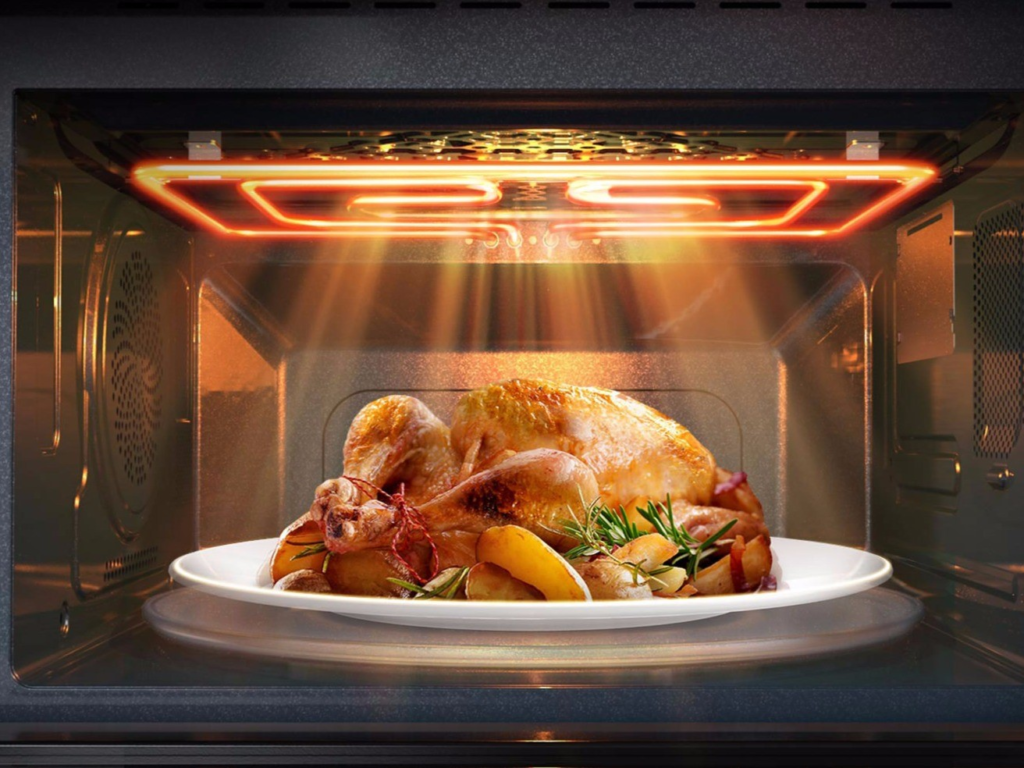
Microwaves heat unevenly because of standing waves, varying food absorption, and poor placement.
I’ve spent years fixing small appliances and testing kitchen tricks, so I know why microwave heats unevenly and how to fix it. This article explains the physics, common food and oven causes, and practical tips you can use today to get more even heating. Read on for clear, tested steps and simple troubleshooting you can try right now.

How microwave ovens actually heat food
Microwaves use electromagnetic waves to excite water and fat molecules. That energy turns into heat inside the food. The oven’s magnetron creates waves that bounce around the metal cavity.
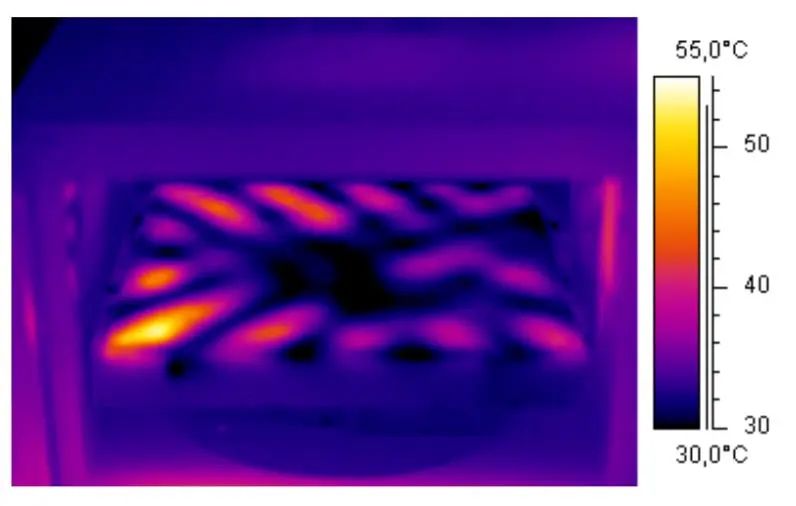
Energy spots form where waves add up and cold spots form where waves cancel out. These are called standing waves. Standing waves are a major reason why microwave heats unevenly.
Also, microwave power and the turntable design affect how waves move. Older ovens often lack a turntable or a good stirrer, so hot and cold patches are stronger.

Main reasons why microwave heats unevenly
Here are the most common causes I see when I fix or test microwaves.
- Standing waves and hot spots mean some spots get a lot more energy than others.
- Food shape and thickness cause uneven absorption; thick parts heat slower.
- Uneven water and fat distribution in food makes some areas heat faster.
- Poor placement on the turntable or a broken turntable means the food doesn’t rotate through hot spots.
- Low or uneven magnetron output from aging or faulty parts reduces consistent power.
From my hands-on experience, a cracked turntable roller or a worn stirrer fan often explains household complaints about uneven heating. Replacing small parts is often enough to restore evenness.

How food factors drive uneven heating
Food matters as much as the oven. Small changes in how you arrange food can make a big difference.
- Shape and size
- Tall or thick pieces take longer to heat through. A flat, even layer heats faster and more evenly.
- Water and fat distribution
- Foods with more water heat faster. Oily or dry parts lag behind.
- Temperature differences
- Starting with cold center or frozen pockets causes uneven results.
- Containers and lids
- Glass and ceramic heat differently than plastic. Covering with a vented lid traps steam and helps even heat.
When I reheat homemade lasagna, I cut slices thinner and cover them. The result is evenly hot cheese and no cold middle. Small prep habits help a lot.

Simple fixes and tips to make heating more even
These are practical steps that actually worked for me and my clients.
- Use a turntable and make sure it spins
- Check that the plate rotates freely and the motor is working.
- Stir and rotate
- Pause midway to stir or flip food for even temperature.
- Arrange food evenly
- Spread food in a ring or flat layer instead of a tall pile.
- Use covers and vented lids
- Cover food to trap steam and promote even internal heating.
- Use microwave-safe containers
- Use glass or ceramic that does not block microwaves.
- Use lower power for longer times
- Heating at 50–70% power for a few extra minutes lets heat spread by conduction.
- Let food rest after heating
- A 1–3 minute rest evens out temperature via conduction.
I recommend doing a simple test: place two identical mugs of water at opposite spots and run the microwave on high for one minute. If one is hotter, you can see why microwave heats unevenly in your unit. This quick test guided me when I repaired several ovens.
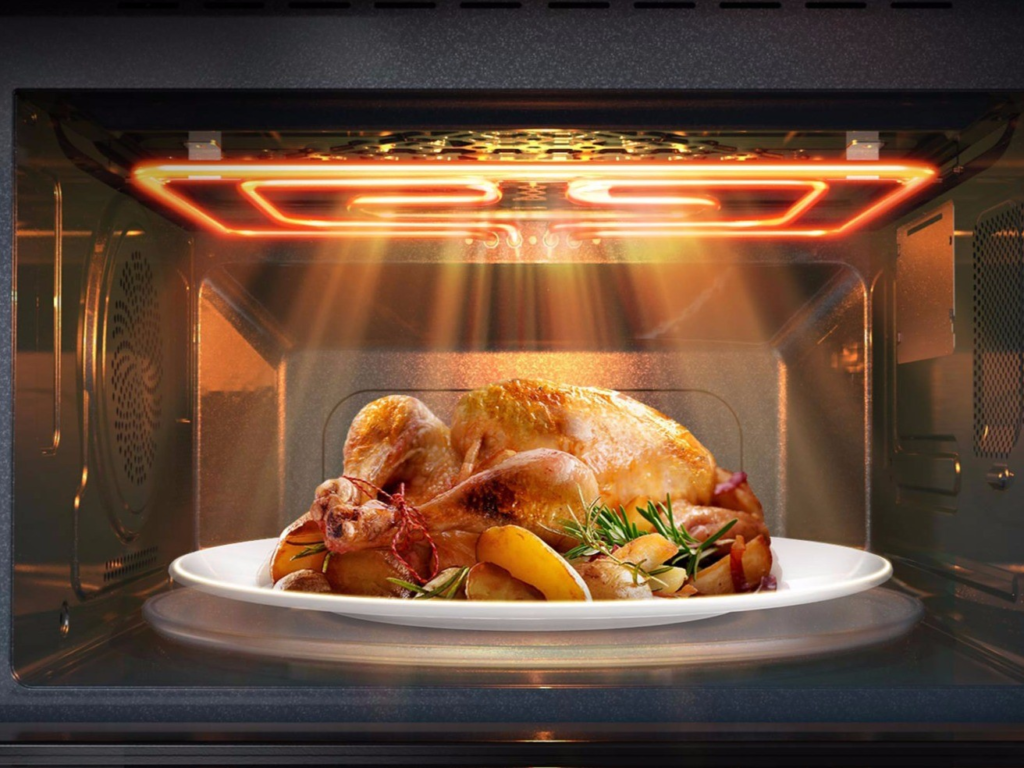
When the oven itself needs repair
Sometimes the oven components fail. Here’s what to check or ask a technician to inspect.
- Faulty turntable motor
- If the plate doesn’t move, hot spots stay fixed.
- Broken stirrer or waveguide cover
- These parts scatter waves; when they fail, hot spots increase.
- Aging magnetron or inconsistent power
- Dimming or uneven heat can mean the magnetron is weakening.
- Door seal or metal damage
- Gaps or dents change how waves reflect inside the cavity.
If you suspect a magnetron or high-voltage part, stop using the oven. These parts are dangerous to repair without training. I’ve seen DIY fixes make things worse, so call a pro for high-voltage faults.
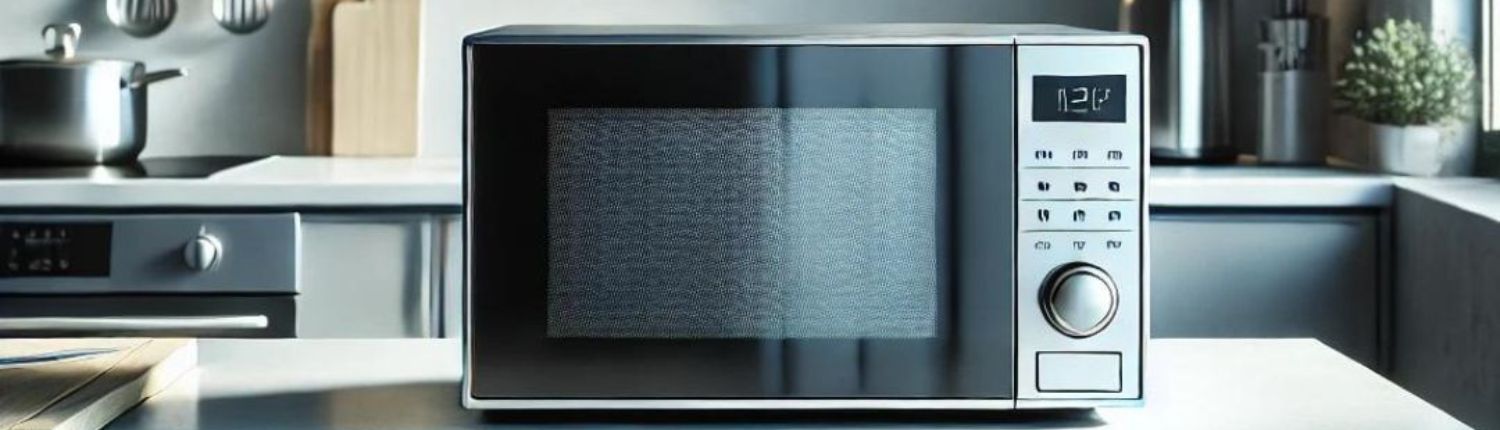
Practical routines to improve day-to-day results
Use these habits to reduce uneven heating every time you cook.
- Pre-slice dense foods into smaller pieces for quick reheating.
- Use a microwave-safe turntable and keep it clean.
- Pause halfway and stir or rearrange food for 20–30 seconds.
- Use lower power settings for dense casseroles or frozen meals.
- Allow a short rest after heating so heat evens out.
I cook frozen vegetables often. I microwave them on medium power, stir halfway, and let them sit for a minute. That routine fixes the cold-center problem most of the time.
Energy, safety, and limitations to understand
Microwaves are fast but have limits. They heat by exciting certain molecules and not by conduction alone. This creates natural unevenness in dense foods and layered dishes.
- Microwaves don’t brown or crisp well
- They need extra steps like broiling or a pan for crisping.
- Metal and some plastics can be unsafe
- Avoid metal and use only microwave-safe plastics to prevent sparks or melting.
- Ovens vary
- Older or cheaper microwaves often show more uneven heating than newer higher-end models.
I’ll be honest: no microwave will heat every food perfectly without a bit of user action. But knowing why microwave heats unevenly helps you work around the limits.
Frequently Asked Questions of why microwave heats unevenly
Why does my food have hot and cold spots after microwaving?
Hot and cold spots come from standing waves and uneven absorption in the food. Stirring, rotating, or using lower power with a longer time reduces this effect.
Can I fix uneven heating by replacing the turntable?
Yes. A broken or misaligned turntable causes fixed hot spots. Replacing or fixing the turntable often improves evenness.
Does container type affect microwave heating?
Yes. Glass and ceramic let microwaves pass through and heat food evenly, while some plastics and thick containers can block or insulate heat. Always use microwave-safe containers.
Is it safe to microwave food longer to even the heat?
It’s safe if you use lower power and watch for overheating. Longer low-power heating lets heat spread without overcooking edges.
Why does frozen food heat unevenly in the microwave?
Frozen pockets and dense regions melt at different rates because ice absorbs microwave energy differently than liquid. Thawing a bit first and stirring helps.
Can microwave wattage affect evenness?
Higher wattage speeds heating but can worsen hot spots if not managed. Lower power with longer times often produces more even heat distribution.
Conclusion
Knowing why microwave heats unevenly helps you fix and avoid common problems. The main causes are standing waves, food shape and composition, and the oven’s mechanical parts. Use simple habits—stirring, rotating, lower power, proper containers—and inspect the turntable or stirrer when needed. Try the two-mug test, adjust your routine, and call a technician if high-voltage parts seem faulty. If this helped, try the tips tonight, share your results, or leave a comment with your microwave model and problem for tailored advice.