How Microwave Wattage Works: Easy Power Guide
Microwave wattage is the oven's power in watts; higher wattage means faster, stronger heating.
I have spent years testing kitchen gadgets and fixing microwaves for friends and family. I will explain how microwave wattage works clearly and simply. This guide covers the science, real-world tips, and easy tests you can do at home. You will learn how microwave wattage works, why it matters for your recipes, and how to adjust cooking for better results.
How microwave wattage works: the basics
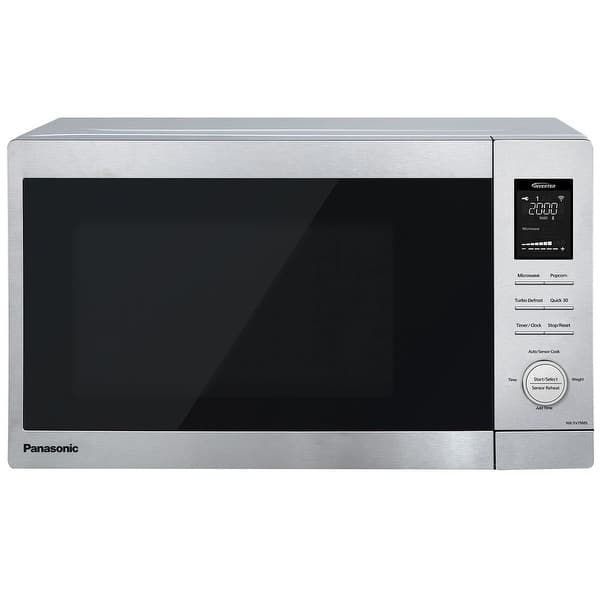
Microwave wattage is a measure of electrical power. It tells you how much energy your microwave can deliver every second. The number on the label is the output power in watts. Higher wattage usually cooks food faster and more evenly.
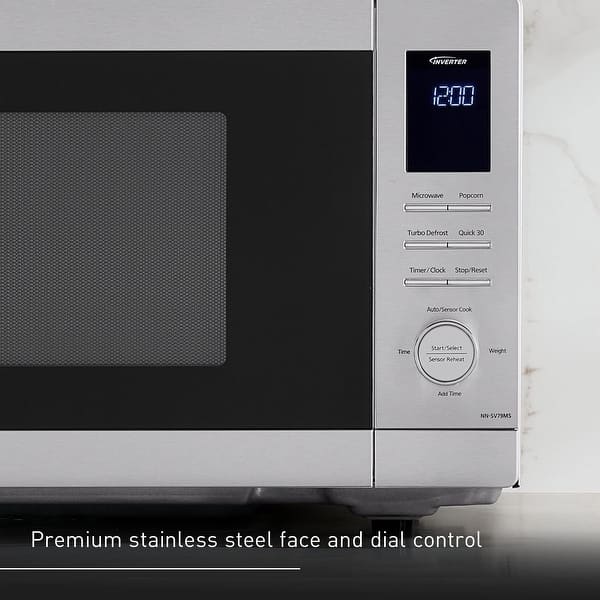
Microwaves create radio waves inside the cavity. These waves make water molecules vibrate. That vibration becomes heat. The magnetron (or inverter module) produces the microwaves. The wattage rating reflects the microwave energy available to heat food, not the full electrical draw from the wall.
How microwave wattage works affects cooking time, texture, and safety. Knowing the wattage helps you follow recipes and avoid guesswork.

The science behind wattage and heating
Microwave heating uses dielectric heating. Water, fats, and sugars absorb the microwave energy. They heat from the inside out as molecules rotate and collide. Wattage sets the intensity of that energy.
Two factors matter:
- Power output: This is the rated wattage. More watts mean more energy per second.
- Duty cycle or inverter control: Traditional microwaves switch the magnetron on and off to simulate lower power. Inverter microwaves modulate power continuously for steadier heat.
Penetration depth depends on frequency and food composition. Microwaves typically operate at 2.45 GHz. Higher wattage does not change frequency but increases field strength, which raises heat faster in the food. Efficiency varies. Some energy is lost as heat in the walls, door, and electronics. Still, microwave cooking is often energy-efficient for short tasks.
Why wattage matters for cooking and recipes
Wattage changes how a recipe performs. A 1000-watt microwave will heat faster than a 700-watt model. If a recipe is written for one wattage, you must adjust when your microwave differs.
Practical effects:
- Time: Higher wattage needs less time. Lower wattage needs more.
- Texture: High wattage can dry edges if you overcook. Low wattage may leave cold spots.
- Defrosting: Lower wattage or inverter modes give better defrost results by warming more gently.
A quick rule of thumb is to scale time roughly by wattage ratio. For example, time_new = time_old × (old_watt / new_watt). This is a starting point. You will still check food and add short bursts as needed.
How to find your microwave's wattage and adjust cooking
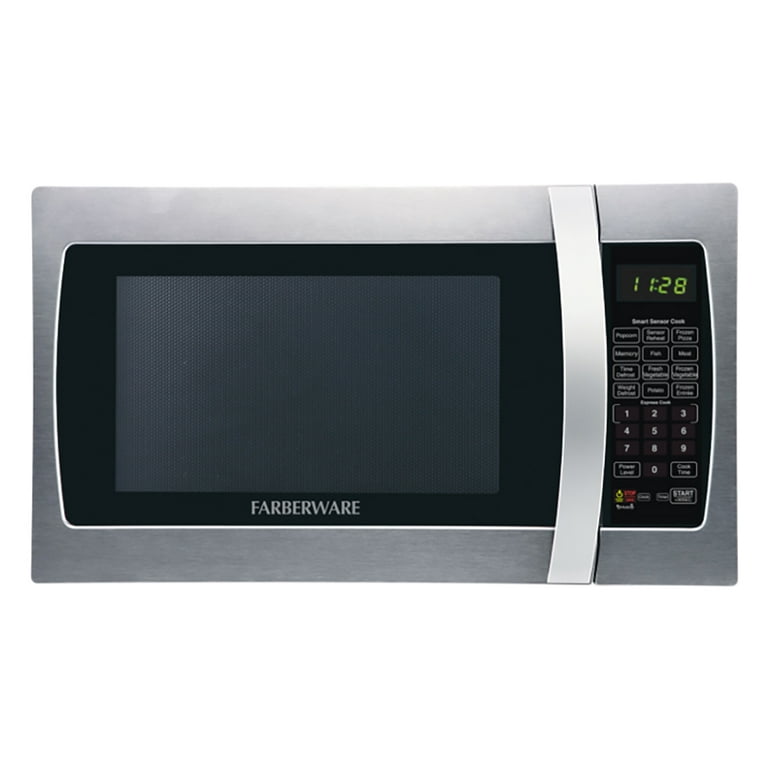
Finding the wattage is easy. Look on the label inside the door, on the back, or in the manual. If you cannot find it, test it with water.
Steps to test wattage with water:
- Use a measured cup of cold water (about 250 ml).
- Note the starting temperature if you can, or use a timed benchmark.
- Heat on high until it boils. Record the time.
- Compare the time to a known baseline or use the time to estimate whether your microwave is closer to 700 W, 900 W, or 1100 W.
Adjust cooking times using the wattage ratio rule. Reduce or increase in small steps and test. Keep a small chart for your microwave. It saves time and prevents ruined meals.

Common wattage categories and real examples
Most household microwaves fall into common ranges. Here are typical categories and what they do well.
- 600 to 800 watts: Good for basic reheating and simple thawing. You need more time for cooking.
- 800 to 1000 watts: Most versatile. Good for meals, defrosting, and many recipes.
- 1000 to 1200+ watts: Faster cooking and crisping in short bursts. Great for larger families and quick tasks.
Examples:
- Popcorn bag instructions are often tuned for 1000 W. In a 700 W unit, you need longer time and close attention.
- Reheating a cup of coffee takes about 30–45 seconds at 1000 W, but 60–75 seconds at 700 W.
Label your favorite dishes with times for your wattage. It helps avoid overcooking.
Energy use, costs, and safety
Wattage helps estimate energy use. You can calculate electricity by:
- kWh = (watts / 1000) × hours used.
A 1000 W microwave running for 0.1 hours (6 minutes) uses 0.1 kWh. Short use makes microwaves inexpensive to run. They are efficient for quick heating compared with full-size ovens.
Safety tips tied to wattage:
- Higher wattage can superheat liquids faster. Be careful when removing hot water or coffee.
- Avoid metal and foil unless the manual allows it. Sparks can damage the unit.
- Use microwave-safe containers to avoid melting or leaching.
If your microwave suddenly drops power, a service check may be needed. Faulty magnetrons, internal fuses, or failing capacitors can reduce effective wattage and create hazards.

Troubleshooting and tips from experience
I have tested many microwaves and fixed small issues in home kitchens. Here are tips based on hands-on experience.
- Use covers to keep food moist. A microwave-safe lid or vented film helps even heating.
- Stir and rotate. Pauses and stirs fix cold spots in thicker foods.
- When a recipe overcooks, lower the wattage setting or cut time in half and test.
- For defrosting, use short cycles with rests. That prevents hot edges and icy centers.
- Record your best settings. A simple sticky note on the microwave saves repeated guesswork.
A mistake I made early on was blindly following microwave recipe times. I learned to trust short bursts and checks. That gave better texture and fewer burned edges.

Frequently Asked Questions about how microwave wattage works
How do I know what wattage my microwave is?
Check the sticker inside the door, the back plate, or the user manual. If you can’t find it, do the water test to estimate output by timing how long it takes to boil a measured cup.
Does higher wattage cook food better?
Higher wattage cooks faster and can be more even for many items, but it can also dry or overcook delicate foods. Use lower power or short bursts for sensitive items.
Can I use recipes made for a different wattage?
Yes. Adjust time using the ratio time_new = time_old × (old_watt / new_watt) as a starting point, then monitor and tweak as needed.
What is inverter technology and why does it matter?
Inverter microwaves deliver continuous, modulated power instead of cycling on and off. That gives gentler, more even heating at lower power levels.
Does microwave wattage affect energy bills a lot?
Not usually. Microwaves use relatively little energy because cooking times are short. Higher wattage may use slightly more power per minute but often finishes faster, so total energy is comparable.
Conclusion
Understanding how microwave wattage works makes your cooking faster and more reliable. Use the wattage label or a simple water test to know your oven. Adjust recipes by scaling time and use short checks to avoid overcooking. Try the tips and keep a small reference chart for your favorite dishes. If you found this helpful, save the article, subscribe for more kitchen tips, or leave a comment with your microwave wattage and the dishes you want help adapting.