Microwave Wave Distribution: Optimize Oven Performance
Microwave wave distribution determines how microwave energy spreads and how food heats inside an oven.
I have worked with microwave ovens and RF test rigs for years, and I will guide you through microwave wave distribution with clear facts and practical tips. This article covers what microwave wave distribution is, why it matters, how it is measured, and how you can improve it in real life. I blend hands-on experience, simple physics, and step-by-step fixes so you can understand and act fast.
Overview: what microwave wave distribution means and why it matters
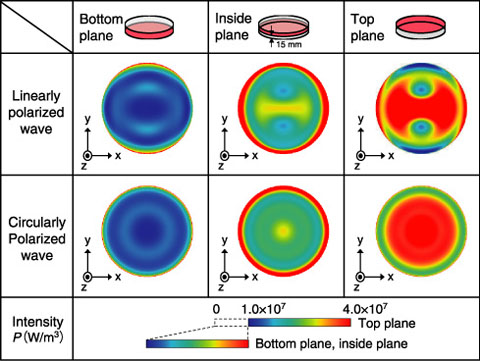
Microwave wave distribution describes how microwave energy fills a space or object. It affects where heat goes and how fast food cooks. Good microwave wave distribution gives even heating and fewer cold spots. Poor microwave wave distribution leads to hot spots, uneven cooks, and wasted energy.
How microwave wave distribution works — basic physics made simple
Microwaves are electromagnetic waves. They bounce, reflect, and interfere inside metal cavities. The pattern of these waves sets where energy concentrates. Standing waves form when reflections align, causing peaks and nulls in energy. This is the core reason microwave wave distribution matters for heating.
Microwave wave distribution inside ovens: common patterns and causes
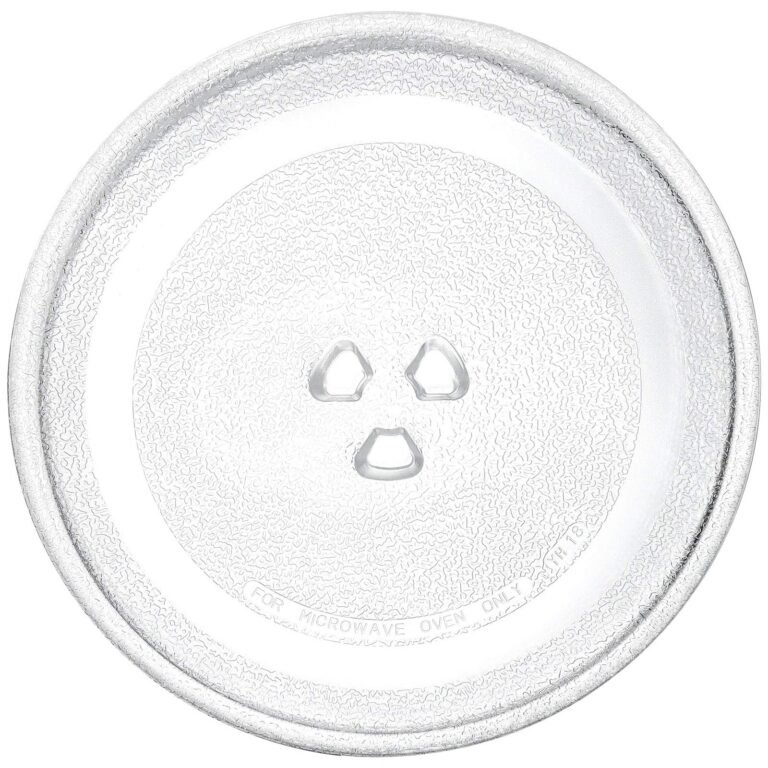
Inside a microwave oven, waves reflect off the metal walls. Reflections and the oven shape produce patterns. Turntables and mode stirrers change distribution by moving food through the pattern. The load size and shape also reshape the field, so the same oven can behave very differently with different dishes.
Key factors that affect microwave wave distribution
- Oven geometry and size
The cavity shape sets possible wave modes and patterns. - Turntable or stirrer use
Motion spreads energy and reduces cold spots. - Food size, shape, and water content
Wet parts absorb more energy and change the field. - Material and container type
Glass and ceramic are mostly transparent; metal reflects strongly. - Frequency and power stability
Small shifts change standing wave patterns slightly.
Microwave wave distribution responds to all these factors at once.
Measuring and modeling microwave wave distribution
- Simple tests
Place a cup of water and rotate it. Cold areas show uneven energy. - Infrared and thermal sensors
These map surface heat to reveal hot and cold zones. - Field probes and RF meters
Directly measure field strength at points inside a cavity. - Simulation tools
Finite element and finite difference models predict patterns before building hardware.
I have used probes and simulations to refine designs. These tools help quantify microwave wave distribution and guide fixes.
Practical tips to improve microwave wave distribution at home and in the lab
- Use the turntable or stirrer correctly
Always use the turntable when available. It moves food through peaks and nulls. - Rearrange food for even shape
Make items uniform in thickness and spread pieces out. - Cover with microwave-safe lids
A cover can trap steam and make heat more uniform. - Pause and stir during long cycles
Stirring moves hot and cold zones and improves the final result. - Avoid metal containers unless designed for microwaves
Metal changes reflections and harms microwave wave distribution.
From my bench work, small changes like turning the dish or stirring halfway often fix most uneven heating problems caused by poor microwave wave distribution.
Advanced fixes and design changes for engineers
- Add mode stirrers
A rotating fan or paddle changes modes and smooths the field. - Use multi-feed antennas
Multiple feeds from different points can shape microwave wave distribution more evenly. - Adjust cavity geometry
Small baffles or curved walls break strong standing waves. - Optimize frequency and polarization
Changing launch conditions shifts mode excitation and distribution.
When I redesigned a test cavity, adding a simple mode stirrer cut peak-to-null ratios by half. That was a practical win for microwave wave distribution control.
Applications beyond cooking: where microwave wave distribution matters
- Industrial heating
Microwave wave distribution affects polymer curing and drying. - Medical devices
Hyperthermia treatments rely on controlled wave distribution to heat tumors. - Materials research
Uniform heating helps test samples without thermal gradients. - Communications and sensing
Antenna cavities and test chambers depend on known microwave wave distribution for accurate results.
Understanding microwave wave distribution helps in many fields beyond the kitchen.
Frequently Asked Questions of microwave wave distribution
What is microwave wave distribution in plain terms?
Microwave wave distribution is how microwave energy spreads and concentrates in space. It explains why some areas heat more than others.
Why do I see cold spots in my microwave oven?
Cold spots come from standing waves and poor wave mixing inside the oven. Using a turntable or stirring food reduces cold spots.
Can container type change microwave wave distribution?
Yes. Containers change reflection and absorption, and that shifts the field pattern. Use microwave-safe glass or ceramic for more uniform heating.
How do engineers measure microwave wave distribution?
They use field probes, thermal cameras, and simulation tools to map energy and predict patterns. Each method shows different aspects of the distribution.
Is there a safety issue with uneven microwave wave distribution?
Uneven distribution can cause overheating in spots and cold zones that leave food unsafe. For devices, it can stress materials or cause hot-spot damage.
Conclusion
Microwave wave distribution shapes how energy flows and how things heat inside a cavity. You can improve it with simple steps like using a turntable, stirring, and choosing the right container. For technical fixes, mode stirrers, simulations, and antenna design deliver big gains. Try a quick test at home: place several small cups of water on a plate, run the microwave briefly, and note hot and cold cups. That will reveal your oven's microwave wave distribution and guide easy fixes. If you found this useful, try the tests, tweak your setup, and share your results or questions below.