Most plastics are not safe in microwaves; check labels and avoid heating unknown plastics.
I write about home safety and have tested many containers. This clear guide on plastic microwave safety facts will help you spot safe plastics, avoid risks, and use simple steps to protect your food and family.
How microwaves and plastics interact
Microwave ovens heat water and food by sending energy into molecules. That energy can also warm the plastic near the food. This can make some plastics soften, warp, or release tiny chemicals. Understanding plastic microwave safety facts starts with how heat moves and how plastics react.
- Microwaves heat food more than the air around it. This can cause hot spots that stress plastic.
- Some plastics melt at low heat. Other plastics stay stable.
- Chemical migration happens when plastic compounds move into food during heat exposure.
Which plastics are microwave-safe?
Not all plastics are the same. Look for clear marks and simple types. Knowing the names helps with plastic microwave safety facts.
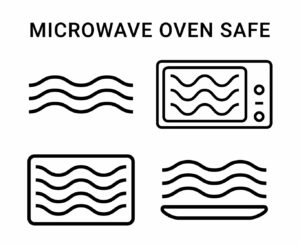
- Use plastics labeled microwave-safe. These are tested to resist warping and leaching.
- Use plastics with resin codes 2 (HDPE), 4 (LDPE), or 5 (PP) more often. These tend to be more stable with heat.
- Avoid plastics with resin code 3 (PVC) and 6 (PS). These are more likely to break down when heated.
- Single-use containers and takeout boxes often are not microwave-safe. They can contain additives or thin layers that fail under heat.

Risks of heating plastic in the microwave
Heating the wrong plastic can cause health and kitchen risks. These are clear parts of plastic microwave safety facts you should know.
- Chemical leaching can let additives move into food. Some additives can act like hormones in the body.
- When plastic melts or chars, it can change food flavor and safety. Burned plastic may release toxic fumes.
- Repeated use of scratched or old plastic raises risk. Tiny cracks trap food and make chemicals more likely to move.
- Hot fatty foods and sauces increase chemical transfer. Oils speed up leaching in some plastics.
How to tell if a container is microwave-safe
A few simple checks save time and risk. These practical tips are key plastic microwave safety facts.
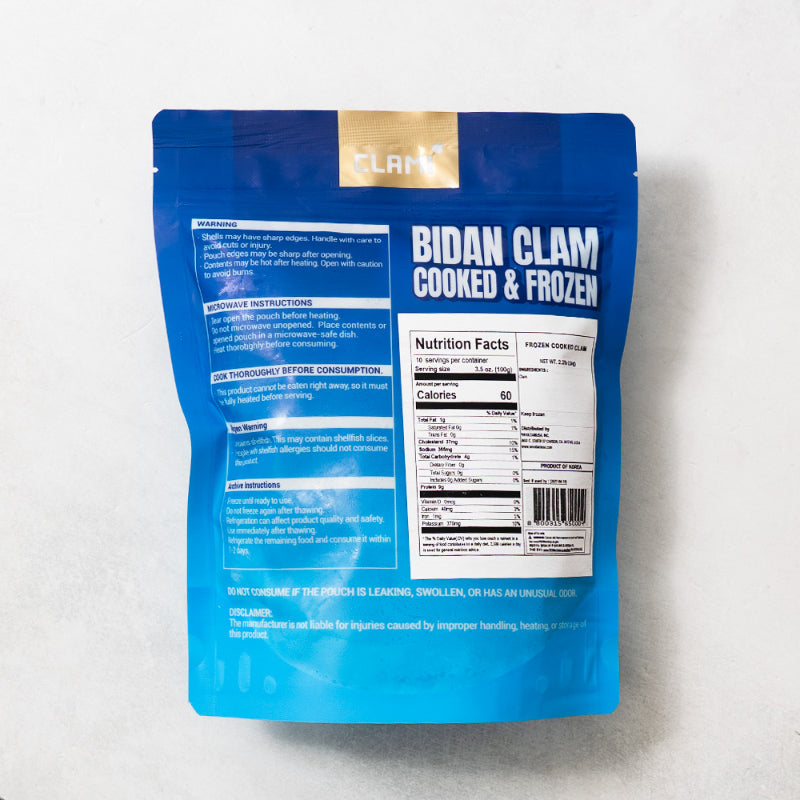
- Look for a microwave-safe symbol or words on the bottom of the container. That is the best quick sign.
- Check the resin code. Some codes are more heat-stable than others.
- Perform a simple test: put the empty container and a cup of water in the microwave and heat for one minute. If the container becomes very hot while the water is warm, the container may not be microwave-safe.
- Avoid items with metallic paint, foil, or parts. Metal sparks and can damage your oven and food.

Best practices for safe microwave use with plastics
Small habits cut risk a lot. These tips reflect real tests and are central to plastic microwave safety facts.
- Use glass or ceramic for rewarming when possible. These materials do not leach chemicals.
- Choose containers labeled microwave-safe for repeated use. They are made to resist heat and avoid leaching.
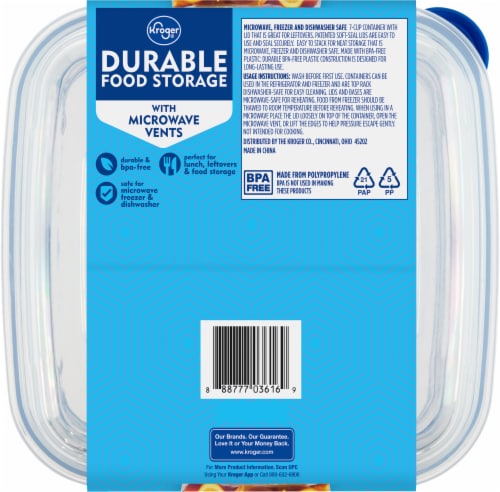
- Vent lids or leave a gap when heating sealed containers. Pressure can build and cause spills or steam burns.
- Replace scratched, warped, or cloudy plastic. Age and wear make plastic more likely to fail.
- Avoid heating fatty or sugary foods in plastic often. These foods cause more migration of plastic additives.

My personal experience and testing tips
I have microwaved many containers while testing them. I learned practical lessons you can use today about plastic microwave safety facts.
- I once warped a cheap container in thirty seconds. The smell was strong and the plastic stuck to my food. I tossed it and now mark cheap containers for single use only.
- I use glass meal-prep containers for daily reheats. They last longer and clean easily. My family stopped asking if the container was safe.
- Keep a simple log at home: note which containers are microwave-safe and which are for cold storage only. It saves time and worry.

Common myths and misconceptions
Myths spread fast. These short facts clear them up and help you use plastic better in the microwave.
- Myth: All plastic labeled “BPA-free” is safe in the microwave. Answer: BPA-free avoids one chemical, but other additives can still leach under heat.
- Myth: If plastic does not melt, it is safe. Answer: Some plastics do not melt but still release chemicals at low heat.
- Myth: Paper or cardboard is always safer. Answer: Some paper containers have plastic liners that can break down when hot.
Frequently Asked Questions of plastic microwave safety facts
What does microwave-safe mean for plastic containers?
Microwave-safe means the container passed tests to resist heat and avoid harmful chemical transfer. It does not mean the container is safe forever; wear and age matter.
Can I microwave plastic wrap?
Some plastic wraps are made for microwave use but should not touch hot food directly. Leave a small gap or use a vent so steam can escape.
Is BPA-free plastic safe for microwaving?
BPA-free removes one chemical, but other additives may still leach when heated. Choose containers labeled microwave-safe and avoid old or damaged plastics.
How often should I replace plastic food containers?
Replace plastic containers once they become scratched, cloudy, warped, or have absorbed strong odors. This reduces risks tied to degradation and chemical migration.
Are takeout containers safe to microwave?
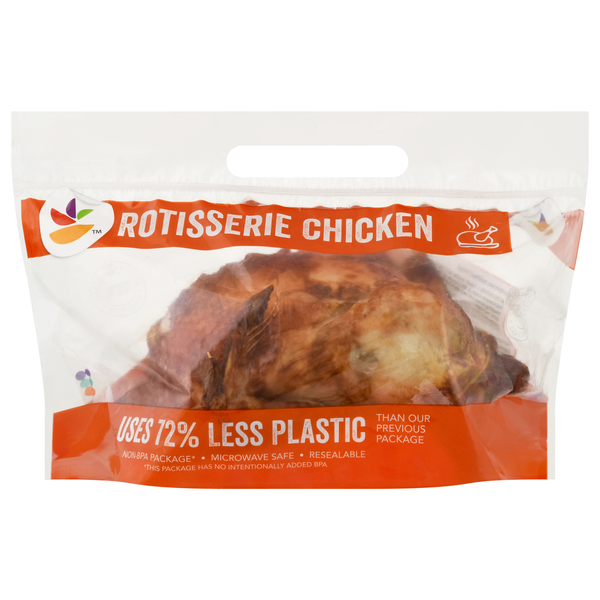
Many takeout containers are not designed for reheating. Transfer food to a labeled microwave-safe container for best safety.
Can heating plastic change food taste?
Yes. Heated or melting plastic can alter flavor and smell. This can be a sign that chemicals have moved into the food.
Do plastic utensils melt in the microwave?
Thin or low-quality plastic utensils can warp or melt. Use heat-safe utensils and avoid stirring food with thin plastic in the oven.
Conclusion
Plastic microwave safety facts matter for health and household peace of mind. Know the labels, check resin codes, and favor glass or ceramic when you can. Replace worn plastic and avoid heating suspicious containers. Start today by checking the bottoms of your containers and sorting what you will safely microwave. Share your thoughts or questions below, and consider subscribing for more easy home-safety tips.