Microwave Cooking Common Mistakes: Quick Fixes & Safety
Most microwave cooking mistakes come from wrong containers, uneven heating, and overheating.
I've cooked with microwaves for years, tested fixes, and helped friends stop ruins and near-misses. This guide digs into microwave cooking common mistakes with clear reasons, easy fixes, and real tips you can use today. I’ll show what goes wrong, why it happens, and how to fix it. Read on to save time, food, and worry.
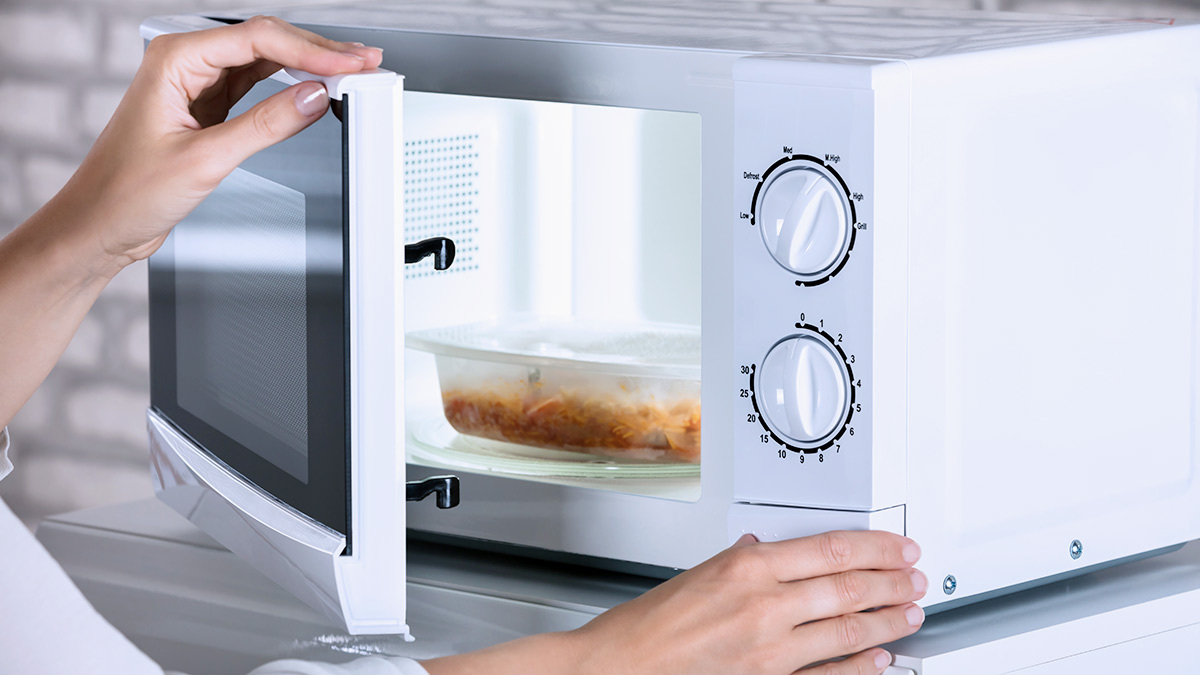
Common microwave cooking mistakes
Microwave cooking common mistakes cost flavor, texture, and safety. Below are the most frequent problems I see and why they matter.
- Using the wrong containers. Plastic that is not microwave-safe can melt or leach chemicals. Metal reflects microwaves and sparks.
- Overheating food. High power for too long leads to dry edges and cold centers.
- Ignoring standing time. Food keeps cooking after the timer ends. Skipping standing time causes uneven doneness.
- Not stirring or rotating. Lack of motion creates hot and cold spots.
- Sealing food without venting. Pressure can build and cause splatters or bursts.
- Reheating liquids carelessly. Superheating can make water erupt when disturbed.
- Microwaving sealed eggs or whole tomatoes. Pressure builds and they can explode.
- Using incorrect power levels. Full power is not always best for proteins or baked goods.
These microwave cooking common mistakes are easy to fix once you know the why and the how. Follow the tips in the next sections for better results.
Why these mistakes happen
Most microwave cooking common mistakes come from how microwaves heat and from habits learned with ovens. Microwaves heat water molecules fastest. That creates spots with different temperatures.
People treat a microwave like a mini oven. That leads to using too much power or time. Containers and coverings change how heat moves. Not venting traps steam. Not stirring keeps pockets of cold. Some mistakes are about safety and others about quality. Knowing the cause helps you avoid the problem next time.

How to avoid microwave cooking common mistakes
Here are practical steps to fix and prevent the top errors. Use these every time you cook or reheat.
- Choose safe containers
- Use glass, ceramic, or microwave-safe labeled plastic. Avoid foil or metal.
- Check for cracks or old warped plastic. Replace if damaged.
- Adjust power, not just time
- Use 50–70% power for gentle reheating of proteins and casseroles.
- Use full power for boiling water or reheating dense items only briefly.
- Stir and rotate
- Stir soups and stews midway. Rotate plates if your microwave has no turntable.
- Pause and check internal temperature with a probe when possible.
- Use proper coverings and venting
- Use a microwave-safe lid or vented cover. Leave a small gap to let steam escape.
- Paper towels work for short reheats, but vent them too.
- Respect standing time
- Let food sit for 1–3 minutes after heating. It evens out temperature.
- Pierce and split dense items
- Pierce hot dogs, potatoes, or egg yolks to release steam.
- Reheat liquids safely
- Place a wooden stir stick or non-metal spoon in the cup to prevent superheating.
- Heat in short bursts and stir between bursts.
- Measure and test
- Use a food thermometer for meats and casseroles. Aim for safe internal temps.
- Start with short intervals and add time as needed.
Most microwave cooking common mistakes vanish when you use checks and low power. Small habits make a big difference.
Microwave safety and maintenance
Good results come with good care. Safety prevents accidents and keeps flavors true.
- Prevent sparks and fires
- Never put metal or metallic paint in the microwave.
- Replace dishes that have metallic trim.
- Avoid superheating
* Do not boil liquids in clean glass without a stirring item. Use short intervals. - Keep it clean
- Wipe spills quickly. Built-up splatter reduces efficiency and smells.
- Clean turntable and door seals. Food trapped there can burn or cause leaks.
- Test door seals
- If the door won’t close or seals are damaged, stop using the microwave and get service.
- Replace old units
- Microwaves over 10 years old may be less safe and less efficient.
Following these safety steps reduces risk and helps prevent common breakdowns tied to microwave cooking common mistakes.
Personal experiences and lessons learned
I once reheated a stew at full power for 8 minutes. The edges were rock hard and the center was ice cold. Since then I always use 60% power and stir every 90 seconds. That one lesson saved many meals.
Another time a friend microwaved water until it "boiled" and then it erupted when she stirred. After that scare we always use a wooden stir stick in mugs. These small habits come from real slip-ups. They stop microwave cooking common mistakes from repeating in your kitchen.
Expert tips and troubleshooting
If something goes wrong, try these quick fixes and pro tips.
- Fix soggy pizza
- Place a cup of water in the microwave next to the slice. Heat on medium power to add moisture balance.
- Revive stale bread
- Wrap bread in a damp paper towel and use low power for 10–15 seconds.
- Evenly heat leftovers
- Spread food thin. Cover and use medium power. Stir halfway.
- When food explodes or splatters
- Turn the microwave off. Let it cool, then clean the cavity. Reheat in shorter bursts next time.
- Test for doneness
- Use a thermometer or touch test. If the center is cold, add 30-second bursts instead of long cycles.
These fixes solve many common cases. Use slow and steady power control to beat microwave cooking common mistakes.
Frequently Asked Questions of microwave cooking common mistakes
Why do my leftovers heat unevenly in the microwave?
Leftovers heat unevenly because microwaves target water molecules, creating hot spots. Stirring, spreading food thin, and using medium power helps distribute heat.
Can I put plastic containers in the microwave safely?
Only use containers labeled microwave-safe. Avoid old, cracked, or unknown plastics to prevent melting and chemical leaching.
How do I prevent superheated water from erupting?
Heat liquids in short bursts and stir between intervals. Place a non-metal object like a wooden stir stick in the cup while heating.
Is metal always forbidden in the microwave?
Most metal should be avoided. Small, purpose-made metal racks and trays may be safe in some models, but check your manual before using any metal.
How long should I let food stand after microwaving?
Let food stand for 1–3 minutes for small items and up to 5 minutes for large dishes. Standing time evens out the temperature and finishes gentle cooking.
What power level should I use to reheat meat?
Use 50–70% power and heat in short bursts, stirring or rotating as needed. This prevents tough, rubbery edges and cold cores.
Conclusion
Microwave cooking common mistakes are easy to fix with a little knowledge and a few simple habits. Use microwave-safe containers, lower power levels for delicate foods, stir and vent properly, and respect standing time. Try one tip at a time and you’ll see better meals and fewer accidents. Start with safer reheating and share your wins or questions below — subscribe or comment to learn more tips and recipes.