Microwave Cabinet Clearance: Fit & Installation Tips
Most microwaves need 1 to 3 inches of cabinet clearance for safe ventilation.
I have installed and tested dozens of microwaves and built-ins. This article explains microwave cabinet clearance in clear, practical terms. You will learn safe distances, how to measure, common mistakes, and tips to make your microwave last. I blend code-level rules, real-world experience, and easy steps so you can plan or fix your installation with confidence. Read on to get precise answers and hands-on advice about microwave cabinet clearance.

Why microwave cabinet clearance matters
Microwave cabinet clearance affects safety, heat flow, and the microwave’s life. Too little clearance blocks vents. Blocked vents raise internal temps and can shorten the microwave’s life. Proper clearance also prevents cabinet damage from heat and steam. Following clearance rules keeps your kitchen safe and your appliance working well.
Standard clearance guidelines and industry norms
Most manufacturers give clear guidance. Common recommendations include:
- 1 inch above the microwave in many countertop models for airflow.
- 2 to 3 inches above for over-the-range or built-in units that need extra venting.
- 1 inch on sides when vents are not side-mounted, and 3 inches if vents are on the sides.
- 0.5 to 1 inch at the back for cord and basic exhaust clearance.
Always check the microwave cabinet clearance in the product manual. If you replace a microwave, use the new unit’s clearance specs. Clearance needs vary by model, vent type, and whether the microwave is ducted or recirculating.

How to measure microwave cabinet clearance correctly
Measure before you buy or install. Steps I use in the field:
- Measure cabinet depth and height to the nearest 1/8 inch. This helps match the microwave size.
- Check vent locations. If vents are at the top, measure more clearance above the unit.
- Measure side clearance if the cabinet is tight. Some microwaves need side airflow.
- Allow space for the plug and for removing the unit later.
If you have a trim kit, follow its spacing chart. Trim kits can change clearance needs. When in doubt, add a bit more clearance for safety.

Installation tips and common mistakes I've seen
I installed dozens of microwaves and made notes on common errors:
- Not reading the manual. This is the most common mistake. Manuals list required microwave cabinet clearance and mounting points.
- Forcing a larger unit into a small cavity. If clearance is tight, the microwave will overheat sooner.
- Ignoring vent direction. A rear-vented microwave needs a clear path at the back.
- Skipping a professional check for built-ins. Built-ins often need special framing or venting.
Tips that helped me: - Use a spacer shim to maintain even clearance above the microwave.
- Test airflow after installation by running the microwave for a minute and feeling for heat near vents.
- Keep a small gap for future removal and cord access.

Venting options and their effect on cabinet clearance
Venting type changes the rules. Common vent setups:
- Recirculating (non-ducted) systems filter air and send it back. They often need more top clearance to avoid heat buildup.
- Ducted systems vent outside. They usually need larger clearances and duct space in cabinets.
- Down-venting models route air below. They require clearance at the bottom and can change cabinet shelving plans.
How venting affects clearance: - Ducted systems need room for duct runs and elbows. This can reduce usable cabinet depth.
- Recirculating systems rely on charcoal filters. These must be replaced or they choke airflow.
Plan vent paths before cutting cabinets. A short, straight duct run lowers the risk of poor airflow.

Built-in microwaves vs countertop units: clearance differences
Built-in models sit inside a cabinet space. Countertop units sit on a counter. The differences:
- Built-in units require stricter microwave cabinet clearance and framing guides.
- Countertop units need open space above and behind but usually less precise framing.
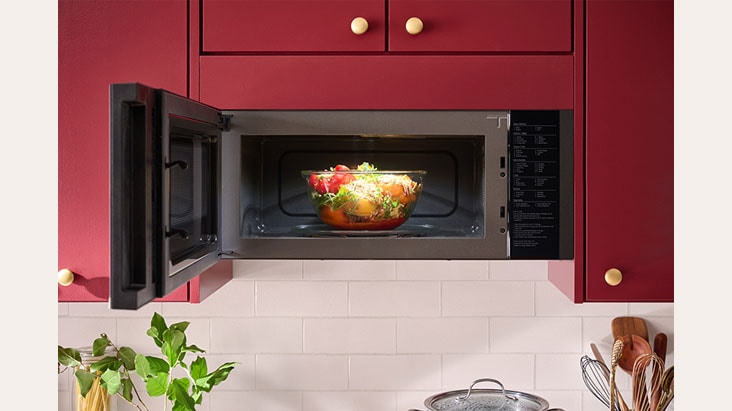
- Over-the-range microwaves combine a hood and microwave. These need both hood clearance and cabinet space.
If you replace an over-the-range with a new model, confirm the required microwave cabinet clearance and hood specs. I once replaced an over-the-range with a newer unit and misread the clearance. I learned to triple-check the manual and keep the installation space flexible.

Maintenance and troubleshooting for clearance and airflow
Keep vents clean and replace filters. Steps that work:
- Clean grease filters monthly in busy kitchens.
- Inspect vents for blockages every three months.
- Replace charcoal filters per manufacturer recommendations.
- If the microwave overheats or shuts off, check cabinet clearance and venting first.
Simple tests I use: - Run the microwave empty for 30 seconds and feel for strong hot spots near vents. If very hot, improve clearance.
- Use a flashlight to view vent paths for obvious blockages.
Small maintenance keeps the microwave cabinet clearance effective and prolongs life.

Safety and code considerations
Local codes can affect microwave cabinet clearance. Things to know:
- Some jurisdictions require a professional for built-in or vent modifications.
- Fire codes can affect materials used near microwaves, like cabinet linings.
- Always follow electrical code for outlet location and circuit load.
When modifying cabinets for clearance, use materials rated for kitchen heat. I once saw cabinets char because installers failed to keep the correct microwave cabinet clearance and used thin plywood too close to an exhaust. That cost the owner extra repairs.

Real-world examples and lessons learned
Here are short stories from actual installs:
- Small condo install: I swapped in a low-profile microwave and kept 2 inches above. It ran cool and quiet for years.
- Older home remodel: The cabinet cavity was shallow. I built a small false wall to meet clearance and keep the unit serviceable.
- Do-it-yourself error: A homeowner wedged a microwave in a tight cabinet. It overheated and failed in six months.
Key lessons: - Measure twice, buy once.
- Prioritize airflow over looks when spacing is tight.
- Use trim kits and spacers to meet microwave cabinet clearance without losing style.
Choosing the right microwave for your cabinet
Match unit size to cabinet space and clearance needs:
- Check vent layout and clearance specs before buying.
- Consider compact or low-profile models for shallow cabinets.
- Use trim kits for a clean built-in look while keeping proper clearance.
If you plan major cabinetry changes, design the space with vents and ducts in mind. A little planning saves money and stress later.
Frequently Asked Questions of microwave cabinet clearance
How much clearance do I need above a microwave?
Most microwaves need 1 to 3 inches above the unit. Built-in and over-the-range models often require more space for venting and ducts.
Can I install a microwave without any cabinet clearance?
No. Microwaves need airflow to cool. Lack of microwave cabinet clearance can cause overheating and shorten the appliance life.
Does the vent location change clearance needs?
Yes. Top vents need extra space above. Side or rear vents need side or back clearance. Always follow the manufacturer’s vent guidance.
Are trim kits required to meet clearance?
Trim kits help finish the look but do not replace required clearance. You must still follow the microwave cabinet clearance specs in the manual.
What if my cabinet is too small for the microwave?
Options include choosing a smaller unit, reframing the opening, or installing the microwave elsewhere. Avoid forcing the unit into a tight space.
How often should I clean vents and filters?
Clean grease filters monthly in busy kitchens. Inspect vents and replace charcoal filters per the manual, typically every 6 to 12 months.
Conclusion
Proper microwave cabinet clearance keeps your appliance safe, efficient, and long-lasting. Use simple steps: read the manual, measure the space, plan the venting, and leave room for airflow and service. Small changes now save repair costs later. If you are unsure, consult a pro and double-check the specs before you buy. Try updating your cabinet plan today, leave a comment with your setup, or subscribe for more practical appliance guides.