Microwave Maintenance Tips: Easy Steps For Longer Life
Keep your microwave safe, clean, and efficient with simple daily and monthly upkeep.
I’ve spent years fixing kitchen appliances and advising homeowners, so I know which microwave maintenance tips actually work. This guide gives clear, tested steps to clean, inspect, and maintain your microwave for safety and longer life. Read on for easy routines, troubleshooting advice, and practical examples you can use today.

Why regular microwave maintenance matters
Regular microwave maintenance helps prevent fires, saves energy, and keeps food heating evenly. Small problems often start quietly, and quick maintenance stops them from becoming costly repairs.
Well-maintained microwaves work better and last longer. Cleaning prevents smells and bacteria. Inspections catch worn parts early. Following microwave maintenance tips protects your family and your budget.
Daily and weekly microwave maintenance tips
Use quick daily checks and short weekly tasks to keep your microwave reliable. These microwave maintenance tips are fast and effective.
- Wipe spills right away to avoid baked-on mess.
- Clean the door and seal weekly to keep a good microwave seal.
- Use a microwave-safe cover to reduce splatter and cleaning.
- Check the turntable for smooth rotation; remove and clean it weekly.
- Run a steam-clean cycle weekly: a bowl of water with lemon or vinegar heats for two minutes, then wipe down.
I learned early on that wiping spills immediately makes deep cleans rare. When I ignored a small tomato splatter, it turned into a stubborn stain that needed scrubbing. A few minutes a week avoids that.

Monthly and quarterly maintenance tasks
Do deeper inspections and tasks every month or three months. These microwave maintenance tips catch wear and hidden dirt.
- Inspect the door latch and hinges monthly for secure closure and alignment.
- Clean the vent and grille monthly with a soft brush or vacuum attachment.
- Remove and clean the roller ring and under the turntable monthly to remove crumbs.
- Test the microwave’s performance quarterly by heating a cup of water for one minute and checking even heat.
If you hear rattles or notice uneven heating, don’t delay. Once I found a loose hinge during a monthly check. Tightening it stopped a noisy scrape and prevented worse damage.

Deep cleaning and deodorizing
Deep cleaning restores your microwave’s look and removes odors. These microwave maintenance tips use safe, common household items.
- Steam-clean first: heat a bowl of water and lemon or white vinegar for two to three minutes.
- Wipe interior with a mild dish soap solution; avoid abrasive pads that damage enamel.
- Clean the exterior with a damp cloth and mild cleaner; pay attention to the control panel edges.
- Deodorize with baking soda: place an open box or a bowl of baking soda inside overnight.
- Replace any removable filters according to the manufacturer’s schedule.
Avoid harsh chemicals and steel wool. I once used a rough scrubber and scratched the interior coating, which held stains and made cleaning harder afterward.
Safety checks and electrical maintenance
Safety is a top priority in microwave maintenance. Follow these microwave maintenance tips to reduce risk.
- Unplug before any inspection or cleaning of internal components.
- Check the power cord monthly for cuts, frays, or loose plugs.
- Ensure the door seal and latch are intact; a damaged seal can leak microwave energy.
- Listen and smell: unusual odors, buzzing, or smoke means stop using the unit and get service.
- Do not open the microwave’s high-voltage compartment; leave electrical repairs to trained technicians.
If you detect a burning smell, stop using the microwave immediately. Once I shut down a unit when it started sparking; a quick technician visit saved the control board from total failure.
Common problems, diagnosis, and fixes
Knowing common problems makes troubleshooting faster. Use these microwave maintenance tips to diagnose issues safely.
- Turntable not rotating: check roller ring, clean debris, and reseat the tray. Replace the motor if noisy or nonfunctional.
- Sparks inside: remove metal objects, foil, or dishes with metallic trim; if sparks persist, stop using the microwave and seek service.
- Not heating: test with a cup of water; if no heat, magnetron or door switches may be faulty—call a pro.
- Loud noises: inspect the turntable motor, roller, and fans; replace worn parts as needed.
- Door won’t latch: clean latch area and check for warped door; replace latch parts if worn.
I fixed a loud buzzing by cleaning a blocked vent and replacing a cheap roller ring. Small fixes often restore quiet, efficient operation.
Tools and supplies for maintaining your microwave
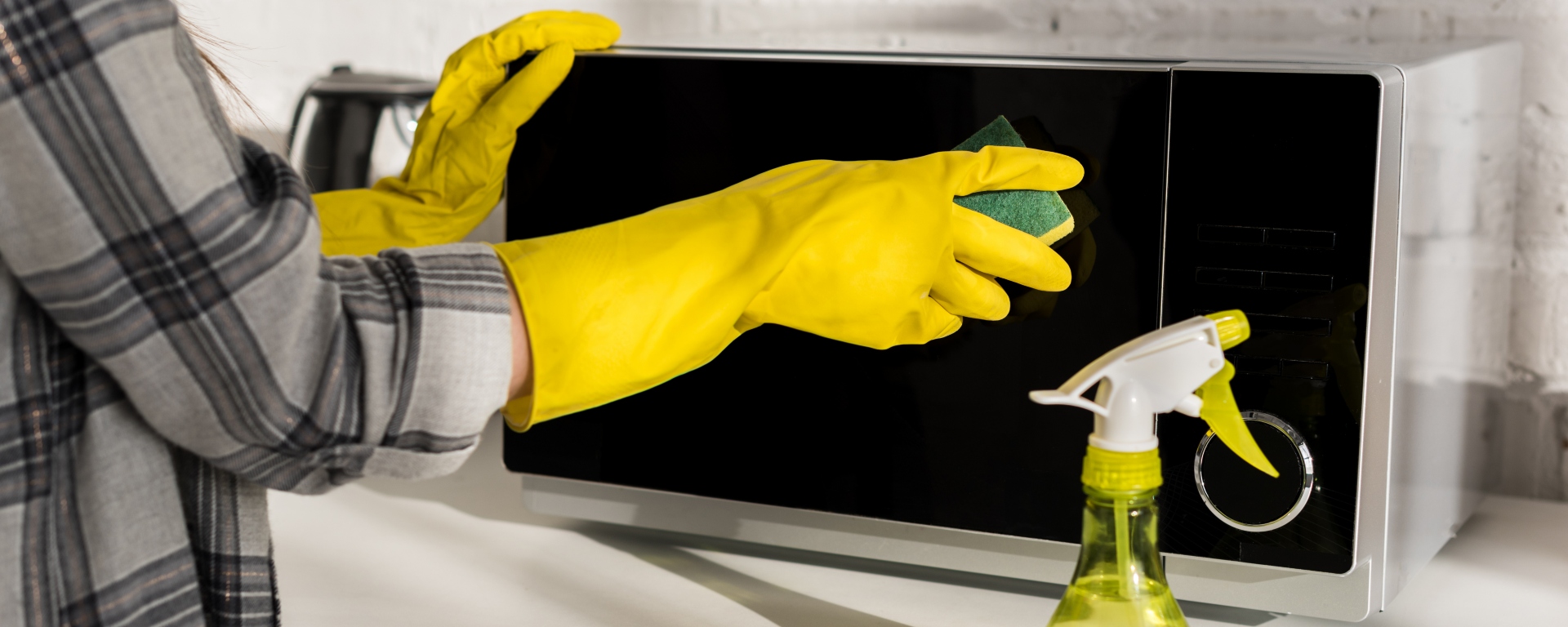
Keep a small kit handy for routine microwave maintenance. These items make tasks simple and safe.
- Microfiber cloths for interior and exterior cleaning.
- Mild dish soap and a soft sponge for stains.
- White vinegar and lemons for steam cleaning and deodorizing.
- Baking soda for odor removal.
- Small brush or vacuum attachment for vents.
- Replacement parts like roller rings, turntable glass, and door gaskets as recommended.
Having these items saved me time on weekend cleaning. A simple steam-clean with vinegar turned sticky splatter into an easy wipe.
Cost-saving and lifespan tips
Use these microwave maintenance tips to save money and extend appliance life.
- Avoid running empty cycles, which stress the magnetron.
- Use microwave-safe containers to prevent fires and damage.
- Keep vents clear to prevent overheating and reduce energy use.
- Replace minor parts early instead of letting them cause bigger failures.
- Schedule periodic professional checks for older units to assess safety and efficiency.
A well-kept microwave can last many years. I’ve seen units survive a decade longer with steady care and quick small repairs.

Troubleshooting checklist before calling a technician
Follow this short checklist to rule out simple causes before paying for a service call. These microwave maintenance tips help you save time and money.
- Is the microwave plugged in and the outlet working?
- Is the door fully closed and free of debris?
- Did you try a basic reset by unplugging for one minute?
- Are you using microwave-safe cookware?
- Is the unit overheating or making unusual noises after vents were cleaned?
Running this checklist once saved me a technician visit when a tripped outlet was the only issue.
Frequently Asked Questions of microwave maintenance tips
How often should I clean my microwave?
Clean visible spills immediately and do a light wipe weekly. Deep clean and deodorize monthly or as needed.
Can I use bleach or harsh cleaners inside the microwave?
No. Harsh cleaners can damage the interior coating and leave toxic residues. Use mild soap, vinegar, or lemon for safe cleaning.
Why is my microwave sparking inside?
Sparks usually come from metal objects, foil, or damaged interior surfaces. Remove metal and stop use if sparks continue, then call a technician.
How do I test if my microwave is heating correctly?
Heat a cup of water for one minute and check temperature. If water is not hot or heating is uneven, the magnetron or other parts may be failing.
Is it safe to repair the microwave myself?
No. Microwaves contain high-voltage parts that can be dangerous. Leave internal electrical repairs to qualified technicians.
Conclusion
Regular, simple microwave maintenance tips keep your oven safe, efficient, and long-lasting. Small daily habits, monthly checks, and timely fixes prevent bigger problems and save money. Start with one routine today—wipe spills after use and steam-clean weekly—and you’ll see the difference. Try the tips, share your experience, and subscribe or comment to learn more about caring for your kitchen appliances.