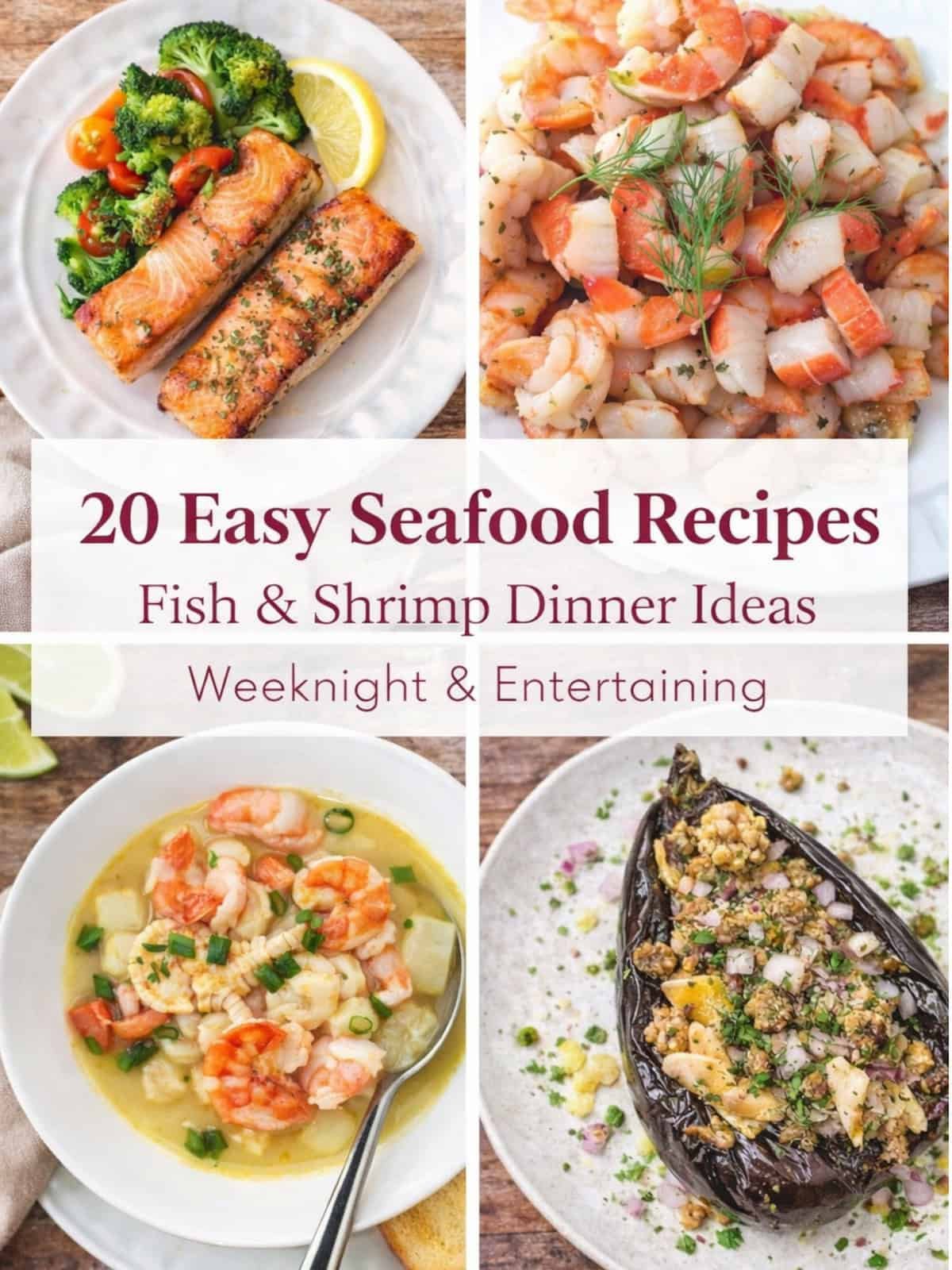
Easy seafood recipes are usually the fastest way to put a flavorful dinner on the table because shrimp, fish, and other seafood often cook in minutes and work well with simple ingredients.
For busy American households, seafood can make weeknight cooking much easier. Shrimp can be sautéed while rice or pasta cooks, fish can be roasted with vegetables on one pan, and seafood stews can turn a few basic ingredients into a complete meal. The key is choosing seafood that cooks quickly and matching it with a simple cooking method.
This guide focuses on practical seafood dinners that do not require complicated techniques. You will find ideas for shrimp, fish, seafood pasta, skillet meals, stews, and seafood boils, along with tips for choosing seafood, avoiding overcooking, and handling leftovers safely.
Source: Bing
What Makes a Seafood Recipe Easy?
The easiest seafood recipes generally use short ingredient lists, quick cooking methods, and seafood that does not need much preparation. Shrimp is especially convenient because it cooks quickly and pairs with pasta, rice, vegetables, tacos, salads, and bread.
Fish fillets are another good choice for simple dinners. Roasting, pan-searing, or baking lets you build a meal around a protein without spending much time at the stove. A simple seasoning mixture of salt, pepper, garlic, lemon, herbs, or spices can be enough.
The most useful approach is to organize the meal around the seafood’s cooking time. Start rice, pasta, potatoes, or vegetables first when they take longer, then cook the seafood near the end so it stays tender.
Source: Bing
Short preparation
Look for seafood that can go from refrigerator or freezer to pan with minimal trimming, peeling, or cutting.
Fast cooking
Shrimp and smaller fish portions can cook quickly, making them useful for weeknight dinners.
Flexible ingredients
Seafood works with common pantry ingredients such as rice, pasta, canned tomatoes, broth, garlic, lemon, and spices.
Simple cleanup
Sheet-pan, skillet, and one-pot recipes can reduce the number of dishes needed after dinner.
Which Seafood Is Best for Beginners?
Shrimp is one of the easiest starting points because it cooks quickly and gives you clear visual signs as it changes from translucent to opaque. Mild fish such as cod, tilapia, pollock, or haddock can also work well because they take on the flavor of seasonings and sauces.
For beginners, choose recipes with a short ingredient list and a clearly defined cooking method. More delicate seafood can require closer attention, while shellfish such as shrimp can be easier to monitor during cooking.
Shrimp
Best for quick sautés, pasta, rice bowls, tacos, and skillet dinners.
White fish
Useful for baking, pan-searing, tacos, and simple sheet-pan meals.
Salmon
Works well roasted, baked, or pan-seared and pairs with vegetables, rice, and potatoes.
Easy Garlic Butter Shrimp
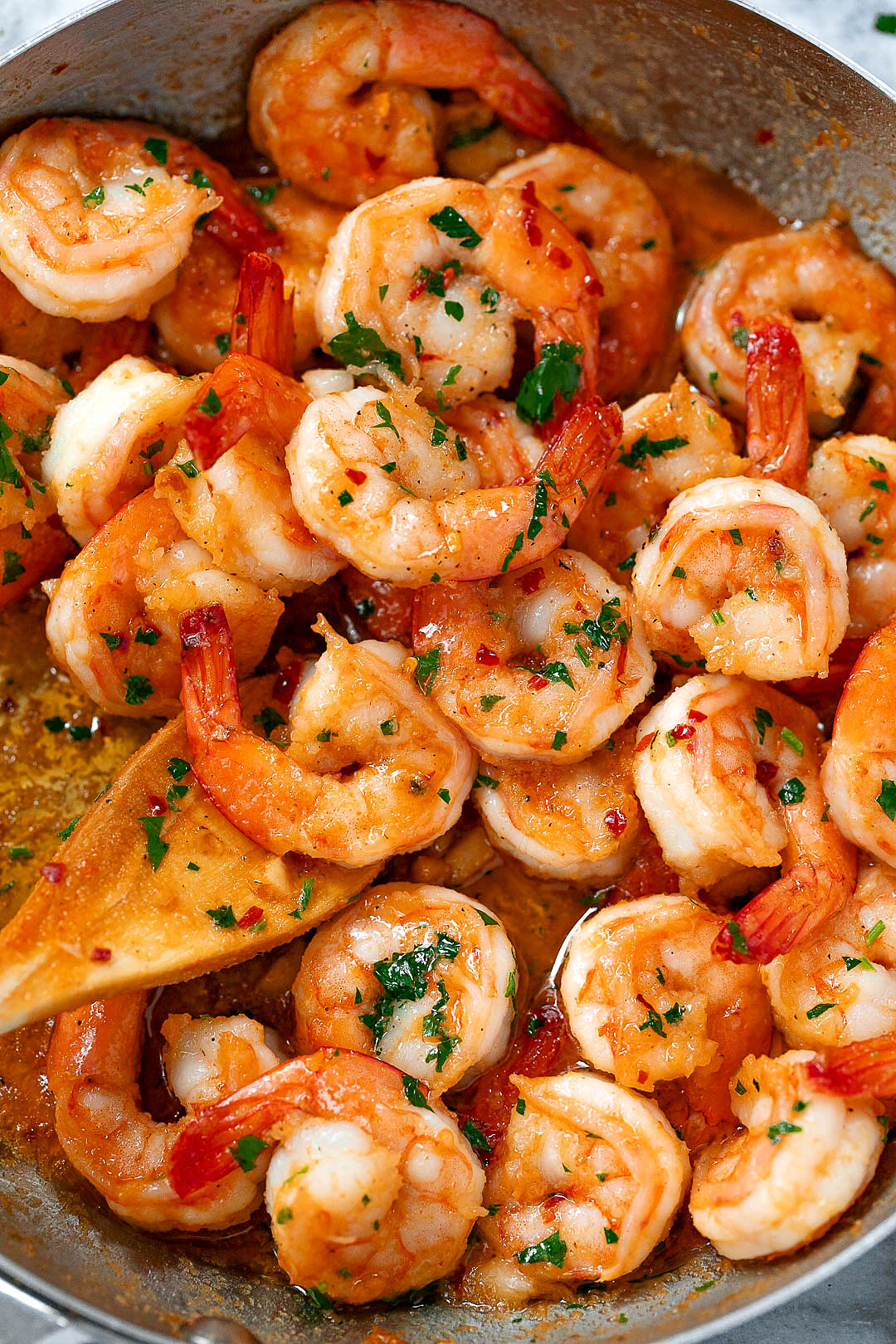
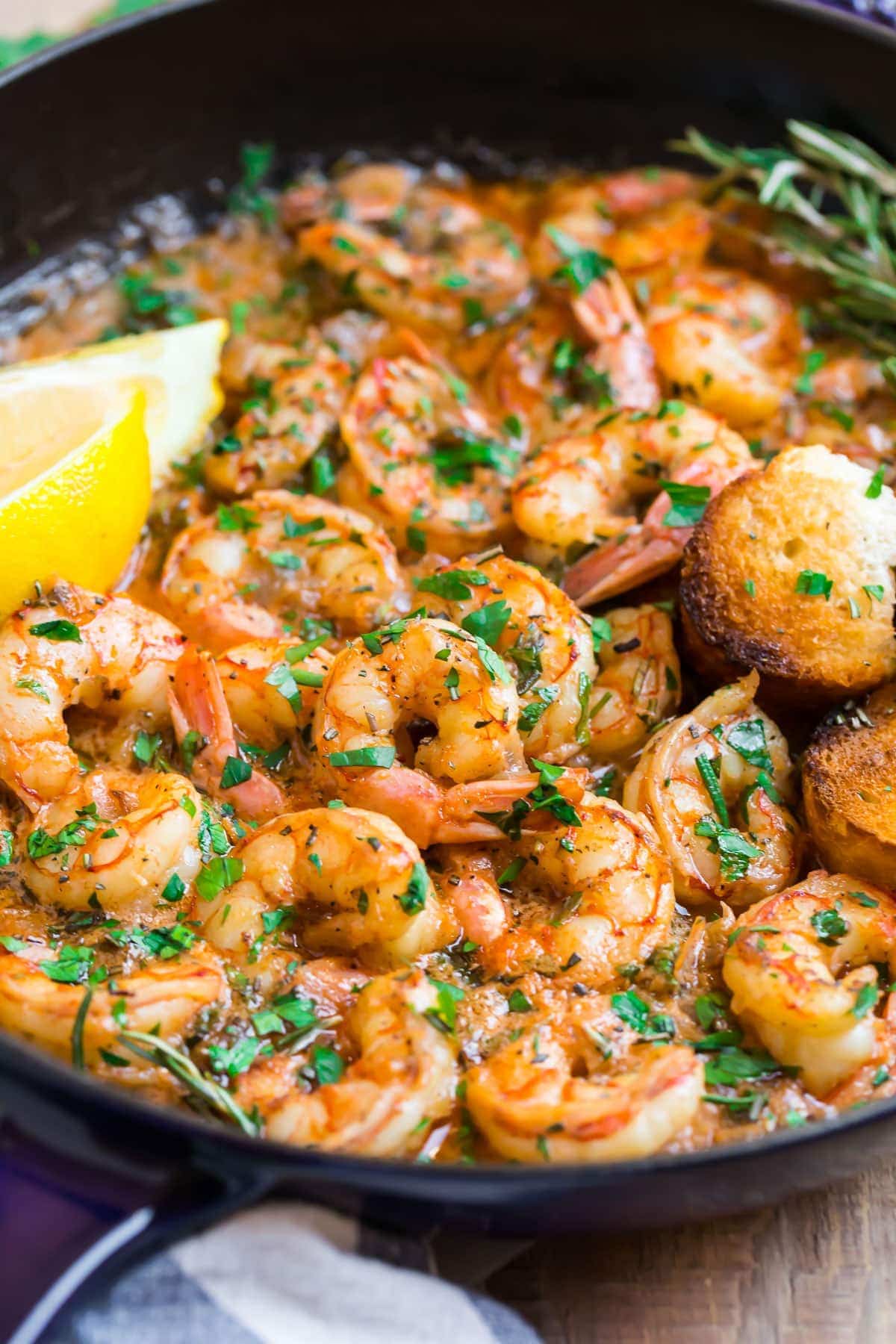
Garlic butter shrimp is one of the simplest seafood dinners because shrimp needs only a few minutes to cook and the sauce can be made in the same skillet. Garlic, butter, lemon, and herbs provide enough flavor to turn shrimp into a complete meal when served with rice, pasta, vegetables, or crusty bread.
Pat the shrimp dry before cooking so it browns instead of releasing too much moisture into the pan. Heat the skillet, add the fat, and cook the shrimp in a single layer when possible. Add garlic toward the end of the initial cooking so it has time to become fragrant without burning.
Once the shrimp are opaque and properly cooked, finish the dish with lemon juice and herbs. Serve immediately because shrimp can become firm and rubbery when left over high heat.
Source: Bing
Best pairing
Serve garlic butter shrimp with rice, pasta, roasted vegetables, potatoes, or toasted bread.
Flavor variations
Add red pepper flakes for heat, parsley for freshness, or a small amount of lemon zest for extra citrus flavor.
Main mistake to avoid
Do not keep shrimp cooking after it has become opaque and firm. Carryover cooking can make already-cooked shrimp tougher.
How to Tell When Shrimp Is Done
Raw shrimp is translucent and grayish, while cooked shrimp becomes opaque and changes color. The exact appearance varies by shrimp type and size, so visual cues should be combined with a food thermometer when appropriate. For food safety, seafood should be cooked to the applicable safe internal temperature rather than relying only on color.
Texture
Properly cooked shrimp should be firm and tender rather than mushy or rubbery.
Appearance
Shrimp should become opaque rather than remaining translucent in the center.
Easy Seafood Pasta
Seafood pasta is an easy way to combine protein, carbohydrates, and sauce in one satisfying dinner. Shrimp, scallops, mussels, clams, or a mixture of seafood can be paired with tomato sauce, garlic butter, cream-based sauce, or olive oil and herbs.
For a quick version, cook the pasta while preparing the seafood separately. Add the cooked pasta to the sauce and then fold in the seafood near the end. This prevents delicate seafood from sitting in a hot sauce longer than necessary.
Creamy seafood pasta can be especially filling, while tomato-based versions offer a lighter-tasting alternative. If using multiple types of seafood, add each according to its cooking time rather than placing everything into the pan at once.
Source: Bing
Creamy seafood pasta
Use a light cream or cheese-based sauce with garlic, herbs, and seafood for a rich weeknight dinner.
Tomato seafood pasta
Use canned tomatoes, garlic, olive oil, and herbs for a bright sauce that works well with shrimp and firm fish.
Lemon seafood pasta
Combine olive oil or butter with lemon, garlic, herbs, and seafood for a fresh-tasting meal.
How to Keep Seafood Pasta From Becoming Rubbery
The easiest way to protect seafood texture is to avoid treating seafood like a sauce ingredient that needs a long simmer. Cook seafood until it is properly done, then combine it with the pasta and sauce near the end. This is particularly useful for shrimp, scallops, and other seafood that can become firm quickly.
Cook pasta separately
Prepare the pasta according to its instructions while the seafood and sauce are prepared.
Add seafood late
Finish delicate seafood near the end of cooking instead of simmering it unnecessarily.
Easy Shrimp and Rice Skillet
Shrimp and rice is a practical one-pan style dinner because the ingredients can be combined with vegetables, broth, and seasonings to make a filling meal. If the rice needs a longer cooking time than the shrimp, cook the rice first and add the shrimp later.
Use cooked rice when speed is the main priority. Leftover plain rice can be reheated in the skillet with vegetables and seasonings before the shrimp is added. This approach can turn a few refrigerated ingredients into dinner without starting a pot of rice from scratch.
For more flavor, use broth instead of water when cooking rice or make a quick sauce with garlic, soy sauce, lemon, tomato, or herbs. Keep the seasoning balanced because shrimp can take on strong flavors quickly.
Source: Bing
Fastest option
Use already-cooked rice and add it to a skillet with vegetables, seasonings, and cooked shrimp.
More flavorful option
Cook the rice with broth, garlic, onion, or spices before adding the seafood.
Vegetable additions
Bell peppers, peas, broccoli, spinach, carrots, and zucchini can all work in a shrimp and rice skillet.
What to Serve With Shrimp and Rice
A shrimp and rice skillet can stand on its own, but a simple vegetable or fresh salad can make the meal more balanced. Lemon wedges, fresh herbs, hot sauce, or a light sauce can be added at the table so everyone can adjust the flavor.
Fresh vegetables
Serve with a simple green salad, steamed broccoli, or roasted vegetables.
Fresh toppings
Try lemon, parsley, cilantro, sliced green onions, or a small amount of hot sauce.
Easy Seafood Stew or Cioppino
Seafood stew is useful when you want a comforting dinner with plenty of sauce. A tomato-based broth can be built from canned tomatoes, stock, garlic, onion, herbs, and spices, followed by seafood added according to its cooking time.
The key to an easy seafood stew is layering the ingredients rather than cooking everything for the same amount of time. Firm ingredients and broth can simmer first, while delicate seafood goes in later. This keeps shrimp, fish, clams, or mussels from becoming overcooked.
Serve the stew with crusty bread to soak up the broth. The same basic method can be adjusted with different seafood depending on availability.
Source: Bing
Tomato base
Canned tomatoes, broth, garlic, onion, and herbs create a simple foundation for seafood stew.
Seafood timing
Add seafood in stages according to how quickly each ingredient cooks.
Serving idea
Crusty bread is a practical accompaniment because it absorbs the flavorful broth.
Can You Mix Different Types of Seafood?
Yes. A seafood stew can include combinations such as shrimp and firm white fish or shrimp with shellfish. The important consideration is cooking time. Start ingredients that need more time first and add quick-cooking seafood later. This produces a more consistent texture than adding every seafood ingredient simultaneously.
Firm fish
Can be added before very delicate seafood when the recipe requires a longer cooking period.
Shrimp
Usually benefits from being added toward the end because it cooks relatively quickly.
Easy Shrimp Boil for a Casual Dinner
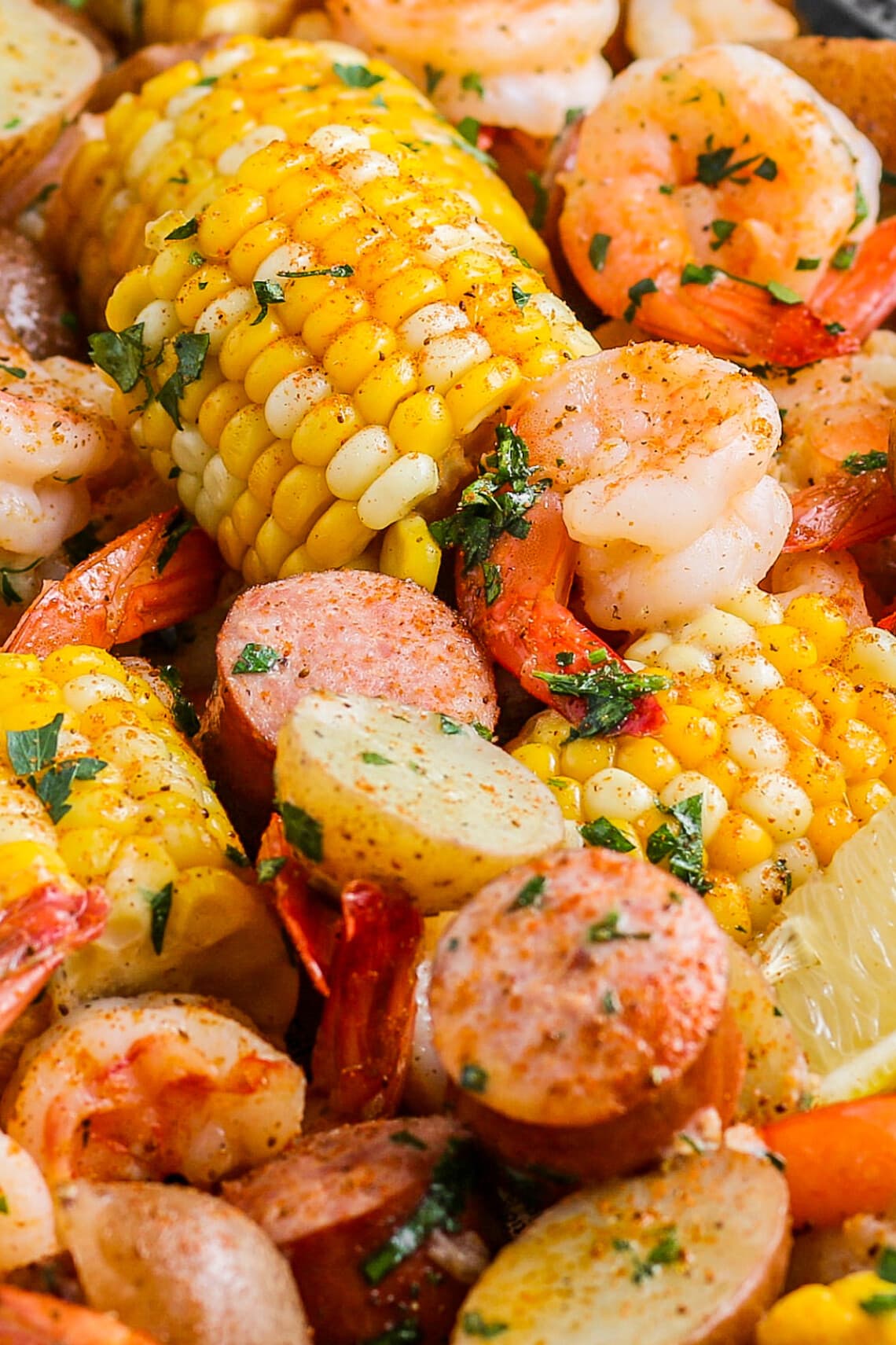
A shrimp boil is a flexible option when you want a casual meal built around shrimp, potatoes, corn, and bold seasoning. The ingredients are usually cooked together or in stages so that the longer-cooking vegetables are ready before the shrimp.
For a faster weeknight version, use smaller portions and prepare the ingredients before the cooking begins. Potatoes typically need more time than shrimp, so they should be started first. Corn can follow, while shrimp should be added near the end.
A shrimp boil can be served directly on a platter or sheet pan. Lemon wedges, melted butter, and additional seasoning can be offered separately.
Source: Bing
Classic ingredients
Shrimp, potatoes, corn, and sausage are common choices, although the combination can be adjusted.
Seasoning
Cajun-style seasoning, garlic, lemon, and butter can provide the characteristic bold flavor.
Cooking order
Start ingredients that require the longest cooking time and add shrimp later.
How to Make a Shrimp Boil Faster
Cut potatoes into smaller, evenly sized pieces so they cook more quickly and consistently. Use peeled or cleaned shrimp when convenience matters, and have all ingredients ready before starting. The goal is to prevent the shrimp from waiting in the heat while slower ingredients finish.
Prep first
Clean and portion all ingredients before turning on the stove.
Cut evenly
Use similarly sized potato pieces so they finish cooking at approximately the same time.
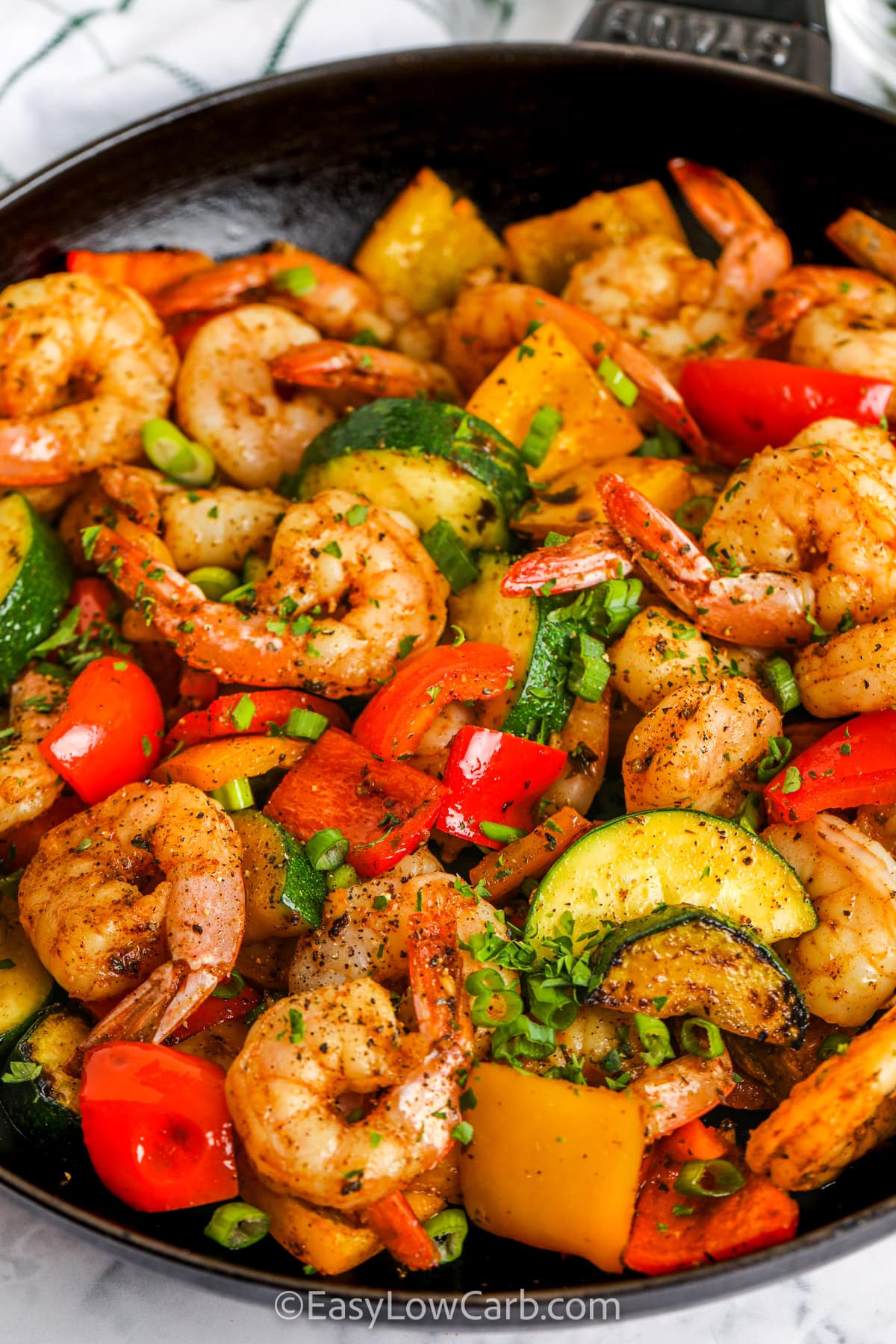
Easy Shrimp and Vegetable Skillet
A shrimp and vegetable skillet is one of the most adaptable seafood dinners because you can use whatever vegetables are already available. The basic method is to cook firm vegetables first, add softer vegetables later, and finish with shrimp and a quick sauce.
For a balanced flavor profile, try garlic and lemon, ginger and soy sauce, chili and lime, or Italian-style herbs with olive oil. Serve the skillet alone for a lighter meal or over rice, quinoa, pasta, or another grain when you want more carbohydrates.
Frozen vegetables can work well when convenience is the priority. If using frozen vegetables, account for the additional moisture they may release and avoid overcrowding the pan.
Source: Bing
Best vegetables
Bell peppers, broccoli, zucchini, spinach, snap peas, mushrooms, and carrots can all work well with shrimp.
Quick sauce
Combine ingredients such as lemon juice, garlic, olive oil, soy sauce, ginger, or herbs for a fast finishing sauce.
Meal expansion
Serve the skillet over rice, noodles, quinoa, or another grain to create a more substantial dinner.
Fresh or Frozen Seafood: Which Is Easier?
Both fresh and frozen seafood can be useful for easy dinners. Fresh seafood may be convenient when you are shopping for dinner the same day, while frozen seafood can be stored longer and used when needed. Frozen shrimp and fish should be thawed safely according to the package instructions or cooked using a method specifically designed for frozen seafood.
Fresh seafood
Useful when you are planning to cook seafood shortly after purchasing it.
Frozen seafood
Convenient for keeping seafood available without requiring a same-day shopping trip.
How to Choose the Right Easy Seafood Recipe
Choose the recipe based on how much time you have, which seafood is available, and what you already have in the kitchen. Shrimp is a strong choice for very fast meals, while fish fillets work well when you prefer the oven. Pasta and rice recipes are useful when you want a complete meal built around a starch.
The table below can help you narrow down the method before you start cooking.
Under 20 minutes
Choose garlic shrimp, quick shrimp tacos, or a shrimp and vegetable skillet using pre-cooked rice or another quick side.
About 30 minutes
Try seafood pasta, shrimp and rice, baked fish with vegetables, or a quick shrimp boil.
Comfort food
Choose creamy seafood pasta, tomato seafood stew, or a seafood casserole.
Lighter dinner
Try grilled or baked fish with vegetables, shrimp salad, or a vegetable-heavy shrimp skillet.
Simple Seafood Recipe Decision Guide
If speed is your top priority, start with shrimp. If you want hands-off cooking, choose baked or roasted fish. If you need a filling family dinner, seafood pasta or shrimp and rice is practical. If you are feeding several people casually, a shrimp boil can be easier to serve than individual plates.
Fastest
Shrimp skillet or garlic butter shrimp.
Hands-off
Oven-baked fish with vegetables.
Most filling
Seafood pasta or shrimp and rice.
Best for sharing
Shrimp boil or seafood stew served family-style.
Common Mistakes When Cooking Seafood
The most common seafood cooking problems are overcooking, uneven cooking, excessive moisture, and insufficient seasoning. Seafood generally does not need long cooking times, so leaving it in a hot pan after it is done can quickly change the texture.
Another common mistake is overcrowding the pan. When too much seafood is added at once, the temperature can fall and moisture can collect in the pan instead of allowing the seafood to brown. Cooking in batches can solve this problem when necessary.
Food safety also matters. Keep raw seafood separate from ready-to-eat foods, wash hands and utensils after handling raw seafood, and use a food thermometer to verify doneness when appropriate. Refrigerate perishable seafood promptly and follow applicable food-safety guidance for storage and leftovers.
Overcooking
Remove seafood from the heat once it reaches the appropriate doneness instead of continuing to cook it for extra insurance.
Crowding the pan
Cook in batches when necessary so seafood has enough room to cook properly.
Skipping preparation
Prepare sauces, vegetables, seasonings, and sides before cooking seafood because seafood can finish quickly.
Unsafe storage
Keep seafood refrigerated appropriately and avoid leaving perishable food at room temperature for extended periods.
How to Prevent Seafood From Drying Out
Use the cooking method that matches the seafood and monitor it closely near the end of cooking. Shrimp, thin fish fillets, and scallops can move from properly cooked to overcooked quickly. Sauces and marinades can add moisture and flavor, but they do not replace proper temperature control.
Watch the final minutes
Most seafood texture problems happen when cooking continues after the seafood has already reached doneness.
Use appropriate heat
Follow the recipe’s cooking method rather than assuming that higher heat always means faster or better cooking.
Frequently Asked Questions
Q
What is the easiest seafood to cook?
Shrimp is one of the easiest seafood choices for beginners because it cooks quickly and can be prepared in a skillet, oven, air fryer, or on a grill. Mild fish fillets such as cod or tilapia are also practical because they can be seasoned simply and baked or pan-cooked.
Q
What can I make with seafood for dinner?
Easy options include garlic butter shrimp, seafood pasta, shrimp and rice, baked fish with vegetables, seafood stew, shrimp tacos, and shrimp vegetable skillets. Choose the recipe based on the seafood you have and how much time you want to spend cooking.
Q
Is frozen seafood good for easy recipes?
Yes. Frozen shrimp and fish can be convenient for weeknight cooking because they can be stored until needed. Follow the package instructions for thawing or cooking and handle the seafood using normal food-safety practices.
Q
How do I keep shrimp from becoming rubbery?
Avoid cooking shrimp longer than necessary. Cook it until it becomes opaque and reaches the appropriate safe internal temperature, then remove it from the heat. Also avoid leaving cooked shrimp in a hot sauce or skillet while waiting for other ingredients to finish.
Q
What sides go well with easy seafood recipes?
Rice, pasta, potatoes, roasted vegetables, steamed vegetables, salad, bread, and grains all work well with seafood. Lemon, fresh herbs, and simple sauces can add flavor without requiring much additional preparation.
✦ Wrapping Up
Conclusion
Easy seafood recipes do not need complicated ingredients or advanced cooking skills. Shrimp, fish, and other seafood can become quick weeknight meals when you match the seafood with an appropriate cooking method and prepare the longer-cooking ingredients first.
Start with a simple recipe such as garlic butter shrimp, shrimp and rice, seafood pasta, or a vegetable skillet. Once you are comfortable with cooking seafood to the right doneness, you can change the sauces, vegetables, seasonings, and side dishes to create many different meals from the same basic method.
💡 Key Takeaway
For the fastest starting point, keep frozen or fresh shrimp, rice or pasta, garlic, lemon, vegetables, and a few basic seasonings available. These ingredients can be combined into several easy seafood dinners without requiring a complicated recipe.
Make bakery-worthy sweets fast with chocolate dessert recipes at home. Simple ingredients, step-by-step tips, and no-fail favorites your family will love.
Find easy, tasty microwave office lunch ideas and recipes to save time, eat healthier, and enjoy workday meals. Simple tips, meal prep hacks, and flavor boosts.
Blend better mornings with healthy breakfast smoothie recipes—nutritious, quick, and tasty. Get ingredient tips, swaps, and 5-minute blends to fuel your day.