The easiest soup recipes start with a flavorful liquid, a few familiar ingredients, and a cooking method that matches the ingredients. For an easy American weeknight dinner, chicken noodle, vegetable, tomato, potato, bean, and creamy soups are practical choices because they can be made with common grocery-store ingredients and adjusted to what you already have.
For cooks in the United States, soup is one of the most flexible meals to make on a busy weeknight. A pot of soup can turn pantry staples, frozen vegetables, leftover chicken, canned beans, pasta, potatoes, or boxed broth into a complete meal without requiring complicated techniques. Many quick soup recipes can be ready in about 30 to 45 minutes, while even longer-cooking versions can often be simplified with prepared broth, canned beans, frozen vegetables, or cooked proteins.
The key is to build flavor in stages rather than simply putting everything into a pot at once. Aromatic vegetables such as onion, carrot, celery, and garlic create a flavorful base, broth or water provides the cooking liquid, and ingredients such as beans, chicken, noodles, potatoes, or vegetables provide substance. Cream, cheese, herbs, spices, lemon juice, or other finishing ingredients can then change the character of the soup without requiring a completely different recipe.
Source: Bing
What Makes a Soup Recipe Easy?
An easy soup recipe minimizes preparation, uses accessible ingredients, and does not depend on complicated cooking techniques. The simplest approach is usually a one-pot method: sauté aromatics, add the liquid and main ingredients, simmer until everything is tender, and finish with seasoning or toppings.
Cooking time depends more on the ingredients than on the soup category. Small pasta, canned beans, shredded cooked chicken, frozen vegetables, and thinly sliced vegetables can make a soup relatively quick. Dried beans, large pieces of meat, and tough vegetables generally require more time unless they are prepared in advance.
Source: Bing
Few preparation steps
Choose recipes that rely on chopping a small number of vegetables and adding ingredients in a straightforward order.
Common ingredients
Broth, canned tomatoes, beans, potatoes, carrots, onions, pasta, chicken, and frozen vegetables are useful building blocks for many soups.
One-pot cooking
A Dutch oven, stockpot, or large saucepan can handle most everyday soup recipes, reducing cleanup.
Flexible ingredients
Many soups can accommodate substitutions, but the cooking time may change when you replace one ingredient with another.
A Simple Formula for Homemade Soup
A useful starting formula is aromatics plus liquid plus vegetables plus protein or starch plus seasoning. For example, sauté onion, carrot, celery, and garlic in oil, add chicken broth and diced tomatoes, then add beans and pasta. Finish with black pepper, herbs, and a small amount of lemon juice if the soup needs brightness.
This is a framework rather than a fixed recipe. A creamy potato soup may use milk or cream instead of a tomato-based liquid, while a chicken noodle soup can use cooked chicken and noodles in a seasoned broth.
Start with aromatics
Onion, garlic, celery, carrots, or similar vegetables provide a foundation of flavor.
Choose the liquid
Chicken, vegetable, or beef broth can add flavor, while water can also work when the other ingredients are well seasoned.
Add substance
Beans, lentils, chicken, beef, seafood, potatoes, rice, pasta, or vegetables can make the soup more filling.
Easy Soup Recipes to Try First
If you are new to making soup, start with recipes that use familiar ingredients and predictable cooking times. Chicken noodle, vegetable, potato, tomato, and bean soups are particularly adaptable because their ingredients are widely available in U.S. grocery stores and can often be modified around what you already have.
You do not need to make every soup completely from scratch. Prepared broth, canned tomatoes, canned beans, frozen vegetables, leftover roasted chicken, and dried herbs can reduce prep without preventing you from building a homemade meal.
Source: Bing
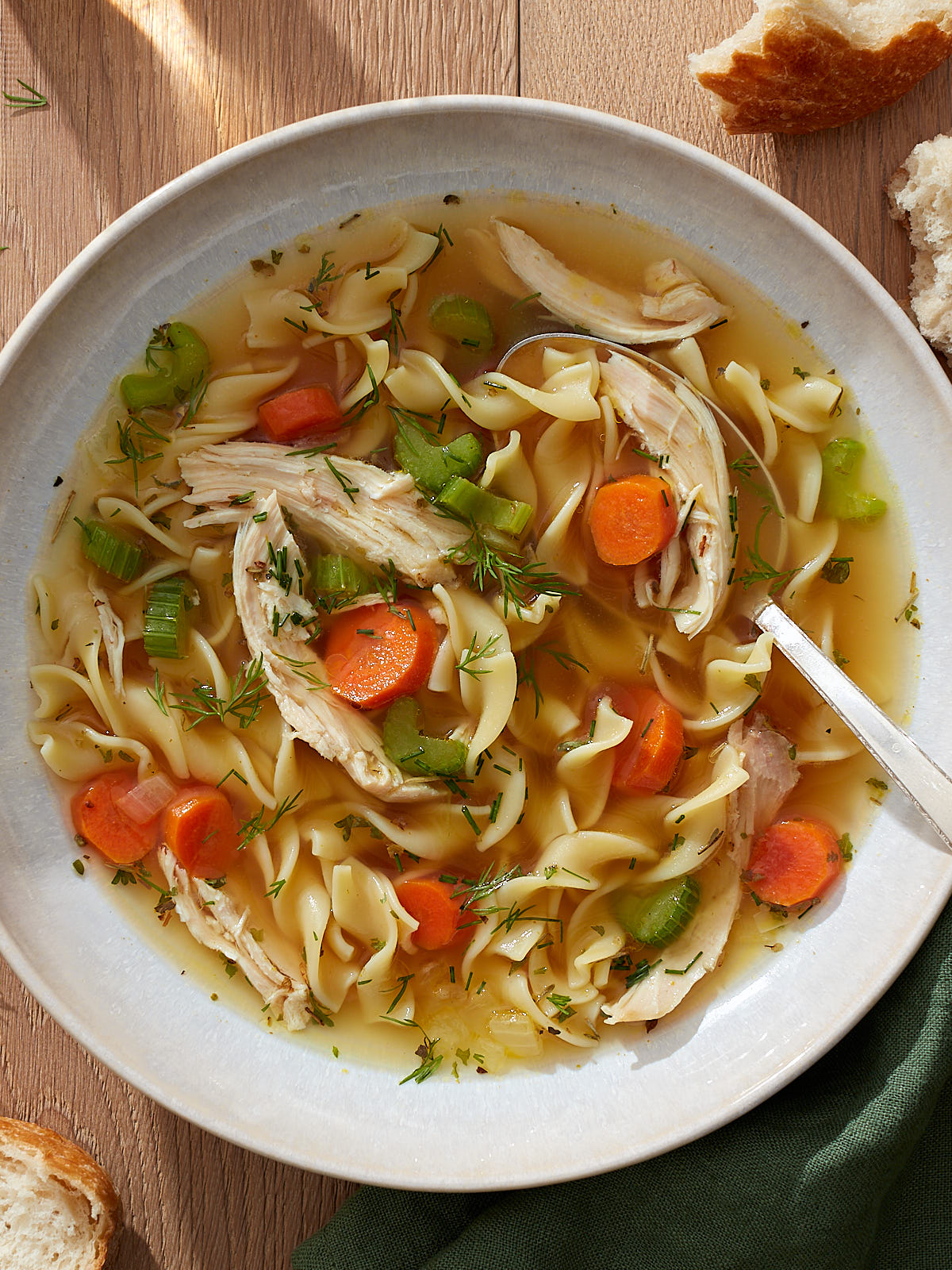
Chicken noodle soup
A practical combination of broth, cooked chicken, vegetables, and noodles. Add noodles near the end so they do not become excessively soft.
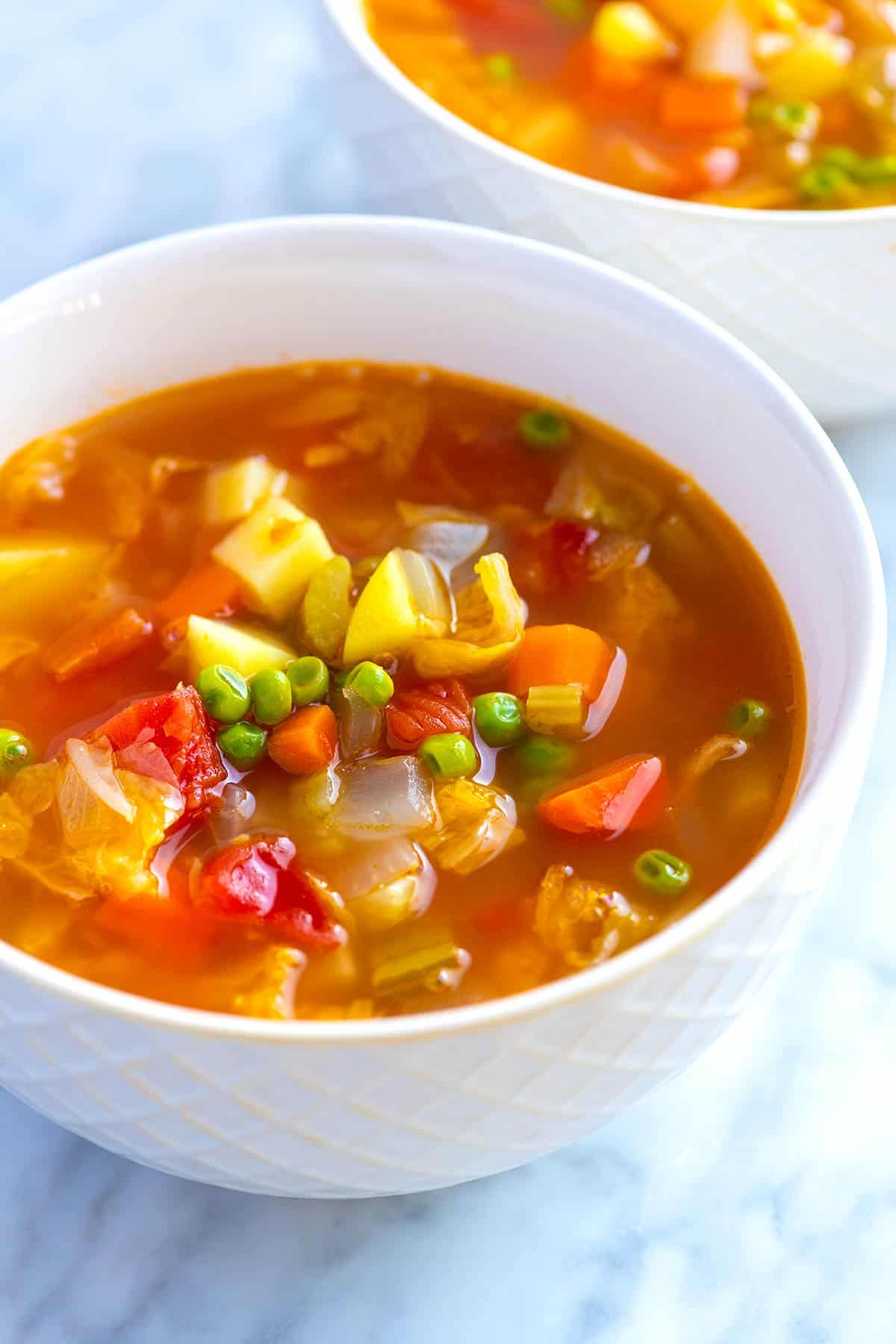
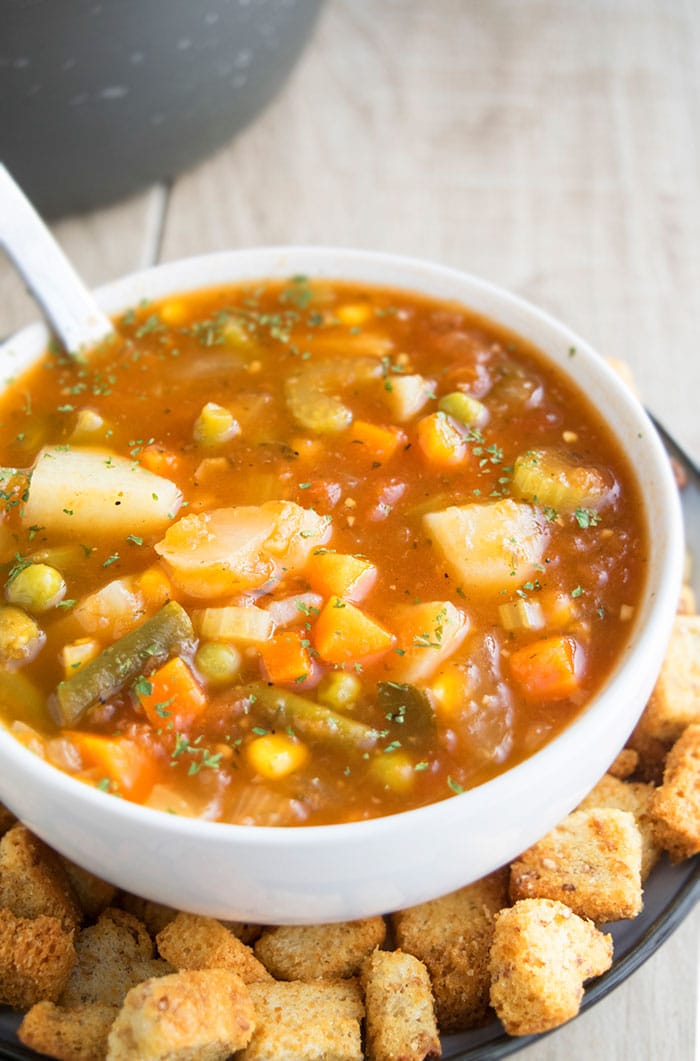
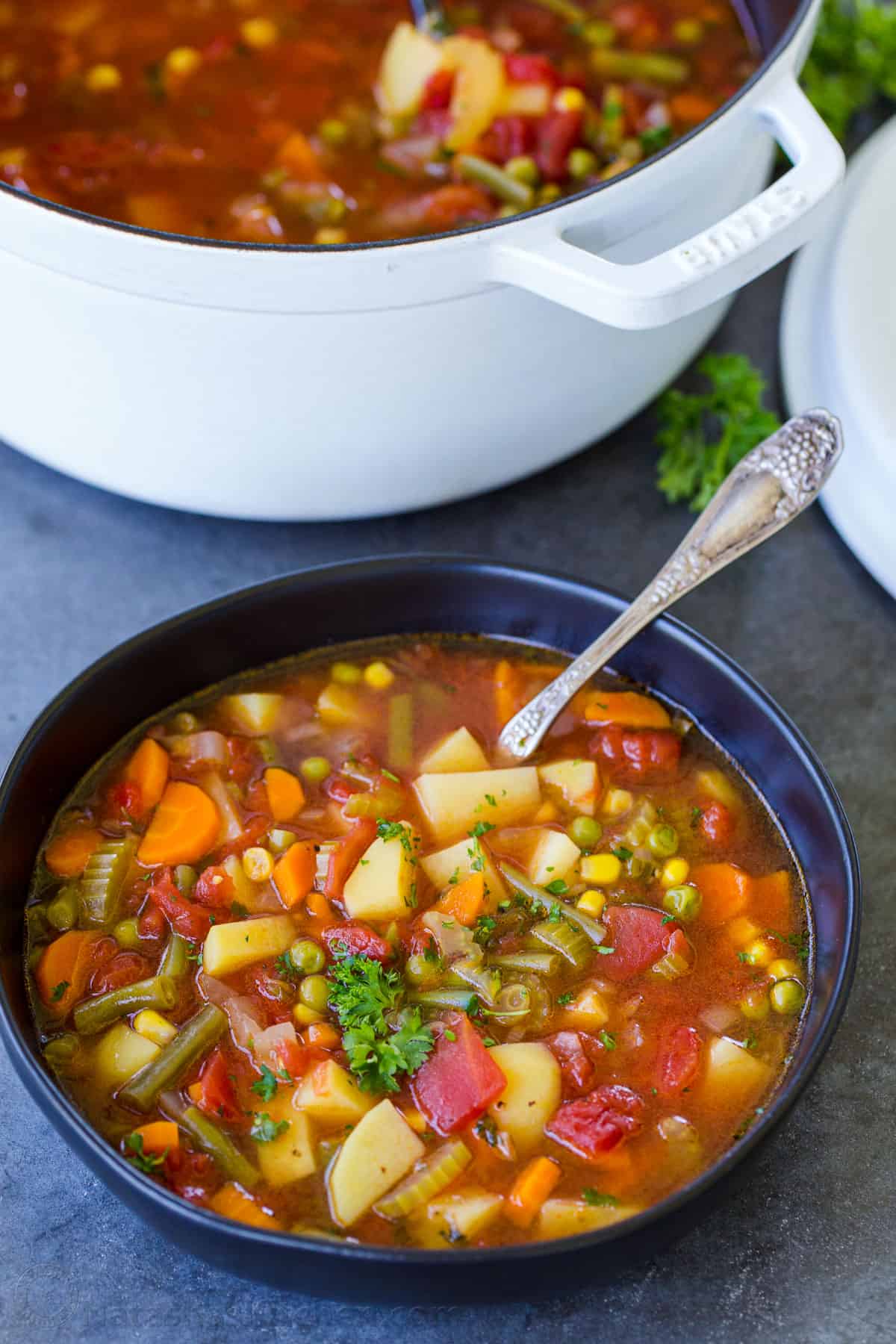
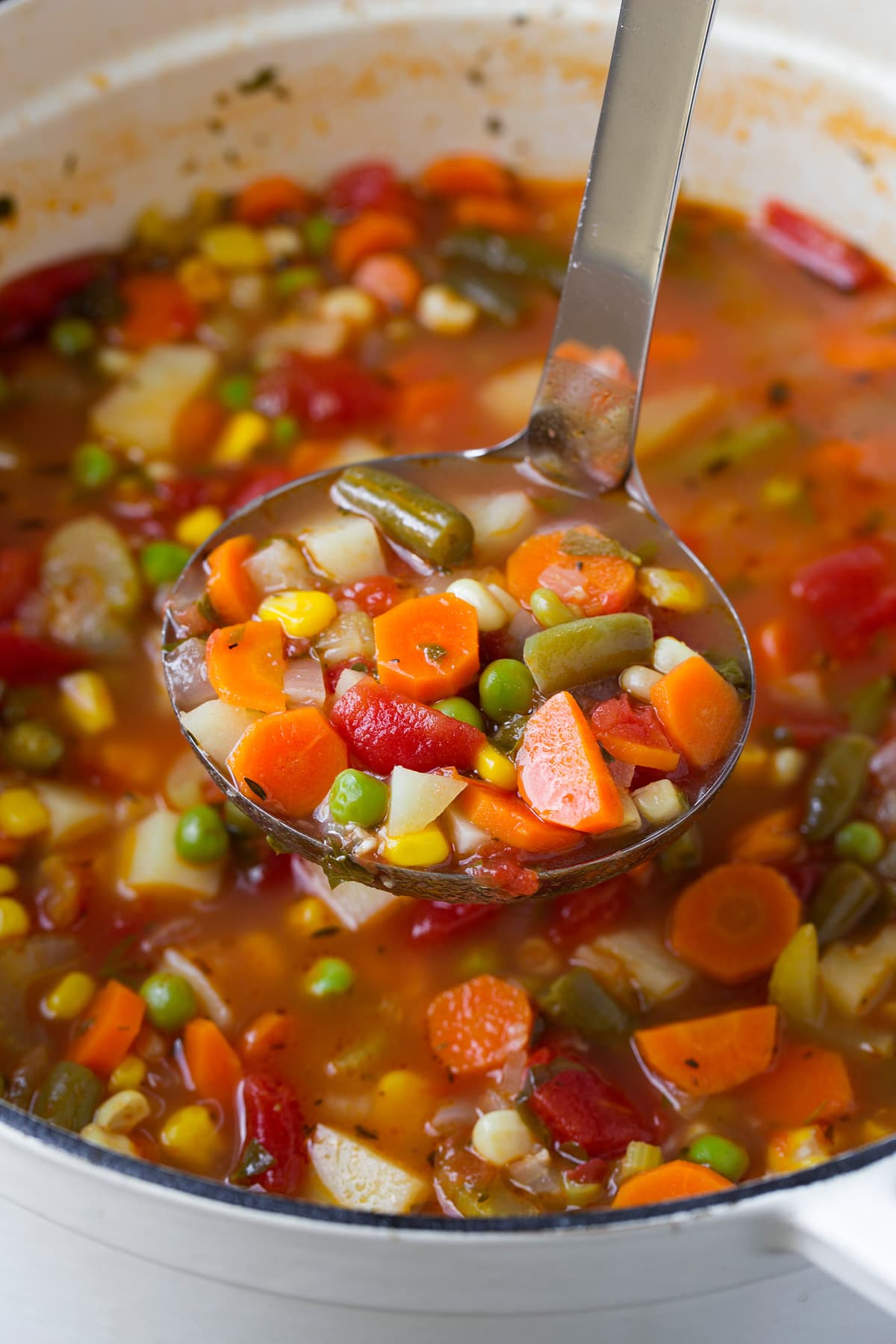
Vegetable soup
Use a mixture of vegetables with tomatoes or broth. Frozen vegetables can shorten preparation and make the recipe useful year-round.
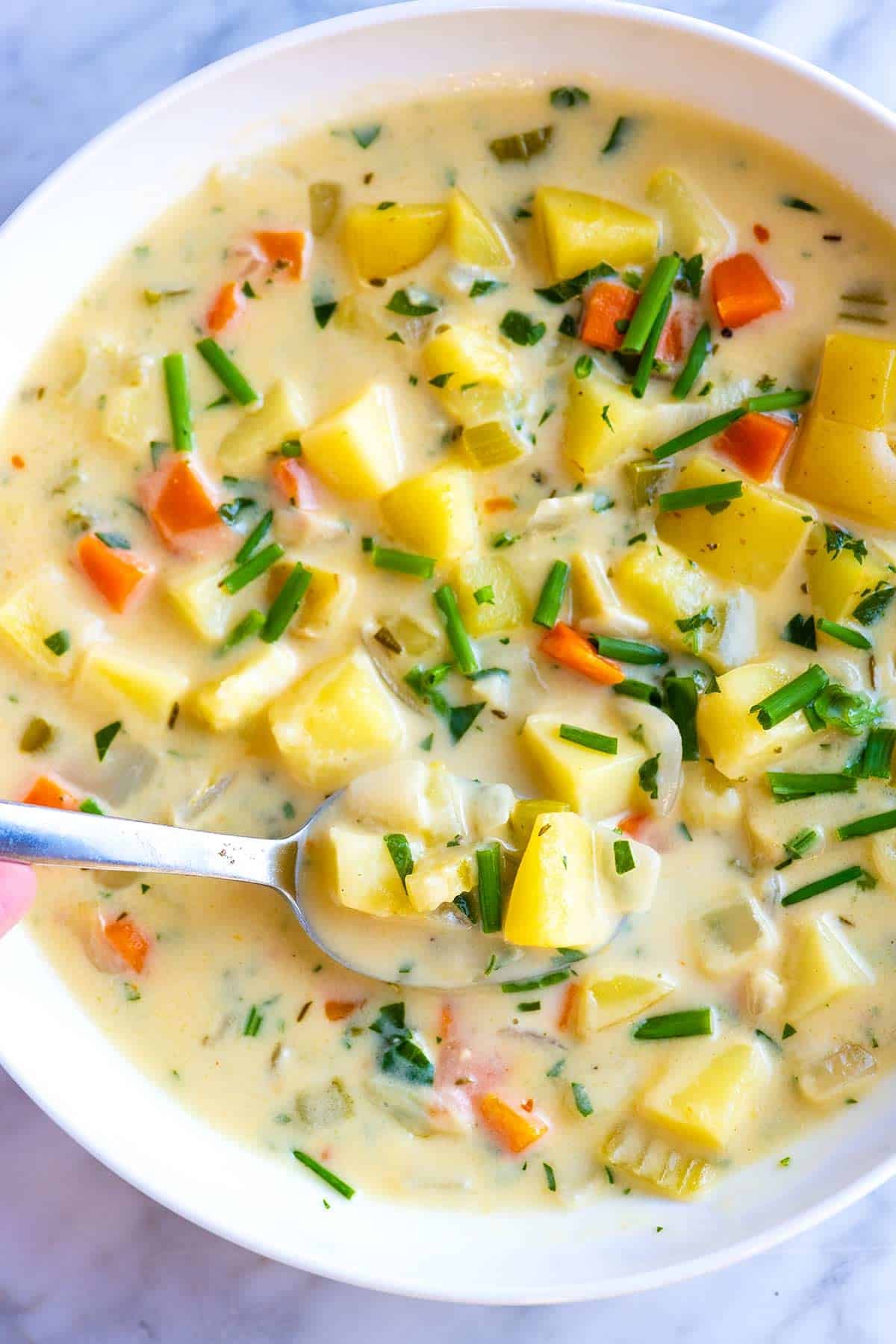
Potato soup
Potatoes provide body and make a simple soup satisfying. The soup can remain chunky or be partially blended for a thicker texture.
Tomato soup
Canned tomatoes make tomato soup practical outside tomato season. Herbs, garlic, onion, cream, or a grilled-cheese sandwich can complement the soup.
Bean soup
Canned beans make an especially fast option. Add vegetables, tomatoes, broth, and spices for a hearty meal.
Broccoli cheddar soup
Broccoli and cheese create a rich, creamy soup. Add cheese gradually and avoid excessively high heat after adding dairy.
Which Soup Is Best for a Busy Weeknight?
For the shortest cooking time, choose soups built around canned beans, cooked chicken, small pasta, frozen vegetables, or thinly cut fresh vegetables. A soup using raw chicken, dried beans, or large pieces of root vegetables may require substantially more cooking time.
If dinner needs to be ready quickly, prep the vegetables before heating the pot and use ingredients that do not require lengthy simmering. Food Network examples demonstrate that some easy soup recipes can be completed in roughly 13 to 35 minutes, while a simple homemade chicken soup can still be completed in under an hour.
Fastest approach
Use cooked protein, canned beans, frozen vegetables, and quick-cooking pasta.
Most flexible approach
Vegetable soup allows you to use many combinations of fresh or frozen produce.
Most comforting approach
Potato, chicken noodle, tomato, and creamy soups pair easily with bread, crackers, or sandwiches.
How to Make an Easy Soup Step by Step
Most basic homemade soups can be made by following a predictable sequence. The exact order changes when an ingredient needs a different cooking time, but the general method works for many vegetable, chicken, bean, and noodle soups.
Start by preparing all ingredients before cooking. This prevents vegetables from burning while you search for the next ingredient and makes it easier to control the cooking process.
Source: Bing
1. Prepare the ingredients
Chop vegetables into reasonably similar pieces so they cook at a similar rate. Measure broth, seasonings, and other ingredients before starting.
2. Cook the aromatics
Warm a little oil in the pot and cook onion, celery, carrots, garlic, or other aromatics until they begin to soften.
3. Add the liquid
Pour in broth, water, tomatoes, or another appropriate liquid. Scrape the bottom of the pot to incorporate browned bits.
4. Add ingredients by cooking time
Add firm vegetables and raw proteins earlier and quick-cooking ingredients such as delicate greens or pasta later.
5. Simmer gently
Keep the soup at a gentle simmer rather than an aggressive boil. This helps ingredients cook evenly and can reduce the chance of breaking apart delicate foods.
6. Taste and finish
Taste near the end and adjust salt, pepper, herbs, spices, acidity, or richness. Add delicate fresh herbs after cooking or just before serving.
How Do You Know When Soup Is Done?
Soup is done when its individual ingredients have reached the texture the recipe requires. Vegetables should be tender when the recipe calls for tenderness, pasta should be cooked through but not mushy, and raw meat should reach a safe internal temperature measured with a food thermometer.
Do not use the appearance of the broth alone to decide whether raw meat is safely cooked. When poultry, meat, or seafood is included, use the appropriate food-safety temperature guidance for that ingredient.
Vegetables
Check with a fork. They should match the intended texture rather than automatically being cooked until very soft.
Pasta
Taste a piece near the end of cooking because pasta continues to soften in hot liquid.
Meat
Use a food thermometer and follow established food-safety temperature guidance rather than relying only on color.
How to Make Soup Taste Better Without Making It Complicated
When a soup tastes flat, adding more of everything is rarely the best solution. Taste first, then identify what is missing. A bland soup may need salt, while a heavy soup may benefit more from acidity or fresh herbs.
Layering flavor early also helps. Sautéing aromatics before adding liquid can develop more flavor than simply boiling raw vegetables in broth. Browning some meats or mushrooms can provide additional depth, while tomatoes, beans, Parmesan, herbs, spices, or cooked grains can give a simple broth more character.
Source: Bing
If it tastes bland
Check the seasoning first. Salt affects how strongly other flavors are perceived.
If it tastes heavy
A small amount of lemon juice, vinegar, or another appropriate acidic ingredient can add balance.
If it tastes one-dimensional
Fresh herbs, garlic, spices, browned ingredients, or a flavorful garnish can add another layer.
If it is too thin
Simmering can reduce excess liquid, while potatoes, beans, grains, blended vegetables, or an appropriate thickener can add body.
If it is too thick
Add broth or water gradually while stirring and tasting so the soup does not become diluted.
Can You Make Soup Without Broth?
Yes. Broth is convenient, but it is not mandatory for every soup. Water can work when the soup contains flavorful vegetables, tomatoes, beans, meat, herbs, spices, or other ingredients that contribute enough flavor. Season gradually because water does not bring the salt and flavor that many commercial broths provide.
If using packaged broth, check the sodium level when salt intake matters. Low-sodium broth gives the cook more control over final seasoning.
Use water when
The soup contains enough flavorful ingredients and you want maximum control over seasoning.
Use broth when
You want a convenient flavor base, especially for quick chicken, vegetable, bean, or noodle soups.
Easy Soup Ideas for Different Preferences
The best easy soup depends on what you need from the meal. A vegetable-heavy soup may suit someone looking for a lighter option, while potatoes, beans, noodles, rice, or meat can make soup more substantial. Cream and cheese add richness but can also make a soup heavier.
Instead of looking for one universal best soup, choose a base according to the ingredients and time available. This makes it easier to adapt recipes without changing the entire cooking method.
Source: Bing
For a vegetarian meal
Try vegetable, tomato, lentil, bean, potato, or mushroom soups. Use vegetable broth when you want a vegetarian base.
For a filling meal
Add beans, lentils, chicken, lean meat, pasta, rice, potatoes, or another substantial ingredient.
For a creamy soup
Potatoes, cauliflower, broccoli, squash, or beans can provide body, while milk, cream, or cheese can add richness.
For a freezer-friendly meal
Broth-based soups, bean soups, vegetable soups, and many cooked meat soups generally work well for make-ahead cooking. Ingredients such as pasta may change texture after freezing and reheating.
For summer
Fresh vegetable soups and lighter preparations can work well when you want something less heavy. Chilled soups are another option.
Easy Soup Pairings for Dinner
Soup can become a more complete weeknight meal when paired with a simple side. Crusty bread, whole-grain toast, a sandwich, crackers, a green salad, or roasted vegetables can add texture and make a lighter soup more satisfying.
For rich soups such as potato or broccoli cheddar, a crisp salad or lightly dressed vegetables can provide contrast. For broth-based chicken or vegetable soup, bread or a sandwich can add extra carbohydrates and calories.
Chicken noodle soup
Serve with crackers, toast, or a simple salad.
Tomato soup
Pair with grilled cheese, toasted bread, or a green salad.
Vegetable soup
Serve with crusty bread, rice, or a sandwich when a more substantial meal is desired.
Common Mistakes When Making Easy Soup
Simple soup can still go wrong when ingredients are added at the wrong time or the final seasoning is not checked. The most useful fixes are usually straightforward: control cooking time, add delicate ingredients later, and taste before serving.
Another common problem is assuming that every ingredient can cook for the same amount of time. Pasta can become soft, greens can lose their texture, and seafood can overcook if they are added too early.
Source: Bing
Adding everything at once
Different ingredients cook at different speeds. Add them according to how long they need to become tender.
Boiling too aggressively
A hard boil can break apart delicate ingredients and make some soups reduce faster than expected.
Oversalting early
Broth, canned tomatoes, beans, cheese, and other ingredients may already contain sodium. Season gradually and taste near the end.
Overcooking pasta
Pasta continues absorbing liquid after cooking, especially in leftovers. Consider cooking it separately when appropriate.
Adding dairy over excessive heat
Cream, milk, and some cheeses can separate or become grainy under harsh heat. Lower the heat and follow the recipe’s method.
Ignoring final balance
A soup can have enough salt but still taste flat. Acidity, herbs, spices, or a suitable garnish may be the missing element.
How to Fix Common Soup Problems
If soup is too salty, avoid simply adding large amounts of water because that can dilute every flavor. Instead, increase the unsalted ingredients or liquid gradually and rebalance the soup. If soup is too thin, simmering may concentrate it, although the right solution depends on the recipe.
If soup is too thick, add liquid a little at a time. If vegetables are undercooked, continue simmering until they reach the intended texture. If pasta has already become too soft, there is usually no way to restore its original texture, so future batches should use a shorter cooking time or separate the pasta from the soup.
Too salty
Dilute carefully and add compatible unsalted ingredients rather than making a large change all at once.
Too thin
Simmer to reduce liquid or use an ingredient that naturally adds body.
Too thick
Add broth or water gradually and retaste the seasoning.
Too bland
Check salt first, then consider acidity, herbs, spices, or another appropriate flavor component.
Storing and Reheating Homemade Soup Safely
Leftover soup should be handled promptly after cooking. Divide large quantities into smaller, shallow containers so they cool more efficiently, then refrigerate or freeze them rather than leaving the pot at room temperature for an extended period.
For refrigerated leftovers, use established food-safety guidance for cooked foods and check the soup before eating. When reheating, heat it thoroughly and stir so the temperature is more even throughout. Frozen soup can be thawed safely in the refrigerator or reheated using an appropriate method, depending on the container and recipe.
Source: Bing
Cool promptly
Do not leave a large pot of cooked soup sitting out for prolonged periods. Transfer it into smaller portions when practical.
Refrigerate leftovers
Keep leftovers cold and use established food-safety storage guidance rather than relying on smell alone.
Freeze suitable soups
Broth-based vegetable, bean, and meat soups can be convenient freezer meals. Some dairy and pasta preparations may change texture.
Reheat thoroughly
Heat leftovers thoroughly and stir during reheating when appropriate to distribute heat.
What Soups Freeze Best?
Soups based on broth, vegetables, beans, lentils, and cooked meats are generally practical choices for freezing. Creamy soups can also be frozen, but some dairy-based soups may separate or change texture after thawing.
Pasta can become softer during freezing and reheating because it continues absorbing liquid. If you expect to freeze a noodle soup, consider storing the cooked noodles separately and adding fresh noodles when reheating.
Good freezer candidates
Bean, lentil, vegetable, chicken, and broth-based soups are practical choices for make-ahead meals.
Use extra care
Creamy soups and soups with pasta may experience texture changes after freezing and reheating.
Frequently Asked Questions
Q
What is the easiest soup to make from scratch?
Vegetable soup, tomato soup, bean soup, and simple chicken noodle soup are among the easiest starting points because they use familiar ingredients and straightforward cooking methods. A soup made with canned beans, prepared broth, frozen vegetables, and small pasta can be particularly convenient for a busy weeknight.
Q
How can I make soup quickly?
Use ingredients that cook quickly or are already cooked. Canned beans, rotisserie chicken, frozen vegetables, canned tomatoes, small pasta, and prepared broth can significantly reduce preparation and cooking time. Cut fresh vegetables into smaller, similar-sized pieces so they cook more evenly.
Q
Can I make soup with water instead of broth?
Yes. Water can be used when the other ingredients provide enough flavor. Aromatics, tomatoes, vegetables, beans, meat, herbs, spices, and proper seasoning can create a flavorful soup without packaged broth. Because water contributes little flavor or sodium, taste and season the soup carefully.
Q
How do I thicken soup without making it complicated?
You can reduce excess liquid by simmering, blend part of a vegetable or bean soup, or use naturally starchy ingredients such as potatoes and beans. For creamy soups, dairy or another appropriate thickening method can also add body. Choose the method based on the type of soup and the texture you want.
Q
How long does homemade soup last?
Storage time depends on the ingredients, temperature, and handling. Follow established food-safety guidance for cooked leftovers, refrigerate soup promptly, and freeze portions that you will not use within the recommended refrigerated period. When in doubt about whether a leftover is safe, discard it rather than relying on smell or appearance.
✦ Wrapping Up
Conclusion
Easy soup recipes do not require complicated ingredients or advanced cooking skills. A reliable homemade soup can start with aromatics, broth or water, vegetables, and a filling ingredient such as chicken, beans, potatoes, rice, or pasta. From there, seasoning and a few finishing ingredients can create very different meals from the same basic method.
For a busy U.S. weeknight, choose ingredients based on the time you have. Use cooked proteins, canned beans, frozen vegetables, and quick-cooking pasta when speed matters. If you have more time, fresh vegetables, homemade components, or longer-simmered ingredients can add depth. The most useful habit is to taste the soup before serving and adjust its seasoning and texture rather than following a fixed ingredient list without checking the result.
💡 Key Takeaway
For your next easy soup, start with onion, garlic, a few vegetables, broth or water, and one filling ingredient such as beans, chicken, potatoes, or pasta. Simmer until the ingredients are properly cooked, taste near the end, adjust the seasoning, and serve with a simple side such as bread or a salad.
Get fast, flavorful meals in minutes with quick vegetarian lunch ideas—budget-friendly, protein-packed, and kid-approved. Prep smarter and eat happier.
Quick, crispy bites made simple—air fryer snack recipes with times, tips, and healthy swaps to satisfy cravings fast, perfect for beginners and busy nights.