Classic beef recipes are timeless dishes that use simple cooking methods to bring out the deep flavor, tenderness, and comfort of beef.
Across the United States, classic beef recipes have a special place on family tables, holiday menus, and everyday dinner plans. From a Sunday roast in a Midwest kitchen to a slow-cooked pot roast shared at a Southern gathering, these dishes rely on familiar ingredients and careful cooking rather than complicated techniques.
The best classic beef recipes usually follow a simple idea: choose the right cut, use a suitable cooking method, and give the meat enough time to develop flavor. Tender cuts work well with quick cooking, while tougher cuts become rich and soft when cooked slowly with moisture.
Source: recipesreverie.com
What Makes A Beef Recipe Classic
A classic beef recipe is usually defined by its lasting popularity, simple ingredients, and reliable cooking method. These dishes are often passed between generations because they create familiar flavors without requiring advanced cooking skills.
Many traditional American beef meals focus on comfort. They use ingredients such as onions, carrots, potatoes, herbs, broth, and basic seasonings. These additions support the natural flavor of beef instead of hiding it.
Classic recipes also tend to be flexible. A family may prepare the same roast beef dish with a slightly different seasoning blend or serve it with different side dishes while keeping the main cooking approach unchanged.
Source: thebesttraditionalfamilyrecipes.com
Simple preparation
Most classic beef dishes use straightforward steps that home cooks can repeat successfully.
Reliable cooking methods
Roasting, braising, grilling, and slow cooking have remained popular because they suit different beef cuts.
Comforting flavors
Traditional seasonings and hearty ingredients create meals associated with family and celebration.
The Role Of Beef Cuts In Classic Recipes
The beef cut often determines the best cooking style. Cuts with more connective tissue, such as chuck roast, benefit from slow cooking because heat and moisture gradually soften the meat.
Tender cuts, such as rib roast or tenderloin, need less cooking time and are often prepared with roasting or grilling methods that protect their texture.
Chuck roast
Best for pot roast and stews because slow heat creates tender results.
Rib roast
Often used for special occasion roast beef because of its rich flavor and tenderness.
Popular Classic Beef Recipes To Make At Home
Classic beef recipes cover many cooking styles, from slow simmered meals to roasted centerpieces. The best choice depends on the time available, the beef cut, and the type of meal you want to create.
Some recipes are designed for busy weeknights, while others are made for gatherings. Understanding the purpose of each dish helps you choose the right recipe.
Source: www.southernliving.com
Classic roast beef
A roasted beef dish known for a flavorful crust and tender slices. It is often served with vegetables, gravy, or simple side dishes.
Beef pot roast
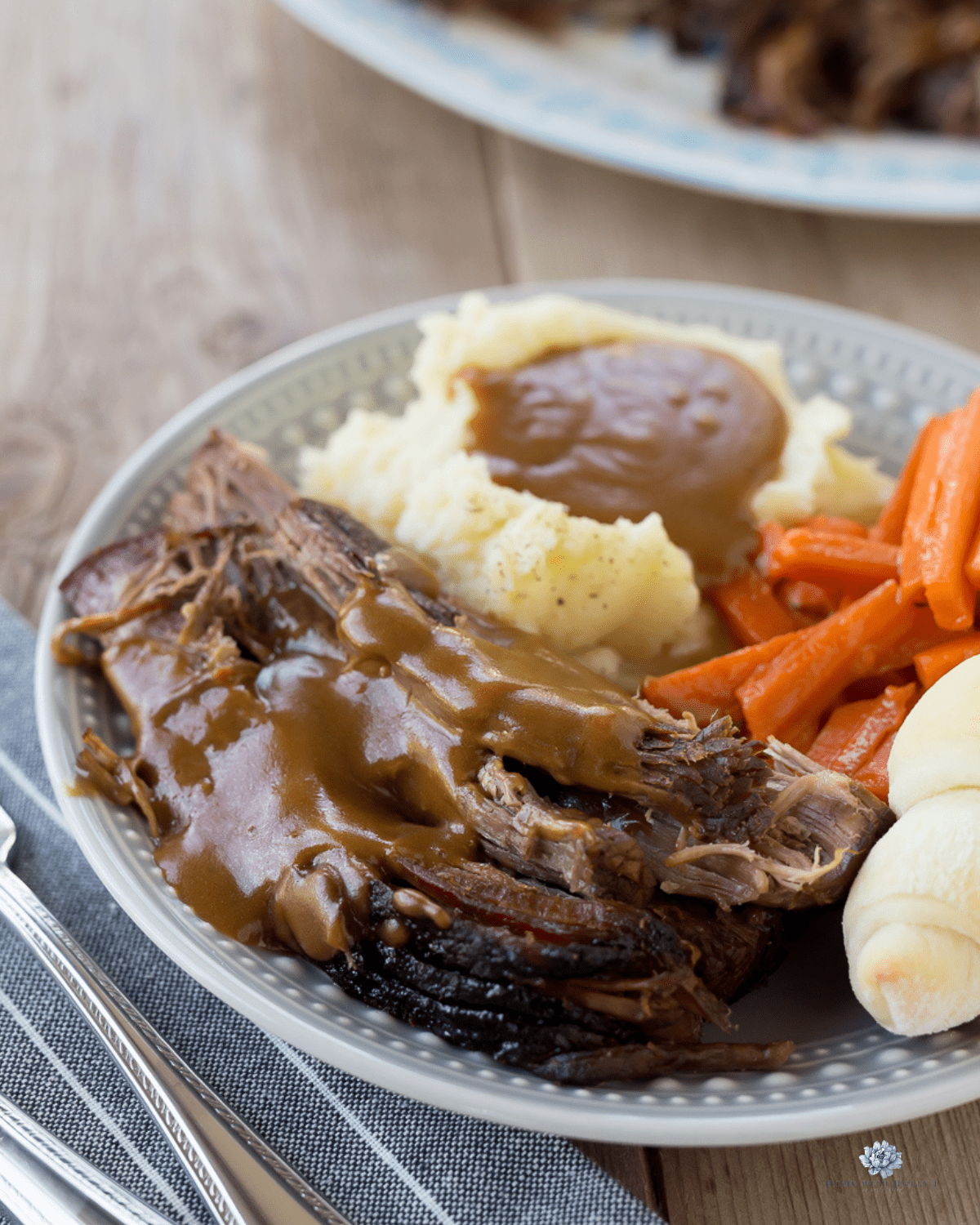
A slow cooked meal where tougher beef cuts become tender with broth, vegetables, and herbs.
Traditional beef stew
A hearty dish combining beef cubes with vegetables and a rich cooking liquid.
Classic beef brisket
A slow cooked cut that develops deep flavor through long cooking times.
Classic Roast Beef
Classic roast beef is one of the most recognized beef dishes in American homes. The goal is a browned outer layer with juicy slices inside.
Success depends on choosing an appropriate roast, seasoning evenly, and avoiding overcooking. Allowing the meat to rest after cooking helps keep juices inside when slicing.
Best use
Ideal for family dinners, holidays, and meals where leftovers can be used in sandwiches or other dishes.
Beef Pot Roast
Beef pot roast represents the slow cooking tradition found in many American households. A tougher cut becomes soft after hours of gentle cooking.
The cooking liquid absorbs flavors from the beef and vegetables, creating a rich sauce that can be served with the finished meal.
Best use
A practical choice for make-ahead meals and large family dinners.
How To Choose The Right Cooking Method
The cooking method should match the beef cut. Using the wrong method can lead to dry meat or a tough texture.
Fast cooking methods work best for naturally tender cuts, while slow methods are better for cuts that need time to soften.
Source: fity.club
Roasting
Works well for larger tender cuts that can develop a flavorful outside layer.
Braising
Uses low heat and liquid to soften tougher cuts over time.
Grilling
Adds direct heat flavor and works well for steaks and smaller cuts.
Slow cooking
Creates tender meals with minimal active preparation.
Signs Your Beef Is Cooked Correctly
Properly cooked beef should match the recipe goal. Roast beef may be sliced when it reaches the desired level of doneness, while stew meat should become tender enough to break apart easily.
Texture is often a better guide for slow cooked dishes than appearance alone. Tough meat usually needs more time rather than higher heat.
Tender texture
Slow cooked beef should feel soft when cut or pulled with a fork.
Balanced flavor
Seasoning should support the beef flavor without overpowering it.
Common Mistakes When Cooking Beef Recipes
Many beef cooking problems come from choosing the wrong method or rushing the process. Small adjustments can make traditional recipes more consistent.
Understanding common mistakes helps home cooks avoid dry roasts, tough stew meat, and uneven seasoning.
Tougher cuts usually need slower cooking to break down connective tissue.
Skipping rest time
Resting roasted beef helps maintain moisture before slicing.
Using too much heat
High heat for too long can dry out many beef dishes.
Poor seasoning distribution
Even seasoning before cooking improves flavor throughout the dish.
How To Fix Tough Beef
If slow cooked beef remains tough, it often needs additional cooking time. Connective tissue may not have softened fully yet.
Adding moisture and continuing gentle cooking can improve texture, but cutting the heat higher may make the meat firmer.
Check cooking time
Extend slow cooking when the meat is not tender.
Tips For Making Classic Beef Recipes Better
Improving classic beef recipes does not require changing their identity. Small choices in preparation can make familiar dishes more enjoyable.
Fresh ingredients, proper seasoning, and patience often create the biggest improvements.
Source: wfos.brokenbulb.org
Season early
Allowing seasoning to sit on the meat before cooking can improve flavor.
Use quality ingredients
Fresh vegetables and a suitable beef cut support better results.
Save leftovers
Cooked beef can become sandwiches, soups, tacos, or other meals.
Frequently Asked Questions
Q
What are the most popular classic beef recipes?
Popular classic beef recipes include roast beef, pot roast, beef stew, brisket, and traditional steak dishes. These recipes remain common because they are adaptable and use familiar ingredients.
Q
What is the best beef cut for slow cooking?
Cuts with more connective tissue, such as chuck roast, are often used for slow cooking because long, gentle heat can create a tender texture.
Q
Why is my beef roast tough?
A tough roast may need more cooking time, especially when using a cut designed for slow cooking. Higher heat is not always the solution.
Q
Can classic beef recipes be made ahead?
Many classic beef recipes work well as make-ahead meals. Slow cooked dishes often develop even deeper flavor after resting and reheating properly.
Q
How should leftover cooked beef be used?
Leftover beef can be used in sandwiches, salads, soups, tacos, and other meals. Store leftovers safely and reheat them thoroughly before serving.
✦ Wrapping Up
Conclusion
Classic beef recipes remain popular because they combine simple ingredients with dependable cooking methods. Whether you choose roast beef, pot roast, or stew, the key is matching the recipe with the right cut and giving the meat enough time to develop flavor.
These traditional meals continue to fit modern kitchens because they are flexible, comforting, and easy to adapt. A careful approach to seasoning, temperature, and timing can turn a basic beef dish into a memorable dinner.
💡 Key Takeaway
Choose your beef cut first, match it with the correct cooking method, and focus on patience for the best classic beef recipes.
Discover easy soup recipes for busy American weeknights, including chicken noodle, potato, vegetable, tomato, bean, and creamy soups with practical cooking tips.