Homemade pasta recipes are easiest when you start with a simple dough made from flour and eggs, knead it until smooth, roll it thin, cut it into shapes, and cook it briefly before adding your favorite sauce.
Across kitchens in the United States, homemade pasta has become a practical way to create fresh meals with basic ingredients. Many home cooks begin with simple pasta dough because it does not require special skills or expensive tools. The process is about learning how flour, eggs, water, and time work together.
A good homemade pasta recipe depends on a few key steps: choosing the right ingredients, building a workable dough texture, resting the dough, shaping it correctly, and avoiding common cooking mistakes. Fresh pasta can feel like a small kitchen project, but the method becomes easier with practice.
Source: weeknightrecipes.com
What Makes Homemade Pasta Different From Dried Pasta
Homemade pasta is different because it is made fresh and usually contains more moisture than dried pasta. This gives it a soft texture and a short cooking time. Dried pasta is designed for storage and convenience, while fresh pasta is often chosen for its tender bite.
The main ingredients create the foundation of the recipe. Flour provides structure, eggs add richness and color, and water can adjust the dough when needed. The balance between these ingredients determines whether the dough feels smooth, sticky, or too dry.
Fresh pasta is not automatically better for every dish. Dried pasta often works well with thick sauces because its firm texture holds up during cooking. Fresh pasta is often a good match for lighter sauces, butter-based sauces, and filled pasta dishes.
Source: Gimme Some Oven
Fresh texture
Fresh pasta has a soft and delicate texture that cooks quickly and pairs well with simple sauces.
Ingredient control
Making pasta at home lets cooks choose ingredients and adjust thickness, shape, and flavor.
Basic Ingredients For Pasta Dough
A simple pasta dough often uses all-purpose flour or pasta flour, eggs, and a small amount of salt. Some recipes use semolina flour because it adds a slightly firmer texture. The best choice depends on the pasta shape and the result you want.
The dough should feel soft but not wet. If it cracks while kneading, it may need a little moisture. If it sticks heavily to your hands, it may need more flour.
Flour
Provides the structure that holds the pasta together.
Eggs
Add moisture, richness, and a deeper color.
How To Make Homemade Pasta Dough Step By Step
The basic pasta-making method follows a clear order. Measure ingredients, combine them into dough, knead until smooth, allow the dough to rest, then roll and cut it. Each stage affects the final texture.
Start by placing flour on a clean surface or in a bowl. Add eggs and slowly combine them with the flour. Once the dough forms, knead it with your hands until it becomes smooth and elastic. This process develops the gluten that gives pasta its structure.
After kneading, cover the dough and let it rest. Resting allows the flour to absorb moisture and makes the dough easier to roll. Skipping this step often creates dough that fights back or tears during shaping.
Source: www.inspiredtaste.net
Step one
Mix flour and wet ingredients until a rough dough forms.
Step two
Knead the dough until it becomes smooth and flexible.
Step three
Rest the dough before rolling and cutting.
Signs Your Dough Is Ready
Ready pasta dough should feel firm but flexible. It should not crumble easily, and it should recover slowly when pressed with a finger. These signs show that the dough has developed enough strength.
If the dough feels too stiff, a few drops of water can help. If it feels sticky, adding a small amount of flour can improve handling.
Smooth surface
The dough should have a consistent appearance without dry patches.
Popular Homemade Pasta Shapes And Their Best Uses
The pasta shape you choose affects how sauce sticks and how the dish feels when eaten. Long pasta, short pasta, and filled pasta each have different strengths.
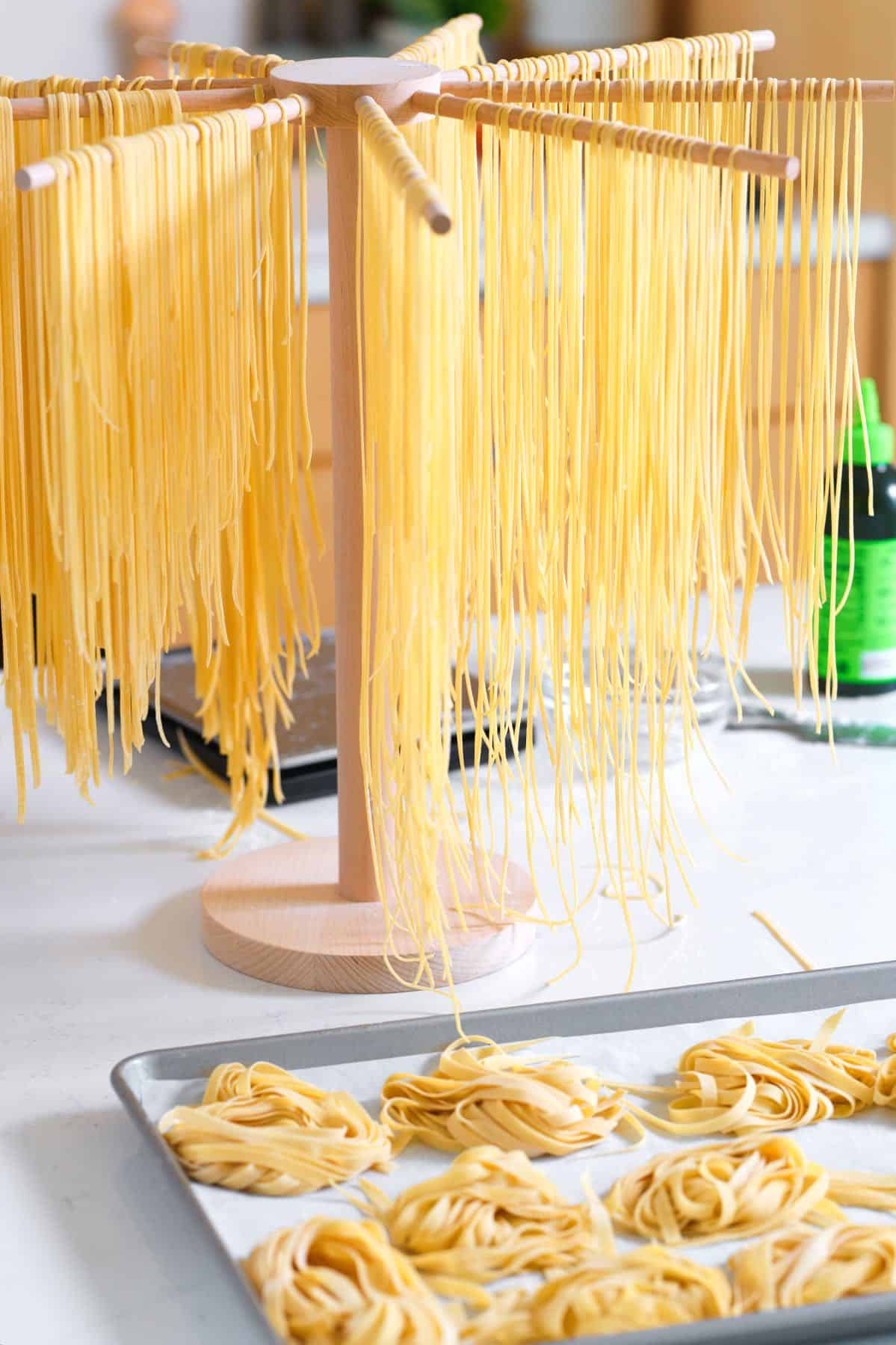
Spaghetti-style noodles are useful for simple tomato sauces, olive oil sauces, and creamy sauces. Wider noodles can hold heavier sauces because their larger surface collects more flavor. Small shapes are useful in baked dishes and meals with vegetables or meat.
You do not need to master every shape at once. Starting with one easy shape helps build confidence and improves dough handling skills.
Source: thefoodieaffair.com
Long noodles
Work well with smooth sauces that coat the strands evenly.
Wide noodles
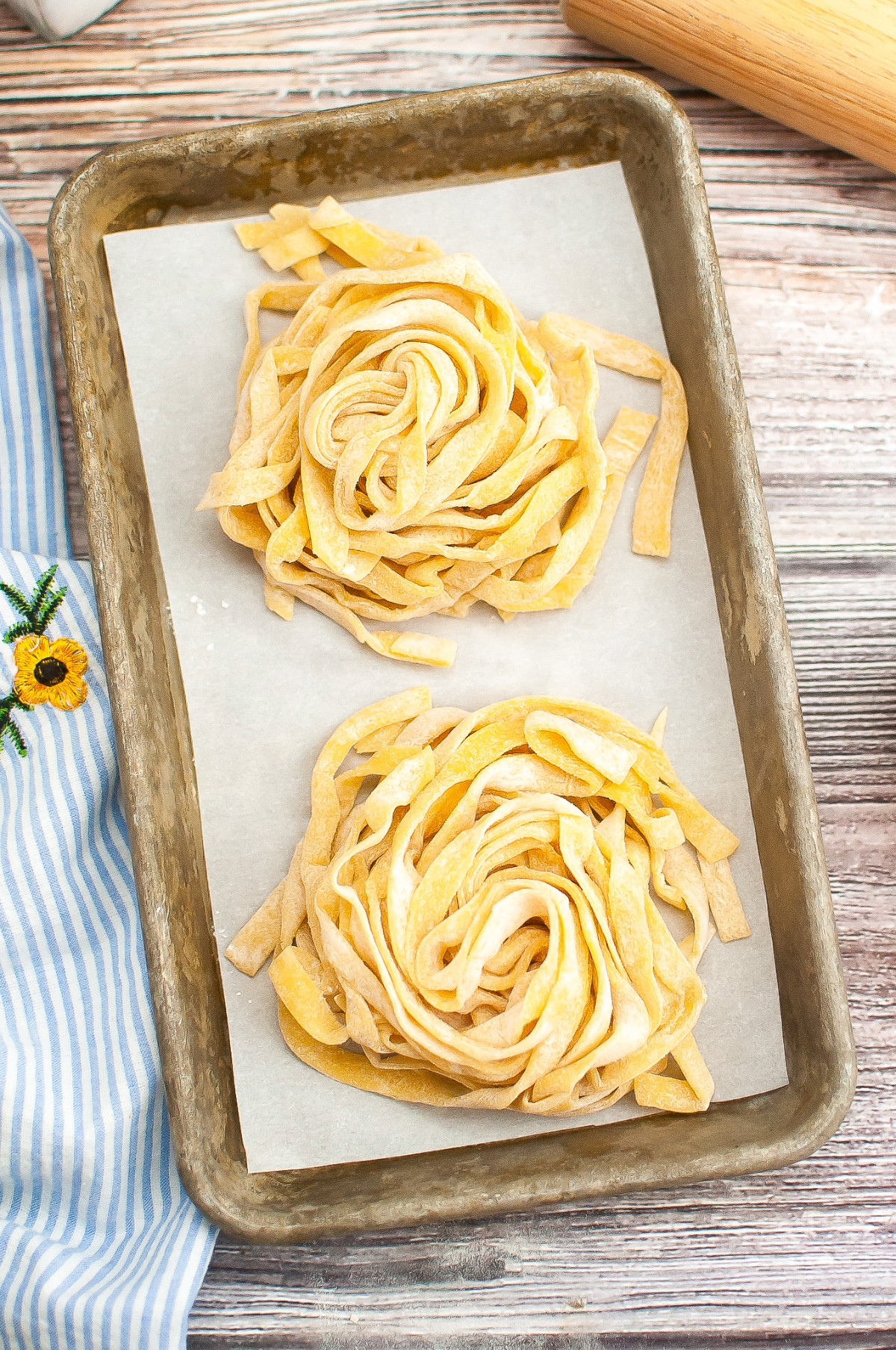
Pair well with richer sauces because they hold more sauce.
Filled pasta
Requires more preparation but creates a special meal experience.
Choosing Pasta Shapes For Sauces
A useful rule is matching texture with sauce weight. Light sauces often suit delicate pasta, while thick sauces benefit from shapes with ridges or larger surfaces.
This choice is flexible. Personal taste, available ingredients, and cooking time can matter more than strict rules.
Light sauces
Often work well with thin noodles and simple ingredients.
Common Homemade Pasta Problems And Solutions
Most pasta problems come from dough balance, shaping, or cooking technique. Finding the cause makes it easier to fix the result instead of starting over.
Dry dough may happen when there is too much flour or not enough moisture. Sticky dough may happen when the dough contains too much liquid or has not been kneaded enough. Cooking problems often come from using too little water or overcooking fresh noodles.
Fresh pasta needs attention because it cooks much faster than dried pasta. Watching the texture during cooking helps prevent soft or broken noodles.
Source: houseofnasheats.com
Problem: Dough cracks
Possible causes include dryness or insufficient resting time.
Problem: Pasta sticks together
Possible causes include excess moisture or crowded cooking water.
Problem: Pasta becomes too soft
Possible causes include cooking too long.
How To Improve Your Next Batch
Change one variable at a time. Adjusting flour, water, thickness, or cooking time separately makes it easier to learn what works in your kitchen.
Keeping notes about successful batches can help you repeat good results and improve future recipes.
Practice
Repeated attempts improve speed and confidence.
Easy Sauce Ideas For Homemade Pasta Recipes
The sauce completes a homemade pasta dish, but the best option depends on the pasta shape and available ingredients. Simple sauces often highlight the fresh texture of homemade noodles.
A tomato sauce can provide a bright flavor, while butter and herbs create a lighter dish. Cream sauces add richness, and vegetable-based sauces can make a balanced meal with seasonal ingredients.
When creating a pasta meal, consider texture as well as flavor. A smooth sauce may suit delicate noodles, while chunky sauces often work better with sturdy shapes.
Source: natashaskitchen.com
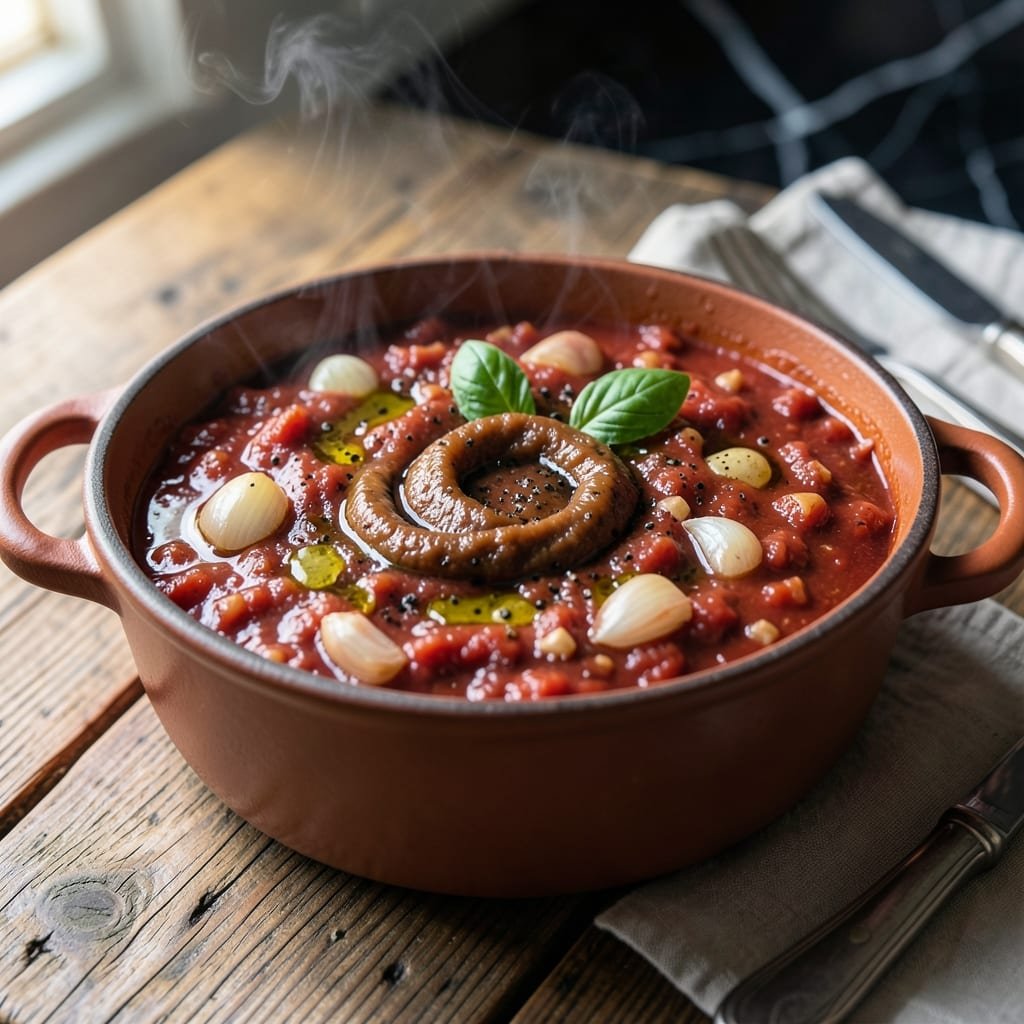
Tomato sauce
A familiar option that works with many pasta shapes.
Butter and herbs
A simple choice that allows fresh pasta flavor to stand out.
Storing Fresh Pasta
Fresh pasta can be cooked immediately or stored for later use. Drying short-term can help prevent pieces from sticking together. Refrigeration and freezing are also common methods when properly prepared.
Storage time depends on ingredients and conditions. Pasta containing eggs requires careful handling and should be stored safely.
Short storage
Use clean containers and prevent moisture buildup.
Frequently Asked Questions
Q
Do I need a pasta machine to make homemade pasta?
No. A pasta machine can make rolling easier, but a rolling pin and a sharp knife can also create fresh pasta. Hand-made pasta may take more time, but it is a practical method for home cooks.
Q
Why does my homemade pasta feel tough?
Tough pasta can happen when the dough is too dry, not rested enough, or rolled too thick. Adjusting moisture and allowing proper resting time can improve texture.
Q
How long should fresh pasta cook?
Fresh pasta usually cooks much faster than dried pasta. Cooking time depends on thickness and shape, so checking texture during cooking is the best guide.
Q
Can I make homemade pasta without eggs?
Yes. Some pasta styles use water instead of eggs. The texture and flavor will differ, but egg-free dough can work well for many dishes.
Q
What flour is best for homemade pasta?
Different flours create different textures. All-purpose flour is accessible for beginners, while semolina and specialty pasta flours can create firmer textures for certain styles.
✦ Wrapping Up
Conclusion
Homemade pasta recipes become easier when you focus on the basics: balanced ingredients, proper kneading, enough resting time, and careful cooking. The process is simple enough for beginners but flexible enough for continued learning.
Making pasta at home is less about creating perfect shapes and more about understanding how small changes affect the final meal. With practice, fresh pasta can become a reliable part of your home cooking routine.
💡 Key Takeaway
Start with a simple dough, practice the basic steps, and adjust one part of the recipe at a time until you find the texture and flavor you enjoy.