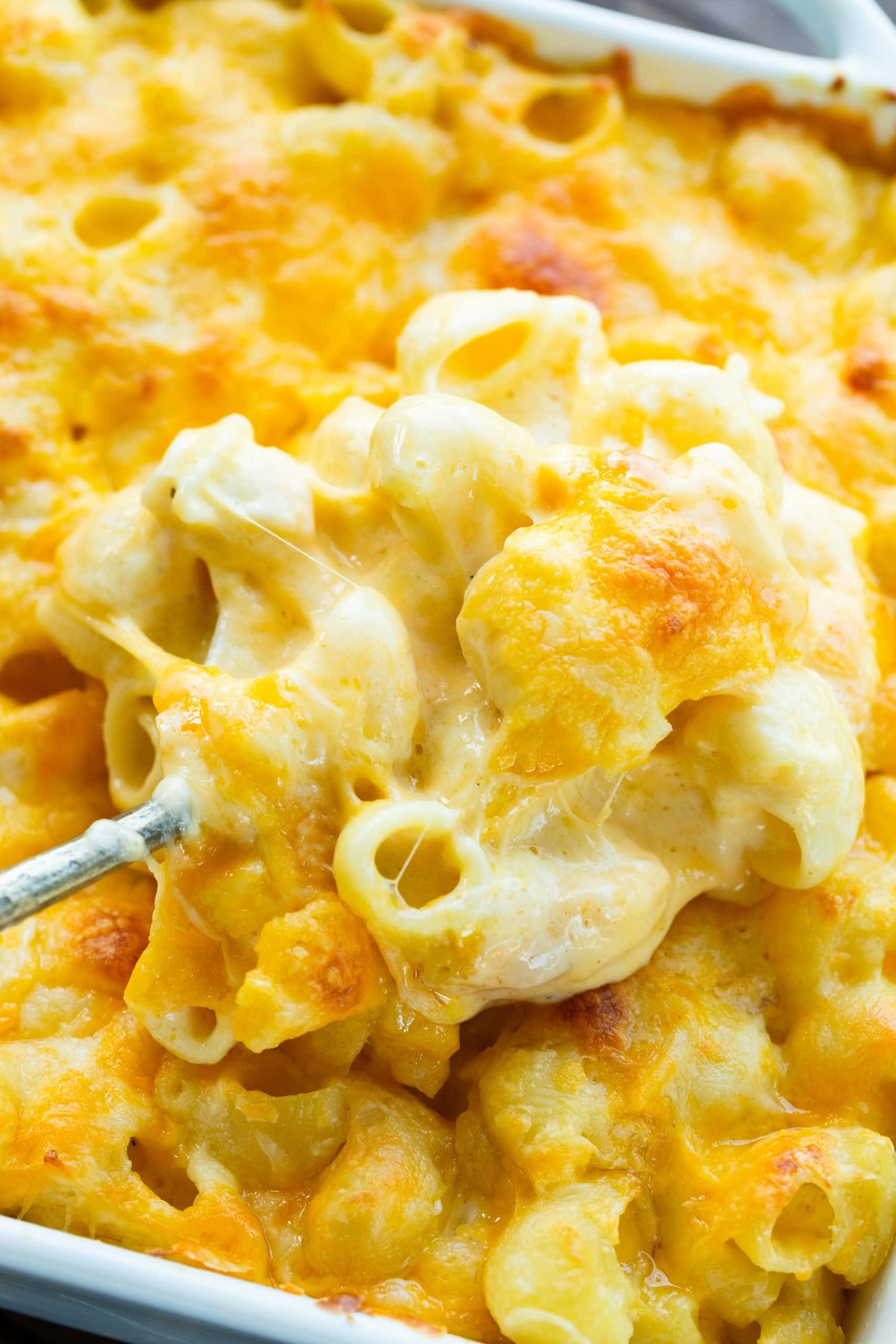
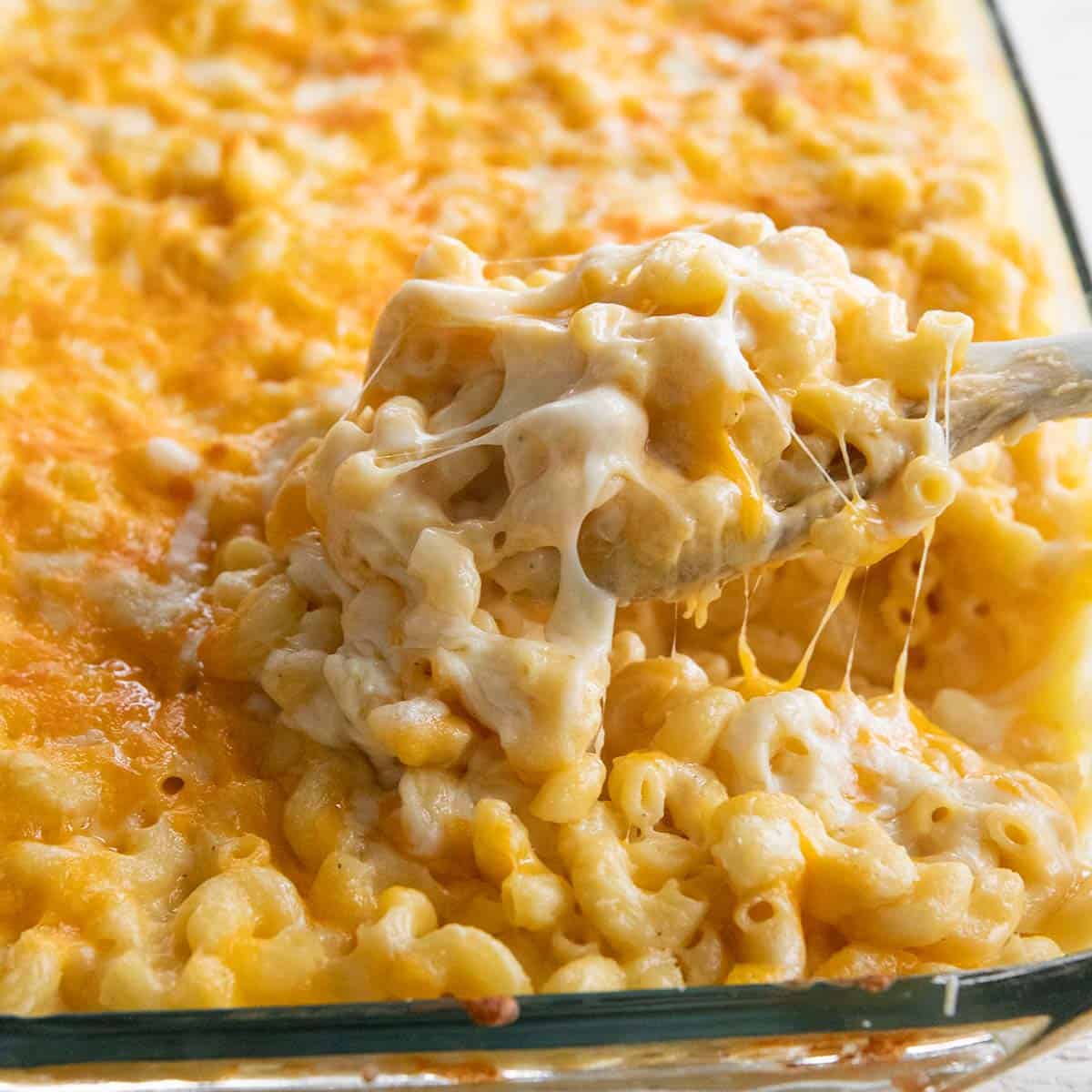
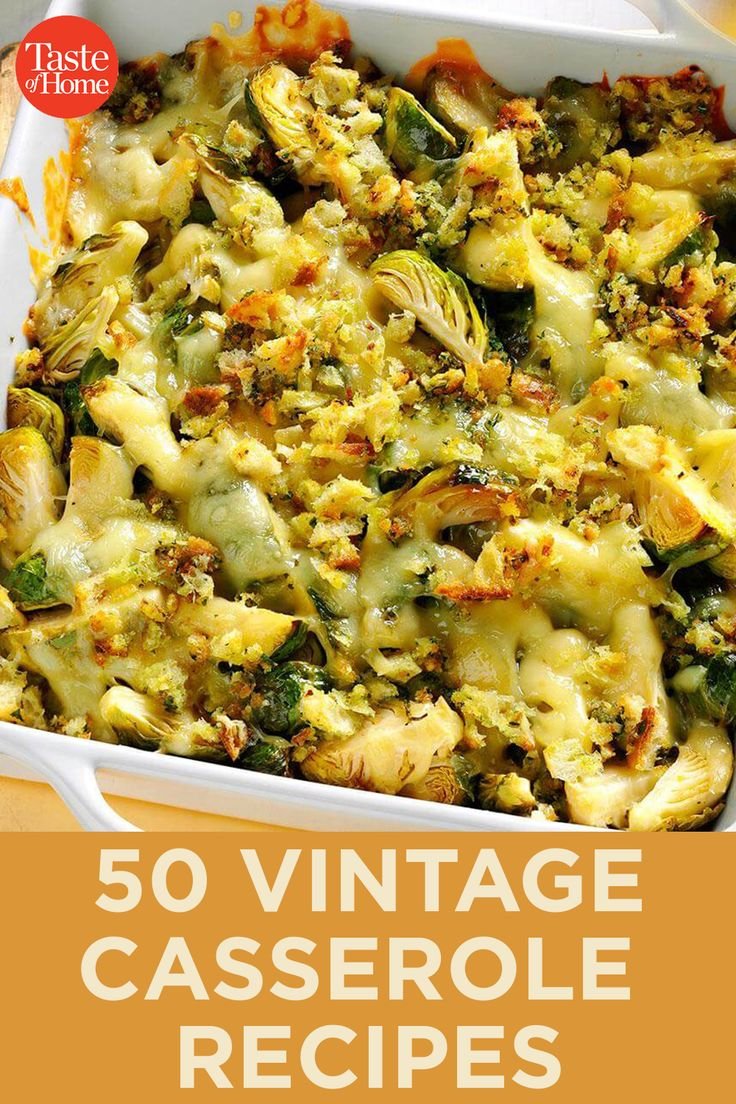
Homemade mac and cheese is made by cooking pasta, preparing a smooth cheese sauce, combining the two, and baking or serving it warm. The best results come from balanced cheese, proper sauce texture, and careful cooking heat.
In the United States, homemade mac and cheese is a familiar comfort meal found on family dinner tables, holiday menus, and casual weeknight plates. The dish works because it combines simple pantry foods like pasta, milk, butter, and cheese into a warm meal with a rich texture.
A reliable homemade mac and cheese recipe depends less on complicated steps and more on small choices. The pasta needs the right texture, the sauce needs enough moisture, and the cheese needs gentle heat to melt without becoming grainy. Understanding these steps helps home cooks adjust the recipe for different tastes and needs.
Source: mumble.nationalgeographic.com
What Makes Homemade Mac And Cheese Different
Homemade mac and cheese gives cooks control over ingredients, texture, and flavor. Unlike many ready-made versions, a homemade dish can be adjusted with different cheeses, seasonings, and cooking methods.
The basic structure has three parts: pasta, cheese sauce, and optional toppings or additions. Each part affects the final result. Pasta provides the base, sauce creates creaminess, and toppings add texture when the dish is baked.
Source: homemade.ftempo.com
Pasta choice
Short shapes with curves or ridges hold more sauce, making them popular choices for creamy mac and cheese.
Cheese balance
Using a mix of cheeses can add flavor depth while helping create a smoother texture.
Cooking method
Stovetop versions focus on creamy sauce, while baked versions develop a firmer top layer.
The Role Of The Cheese Sauce
The cheese sauce is the heart of homemade mac and cheese. A classic sauce begins with a roux, which is a mixture of butter and flour that helps thicken milk. Cheese is added after the sauce base becomes smooth.
Heat control matters because very high temperatures can cause cheese proteins and fats to separate. Gentle heating helps the cheese blend into the sauce instead of turning oily or lumpy.
Smooth texture
A properly thickened sauce should coat pasta without becoming watery or stiff.
How To Make Homemade Mac And Cheese Step By Step
Making homemade mac and cheese is a simple process when each stage is handled carefully. The main goal is to build flavor while protecting the creamy texture.
Before starting, gather pasta, cheese, milk, butter, flour, salt, and seasonings. Preparing ingredients first makes it easier to control cooking time because cheese sauce can thicken quickly.
Source: aboutamom.com
Cook the pasta
Boil pasta until slightly firm. It will continue cooking if you bake it later or mix it with hot sauce.
Prepare the sauce base
Melt butter, add flour, then slowly whisk in milk to create a smooth thick sauce.
Add cheese carefully
Lower the heat before adding cheese to encourage smooth melting.
Combine and finish
Mix pasta with sauce and serve immediately or bake with a topping for extra texture.
Signs Your Cheese Sauce Is Ready
A finished cheese sauce should look smooth and glossy. It should cling to a spoon and cover pasta evenly. If it looks thin, it may need more time to thicken. If it becomes too thick, a small amount of milk can loosen it.
Correct consistency
The sauce should flow slowly but still coat the pasta.
Choosing Ingredients For Better Results
Ingredient choices shape the final flavor and texture of homemade mac and cheese. Small changes can create a lighter, richer, sharper, or milder dish.
There is no single correct cheese combination. The best choice depends on whether the goal is strong cheese flavor, extra creaminess, or a classic mild taste.
Source: channels.jipm-topics.com
Cheddar
Cheddar provides familiar cheese flavor and works well as a main ingredient.
Mozzarella
Mozzarella adds stretch and mild flavor but may need stronger cheese for balance.
Parmesan
Parmesan can add a salty, savory note when used in smaller amounts.
Milk choices
Whole milk creates a richer sauce, while lower-fat milk may produce a lighter texture.
Best Pasta Shapes For Mac And Cheese
Elbow macaroni is the traditional choice, but other short pasta shapes can work well. Shapes with curves, holes, or ridges help trap sauce so every bite has more flavor.
Good options
Shells, cavatappi, and other short shapes can hold creamy sauces effectively.
Common Homemade Mac And Cheese Problems And Fixes
Most mac and cheese problems happen because of sauce balance, cooking time, or heat. Understanding the cause makes it easier to fix the dish instead of starting over.
A creamy result requires enough liquid, properly melted cheese, and pasta that is not overcooked.
Source: animalia-life.club
Dry mac and cheese
The dish may need more sauce or may have absorbed moisture during baking. Adding warm milk can help restore creaminess.
Grainy cheese sauce
High heat can cause separation. Use lower heat and add cheese gradually.
Watery sauce
The sauce may need more thickening time or a better balance of flour and milk.
Bland flavor
Seasoning, cheese variety, and salt levels affect the final taste.
How To Prevent A Dry Baked Version
Baked mac and cheese often loses moisture because the oven continues cooking the sauce. Keeping extra sauce before baking and avoiding excessive baking time can help maintain a creamy texture.
Bake carefully
Bake only until heated through and the top reaches the desired texture.
Ways To Customize Homemade Mac And Cheese
Homemade mac and cheese can be changed without losing its basic character. Additions should support the creamy pasta base rather than overpower it.
Many variations come from adjusting texture, flavor, or nutrition goals. The right changes depend on the meal and the people eating it.
Source: homemade.ftempo.com
Add vegetables
Broccoli, peas, or roasted vegetables can add color and texture.
Add protein
Chicken, beans, or other proteins can turn mac and cheese into a fuller meal.
Change toppings
Breadcrumbs can create a crisp top layer for baked versions.
Making The Recipe Fit Your Meal
For a quick weekday meal, a stovetop version may be best because it requires less time. For gatherings or holidays, a baked version may work better because it can be prepared ahead and served warm.
Choose based on need
The best method depends on preparation time, texture preference, and serving situation.
Frequently Asked Questions
Q
Can homemade mac and cheese be made ahead of time?
Yes, homemade mac and cheese can be prepared ahead. For the best texture, keep extra sauce because pasta continues absorbing liquid while it sits.
Q
Why does my mac and cheese become dry after baking?
Baking removes moisture over time. Using enough sauce and avoiding overbaking can help keep the dish creamy.
Q
What cheese melts best for homemade mac and cheese?
Cheeses that melt smoothly can work well, especially when combined with flavorful cheeses. The best mixture depends on the desired taste and texture.
Q
Can I make mac and cheese without flour?
Yes, some recipes use other methods to create a creamy texture. Flour is simply one common way to thicken a traditional cheese sauce.
Q
How do I reheat homemade mac and cheese?
Reheat gently with a small amount of milk or sauce to replace moisture lost during storage.
✦ Wrapping Up
Conclusion
Homemade mac and cheese succeeds when simple ingredients are handled with care. The pasta, sauce, cheese, and cooking method all work together to create the final texture.
The most useful skill is learning how each step affects the dish. Once the basic method is understood, it becomes easier to create different versions for weeknight meals, family gatherings, or personal preferences.
💡 Key Takeaway
Start with a balanced cheese sauce, cook pasta slightly firm, and adjust moisture before serving to create a creamy homemade mac and cheese.
Quick, tasty microwave weight loss meals that fit busy schedules—balanced recipes, calorie tips, and meal plans to help you shed pounds without spending hours.