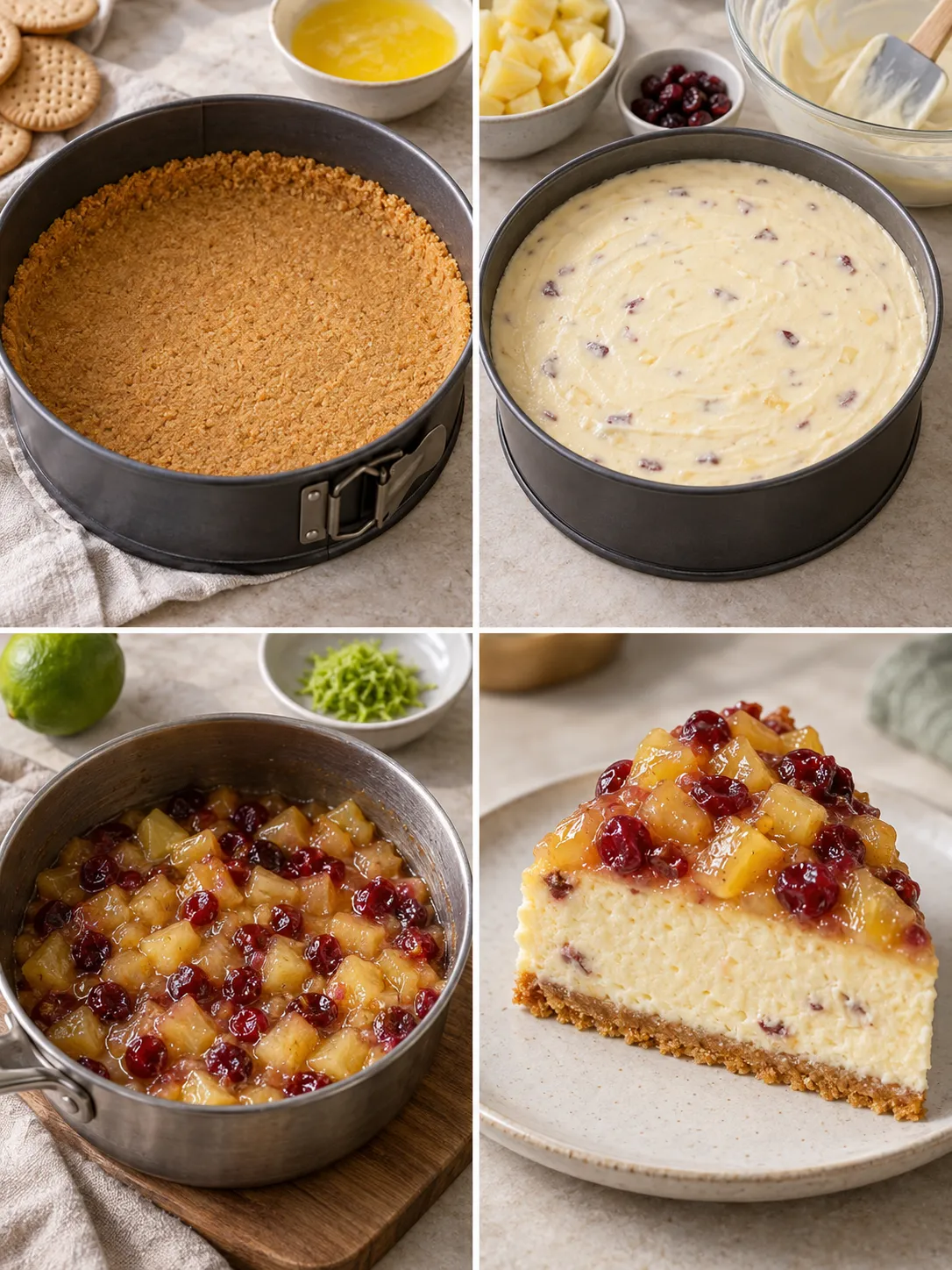
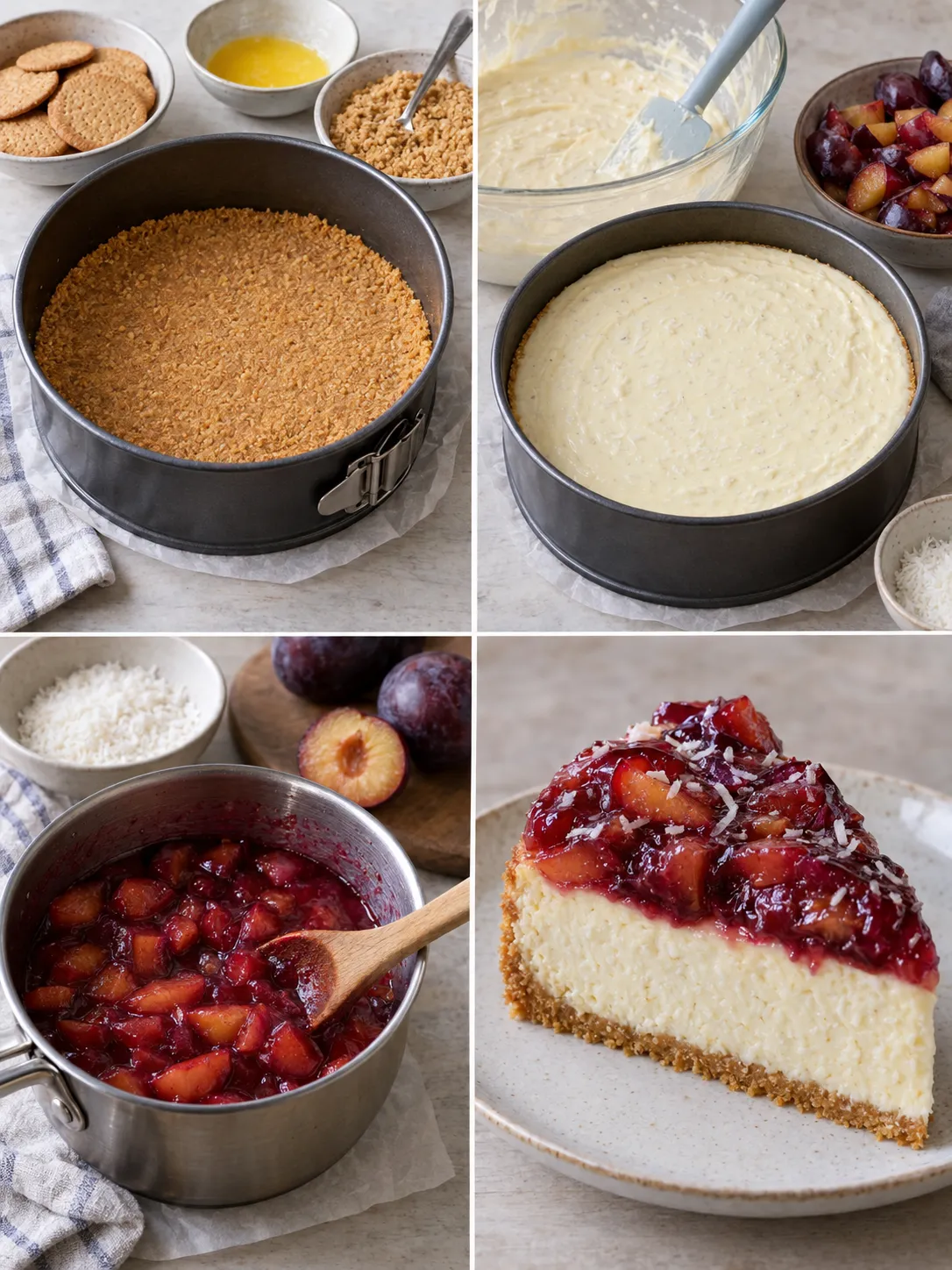
A homemade cheesecake recipe uses a simple combination of cream cheese, sugar, eggs, and a crust to create a rich dessert with a smooth texture when mixed gently and baked with care.
In the United States, cheesecake is a familiar dessert found on restaurant menus, holiday tables, and family gatherings. A homemade cheesecake recipe lets home bakers control the sweetness, texture, and toppings while using common kitchen ingredients.
The key to a successful cheesecake is not complicated technique. It depends on balanced ingredients, careful mixing, steady baking heat, and enough cooling time. Small choices, such as using room temperature cream cheese or avoiding overmixing, can change the final texture.
Source: myhomemaderecipe.com
What Makes A Homemade Cheesecake Recipe Work
A good cheesecake has three main parts: a crust, a creamy filling, and optional toppings. The crust provides structure, while the filling creates the soft, rich center that defines the dessert.
Traditional American cheesecake often uses cream cheese as the main ingredient. The cream cheese gives the dessert its dense but smooth texture. Sugar adds sweetness, eggs help the filling set, and flavor ingredients such as vanilla create balance.
The goal is a filling that is thick enough to hold its shape but soft enough to feel creamy when eaten. Overworking the batter can add too much air, which may cause the cheesecake to rise and fall unevenly.
Source: myhomemaderecipe.com
Cream cheese
Provides the main flavor and creamy structure of the cheesecake filling.
Eggs
Help the filling become firm after baking while keeping the center tender.
Sugar and flavorings
Balance the tangy taste of cream cheese and allow flavor variations.
Basic Ingredients You Need
A classic homemade cheesecake recipe usually needs cream cheese, granulated sugar, eggs, vanilla extract, and a crust made from crushed graham crackers, butter, and a small amount of sugar.
Before starting, prepare all ingredients and allow cold items to warm slightly. Soft cream cheese blends more easily and reduces the need for heavy mixing.
Ingredient temperature
Room temperature ingredients combine more evenly than cold ingredients.
How To Make A Homemade Cheesecake Step By Step
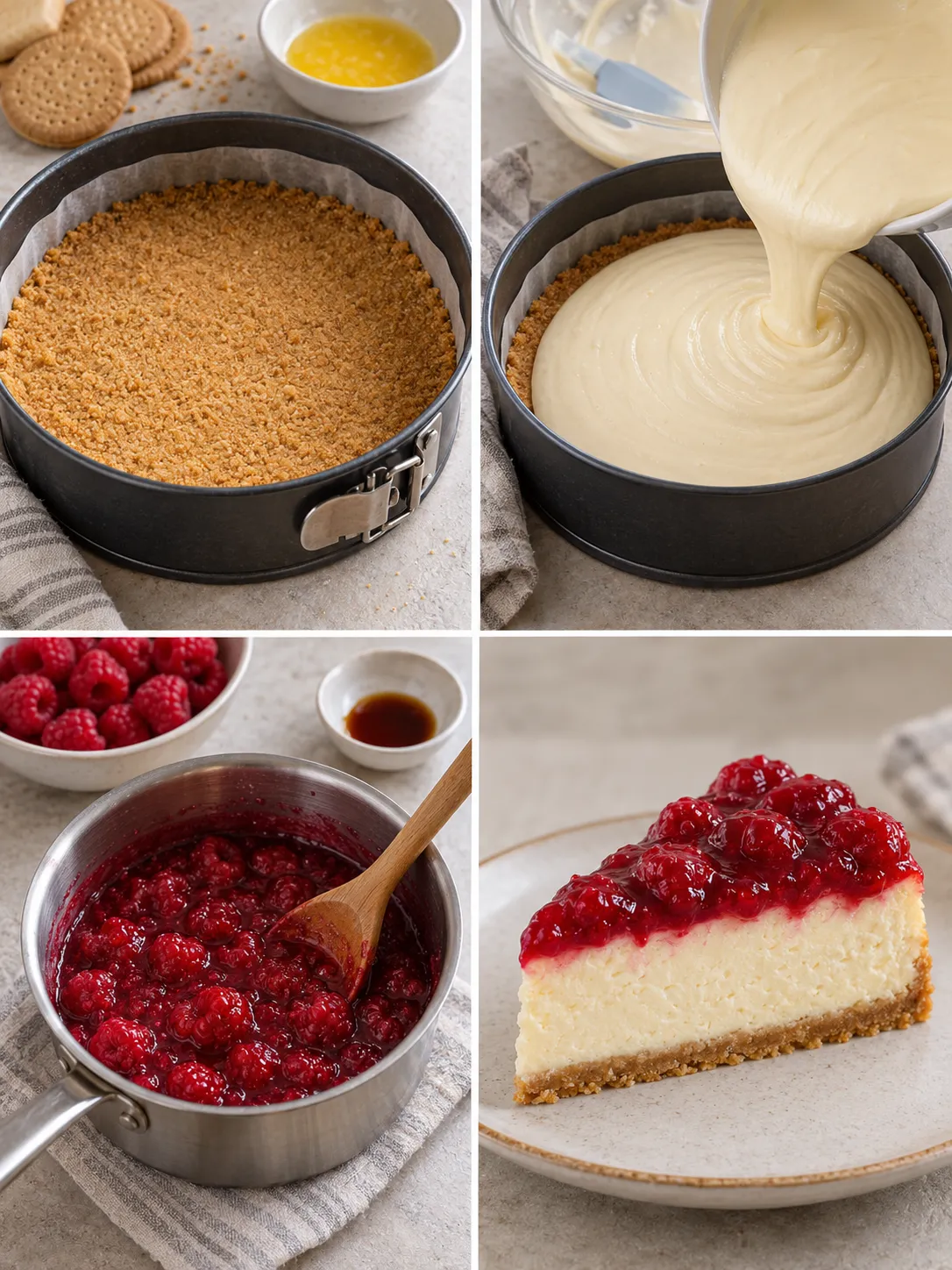
Making cheesecake at home works best when you follow the process in order. Prepare the crust first, make the filling second, then bake and cool the cheesecake slowly.
The exact baking time depends on the pan size, oven temperature, and recipe style. Instead of relying only on time, check the cheesecake by looking for a set edge and a slightly softer center.
Source: myhomemaderecipe.com
Prepare the crust
Mix crushed graham crackers with melted butter and press the mixture firmly into the pan.
Make the filling
Beat cream cheese and sugar until smooth, then add eggs and flavor ingredients carefully.
Bake and cool
Bake until the edges are set, then cool gradually before chilling.
Step 1: Build The Cheesecake Crust
A firm crust helps support the creamy filling. Press the crust evenly into the bottom of the pan so each slice has a consistent base.
A crust that is packed too loosely may crumble when sliced. A crust pressed too hard can become very firm, so use steady pressure without crushing it into a solid layer.
Crust texture
The crumbs should hold together but still have a tender bite.
Step 2: Mix The Filling Carefully
Start with softened cream cheese and mix until smooth. Add sugar gradually, then add eggs one at a time. Avoid mixing longer than needed after adding eggs.
A smooth filling should look thick and even without visible lumps. The batter should not look heavily foamy because extra air can affect the baked texture.
Mixing goal
Create a smooth batter while keeping unnecessary air out.
Step 3: Bake And Cool The Cheesecake
Bake the cheesecake until the outer area looks firm and the center still has a small movement when gently shaken. The filling will continue setting as it cools.
Cooling is a major part of the process. A cheesecake that is moved from high heat to cold temperatures too quickly may develop cracks or a less smooth texture.
Cooling method
Allow gradual cooling before placing the cheesecake in the refrigerator.
Common Cheesecake Problems And How To Fix Them
Most cheesecake problems have simple causes. Understanding the signs helps you adjust the method instead of guessing.
A cracked cheesecake is still safe to eat and can often be covered with fruit, sauce, or whipped cream. The appearance may change, but the flavor can remain excellent.
Source: myhomemaderecipe.com
Cracks on top
Often caused by overbaking, sudden cooling, or too much air in the batter.
Lumpy filling
Usually happens when cream cheese is too cold or not mixed enough before adding other ingredients.
Soft center
May need more chilling time or slightly longer baking depending on the recipe.
Why Did My Cheesecake Crack
Cheesecake cracks when the filling expands, dries, or contracts unevenly. Overbaking is one common cause because the edges become too firm while the center continues changing during cooling.
A water bath is sometimes used by bakers because it can create a moist baking environment and reduce sudden temperature changes. It is optional, but it can help with delicate cheesecakes.
Prevention
Avoid overmixing, avoid overbaking, and cool the cheesecake slowly.
Cheesecake Variations And Serving Ideas
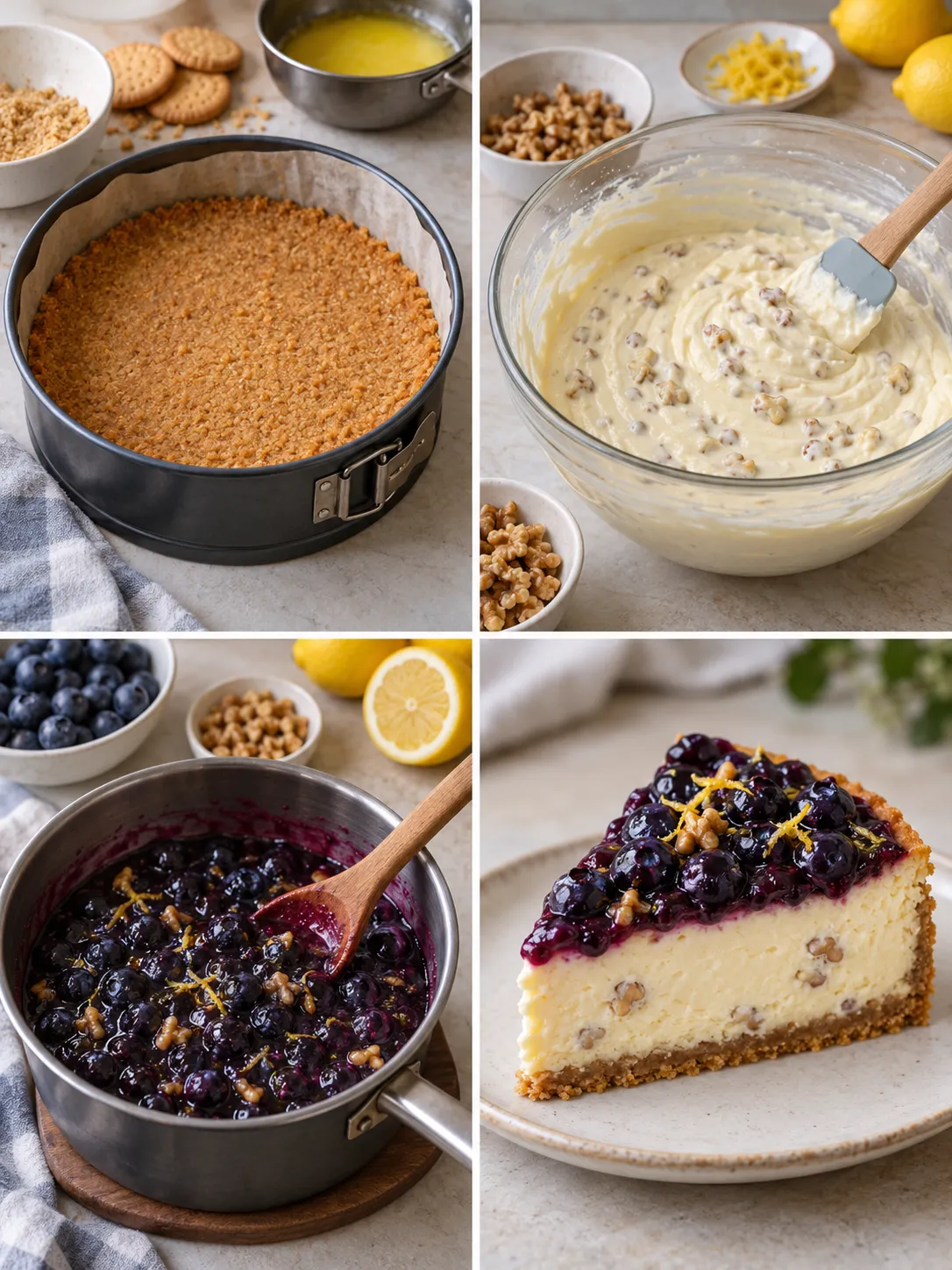
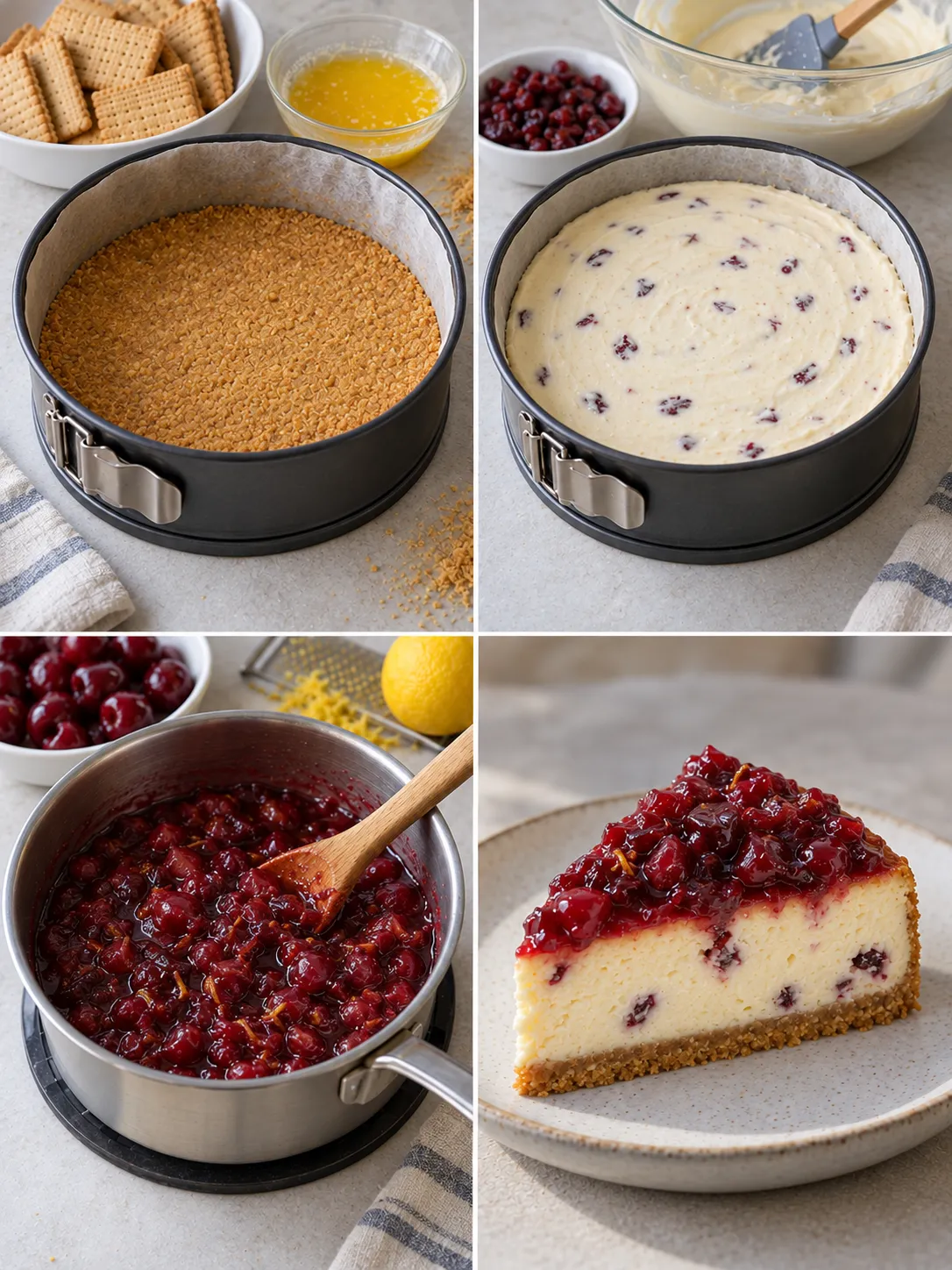
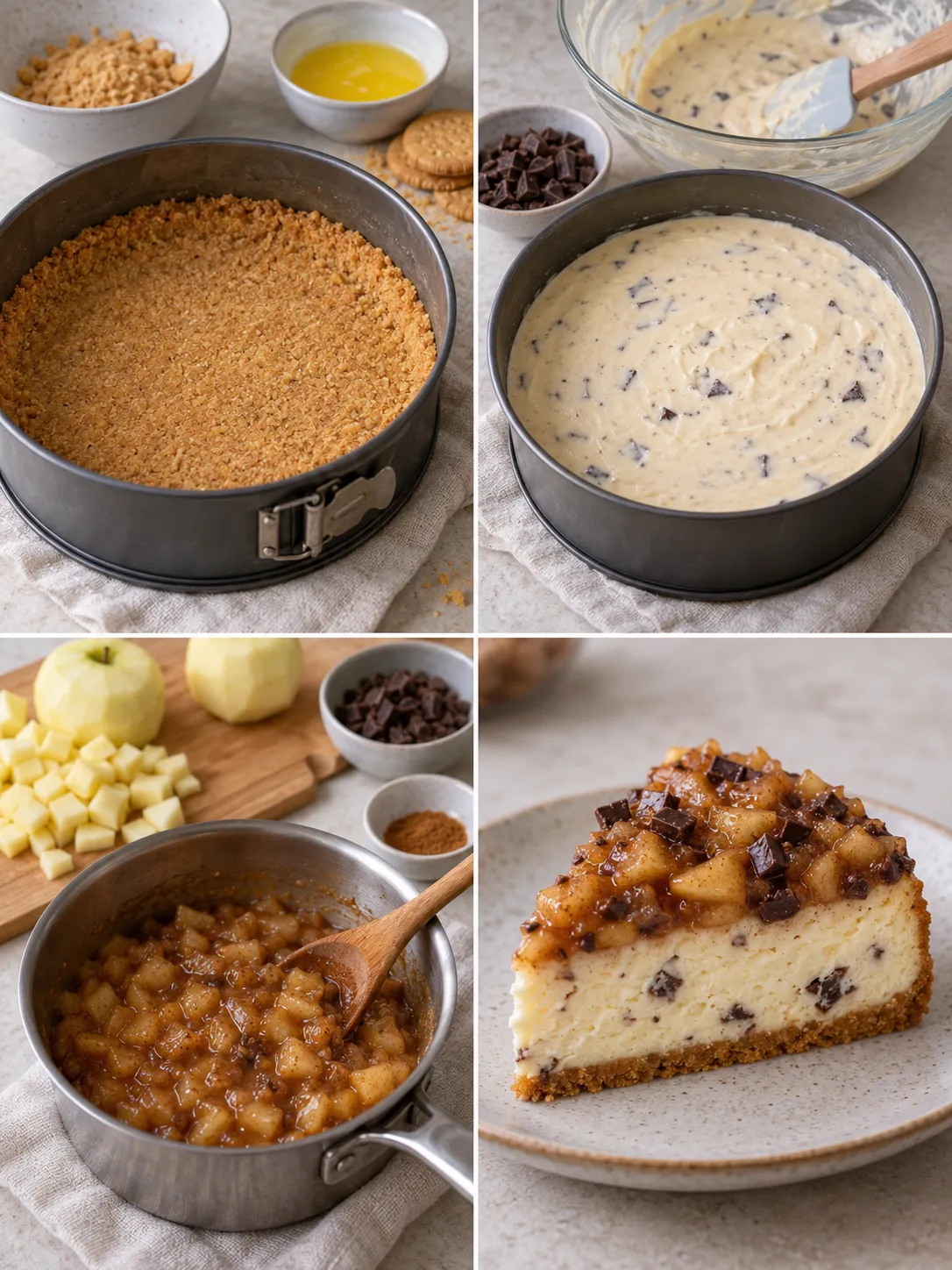
A basic homemade cheesecake recipe can be changed in many ways without changing the main method. Fruit, chocolate, spices, and sauces can create different versions for different occasions.
The best additions support the creamy flavor instead of covering it completely. Fresh fruit can add brightness, while chocolate or caramel can create a richer dessert.
Source: myhomemaderecipe.com
Fruit toppings
Berries, cherries, and citrus flavors pair well with the creamy filling.
Chocolate options
Chocolate pieces, cocoa, or chocolate sauce can create a deeper dessert flavor.
Seasonal flavors
Spices such as cinnamon can add warmth for holiday-style cheesecakes.
How To Store Homemade Cheesecake
Cheesecake should be stored covered in the refrigerator. Chilling helps maintain the texture and makes slicing easier.
For longer storage, cheesecake can usually be frozen in portions. Wrap slices well to reduce freezer moisture and thaw them in the refrigerator before serving.
Serving tip
Use a clean knife warmed with hot water and dried between slices for cleaner cuts.
Frequently Asked Questions
Q
How long should homemade cheesecake cool before serving?
Most cheesecakes need several hours of chilling before serving. Cooling allows the filling to firm and improves the final texture.
Q
Can I make cheesecake without a water bath?
Yes. A water bath is optional. Careful mixing, correct baking, and slow cooling can still produce a good cheesecake.
Q
Why is my cheesecake filling not smooth?
The most common cause is cold cream cheese or uneven mixing. Let ingredients warm slightly and combine them gradually.
Q
Can I freeze homemade cheesecake?
Yes. Cheesecake can be frozen when wrapped properly. Thaw it slowly in the refrigerator for the best texture.
Q
How do I know when cheesecake is done baking?
A finished cheesecake usually has firm edges and a center that still has a small gentle movement. It will continue setting as it cools.
✦ Wrapping Up
Conclusion
A homemade cheesecake recipe becomes easier when you understand how each ingredient works. The process is less about complicated steps and more about patience, gentle mixing, and careful cooling.
With a reliable crust, smooth filling, and attention to baking signs, home bakers can create a cheesecake that is creamy, balanced, and ready for many occasions.
💡 Key Takeaway
Start with a classic cheesecake method, follow the temperature and cooling steps carefully, and adjust flavors only after mastering the basic recipe.