Bamboo cutting boards are eco-friendly and durable; plastic boards are cheaper and easier to sanitize.
I’ve worked with kitchen gear for years and tested dozens of boards. This guide on bamboo cutting board vs plastic cutting board breaks down safety, care, cost, and real-world use. Read on for clear advice, tested tips, and a simple buying guide to help you pick the best board for your kitchen.

Bamboo cutting board vs plastic cutting board: quick overview
Bamboo cutting board vs plastic cutting board each have clear pros and cons. Bamboo is a harder, plant-based option that often looks nicer in the kitchen. Plastic is lightweight, inexpensive, and simple to clean. Choose based on your priorities: knife care, hygiene, cost, or the planet.

Material and durability
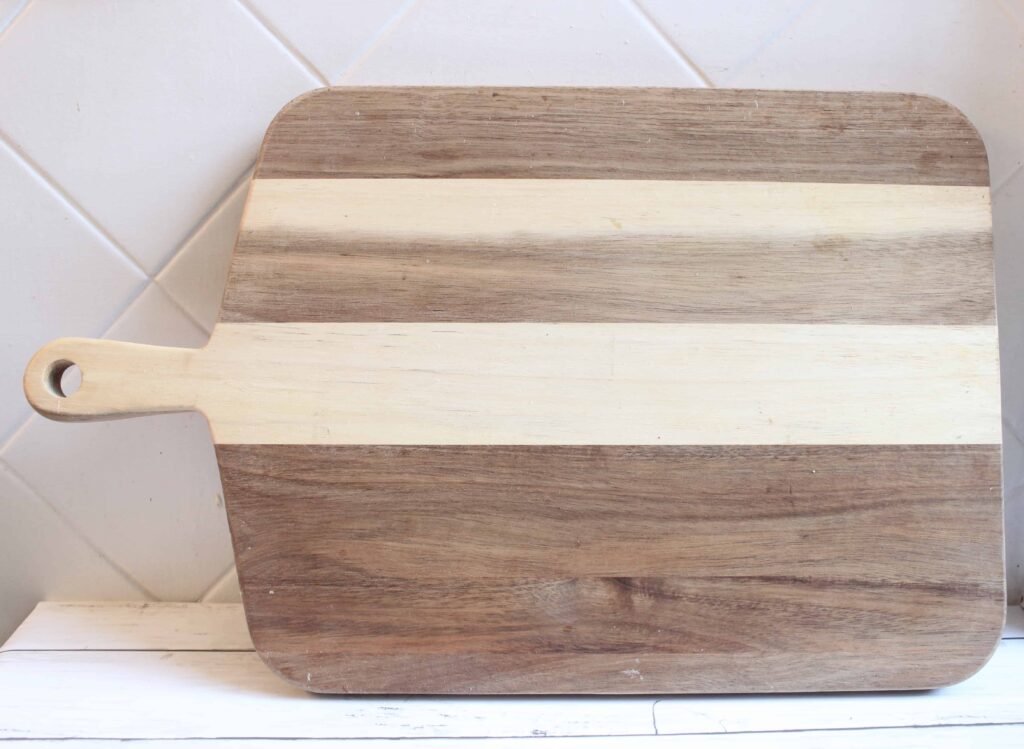
Bamboo cutting board vs plastic cutting board differ in what they are made of. Bamboo boards are made from pressed grass fibers or laminated slats. They are dense and resist deep cuts. Plastic boards are made from polyethylene or polypropylene. They can warp with heat and show knife marks over time.
What that means for durability:
- Bamboo stands up to heavy use and resists cracking if treated right.
- Plastic can last many years but may need replacing when grooves form.
- Deep grooves on either board trap bacteria, so replace or sand down when needed.

Knife friendliness and performance
Bamboo cutting board vs plastic cutting board behave differently under a knife. Bamboo is firmer than many hardwoods. It can dull knives faster than softer wood but less than glass or stone. Plastic gives slightly more "give," which can be gentler on blades.
Tips to protect your knives:
- Use lighter pressure on bamboo to avoid extra edge wear.
- Rotate where you cut to spread wear on both bamboo and plastic.
- Sharpen knives regularly; that helps both types of boards perform well.

Hygiene and food safety
Bamboo cutting board vs plastic cutting board offer different hygiene profiles. Plastic boards can be washed in a dishwasher at high heat. That kills most bacteria and viruses. Bamboo should be hand washed and dried quickly to avoid warping and mold.
Key hygiene points:
- Plastic is nonporous; deep cuts can still harbor bacteria.
- Bamboo is naturally antimicrobial to some degree, but not sterile.
- Sanitize plastic in the dishwasher or with diluted bleach when needed.
- Sanitize bamboo with hot water and gentle soap; avoid long soaking.
Maintenance and care
Bamboo cutting board vs plastic cutting board need different care habits. Bamboo needs oiling to stay healthy. Apply food-safe mineral oil once a month with regular use. Plastic needs little maintenance beyond regular cleaning and inspection.
Simple care routines:
- Bamboo: hand wash, dry upright, oil monthly, sand shallow grooves.
- Plastic: machine wash or hand wash with hot soapy water, replace when cut marks are deep.
- Both: never use harsh bleach regularly on bamboo, and never leave either board soaking.
Environmental impact
Bamboo cutting board vs plastic cutting board differ strongly on sustainability. Bamboo is a fast-growing grass that regrows quickly after harvest. It is renewable and biodegradable. Plastic is made from fossil fuels and can persist in landfills for decades.
Environmental considerations:
- Bamboo production uses less water and renews quickly.
- End-of-life for bamboo boards is simpler; many parts can break down.
- Plastic boards can be recycled in some areas, but most end up in waste.
- Choosing bamboo reduces reliance on petroleum-based materials.
Cost and value
Bamboo cutting board vs plastic cutting board come at different price points. Bamboo boards often cost more up front than basic plastic boards. Long term value depends on care and replacement cycles. A well-cared-for bamboo board can look and perform well for years. Low-cost plastic boards may need replacing more often if cut marks appear.
Buying tips:
- Spend a little more for thicker bamboo or food-grade plastic.
- Consider multiple plastic boards for raw and cooked foods to avoid cross-contamination.
- Factor in maintenance: oiling bamboo adds minor cost but extends life.
Personal experience and real-world tips
I have used both bamboo cutting board vs plastic cutting board in home and test kitchens. Bamboo looks great on a counter and holds up well with veggies and bread. Plastic was my go-to for raw meat because I could toss it in the dishwasher. I once kept a deep-cut plastic board too long and got a stubborn odor. Lesson learned: replace a board once grooves form.
Practical tips from my experience:
- Keep one board for raw proteins and another for produce.
- Use bamboo for prep and serving; use plastic when dishwasher sanitation is needed.
- If you cut a lot, buy two boards so each can dry fully between uses.
Buying guide: how to choose the right board
When choosing between bamboo cutting board vs plastic cutting board, ask simple questions. What do you cut most? Do you need dishwasher-safe? Is sustainability important? Answering those will guide your pick.
Checklist before buying:
- Intended use: proteins, veggies, or both.
- Size and thickness: thicker boards resist warping.
- Maintenance willingness: will you oil and hand-wash bamboo?
- Price range and replacement habits.
Which one should you choose?
Your choice between bamboo cutting board vs plastic cutting board depends on priorities. Pick bamboo if you want a sustainable, attractive board that lasts and you will care for it. Pick plastic if you need an affordable, dishwasher-safe board for raw meat and easy sanitation. Many home cooks benefit from owning one of each to match tasks.
Frequently Asked Questions of bamboo cutting board vs plastic cutting board
Is a bamboo cutting board better than a plastic cutting board?
Both have strengths. Bamboo is eco-friendly and durable; plastic is easy to sanitize and affordable.
Can you put a bamboo cutting board in the dishwasher?
No. Dishwashers can warp and crack bamboo. Hand wash and dry bamboo promptly.
Do plastic cutting boards harbor more bacteria than bamboo?
Plastic can be sanitized in dishwashers, which reduces bacteria. Deep cuts in any board can trap bacteria and should be replaced or cleaned.
How often should I oil a bamboo cutting board?
Oil a bamboo board about once a month with food-safe mineral oil if used often. Oiling prevents cracks and keeps the board looking fresh.
When should I replace my cutting board?
Replace any board when deep grooves form or smells persist. Deep cuts can hide bacteria and are hard to fully clean.
Are bamboo cutting boards hard on knives?
Bamboo is firmer than softer woods and can be slightly harder on blades than plastic, but it is gentler than stone or glass.
Conclusion
Bamboo cutting board vs plastic cutting board each serve clear roles in a smart kitchen. Bamboo wins on sustainability and looks, while plastic wins on dishwasher-safe sanitation and low cost. My practical advice is to keep both: use plastic for raw meat and bamboo for prep and serving. Try this split approach to get the best of both worlds. If you found this helpful, pick a board, test it for a month, and share your experience in the comments.