Best kitchen appliances for beginners: air fryer, Dutch oven, slow cooker, and a reliable hand mixer.
I remember how odd the first week in my new kitchen felt — pans, a few spices, and no clue which tools I really needed. If you are learning to cook, the right appliances save time and cut frustration. I’ll show you simple picks that teach basic skills, speed up meals, and build confidence so you enjoy cooking more from day one.

Air Fryer Cookbook: 600 Effortless…
No description found


The Ultimate Crock Pot Cookbook…
No description found
Air Fryer Cookbook

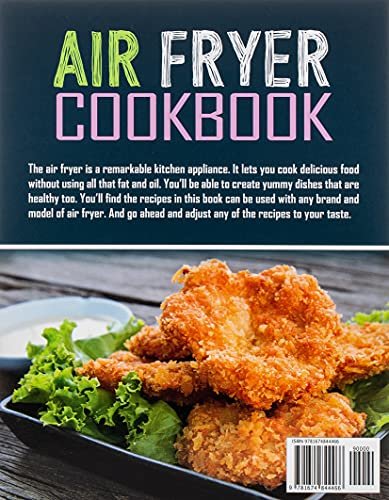
I keep this air fryer cookbook on my counter. The recipes are clear and use simple steps. It teaches how to use an air fryer fast. I used it to make weeknight dinners and snacks with little fuss.
The book fits both new cooks and more confident users who need fresh ideas. It includes times, temps, and easy swaps. I like the variety — from vegetables to proteins and desserts.
Pros:
- Clear, step-by-step recipes for air fryer beginners
- Wide range of dishes: snacks to meals
- Quick cooking times for busy nights
- Practical tips for common air fryer mistakes
- Helps build confidence with simple methods
Cons:
- Mostly geared to air fryers, not ovens
- Some recipes assume specific basket sizes
My Recommendation
If you just bought an air fryer, this cookbook is for you. I recommend it to anyone who wants quick wins while learning to use a new appliance. It pairs well with basic pantry staples and helps you learn time and temperature control. For people focused on fast, low-fuss meals, this is one of the best kitchen appliances for beginners resources I’ve used. The book is easy to follow and widely available.
| Best for | Why |
| Quick weeknight meals | Short cook times and simple steps |
| Snack lovers | Many crispy, low-oil recipes |
| New appliance users | Clear instructions and safety tips |
Dutch Oven Cookbook
This Dutch oven cookbook helped me learn braises, soups, and one-pot meals. The recipes use slow heat and simple ingredients. It shows how a single pot can make weeknight dinners and weekend roasts. I used it to prep meals and then trust the pot to finish the job.
The directions are safe for new cooks and say when to use low or medium heat. I found the timing easy to follow. It turns a heavy pot into a tool that teaches you patience and flavor building.
Pros:
- Great for one-pot, low-fuss meals
- Teaches slow cooking and layering flavors
- Reliable timings for new cooks
- Many recipes use pantry staples
- Works on stovetop and in oven
Cons:
- Requires a heavy Dutch oven to get full benefit
- Some recipes need longer cook times
My Recommendation
If you want to learn basic braising and stewing, this is a top pick. I recommend it to those who want sturdy, forgiving recipes that build skill. When you are learning, a Dutch oven is one of the best kitchen appliances for beginners because it teaches how heat and time create flavor. The cookbook’s clear steps make it easy to succeed. It’s a smart, long-term value for a starter kitchen.
| Best for | Why |
| Comfort meals | One-pot recipes build deep flavor |
| Slow cooks | Forgiving heat control and timing |
| Beginner cooks | Simple methods and staples used |
Crock Pot Cookbook
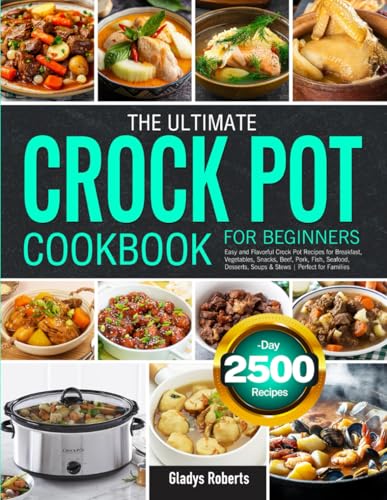
I learned slow-cooker basics from this crock pot cookbook. The recipes are simple and forgiving. They use low heat over hours to create tender meats and deep flavors. I found many family-friendly meals that cook while I work or run errands.
The book lists prep notes and timing for low and high settings. It helps with portioning and side ideas. With this guide, I consistently get set-and-forget meals that taste homemade.
Pros:
- Set-and-forget recipes for busy schedules
- Clear low/high timing for each dish
- Family-sized portions and meal ideas
- Good for soups, stews, and one-pot dinners
- Reduces hands-on cooking time
Cons:
- Not ideal for quick meals
- Some dishes can become overcooked if left too long
My Recommendation
For anyone who wants easy, low-effort meals, this crock pot book is a strong pick. I recommend it to parents, students, and anyone with a busy day. The crock pot is one of the best kitchen appliances for beginners because it removes timing stress and lets you learn safe low-heat cooking. The book’s clear steps make slow cooking approachable.
| Best for | Why |
| Busy families | Large portions and slow cooking ease |
| Meal prepping | Set-and-forget batch cooking |
| New cooks | Simple steps and forgiving dishes |
Hand Mixer with Bowls

This handheld mixer set is a kitchen workhorse for beginners. It comes with nested bowls and measuring tools, so you have the basics from the start. The mixer has five speeds and steady power for batters and whipped cream. I found it easy to store and simple to clean.
It helps teach mixing speeds and timing for baking and sauces. I used it to make quick bread doughs, cake batter, and pancake mixes. The included bowls make it faster to prep and serve from the same set.
Pros:
- Compact and easy to store
- Five speeds for precise control
- Comes with nesting bowls and measuring tools
- Good power for everyday mixing tasks
- Affordable and beginner-friendly
Cons:
- Not as powerful as stand mixers for heavy dough
- Plastic parts may show wear over time
My Recommendation
If you want to start baking, this hand mixer set is a practical choice. I recommend it to people who need a simple, low-cost tool to learn mixing techniques. A hand mixer is among the best kitchen appliances for beginners for learning speed control and mixing without large equipment. It’s a great starter kit for cakes, cookies, and quick breads.
| Best for | Why |
| Home bakers | Good control for batters and creams |
| Small kitchens | Compact and easy to store |
| Cost-conscious buyers | Affordable with included bowls and tools |
Bread Illustrated

Bread Illustrated is like a class on home bread baking. The photos and steps break down each stage. It taught me how to judge dough feel, proof times, and oven spring. I used it to move from boxed mixes to real, crusty loaves.
The book covers basic loaves and starter techniques. It explains oven setup and timing in plain terms. For anyone who wants to learn bread, it’s a solid, visual guide.
Pros:
- Detailed step-by-step photos
- Teaches dough feel and timing
- Works for beginners and advancing bakers
- Explains tools and oven tips clearly
- Helps you avoid common mistakes
Cons:
- Some recipes assume specific ovens
- Learning full techniques takes practice
My Recommendation
For people who want real bread skills, this book is worth it. I recommend it to anyone serious about mastering basics like kneading and proofing. Making bread builds a strong foundation and confidence in the kitchen. Bread Illustrated pairs well with other starters and is one of the best kitchen appliances for beginners guides for learning tactile skills. It’s an investment in skill rather than speed.
| Best for | Why |
| Beginning bakers | Visual steps make complex tasks simple |
| Skill builders | Focus on technique over speed |
| Home cooks who love baking | Produces bakery-style results at home |
Expert Tips for Choosing the Best Kitchen Appliances for Beginners
I’ve tested dozens of starter tools and I keep a short list of must-haves. Start with one appliance that matches how you cook. If you want fast meals, pick an air fryer. If you love hands-off cooking, pick a slow cooker or Dutch oven. My goal is to help you pick tools that teach basic skills and give big results.
When I recommend appliances, I look for three things: ease of use, reliability, and clear learning resources. Manuals and cookbooks are often the best teacher for beginners. I also value compact items that won’t clutter a small kitchen. You will learn faster with gear that is forgiving and straightforward.
Budget matters. You don’t need a premium tool to learn. I often suggest entry-level models that are sturdy and have warranty support. Replaceable parts and basic settings keep learning simple. In 2026, many models include simple digital timers and auto-shutoff, which are great safety features for new cooks.
Practice matters more than gear. I encourage short, repeatable recipes. Make the same simple roast or batch of muffins multiple times. Each repeat teaches timing, feel, and small tweaks. This approach turns appliances into teachers and builds real skill.
How I Use These Appliances in My Starter Kitchen
I create a weekly loop. Two nights use the air fryer. One night is slow-cooked stew. Weekend bread or Dutch oven roasts build skill and reward. The hand mixer handles desserts and quick batters. This loop kept my cooking simple and varied when I started. I still use the same strategy now.
Keep a small notebook. I write temps, times, and tweaks after each cook. This habit cut my mistakes by half. It also helped me match recipes to my appliance sizes. I use small adjustments to scale recipes or timing for my tools, which is a practical habit every beginner should learn.
Shopping Checklist: What to Look For
Look for clear controls and strong manuals. Avoid models with too many little options that confuse you. Pick sizes that match your household. Check warranty and replacement parts. Read real user reviews that explain how an item performs after months of use. Trust your gut — buy a tool you feel you will actually use.
Value is not the lowest price. I often pick mid-range tools with better support and simple features. They last longer and teach better. That saves money and time in the long run. When I buy for a beginner, I favor simplicity and proven design over novelty features.
Maintenance Tips I Swear By
Clean appliances after each use. Wipe crumbs and dry parts well. Follow the manual for safe cleaning of nonstick or enamel surfaces. Replace filters or parts on schedule if the appliance has them. Regular care keeps your tools working and reduces frustration.
Store gear where you will reach it. If an appliance is buried in a cabinet, you won’t use it. Keep one or two items on the counter. That small habit increases use and speeds learning. I learned that out of habit and it changed how often I cooked at home.
FAQs Of best kitchen appliances for beginners
What’s the best first appliance for a new cook?
Start with an air fryer or slow cooker. Both are forgiving and teach basic timing. They cut learning time and reduce wasted meals. I recommend the air fryer for fast meals and the slow cooker for hands-off cooking.
Do I need a Dutch oven if I have a slow cooker?
Yes, if you want searing and oven braises. A Dutch oven adds flavor from browning and works on the stovetop and oven. I use both. The crock pot is for set-and-forget; the Dutch oven is for flavor building.
Is a hand mixer enough for baking?
Yes for most beginner baking tasks. A hand mixer handles batters, whipped cream, and small doughs. For heavy doughs, a stand mixer is better. I started with a hand mixer and upgraded later.
How many appliances should a beginner buy?
Start with two to three staples. Pick one for quick meals and one for slow or skill-building cooking. Add tools as you grow. I advise starting small to avoid clutter and to learn each tool well.
How do I choose the right size for an appliance?
Choose based on household size and storage space. Small models work for one to two people. Family-sized models suit larger homes. I match the size to how often I cook and how many people I feed.
Final Verdict: Which Should You Buy?
For most beginners, an air fryer and a reliable cookbook are the fastest path to success. They teach timing, texture, and simple swaps. A slow cooker or Dutch oven adds hands-off and flavor-building skills, while a hand mixer covers baking basics.
Pick one or two items that match your cooking goals. With these starter tools, the best kitchen appliances for beginners will help you cook more, learn faster, and enjoy the process.