Best Knives For Home Kitchens: Top Picks & Buying Guide
Top compact chef and block sets are the best knives for home kitchens today.
You stand over a dull blade and a stubborn tomato. The onion tears at your eyes and your wrist aches from awkward cuts. The right knife turns that frustration into calm. I’ve tested many blades in real kitchens. I’ll show what makes the best knives for home kitchens reliable, safe, and joyful to use.
| Product | Best For | Material | Pieces | Price |
|---|---|---|---|---|
| Astercook 21-Piece Set | Busy families, new cooks | German stainless steel | 21 | Check price |
| Brewin Kitchen Knife Set | Apartment cooks, budget | Stainless steel | Compact set | Check price |
| Martha Stewart 14-Piece Set | Entertainers, gift buyers | High-carbon stainless steel | 14 | Check price |
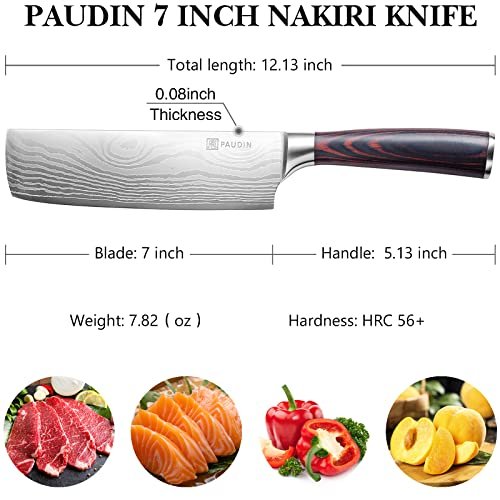
| PAUDIN 7″ Nakiri | Vegetable-focused prep | High-carbon stainless steel | 1 | Check price |
| Matsato 6.3″ Chef Knife | Small kitchens, control | Japanese steel | 1 | Check price |
| Home Hero 16-Piece Set | Meal preppers, families | High-carbon stainless steel | 16 | Check price |
| Victorinox Fibrox Pro 8″ | Single-knife buyers | High-carbon stainless steel | 1 | ~$45–49 |
| Victorinox Paring Knife | Detail work | Stainless steel | 1 | Check price |
| Victorinox Honing Steel | Blade maintenance | Stainless steel | 1 | Check price |

TOP PICK
Knife Set, Astercook 21 Pieces…
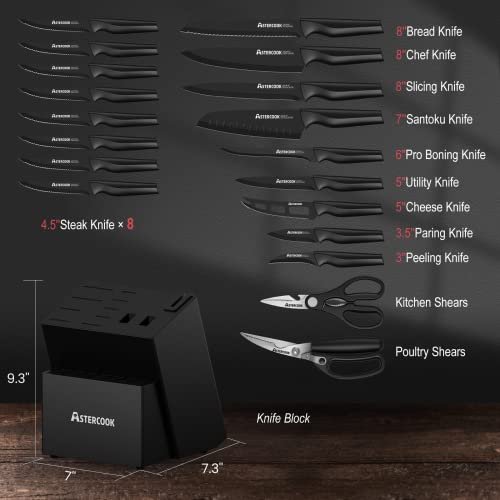
【All In One Value Knife Set】 21 pieces knife set includes: 8″ chef knife, 8″ slicing knife, 7″ santoku knife, 8″ serrated bread knife, 5″ utility knife, 3.5″ paring knife,…

BEST QUALITY
Knife Set, Brewin Kitchen Knife…
PERFECT ALL-IN-ONE SET – Brewin kitchen knife set includes 1 x 8” chef knife, 1 x 8” slicing knife, 1 x 8” bread knife, 1 x 5” utility knife, 1…

RECOMMENDED
MARTHA STEWART Eastwalk 14 Piece…
The Complete Knives Set for your Kitchen: One 8-inch chef’s knife, one 7-inch santoku knife, one 8-inch bread knife, one 5-inch utility knife, one 3.5-inch paring knife, six 4.5-inch steak…
Astercook 21-Piece Knife Set
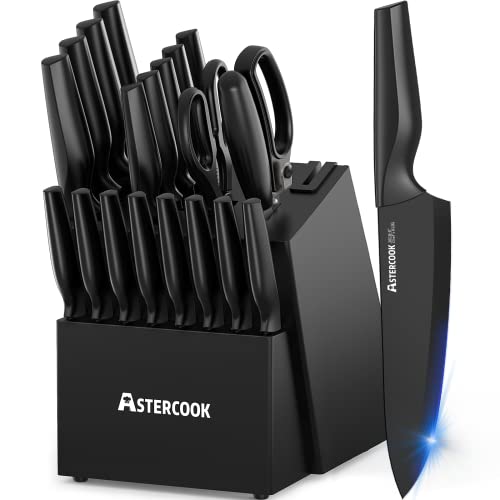
I found the Astercook 21-piece set to be a complete starter solution. The set includes chef, paring, bread, utility knives, and a block with a built-in sharpener. The handles feel modern, and the blades stay useful for everyday chopping. It is aimed at households that value convenience and variety.
These knives are German stainless steel with a matte black finish. I used them on vegetables, meat, and bread. They resist stains and handle regular home use. The built-in sharpener keeps edges working without needing separate tools.
Pros:
- Comprehensive 21-piece collection covers most kitchen tasks.
- Built-in sharpener keeps knives serviceable with little fuss.
- Dishwasher-safe claim and easy to rinse quickly.
- Comfortable handles reduce hand fatigue during prep.
- Attractive black block looks great on a modern counter.
Cons:
- Some blades arrive needing a light tune-up for peak sharpness.
- Block takes counter space; not ideal for tiny kitchens.
- Sharpening slots can be aggressive if overused.
My Recommendation
I recommend the Astercook 21-piece set for families and new cooks who want a full range of blades without hunting for single pieces. The built-in sharpener is a huge convenience when you want the best knives for home kitchens ready at a moment’s notice. If you cook several times a week, this set minimizes fuss. It holds value as an all-in-one starter kit that looks tidy on the counter.
| Best for | Why |
| Busy families | Multiple knives cover varied cooking tasks quickly. |
| New cooks | No guesswork—everything needed is in the block. |
| Counter-conscious buyers | Built-in sharpener keeps extra tools off the counter. |
Brewin Kitchen Knife Set

The Brewin set focuses on essential knives and a compact block. I found the selection practical for apartment cooks. The set includes a chef’s knife, utility knife, paring knife, and kitchen shears. It balances affordability with everyday performance.
Blades came reasonably sharp out of the box and held an edge through routine chopping. The handles are ergonomic for long prep sessions. I used the set for salads, sandwiches, and roast trimming without issue. For many, Brewin hits the sweet spot for value.
Pros:
- Compact block fits small counters and apartments.
- Good edge retention for weekly home use.
- Dishwasher-safe design when you need quick cleanup.
- Comfortable grip reduces slipping during prep.
- Simple set minimizes clutter while covering key tasks.
Cons:
- Not as heavy-duty as premium forged knives.
- Limited specialty knives like boning or santoku included.
- Shears can dull faster than expected with heavy use.
My Recommendation
I suggest the Brewin Kitchen Knife Set to apartment dwellers and minimalist cooks who want the best knives for home kitchens without the excess. Its compact profile saves space and gives a reliable trio of blades for daily meals. I love the balance: affordability with practical performance. If you need a set that performs well and tucks away, Brewin earns its spot.
| Best for | Why |
| Apartment cooks | Compact block saves counter space. |
| Budget shoppers | Solid performance at a friendly price. |
| Simple kitchens | Covers essentials without clutter. |
Martha Stewart 14-Piece Set

The Martha Stewart 14-piece block set blends style and everyday function. High-carbon stainless steel blades offer better edge retention. The acacia wood block adds a warm, natural look to my countertop. Handles are triple-riveted for a classic feel.
I used this set for weekend meal prep and weeknight cooking. The knives sliced cleanly through vegetables and roasted meats. They stay sharp with routine honing. The set feels like an upgrade from basic store-brand knives.
Pros:
- High-carbon stainless steel improves durability and edge life.
- Triple-riveted forged handles offer a secure, traditional grip.
- Acacia wood block looks premium on the counter.
- Balanced weight makes slicing smoother and more consistent.
- Good mix of blades for a wide range of tasks.
Cons:
- Wood block requires occasional oiling and care.
- Higher price point than entry-level sets.
- Not all blades are full-tang forged; some feel lighter.
My Recommendation
I recommend the Martha Stewart 14-piece set if you want the best knives for home kitchens that also add style. The high-carbon stainless steel gives better edge retention than many mass-market sets. It is ideal for home cooks who value both looks and solid performance. If you entertain or cook often, this set delivers consistent results and a classy presentation.
| Best for | Why |
| Entertainers | Looks great for dinner prep and serving. |
| Home cooks upgrading | High-carbon steel improves edge life. |
| Gift buyers | Premium feel makes a strong gift pick. |
PAUDIN 7″ Nakiri Cleaver

The PAUDIN 7″ Nakiri is a razor-sharp vegetable cleaver. It is crafted from high-carbon stainless steel and has an ergonomic handle. I used it for herbs, greens, and denser veg like squash. It excels at push-cut and rocking techniques.
This nakiri offers a thin, precise blade for clean cuts and minimal cell damage. The balance is excellent and I found it comfortable for extended prep. It is a favorite when I want fast, even dicing and thin slicing. The blade holds an edge well with light honing.
Pros:
- Thin, razor-sharp blade excels on vegetables and herbs.
- High-carbon stainless steel balances sharpness and corrosion resistance.
- Comfortable ergonomic handle reduces hand strain.
- Great for fast, precise chopping and push cuts.
- Multipurpose design also handles light boning and trimming.
Cons:
- Not intended for heavy cleaving through bone.
- Thin edge requires careful storage to avoid chips.
- May feel narrow for users who prefer wider chef blades.
My Recommendation
I recommend the PAUDIN 7″ Nakiri for cooks who want one of the best knives for home kitchens focused on vegetables and precision work. It shines at fast prep and keeps produce looking fresh. If you often make stir-fries, salads, or fine garnishes, this blade saves time and improves presentation. I pair it with a sturdy chef’s knife for heavier tasks to cover all bases.
| Best for | Why |
| Vegetable enthusiasts | Thin blade gives clean slices and quick dicing. |
| Home chefs focused on speed | Ergonomic design helps long prep sessions. |
| Precision cooks | Holds an edge for fine slicing and garnishing. |
Matsato 6.3″ Chef Knife

The Matsato 6.3″ chef knife is compact but powerful. Japanese steel and balanced geometry make it nimble in my hand. It’s ideal for cooks who want control and speed. I used it for fine chopping, mincing, and slicing proteins.
This short chef is useful when a long blade feels unwieldy. It maneuvers easily around bones and pans. The balance reduces wrist fatigue and improves accuracy. If you value control and finesse, this blade is a compact workhorse.
Pros:
- Compact size provides superb control and agility.
- Japanese steel offers a sharp, long-lasting edge.
- Great for precision cuts in tight pans or small prep spaces.
- Balanced weight feels comfortable for fast chopping.
- Suitable for both vegetables and smaller protein tasks.
Cons:
- Shorter length limits reach for large roasts or melons.
- May not satisfy cooks who prefer a heavy Western chef knife.
- Edge maintenance is needed to keep its sharp profile.
My Recommendation
I recommend the Matsato 6.3″ chef knife for cooks who prioritize the best knives for home kitchens that offer control and speed. It shines in small kitchens and for everyday meals where a long blade is clumsy. I often reach for this knife for herbs, chicken breasts, and quick mise en place. Pair it with a larger chef’s knife for big jobs, and you have a versatile combo that covers nearly all home needs.
| Best for | Why |
| Small kitchens | Compact blade fits tight prep areas. |
| Control-focused cooks | Short length improves precision and technique. |
| Everyday chefs | Versatile for most routine tasks. |
Home Hero 16-Piece Knife Set

The Home Hero 16-piece set aims for balance between everyday needs and thoughtful extras. High-carbon stainless blades and a wooden block make it practical and pleasant to own. The set includes scissors and a built-in sharpener for easy edge care. I relied on it for weeknight dinners and bulk meal prep.
Blades cut cleanly on produce and proteins after a little initial honing. Handles are ergonomic and feel secure in wet hands. The block organizes the set and keeps edges safe. For many home cooks, this set offers durable performance with helpful extras.
Pros:
- High-carbon stainless blades for solid edge life.
- Includes kitchen scissors and built-in sharpener for convenience.
- Wooden block keeps knives protected and organized.
- Ergonomic handles provide a secure grip when hands are wet.
- Good mix of specialty knives for varied tasks.
Cons:
- Block footprint is sizable for very small counters.
- Some users prefer full-tang forged construction for longevity.
- Built-in sharpener can wear edges unevenly if overused.
My Recommendation
I recommend the Home Hero 16-piece set for families and cooks who want the best knives for home kitchens without buying specialized blades separately. It balances everyday practicality with useful extras like scissors and a sharpener. If you cook multiple meals a week or prep large batches, this set keeps you organized and ready. The value lies in its combination of performance and convenience.
| Best for | Why |
| Meal preppers | Extra tools speed up large prep sessions. |
| Busy families | Durable set handles frequent use. |
| Value seekers | Good performance without high cost. |
Victorinox Fibrox Pro 8″ Chef’s Knife
For readers who want one excellent knife instead of a full set, the Victorinox Fibrox Pro 8″ is the single chef’s knife most consistently recommended across major kitchen-tool reviews — and it’s also the knife most commonly issued to first-year culinary students, since programs need something that sharpens easily and survives being learned on.
I used it for everyday chopping, mincing, and breaking down proteins. It held a working edge through a full week of regular home cooking before needing a hone. It won’t have the heft of a forged German knife or the edge retention of a premium Japanese blade, but at roughly $45–49 it consistently outperforms knives sold at two to three times the price.
Pros:
- Exceptional value for the price
- Very light, reduces hand fatigue during long prep sessions
- Textured handle stays grippy even with wet hands
- Easy to sharpen and maintain — a real advantage for anyone still learning
- Dishwasher-safe, though hand-washing is still better long-term
Cons:
- Softer steel dulls faster than premium Japanese blades (a quick hone fixes this)
- Basic plastic handle, not a wood-handled or forged aesthetic
- Sold as a single knife — no block or companion pieces
Skip this if: you want a full matching set out of the box, or you prefer the heavier, forged feel of a traditional German chef’s knife over a lighter stamped blade.
My Recommendation I recommend the Fibrox Pro for cooks who want one dependable chef’s knife rather than a full set, culinary students who need something that’s easy to keep sharp while learning technique, or as the daily workhorse to pair with a specialty blade like the PAUDIN Nakiri above.
Best For / Why:
- Single-knife buyers — covers nearly all daily tasks without a full set
- Culinary students and knife-skills beginners — cheap to replace, easy to sharpen, forgiving of learning mistakes
- Budget-conscious upgraders — professional-grade cutting performance at a low price
Victorinox 3.25″ Swiss Classic Paring Knife
A chef’s knife handles most cutting tasks, but small, precise jobs — deveining shrimp, hulling strawberries, mincing garlic, trimming fat — call for a paring knife. The Victorinox 3.25″ Swiss Classic is the same brand and construction quality as the Fibrox Pro above, stamped from a single piece of steel and taper-ground for a sharp, low-resistance edge.
Pros:
- Excellent control for detail work
- Lightweight and easy to maneuver
- Dishwasher-safe, NSF-approved
- Inexpensive enough to buy two or three for a kitchen with multiple cooks
Cons:
- Not a substitute for a chef’s knife on bigger tasks
- Small handle may feel cramped for very large hands
Skip this if: your existing set already includes a paring knife you’re happy with — this is a fill-in-the-gap pick, not a replacement for the sets above.
My Recommendation Add this if none of your current sets include a paring knife you trust, or if you want a dedicated one to keep separate from a shared knife block.
Victorinox 10″ Honing Steel
None of the knives above will stay sharp without maintenance, and honing is the single most-skipped step in home knife care. A honing steel doesn’t sharpen a blade — it realigns the microscopic edge that bends out of true with normal use, which is why running a knife across one for a few seconds before cooking keeps it cutting cleanly between actual sharpenings.
Pros:
- Extends time between full sharpenings
- Takes seconds to use once you know the angle
- Swiss-made with a lifetime guarantee against defects
Cons:
- Doesn’t replace real sharpening — a very dull knife still needs a whetstone or professional service
- Takes a little practice to hold the correct angle consistently
My Recommendation Pair this with any knife on this page. A $15–20 honing steel used weekly will do more for blade performance than any single “premium” knife purchase.
What to Look for When Buying Kitchen Knives
Types of Kitchen Knives, Explained Most kitchens only need a handful of the many knife types available. Here’s what each one is actually for:
- Chef’s knife (8″ is standard): the main workhorse for chopping, slicing, dicing, and mincing — handles roughly 90% of everyday cutting tasks.
- Santoku: a shorter, flatter Japanese-style all-purpose knife, good for a straight up-and-down chopping motion rather than a rocking cut.
- Nakiri: a rectangular, straight-edged blade built specifically for vegetables — cuts straight down through produce without the curved rocking motion a chef’s knife uses.
- Paring knife: a short (3–4″) blade for peeling, trimming, and detail work too small for a chef’s knife.
- Utility knife: a mid-size blade (5–7″) between a chef’s knife and a paring knife, useful for sandwiches, small fruits, and produce that’s awkward for either extreme.
- Bread knife: a long serrated blade that saws through crusty bread and delicate cakes without crushing them.
- Boning/fillet knife: a thin, flexible blade for separating meat from bone or skinning fish — not a beginner-essential unless you regularly break down whole cuts.
- Cleaver: a heavy, wide blade for cutting through bone and dense cuts of meat — a specialty tool, not a daily-use knife for most home cooks.
- Steak knife: a small serrated or straight-edge knife used at the table, not for prep.
For most home cooks, a chef’s knife, paring knife, and bread knife cover the large majority of tasks — everything past that is added convenience, not necessity.
Blade Steel and Hardness Most home kitchen knives are made from high-carbon stainless steel, which balances sharpness with rust resistance. Steel hardness is measured on the Rockwell C scale (HRC). Home kitchen knives typically fall between 52 and 62 HRC. Softer steel, around 55–58 HRC, is common on German-style and Swiss-style knives — easier to sharpen and more forgiving of hard use, though it needs honing more often. Harder steel, around 58–62 HRC, common on Japanese-style knives, holds a sharp edge longer but chips more easily against bone or a hard surface.
Tang and Bolster A full tang — where the blade’s steel runs the entire length of the handle — generally improves balance and long-term durability, which is why it’s often treated as a mark of solid construction. The bolster, the metal collar where blade meets handle, affects grip and finger protection. A full bolster feels sturdier but can make sharpening the heel of the blade a little harder over time.
German vs. Japanese Blade Style German-style knives, like the Astercook and Martha Stewart sets above, tend to be heavier with a curved belly built for a rocking chop. Japanese-style knives, like the PAUDIN Nakiri and Matsato above, tend to be lighter and thinner, favoring precise push cuts. Neither is objectively better — the right choice depends on your cutting technique and how often you’re willing to sharpen.
Honing vs. Sharpening These get confused often. Honing realigns an edge that’s bent out of true — do this every few uses with a honing steel like the one above, and it takes seconds. Sharpening actually removes metal to create a new edge — do this every few months (or a couple of times a year for most home cooks) with a whetstone, pull-through sharpener, or professional sharpening service.
Knife Care and Storage Hand-wash and dry knives immediately rather than leaving them in a sink or running them through a dishwasher repeatedly — even “dishwasher-safe” blades dull faster and can develop spotting from prolonged heat and detergent exposure. Store knives in a block, on a magnetic strip, or in blade guards rather than loose in a drawer, where the edge can chip against other utensils and fingers are at risk when reaching in.
Knife Safety Basics A sharp knife is safer than a dull one, since a dull blade requires more force and is more likely to slip. Always cut on a stable board, keep fingers curled away from the blade path, and never try to catch a falling knife — step back and let it drop.
Which Knife Setup Fits Your Skill Level
- Beginner / first kitchen: A full set like the Astercook 21-Piece or Brewin gives you every basic knife type at once without having to know yet which style you prefer. Not paying attention to weight or steel hardness at this stage is fine — consistency and comfort matter more than performance.
- Student / culinary student / apartment cook: The Victorinox Fibrox Pro is the standard recommendation here — it’s inexpensive to replace if lost or damaged, easy to sharpen while you’re still learning proper technique, and it’s the same knife most U.S. culinary programs put in first-year students’ hands.
- Intermediate home cook: If you’ve been cooking a while and have a sense of your grip and cutting style, a single higher-quality chef’s knife (Fibrox Pro or similar) paired with a dedicated paring knife and honing steel will outperform most mid-tier sets, since you’re no longer paying for pieces you won’t use.
- Advanced / serious home cook: Specialty single blades like the PAUDIN Nakiri or a Japanese-style santoku let you match the knife to your technique rather than using a generalist. At this level, understanding HRC, edge angle, and blade geometry (see above) actually changes how a knife performs for you.
- Gift buyer / entertaining-focused cook: The Martha Stewart 14-Piece Set is built for presentation as much as performance — a reasonable pick when the person receiving it cares about how the set looks in the kitchen as much as how it cuts.
FAQs Of best knives for home kitchens
What blade material is best for home use?
I prefer high-carbon stainless steel for home knives. It balances sharpness, rust resistance, and easy maintenance. It stays sharp longer than basic stainless and resists staining better than plain carbon steel.
Do I need a full knife set, or can I buy a few key knives?
You can get by with three essentials: a chef’s knife, a paring knife, and a serrated bread knife. These cover most tasks. If you cook often, add a utility knife or a nakiri for vegetables to improve speed and precision.
How do I keep my knives sharp at home?
I hone regularly with a honing rod and sharpen with a whetstone or a proper sharpener when needed. Honing realigns the edge and takes seconds. Sharpening restores the edge and should be done a few times a year depending on use.
Are dishwasher-safe knives a good idea?
I avoid the dishwasher for quality knives. Dishwashers can dull edges and damage handles. Hand washing with warm water and drying immediately preserves finish and longevity.
How should I store knives safely?
I store knives in a block, magnetic strip, or blade guards to protect edges and fingers. This prevents dulling and accidents. Avoid jumbled drawers where blades rub and nick.
What’s the difference between German and Japanese kitchen knives?
German knives are typically heavier with a curved edge built for rocking cuts, made from softer steel around 55–58 HRC that’s easy to maintain. Japanese knives are thinner and lighter, made from harder steel around 58–62 HRC that holds an edge longer but chips more easily if mishandled.
How much should I spend on a good kitchen knife?
A single well-made chef’s knife in the $30–$50 range, like the Victorinox Fibrox Pro, will outperform most knives found in cheap full sets. Full sets in the $60–$150 range add convenience and specialty blades but don’t necessarily mean sharper or more durable steel.
What’s the difference between honing and sharpening?
Honing realigns a blade’s edge without removing metal and should be done every few uses. Sharpening removes metal to create a new edge and is only needed every few months for most home cooks. A honing steel and a sharpening stone or service both matter, but they’re not interchangeable.
What does “full tang” mean, and does it matter?
Full tang means the blade’s steel runs the entire length of the handle rather than stopping partway. It generally improves balance and reduces the risk of the handle loosening over years of use — more important for a knife you plan to keep for decades than for an occasional-use paring knife.
What’s the best knife for a beginner, a culinary student, or someone upgrading from a starter set?
Beginners generally do best with a full set like the Astercook or Brewin above, since it covers every basic task without requiring knowledge of blade styles yet. Culinary students and anyone actively learning knife skills are usually better served by a single Victorinox Fibrox Pro — it’s the knife most U.S. culinary programs issue to first-year students because it’s inexpensive, easy to sharpen, and forgiving of learning mistakes. Once you’ve settled into a cutting style, upgrading to a single higher-quality chef’s knife plus a paring knife and honing steel usually outperforms buying a more expensive set.
Is a sharp or dull knife safer to use?
A sharp knife is safer. Dull blades require more downward force and are more likely to slip off whatever you’re cutting, which is when most kitchen cuts happen. Keeping knives honed and periodically sharpened is a safety habit, not just a performance one.
Final Verdict: Which Should You Buy?
The best knives for home kitchens depend on your space, budget, and cooking style. For full suites, the Astercook and Home Hero sets give variety and tools. For focused performance, the PAUDIN nakiri and Matsato chef knife add precision and control.
Choose a set or single blades that match your routine. I favor durable, easy-to-care-for steel and ergonomic handles for daily use. A balanced knife choice makes cooking safer and more enjoyable.