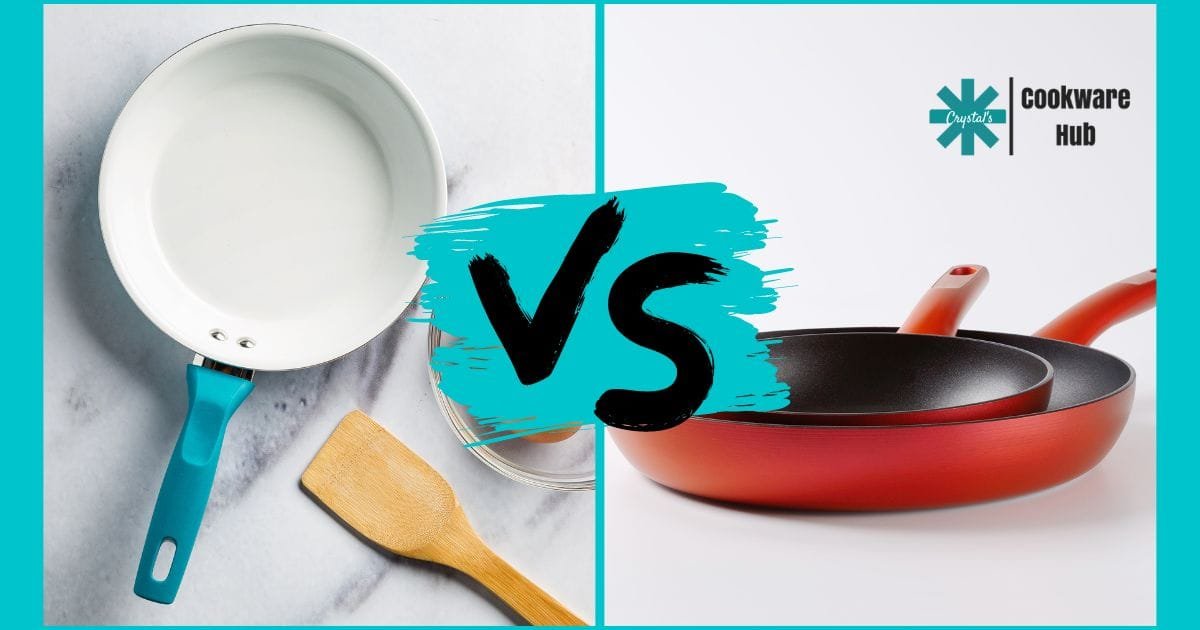
Ceramic is gentler and safer at moderate heat, while Teflon nonstick cooks cleaner and releases fumes if overheated.
I’ve tested pans and read the science. This guide on ceramic cookware vs teflon nonstick cookware breaks down safety, performance, longevity, care, and buying tips so you can choose with confidence. Expect clear comparisons, real-world tips from my kitchen trials, and actionable advice to match a pan to your cooking style.

How ceramic cookware and Teflon nonstick cookware differ: a quick overview
Ceramic cookware vs teflon nonstick cookware is mostly a choice between coating chemistry and real-world use. Ceramic coatings are based on inorganic minerals baked onto metal. Teflon nonstick cookware uses a PTFE polymer coating for slick release.
Key differences at a glance:
- Coating type: ceramic uses silica-based layers; Teflon nonstick uses PTFE.
- Heat tolerance: ceramic can handle higher surface temperatures safely; Teflon nonstick degrades at very high heat.
- Nonstick feel: Teflon nonstick is slicker initially; ceramic can stick more over time.
I’ll unpack these points in plain language so you can pick the right pan for eggs, searing, or one-pan dinners.
Materials and how the coatings work
Teflon nonstick cookware gets its name from PTFE, a synthetic polymer applied in layers to pans. PTFE creates a very low-friction surface that food rarely clings to. Historically, PFOA was used in production but is no longer used in modern cookware.
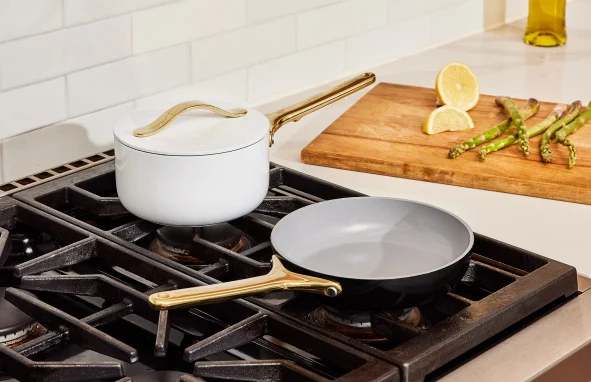
Ceramic cookware coatings are usually derived from silica or other mineral compounds. They are applied as a liquid and cured at high heat. The top surface is glass-like and harder but can be thinner and more brittle than PTFE.
Base metals matter too. Most nonstick pans use aluminum for fast heat. Higher-end options add stainless steel or a layered base for stability. The coating sits on top, so the pan’s heat spread and warping depend on the metal underneath.

Health and safety concerns
Both ceramic cookware vs teflon nonstick cookware raise health questions that deserve clear answers.
Teflon nonstick cookware
- PTFE is stable at normal cooking temps. Overheating above 500°F can break it down and release fumes that may cause flu-like symptoms in birds and humans.
- Modern PTFE pans are made without PFOA, which was phased out due to health concerns.
Ceramic cookware
- Ceramic coatings are often marketed as "green" and PFOA-free. They do not emit PTFE fumes.
- Low-quality ceramic coatings can contain heavy metals or wear quickly, so buying from reputable brands matters.
My practice: I never preheat an empty nonstick pan on high. I use low-to-medium heat for eggs and moderate heat for stir-fries. This reduces risk whether I use ceramic cookware vs teflon nonstick cookware.
Cooking performance and heat behavior
How a pan cooks affects daily results in the kitchen.
Teflon nonstick cookware
- Excels for sticky foods like eggs and pancakes due to extreme slickness.
- Not ideal for high-heat searing because browning is limited and the coating can degrade if abused.
Ceramic cookware
- Handles higher heat better and can brown food more effectively.
- May need more fat or oil to prevent sticking, especially over time.
Tip: For a quick sear, I’ll use a heavy stainless or cast iron pan. For omelets or crepes, a Teflon nonstick pan wins every time. When deciding ceramic cookware vs teflon nonstick cookware, match the pan to the food and heat level.
Durability, maintenance, and lifespan
Lifespan varies widely between pans and user habits.
Teflon nonstick cookware
- Can last several years with careful use: avoid metal utensils, avoid abrasive cleaners, and don’t overheat.
- Scratches are cosmetic but reduce nonstick performance over time.
Ceramic cookware
- Resists high heat and scratching less, but older or cheap ceramic coatings can flake or wear sooner.
- Thermal shock (cold water on hot pan) can damage the coating.
Care tips to extend life:
- Use silicone, wood, or nylon tools.
- Clean with soft sponges and mild detergent.
- Store pans with liners or hang them to avoid scratches.
From my tests, a well-cared-for Teflon nonstick pan lasts roughly 2–5 years. A higher-quality ceramic pan can last similarly, but some cheaper ceramic pans lose nonstick qualities in months.
Cost, sustainability, and environmental impact
Cost and eco-impact influence long-term value when comparing ceramic cookware vs teflon nonstick cookware.
Cost
- Teflon nonstick cookware is widely available at many price points. Mid-range models balance price and durability.
- Ceramic cookware often starts slightly more expensive but varies by brand and build.
Sustainability
- PTFE production has environmental concerns historically tied to PFOA, though modern production has removed PFOA.
- Ceramic coatings rely on minerals and often have simpler chemical footprints, but manufacturing energy matters.
Recycling and waste
- Nonstick pans are harder to recycle due to mixed materials. Longevity matters: a longer-lasting pan is better for the planet.
My buy-once mindset: I prefer a durable pan that fits my cooking style. Spending more for longevity reduces waste and saves money long term.
Buying guide and practical tips
Use this checklist when choosing between ceramic cookware vs teflon nonstick cookware.
What to look for:
- Thick, flat base for even heat distribution.
- Secure riveted or welded handles that stay cool.
- Oven-safe temperature rating and compatibility with your cooktop.
- Warranty and brand reputation.
Testing in-store or reading reviews:
- Check how food releases when reviewers cook eggs and pancakes.
- Look for reports about flaking or wear after months of use.
Budget strategy:
- If you cook low-temp foods often, choose Teflon nonstick cookware.
- If you need high-heat versatility, prioritize a quality ceramic pan or pair a ceramic pan with a stainless or cast iron searing pan.
I once bought a bargain ceramic set and had to replace two pans within a year. Lesson learned: moderate spend on trusted models pays off.
My personal experience and testing notes
I’ve used both types for years and tested side-by-side in real meals.
Observations:
- Teflon nonstick cookware gave effortless flips and cleanup for eggs and crepes. It saved time on busy mornings.
- Ceramic cookware handled quick searing and one-pan dinners better, with less fear of overheating.
Mistakes to avoid:
- Don’t preheat empty nonstick pans on high.
- Avoid stacking pans without protection to prevent scratches.
Practical tip: Keep one Teflon nonstick pan for low-heat quick-cook items and one ceramic or stainless for higher-heat tasks. This hybrid approach covers most needs without extremes.
Frequently Asked Questions of ceramic cookware vs teflon nonstick cookware
Is Teflon nonstick cookware safe to use every day?
Modern Teflon nonstick cookware made without PFOA is safe for daily use when kept below high temperatures and not scratched. Avoid overheating and use gentle utensils to extend safety and lifespan.
Can I use metal utensils on ceramic cookware?
Light metal utensils may be okay on some robust ceramic coatings, but repeated use can scratch the surface. Use silicone or wooden tools to preserve the coating longer.
Which lasts longer: ceramic or Teflon nonstick cookware?
Lifespan depends on quality and care. High-quality Teflon nonstick cookware can last several years with careful use; premium ceramic pans also last but cheaper ceramic often wears faster.
What temperature is safe for Teflon nonstick cookware?
Keep Teflon nonstick cookware below about 500°F to avoid breakdown of the coating and release of fumes. For everyday cooking, medium heat is usually sufficient.
Is ceramic cookware truly chemical-free?
Ceramic cookware is free of PTFE and PFOA but not always free of other additives in low-quality products. Choosing reputable brands reduces the risk of unwanted chemicals.
How do I clean stubborn stuck-on food from ceramic or Teflon nonstick cookware?
Soak the pan in warm soapy water, then use a soft sponge or nylon brush. Avoid abrasive pads to prevent scratching the coating.
Conclusion
Choosing between ceramic cookware vs teflon nonstick cookware comes down to how you cook. If you want ultra-easy release for eggs and thin pancakes, Teflon nonstick cookware is a strong pick when used gently. If you need higher-heat work, better browning, or a "green" marketing angle, ceramic cookware often fits the bill. Match the pan to the task, mind heat limits, and follow simple care steps to get the most life from your cookware. Try pairing one Teflon nonstick pan for low-heat tasks with a ceramic or stainless pan for searing; this combination covers nearly every meal. Share your cooking goals in the comments or try one small change this week—swap your old pan for one that fits your routine better.