Classic pasta recipes are traditional dishes built around simple ingredients, careful cooking methods, and balanced flavors. Popular examples include spaghetti carbonara, pasta bolognese, cacio e pepe, and other Italian favorites that can be made at home.
In the United States, pasta has become a common part of home cooking, from quick weeknight dinners to family meals shared on weekends. Classic pasta recipes work well because they rely on basic ingredients such as pasta, cheese, vegetables, eggs, meat, olive oil, and herbs. These dishes show how small changes in technique can create deep flavor without needing a long ingredient list.
The best classic pasta recipes are not only about following a recipe card. They are about understanding why each step matters. Cooking pasta until it reaches the right texture, choosing a sauce that matches the pasta shape, and using ingredients at the correct stage can change the final result. This guide explains the foundations behind traditional pasta dishes and how to prepare them successfully at home.
Source: lovefoodies.com
What Makes A Pasta Recipe Classic
A classic pasta recipe usually has a long connection to Italian cooking traditions and focuses on a clear combination of flavors. These dishes often use a small number of ingredients where each ingredient has a purpose. A rich sauce, a sharp cheese, or a fresh herb can create the main character of the meal.
Classic does not always mean difficult. Many traditional pasta dishes were created as practical meals using affordable ingredients. Their lasting popularity comes from their balance, flexibility, and ability to bring comfort to the table.
Source: christinascucina.com
Simple foundation
Many traditional pasta dishes use pasta, sauce, seasoning, and one or two key ingredients instead of many competing flavors.
Focused technique
The cooking process often matters as much as the ingredients, especially when creating smooth sauces.
Regional influence
Different Italian regions developed different pasta styles based on local ingredients and cooking traditions.
Why Pasta Shape Matters
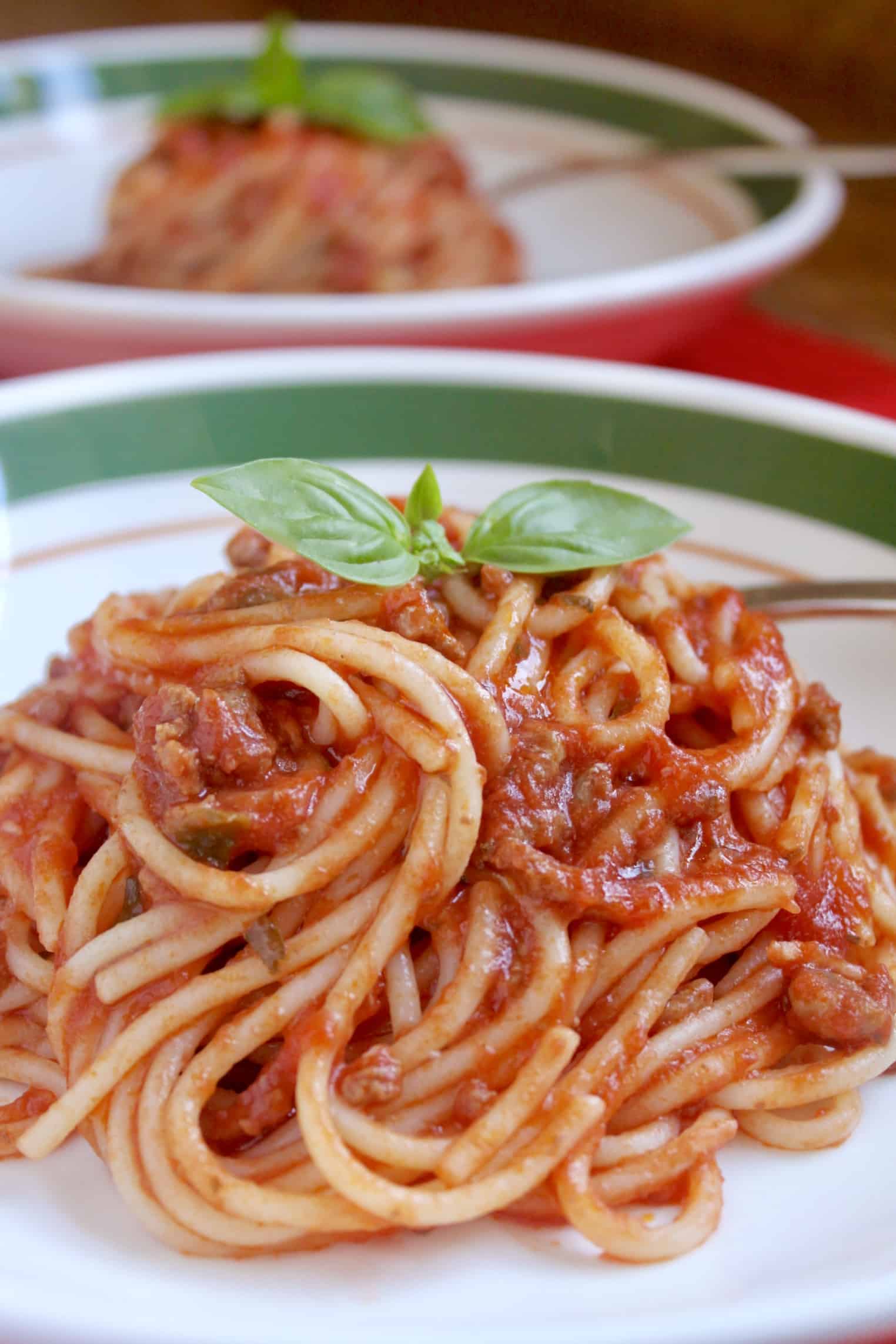
Pasta shapes are designed to work with different sauces. Long pasta such as spaghetti pairs well with lighter sauces that coat each strand. Shapes with curves or openings can hold thicker sauces, meat mixtures, or creamy preparations.
Choosing the right pasta shape helps create a better eating experience because the sauce and pasta become one dish instead of separate parts.
Long pasta
Works well with oil-based sauces, tomato sauces, and smooth cheese sauces.
Short pasta
Often matches chunky sauces because the shape can hold pieces of vegetables or meat.
Popular Classic Pasta Recipes To Know
Several pasta dishes have become worldwide favorites because they highlight different cooking styles. Learning these recipes gives home cooks a strong base for preparing many other pasta meals.
Each dish has its own identity. Some depend on slow cooking, while others depend on timing and texture. Understanding these differences helps prevent common mistakes.
Source: coleycooks.com
Spaghetti Carbonara
A Roman-style pasta dish known for a creamy texture created through eggs, cheese, pasta water, and cured meat rather than traditional cream.
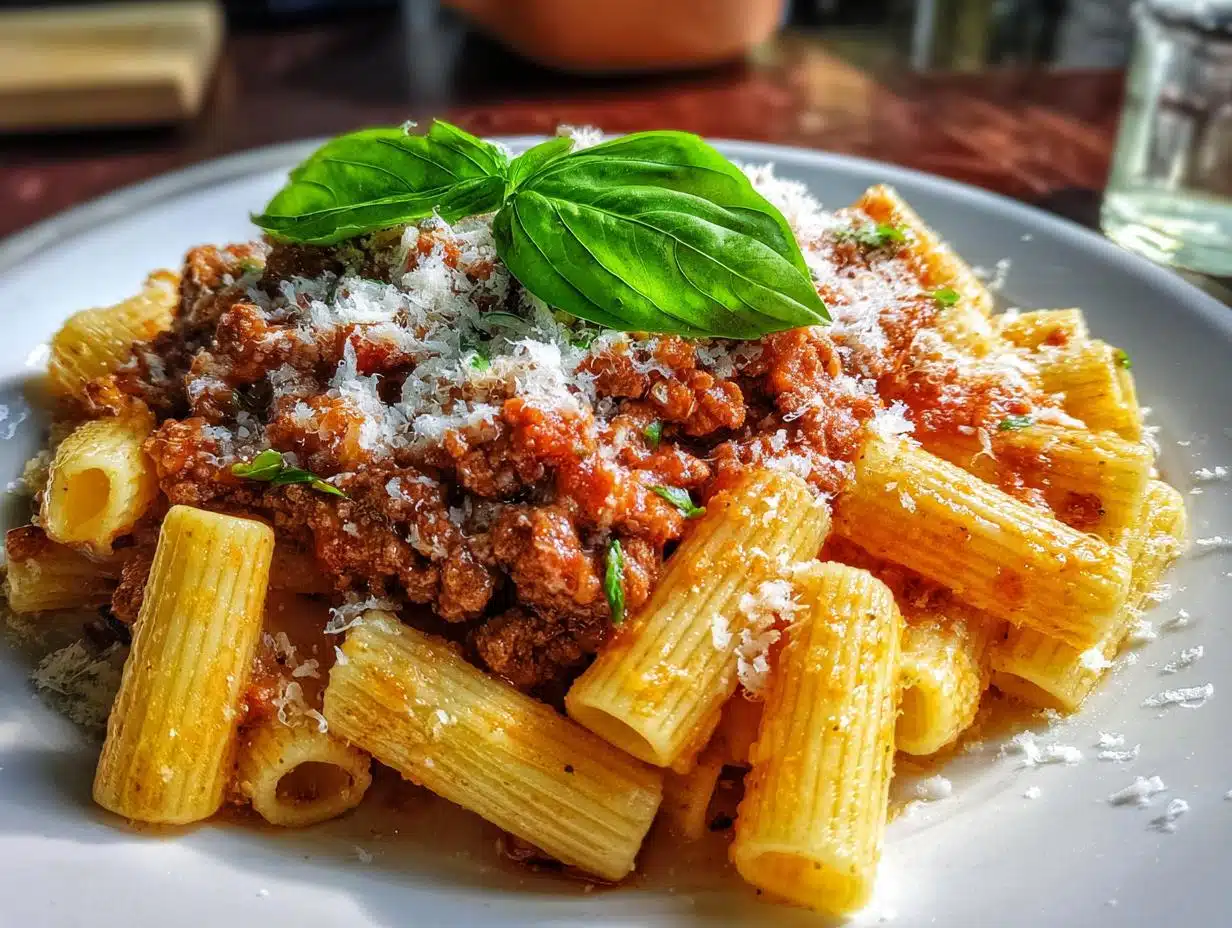
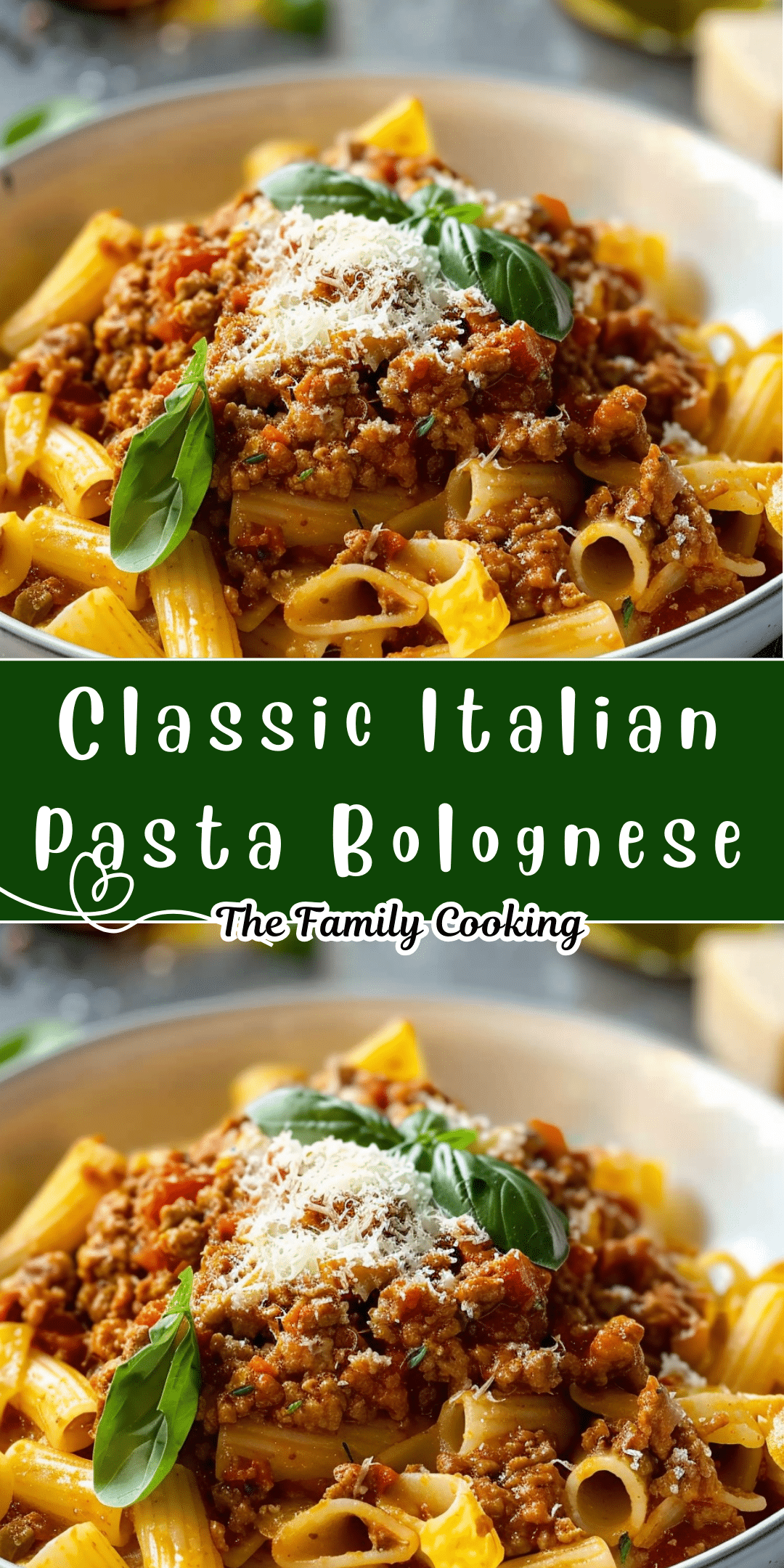
Pasta Bolognese
A hearty meat sauce that is often slowly cooked to develop deeper flavor and a rich texture.
Cacio E Pepe
A simple pasta made with cheese, pepper, and pasta water, showing how technique can transform basic ingredients.
How To Choose A Recipe For Your Meal
The best pasta recipe depends on your available time, ingredients, and desired flavor. A quick cheese-based pasta may work well on a busy evening, while a slow meat sauce may be better for a relaxed weekend meal.
Consider the texture you want before choosing a recipe. Light sauces feel different from thick sauces, and fresh ingredients can change the overall balance.
Choose larger recipes that can be prepared in advance, such as baked pasta or slow sauces.
How To Cook Classic Pasta Successfully
Successful pasta cooking begins before the sauce is added. The pasta itself needs the correct texture, and the sauce needs the right consistency to coat it properly.
Many restaurant-style pasta results come from simple habits. Salting the water, avoiding overcooking, and combining pasta with sauce before serving can make a noticeable difference.
Source: i.pinimg.com
Use enough water
A large pot gives pasta space to move and helps it cook more evenly.
Salt the water
Salt adds flavor to the pasta itself instead of only seasoning the sauce.
Save pasta water
Starchy pasta water can help sauces become smoother and better connected to the noodles.
Signs Your Pasta Is Ready
Properly cooked pasta should be tender but still have some firmness when bitten. This texture is often called al dente. The exact cooking time depends on the pasta type and brand, so checking the package instructions and tasting the pasta is useful.
If pasta becomes soft and breaks easily, it may have been cooked too long. If it feels hard in the center, it needs more cooking time.
Good texture
The pasta holds its shape and has a slight bite.
Poor texture
Overcooked pasta becomes soft and may not hold sauce well.
Common Mistakes When Making Pasta
Many pasta problems come from small preparation errors rather than difficult cooking challenges. Understanding these mistakes can help home cooks improve results quickly.
A good pasta dish needs balance. Too much sauce can hide the pasta flavor, while too little sauce can make the dish feel dry.
Source: thefamilycooking.com
Adding oil to pasta water
Oil is not usually needed because it can make sauce harder to cling to the pasta surface.
Rinsing hot pasta
Rinsing can remove surface starch that helps sauces stick, except when preparing certain cold pasta dishes.
Mixing sauce too late
Combining pasta and sauce while both are warm usually creates better flavor distribution.
How To Fix A Pasta Dish That Goes Wrong
A dry pasta dish may need a small amount of pasta water or extra sauce to improve texture. A watery sauce may need more reduction or better mixing with the pasta.
If flavors feel flat, adjust seasoning carefully. Cheese, herbs, pepper, or a small amount of acidity can change the balance without rebuilding the entire dish.
Too dry
Add small amounts of reserved pasta water while mixing.
Too watery
Continue cooking briefly or adjust the sauce ratio.
Choosing Ingredients For Better Pasta
Ingredient quality affects classic pasta recipes, but expensive ingredients are not always required. Freshness, correct storage, and proper use often matter more than price.
A balanced dish uses ingredients that support each other. Strong flavors such as aged cheese or cured meat should complement the pasta instead of overpowering it.
Source: noobrecipes.com
Pasta
Choose a pasta type that matches the sauce and cooking method.
Cheese
Use cheeses that provide the flavor and texture expected in the recipe style.
Sauce ingredients
Fresh vegetables, herbs, or meats should match the purpose of the dish.
Making Pasta Fit Different Diet Needs
Classic recipes can often be adjusted for personal preferences. People may choose different pasta types, reduce certain ingredients, or add vegetables while keeping the basic cooking method.
Changes should consider the role of each ingredient. Removing a key component may change the texture or flavor of the traditional dish.
Vegetable additions
Vegetables can add color, texture, and extra flavor to many pasta dishes.
Alternative pasta
Different pasta varieties may cook differently, so instructions should be adjusted.
Frequently Asked Questions
Q
What are the most popular classic pasta recipes?
Common classic pasta recipes include spaghetti carbonara, pasta bolognese, cacio e pepe, marinara pasta, and other traditional Italian dishes. Each recipe has a different flavor profile and cooking method.
Q
Can beginners make classic pasta recipes?
Yes. Many classic pasta recipes are beginner-friendly because they use simple ingredients. Beginners should focus on pasta texture, seasoning, and sauce consistency first.
Q
Why does pasta water help sauces?
Pasta water contains starch released during cooking. That starch can help sauces become smoother and help them coat the pasta more evenly.
Q
Should pasta be cooked before adding sauce?
Most classic pasta dishes combine cooked pasta with sauce before serving. This allows the pasta to absorb flavor and creates a more balanced dish.
Q
How can I store leftover pasta?
Store leftover pasta in a sealed container and refrigerate it. Reheating with a small amount of sauce or water can help restore moisture.
✦ Wrapping Up
Conclusion
Classic pasta recipes remain popular because they prove that simple cooking can create memorable meals. The strongest results come from understanding the relationship between pasta shape, sauce, ingredients, and timing.
Whether you choose a creamy carbonara, a slow-cooked bolognese, or a simple cheese-based pasta, the same principles apply. Cook carefully, adjust based on texture, and let each ingredient serve a clear purpose.
💡 Key Takeaway
Start with one classic pasta recipe, learn its key technique, and use that knowledge to improve other pasta dishes you make at home.
Make bakery-worthy sweets fast with chocolate dessert recipes at home. Simple ingredients, step-by-step tips, and no-fail favorites your family will love.