Convection ovens give faster, more even baking; regular ovens suit delicate, traditional bakes.
I have tested both ovens for years in home and small bake settings. I will walk you through the convection oven vs regular oven for baking with clear, practical advice. You will learn when to use each oven, how to adjust time and temperature, and tips that save failed loaves and cakes. Read on to bake with more confidence and better results.
How convection ovens differ from regular ovens
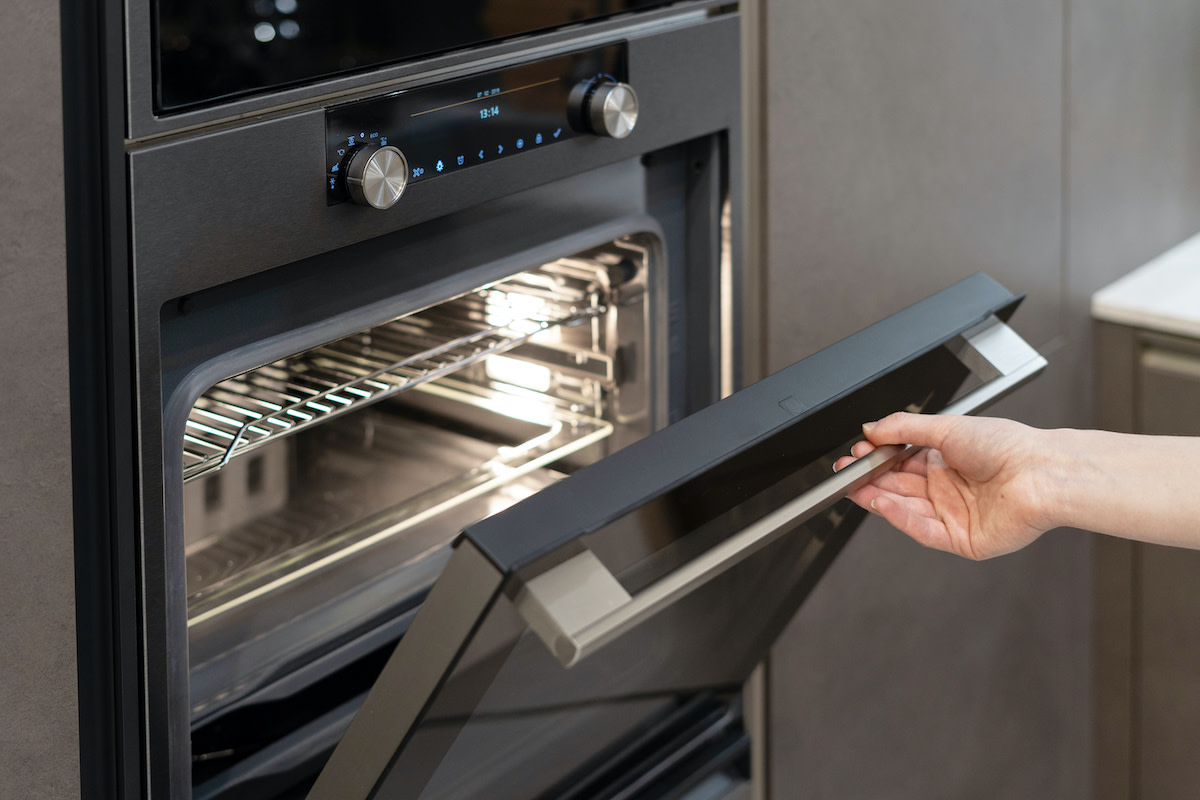
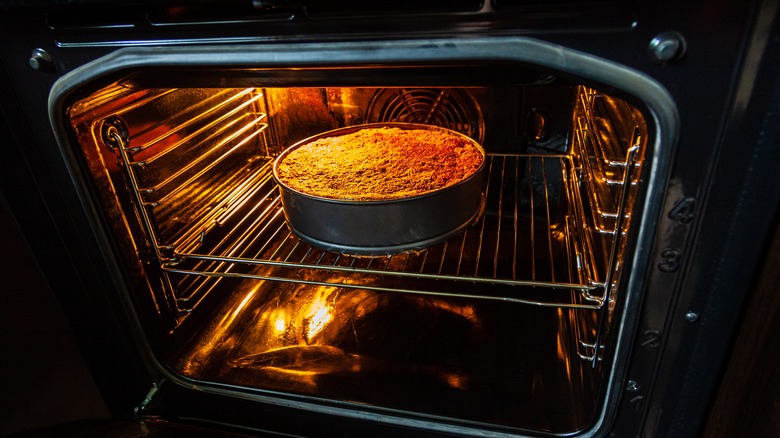
Convection ovens use a fan to move hot air around the oven cavity. Regular ovens rely on radiant heat from top and bottom elements. The fan in a convection oven reduces hot spots and speeds heat transfer. This leads to faster browning and more even heat.
Key mechanical differences
- Fan and sometimes an exhaust vent in convection ovens to circulate air.
- Static heat in regular ovens with heat rising naturally.
- Convection often gives consistent results across multiple racks.
- Regular ovens may show more hot spots and need rack rotation.
How that affects baking
- Cookies and breads brown more evenly with a convection oven.
- Delicate cakes and custards can dry or bake unevenly with strong air flow.
- Roasts and sheet-pan dinners crisp better in convection mode.
- Regular ovens often suit recipes written for traditional home baking.

Pros and cons of convection oven vs regular oven for baking
I’ve baked dozens of recipes in both ovens. Each has clear strengths and limits. Below is a simple list to help you choose.
Pros of convection ovens
- Faster bake times, which save energy and time.
- Even browning across racks for cookies and pastries.
- Better crust and crisping for breads and roasted items.
- Good for multi-rack baking like batch cookies.
Cons of convection ovens
- Can over-brown thin or small items if not adjusted.
- May dry out certain cakes and custards.
- Some older recipes need temperature tweaks to work well.
Pros of regular ovens
- Gentle, steady heat good for delicate bakes.
- Recipes written for traditional ovens work without change.
- Simpler controls and predictable results for beginners.
Cons of regular ovens
- Uneven heating can cause hot spots or underbaked centers.
- Slower cook times and less crisping on roasts and pizzas.

Temperature and time adjustments when switching to convection
A simple rule makes switching easy. Lower the baking temperature by 25°F or cut baking time by about 20 to 25 percent. Use that as a starting point and track changes. Check the bake early to avoid over-browning.
Practical steps
- If a recipe says 350°F, try 325°F in convection mode.
- For quick items like cookies, check 5 to 10 minutes early.
- For large roasts or multi-rack bakes, lower temp by 25°F and monitor internal temperature.
- Use an oven thermometer to verify actual oven temperature.
Common mistakes to avoid
- Not reducing temperature or time and ending with a dry cake.
- Using glass pans without testing. Glass retains heat differently.
- Placing pans too close to the fan or blocking airflow.
Best uses and recipes for each oven
Match the oven to the food for best results. Below I list ideal uses and examples from my own kitchen.
Best for convection oven
- Sheet-pan dinners, roasted vegetables, and whole chickens that need crisp skin.
- Batch cookies across two racks with even color.
- Puff pastry and tarts that benefit from fast, even heat.
- Artisan breads that need a crisp crust when using a baking stone.
Best for regular oven
- Delicate sponge cakes, soufflés, and custards that need gentle heat.
- Cheesecakes and flans where even, slow heat prevents surface cracking.
- Recipes where rise and crumb are critical, like classic pound cakes.
- Small single-pan bakes where strong air flow could cause uneven rise.
Real-world example
- I use convection for weekday sheet-pan meals and cookies for school lunches.
- I switch to regular baking for birthday cakes and delicate layered pastries.
- This mix keeps results predictable and delicious.
Tips, troubleshooting, and maintenance
Small habits can fix many oven problems. I learned these tips after a few burned batches and uneven loaves.
Quick tips
- Preheat fully. Convection speeds cooking, but the oven still needs to be hot.
- Space pans to allow airflow. Do not overcrowd the oven.
- Rotate pans only if needed. Convection lowers the need to rotate.
- Use low-sided pans for best air flow around baked goods.
Troubleshooting common problems
- Food browning too fast: lower temp by 25°F or cover with foil.
- Uneven rise in cakes: switch to regular mode or reduce fan speed.
- Soggy bottoms: increase heat slightly or move item to a higher rack.
- Hot spots: use an oven thermometer to find them and shift racks.
Maintenance checklist
- Clean the fan guard and interior monthly to keep airflow steady.
- Replace gaskets and check seals if heat leaks or cook time increases.
- Calibrate your oven with a thermometer every few months.
- Do not block fan vents or place pans directly against the back wall.
Buying guide: choosing between convection and regular ovens
When shopping, think about your cooking habits and space. A few specs make a big difference.
What to look for
- True convection has a third heating element plus a fan for even heat.
- Fan-forced models just circulate oven heat and may be weaker.
- Adjustable fan speed gives more control for delicate bakes.
- Reliable temperature controls and good insulation matter more than bells.
Questions to ask
- Do you bake often or roast large cuts? Convection helps with both.
- Do you make many delicate cakes? A regular bake mode is useful.
- Is multi-rack baking common? Convection saves time and evens color.
- Does the model let you switch convection off? That gives the best versatility.
Personal buying note
- I chose a dual-mode oven that lets me switch the fan on or off. It solved nearly every baking issue. The extra control is worth the small price premium.
Frequently Asked Questions of convection oven vs regular oven for baking
What is the main advantage of a convection oven for baking?
Convection ovens circulate hot air for more even heat and faster browning. This works well for cookies, roasted vegetables, and multi-rack baking.
Should I lower the temperature when using convection?
Yes. Lower the oven temperature by about 25°F or reduce the bake time by 20 to 25 percent. Always check the bake early to avoid overcooking.
Can I bake cakes in a convection oven?
You can, but be cautious. Use lower temperatures or turn convection off for delicate sponge cakes and custards to avoid drying or uneven rise.
Does convection save energy?
Often yes. Faster cook times and lower temperatures reduce energy use. Savings vary by recipe and oven efficiency.
Is convection better for bread baking?
Convection helps crust development and even color. For artisan breads, use a stone and monitor steam and heat for best crust.
Conclusion
Convection ovens speed baking and give even results, while regular ovens offer a gentler touch for delicate recipes. Use convection for crisping, multi-rack baking, and faster cooks. Use regular mode for cakes, custards, and items that need slow, steady heat.
Try both modes on a favorite recipe to learn your oven’s habits. Small changes in temp and time make big differences. Share your results, subscribe for more tips, or leave a comment about your best oven wins.