You don't need expensive cookware to cook great meals at home.
I have tested cookware for years in real home kitchens and small restaurants. I know what quality looks like and what pans truly change your food. This article answers do you really need expensive cookware for home cooking with clear examples, research-backed points, and hands-on tips. Read on to learn when cost matters, what to buy first, and how to get pro results without breaking the bank.

Why people think expensive cookware is better
Many shoppers assume higher price equals better results. Sellers promote heavy metals, multi-layer construction, and brand names to justify cost. There are real gains with some premium pieces, like even heat and long warranties. Yet price alone does not always mean better cooking for most home cooks.
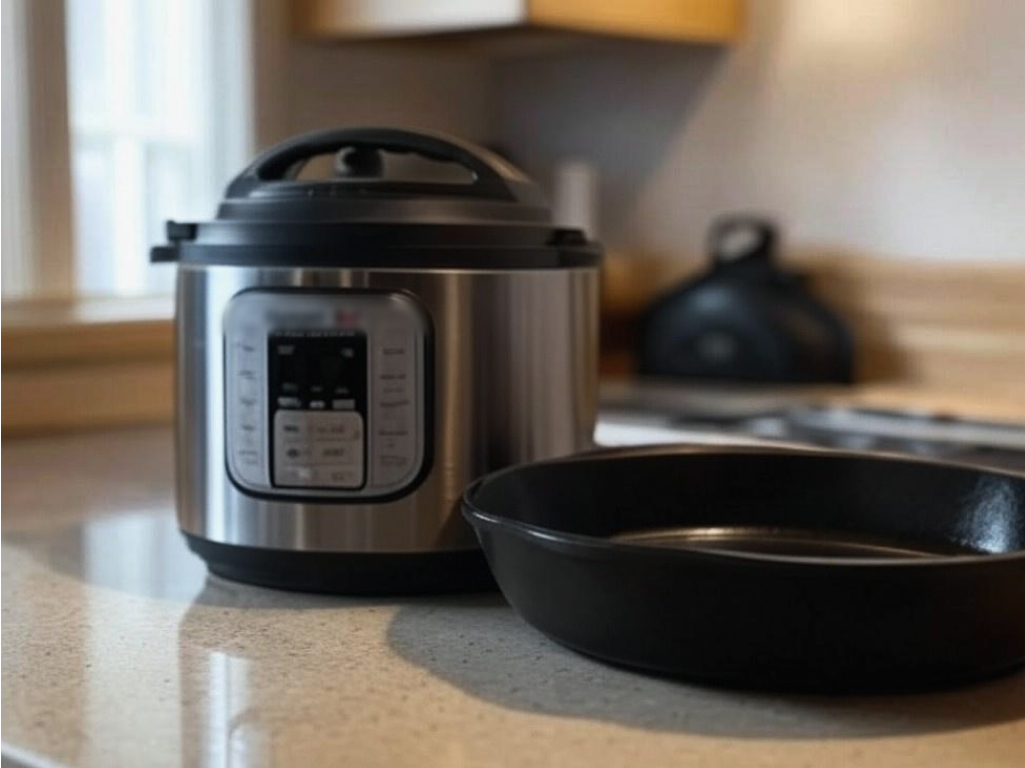
What expensive cookware actually buys you
Expensive cookware often buys these real benefits.
- Even heat distribution from multi-clad or copper layers helps with delicate sauces.
- Stronger build quality resists warping and lasts longer under high heat.
- Better handles and lids can make daily use more pleasant and safer.
These benefits matter for certain tasks and cooks, but they are not required for every home kitchen. The phrase do you really need expensive cookware for home cooking applies here—sometimes you do, often you don't.

When you really need expensive cookware
There are clear moments when spending more makes sense.
- You sear steaks at high heat very often and need a heavy pan to hold temperature.
- You cook professionally or for large groups and need durable, fast-performing gear.
- You use induction and want cookware engineered to work well with that surface.
If your cooking habits match those needs, premium pieces can pay off. Still ask yourself: do you really need expensive cookware for home cooking, or can a well-chosen mid-range pan do the job?

Budget-friendly alternatives that work
You can get excellent results without the top-tier price. Consider these options.
- Cast iron: Very cheap per use, excellent heat retention, ideal for searing and oven use.
- Mid-range stainless steel clad pans: Offer most of the benefit of premium multi-clad at lower cost.
- Seasoned carbon steel: Lighter than cast iron and great for high-heat searing and stir-frying.
- Good nonstick at a mid-price point: Useful for eggs and delicate foods; replace every few years.
- Single high-quality pan strategy: Buy one versatile pan you love rather than a costly full set.
If you keep asking do you really need expensive cookware for home cooking, the answer is often no when these alternatives fit your needs.

How to choose the best cookware for your needs
Match tools to how you cook. Use this quick checklist.
- Think about what you cook most often and how you cook it.
- Check stove type—gas, electric, or induction—to ensure compatibility.
- Prioritize one or two good pieces over many cheap ones.
- Look for warranty, repair options, and replacement parts.
Choosing with care answers the question do you really need expensive cookware for home cooking by focusing your money where it helps the most.
Care and maintenance tips to make cheap cookware last
Even budget pans perform well with proper care. Try these actions.
- Season cast iron and carbon steel and keep them dry to prevent rust.
- Avoid very high heat on most nonstick pans to extend their life.
- Use gentle cleaners and avoid metal scouring on stainless unless needed.
- Replace worn nonstick pieces before they flake and contaminate food.
Good care narrows the gap between cheap and pricey cookware, so you can get pro results without high cost.
My personal tests and mistakes
I once bought a full, expensive cookware set thinking it would fix my cooking. It sat unused because the pans were heavy and awkward. Later I bought one mid-range stainless skillet and a cast-iron pan. Those two items transformed my daily cooking far more than the costly set did. The lesson: match purchases to real use. Ask yourself do you really need expensive cookware for home cooking, or do you need fewer, better-used items?
Quick buying guide: what to buy first
If you want smart buys, start here.
- Versatile skillet 10–12 inches: A multi-clad stainless or heavy skillet is the most useful single item.
- 3.5–5 quart saucepan: For sauces, grains, and small braises.
- Cast-iron skillet or carbon steel: For high-heat sear and oven-to-table cooking.
- Good nonstick 8–10 inch pan: For eggs and delicate foods, replace every few years.
Spend more on the item you will use every day. That approach answers do you really need expensive cookware for home cooking by making each dollar count.
Frequently Asked Questions of do you really need expensive cookware for home cooking
Will expensive cookware make my food taste better?
Expensive cookware can help with heat control and browning, which can improve texture and flavor. However, technique, ingredients, and timing usually make the biggest difference.
Is expensive cookware worth it for beginners?
Not usually. Beginners benefit more from learning basic skills and using one or two reliable pans. Upgrading can wait until you know your needs.
Can cheap pans be as durable as expensive ones?
Some budget pans last a long time with proper care. Cast iron and well-made stainless steel often outlive thin, cheap nonstick pans.
How do I avoid wasting money on cookware?
Buy one versatile, well-reviewed pan, match it to your stove, and avoid full premium sets unless you will use every piece. Think utility, not status.
Does brand matter when buying cookware?
Brand can indicate quality and warranty support, but you can find high value from lesser-known makers. Read reviews and test in person when possible.
Are induction cooktops picky about cookware?
Yes. Induction needs magnetic bases, so some expensive copper or aluminum cookware won’t work without an induction plate. Always check compatibility before buying.
Conclusion
You do not need expensive cookware for home cooking to make great meals. Focus on the handful of pieces that match your cooking style and stove. Invest in care and technique; they often deliver more impact than high price. Try buying one good pan first, test it, and then decide on upgrades. If this helped, leave a comment with what you cook most or subscribe for more buying guides and simple tips.