A Dutch oven builds richer, slower flavor; a stock pot shines for big, quick batches.
I’ve cooked soups and stews for years. I know what works and why. This article breaks down dutch oven vs stock pot for soups and stews in practical terms. You’ll get clear guidance on heat, materials, capacity, cleanup, recipe matches, and buying tips. Read on to pick the right pot for your kitchen and your next bowl of comfort.
Why this choice matters
Choosing between a dutch oven vs stock pot for soups and stews changes results. The pot you pick affects heat flow. It also shapes texture and flavor. Small choices in cookware lead to big differences in final taste and mouthfeel.
Heat distribution and cooking performance
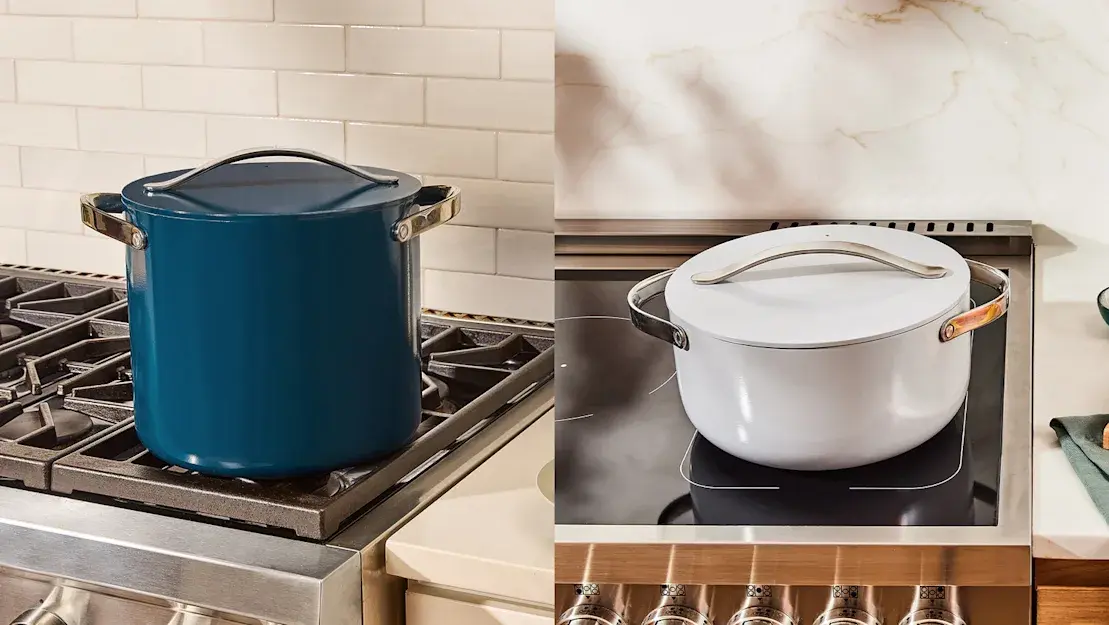
A key difference between dutch oven vs stock pot for soups and stews is how they hold and move heat.
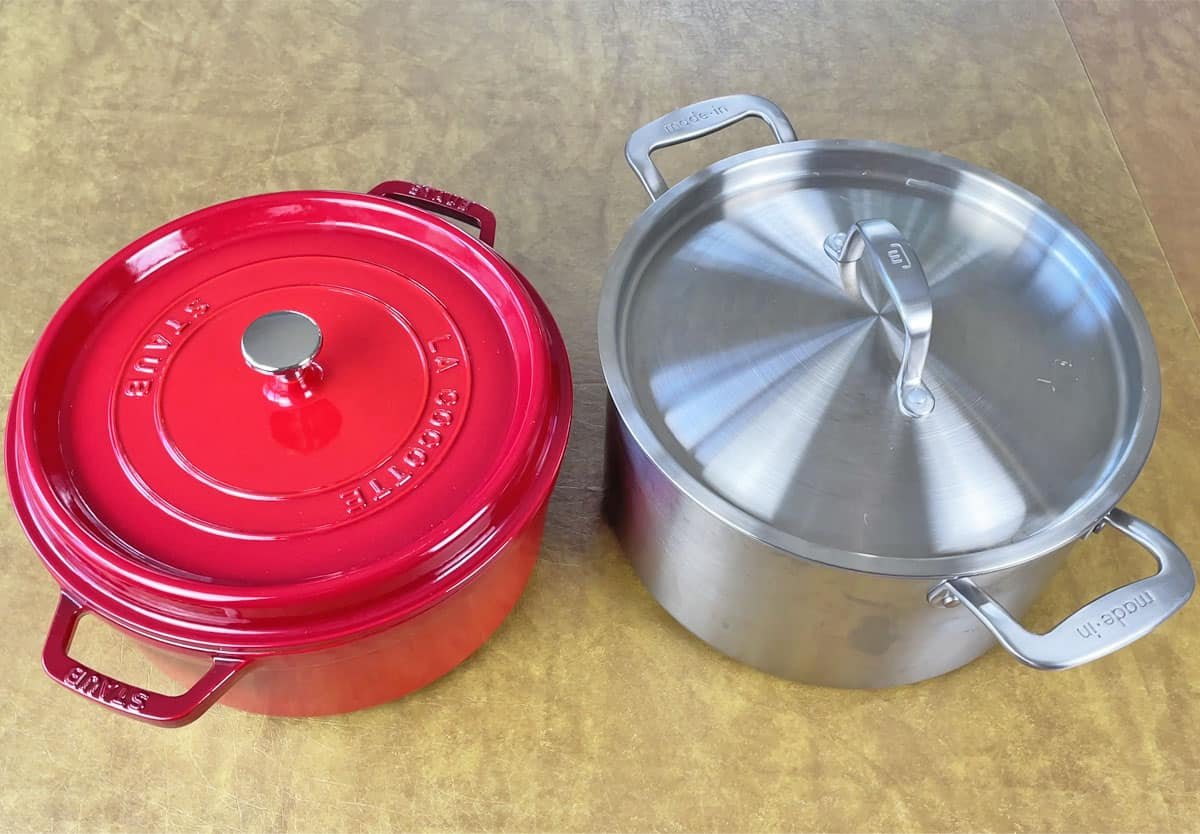
Dutch ovens are thick. They store heat well. That steady heat helps long braises and slow-simmered stews. Flavors deepen. Meats tenderize evenly.
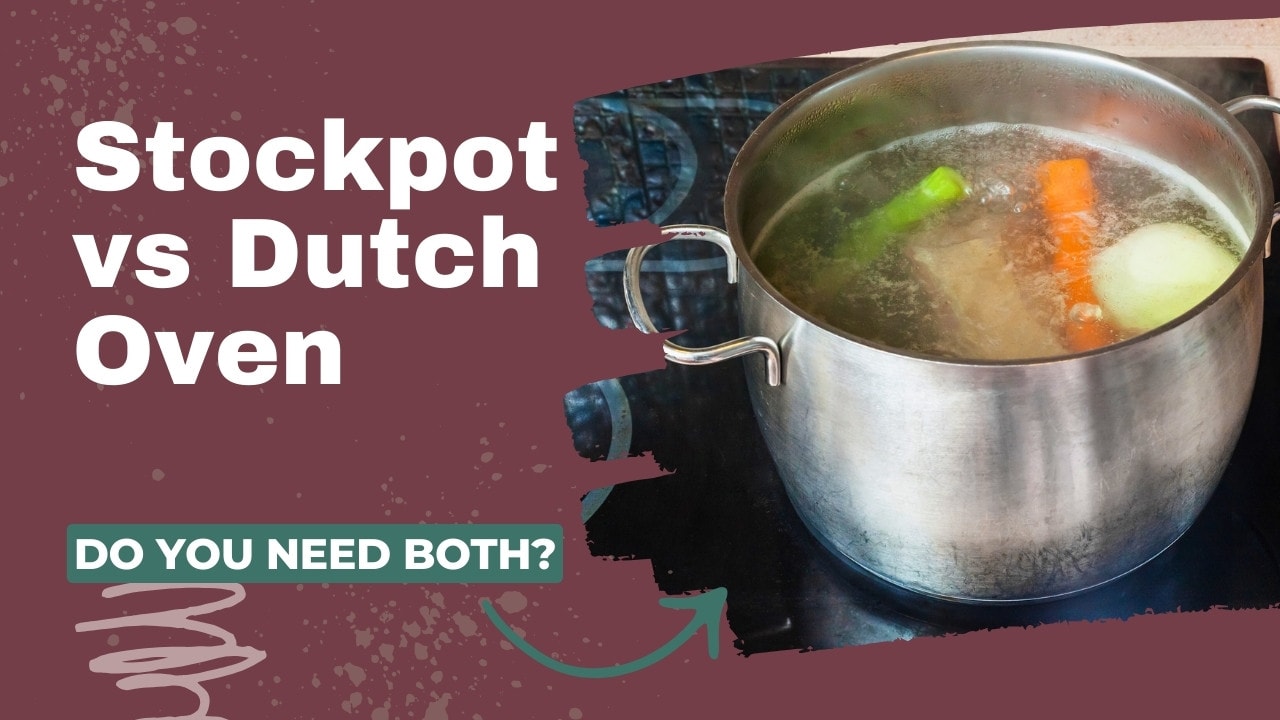
Stock pots are tall and thin. They heat fast and cool fast. That makes them great for quick broths and large batches. They bring soups to a boil evenly and let you add ingredients in waves.
When to use each:
- Dutch oven: long cooks, browning, braises, simmering to meld flavors.
- Stock pot: big batches, fast stocks, blanching, and when you need volume.

Material, maintenance, and durability
Materials matter in the dutch oven vs stock pot for soups and stews debate. Cast iron, enameled cast iron, stainless steel, and aluminum dominate the market.
- Cast iron dutch ovens: heavy, excellent heat retention, great for searing then slow cooking. They need care to avoid rust if not enameled.
- Enameled dutch ovens: same heat traits but easier to care for. No seasoning needed.
- Stainless steel stock pots: lightweight, durable, nonreactive. Good for acidic stocks and quick boils.
- Aluminum or clad pots: heat fast, affordable, but check for warping or reactivity.
Maintenance tips from my kitchen:
- Avoid thermal shock for cast iron. Don’t pour cold water into a very hot pot.
- Use gentle cleaners on enamel. Avoid metal scouring pads.
- For stainless steel, deglaze after browning to lift fond and add depth.
Capacity, shape, and practical cooking use
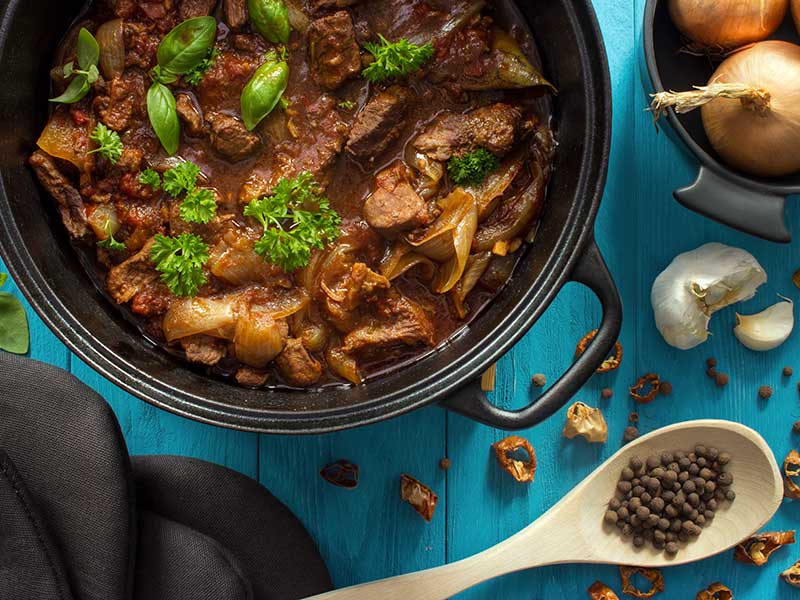
Size and shape directly impact how you cook soups and stews. This is core when you weigh dutch oven vs stock pot for soups and stews.
- Shape: Dutch ovens are shorter and wider. This helps with browning and reducing liquids. Stock pots are tall and narrow. They hold more liquid with less surface loss.
- Capacity: A 6- to 7-quart dutch oven is perfect for family stews. A 12- to 20-quart stock pot handles big batches and bone broths.
- Weight and storage: Dutch ovens are heavy. Stock pots are usually lighter and stack easier.
Practical uses:
- Use a dutch oven when you want a rich, reduced stew. The wide base speeds evaporation.
- Use a stock pot when you want large volumes of clear broth or to cook pasta with the same pot.
Recipes and when to pick which
Match the pot to the recipe to get the best outcome in the dutch oven vs stock pot for soups and stews choice.
Good matches for dutch ovens:
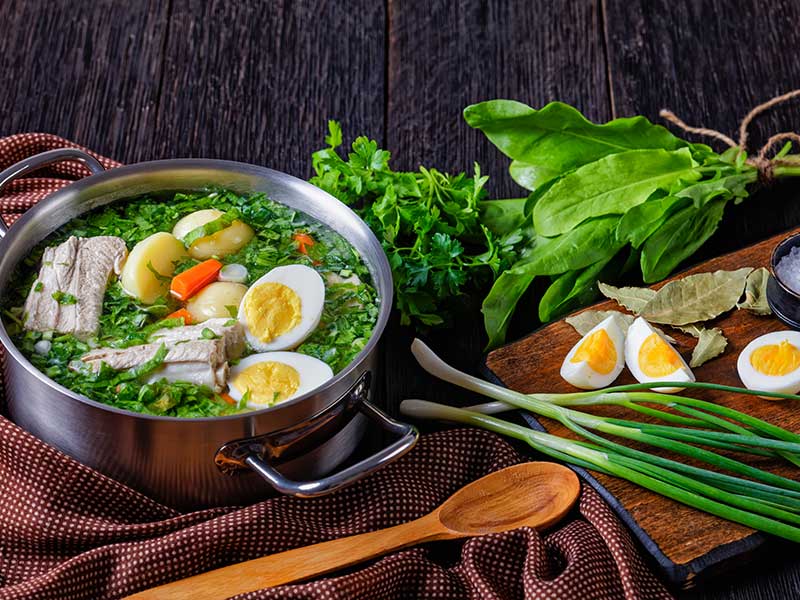
- Beef bourguignon and braised short ribs — sear then slow braise.
- Thick bean stews and cassoulet — slow heat and steady moisture win.
- Chili that simmers low and long — flavors meld without too much evaporation.
Good matches for stock pots:
- Classic chicken stock or bone broth — large volume and long simmer.
- Minestrone for big gatherings — add pasta later without crowding.
- Quick vegetable soups and broths — easy stirring and large yields.
A recipe tip from my tests:
- Brown meat in a dutch oven. Transfer liquid and bones to a stock pot if you need more space for a long simmer. This hybrid approach uses strengths of both.
Cost, value, and buying tips
Price often guides the dutch oven vs stock pot for soups and stews decision. Know what you need before you buy.
- Budget: Basic stainless steel stock pots are inexpensive and work well for many cooks.
- Investment: A quality enameled dutch oven costs more. It lasts decades and improves slow-cooked dishes.
- Versatility: A dutch oven can go from stovetop to oven. That adds value for braises and pot roasts.
- Size choice: Buy the size you actually use. A too-large dutch oven wastes heat. A too-small stock pot limits batch size.
Buying checklist:
- Look for even base thickness to reduce hotspots.
- Choose lids that fit snugly to control evaporation.
- Consider weight and handles for safe lifting.
Personal lessons, mistakes to avoid, and cooking tips
I’ve made both pots work and learned some lessons about dutch oven vs stock pot for soups and stews along the way.
Lessons and tips:
- Don’t skip browning. Sear meat in a hot dutch oven first for depth.
- Watch liquid levels. Stock pots keep volume but can dilute flavors if you overfill.
- Use a diffuser for thin stovetop burners when using heavy cast iron.
- Clean stains promptly. Burnt fond is easier to lift with warm water and gentle scrubbing.
- For travel or camping, a lightweight stock pot may be more practical than a heavy dutch oven.
These tips cut cooking time and improve flavor. They also prevent common cookware mistakes.
Frequently Asked Questions of dutch oven vs stock pot for soups and stews
Is a dutch oven better than a stock pot for stews?
A dutch oven is usually better for stews that need browning and slow cooking. It holds heat well and deepens flavor over long cooks.
Can I use a stock pot to make a stew?
Yes. You can make stew in a stock pot, especially for large batches. Just plan for faster liquid loss and watch browning.
Which is easier to clean, a dutch oven or a stock pot?
Enameled dutch ovens and stainless stock pots are both easy to clean. Cast iron without enamel needs more care and seasoning.
What size pot do I need for family stews?
A 5- to 7-quart dutch oven fits most families for stews. For big batches or soup for a crowd, a 12- to 16-quart stock pot is better.
Can I use a dutch oven on all stovetops?
Most enameled dutch ovens work on gas, electric, and induction. Check the manufacturer if you have special cooktops.
How do I prevent scorching in a Dutch oven?
Use lower heat and stir occasionally. Preheat the pot slowly and add liquids early to protect the bottom.
Is weight a major factor when choosing between them?
Yes. Dutch ovens are heavy and may be hard to handle when full. Stock pots are lighter and easier to lift for large volumes.
Conclusion
Choosing between a dutch oven vs stock pot for soups and stews comes down to what you cook and how you like to cook. Use a dutch oven for deep flavor, browning, and slow braises. Use a stock pot for large batches, clear broths, and quick soups. Try both if you can. Start with a size you’ll use and match the pot to the recipe. Share your results below or subscribe to learn more tips and recipes.